
Avoid These Common Mistakes That Frustrate National Park Rangers
When an animal starts associating humans with a quick meal, it loses that healthy, natural fear, which almost always ends with park rangers being forced to euthanize them because they’ve become too aggressive or comfortable around people.
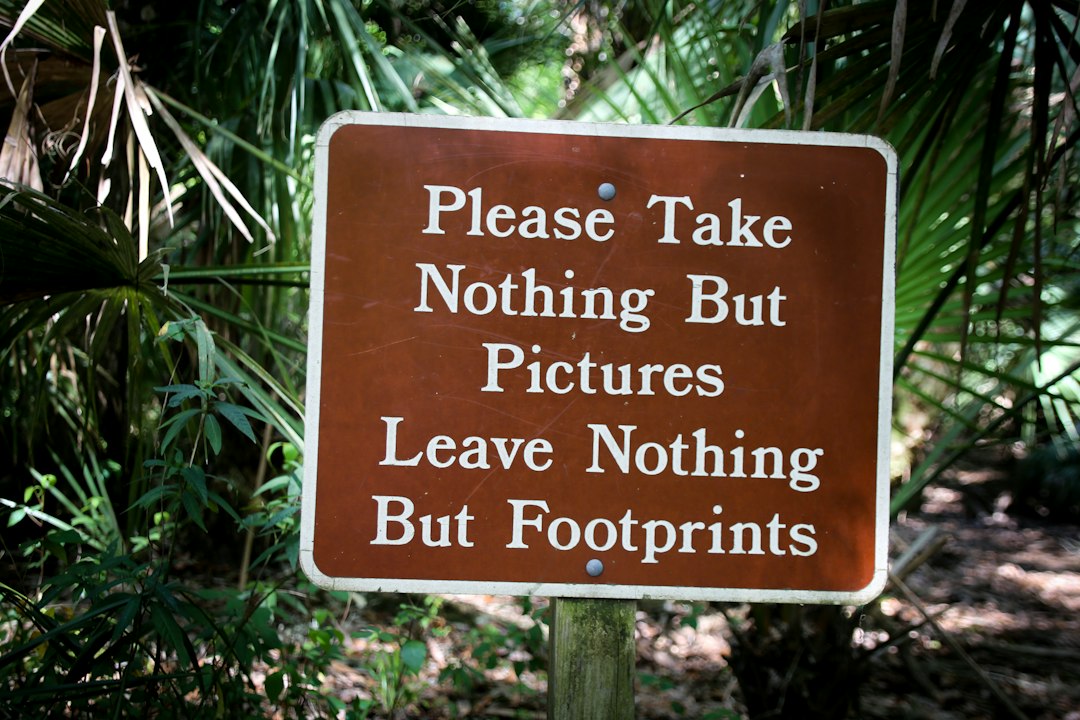
Ignoring Wildlife Safety Distances and Feeding Regulations
Let’s talk about something that really grinds my gears: the way we handle wildlife when we’re visiting these beautiful parks. You’ve probably seen it yourself—someone trying to get that perfect, viral selfie with a bison or tossing a snack to a bear just to see what happens. It feels harmless in the moment, right? But the reality is that ignoring safety distances and feeding regulations is basically a death sentence for the animals we’re supposedly there to admire. When an animal starts associating humans with a quick meal, it loses that healthy, natural fear, which almost always ends with park rangers being forced to euthanize them because they’ve become too aggressive or comfortable around people.
Think about it this way: when we encroach on their space, we’re triggering a massive biological stress response that these animals just aren’t built to handle. Even if they don’t charge at you, that fight-or-flight reaction spikes their stress hormones, suppresses their immune systems, and can actually lower their reproductive success. Studies show that when we hang around their feeding grounds, they spend way less time doing the actual foraging they need to survive. That means they head into harsh winter months without the fat reserves they need, and honestly, we’re the ones responsible for that caloric deficit. It’s not just about an immediate attack; it’s about a long-term ripple effect that disrupts the entire local ecosystem.
And look, I get the urge to get close, but we have to recognize that these animals don't see our "friendly" intentions—they see a direct threat. Whether it’s a whale shark being swarmed by boats or a toddler standing inches from a bison, these moments are clear precursors to tragedy. Once an animal learns to associate humans or vehicles with food, that behavior is basically impossible to reverse, turning them into a permanent road hazard or a nuisance that park management can’t fix. It’s frustrating because those subtle warning signs—the ear pinning, the heavy breathing—are almost always missed by people who aren't trained to look for them. We really need to do better, keep our distance, and let these animals act like, well, animals.
Disregarding Leave No Trace Principles on Backcountry Trails
When we talk about backcountry travel, it’s easy to focus on the gear or the mileage, but the real impact happens under our boots. I’ve spent enough time on the trail to know that it’s usually the small, "harmless" decisions that quietly tear an ecosystem apart. Think about those social trails snaking through the meadows; they aren't just minor shortcuts, they’re effectively carving up habitat and fragmenting nesting grounds for species that rely on unbroken cover to survive. And when we decide to cut a switchback on a steep climb, we’re essentially inviting gravity to do the heavy lifting in destroying the trail, forcing rangers to divert precious, limited resources toward massive erosion control that could have been avoided entirely.
It’s frustrating because we often think we’re being careful, but even our hygiene choices have a massive ripple effect. You might assume a splash of biodegradable soap in a lake is fine, but it actually shifts the pH levels and messes with the oxygen balance that aquatic invertebrates—the backbone of the food chain—need to breathe. Then there’s the issue of what we leave behind, even the stuff that seems natural. Tossing an apple core into the brush isn't just littering; it’s baiting animals toward roadsides and changing their natural diets in ways that take months or even years to manifest. Plus, if we aren't burying our waste at least six to eight inches deep, we’re turning that pristine campsite into a vector for pathogens like Giardia that can contaminate local water sources for a long time.
Honestly, even the aesthetic choices we make, like tagging a rock with a sticker or "decorating" a trail marker, carry a hidden cost. These aren't just visual eyesores; they introduce chemical pollutants into sensitive environments and, frankly, they signal to every other hiker that it’s acceptable to treat public lands like a personal canvas. I’ve seen firsthand how quickly a single rogue sticker or a bit of graffiti invites a cascade of vandalism. Whether you’re on a bike leaving deep, rutted channels that turn into gullies or just wandering off-trail and destroying fragile biological soil crusts, the cumulative result is the same: the landscape loses its resilience. It’s not about restricting your freedom; it’s about making sure that the places we love aren't loved to death before the next generation even gets a chance to see them.
Failing to Secure Food Properly Against Bears and Scavengers
If you’ve ever woken up in the middle of the night to the sound of something rustling near your tent, you know that heart-stopping adrenaline spike is something you never want to repeat. We often think we’re being careful by just zipping up a bag, but the reality is that black bears can track the faintest scent of a granola bar from two miles away. It’s not just about the food itself, either; those aerosol cans of sunscreen or even your strawberry-scented lip balm contain chemical esters that mimic the smell of ripening fruit or carrion. When you leave those items sitting out, you’re basically sending a dinner invitation to every scavenger in the woods. Trust me, watching a bear systematically shred an expensive piece of gear just to see if it’s edible is a lesson you’ll never forget.
Most of us don't realize that standard plastic coolers are practically toys to a bear, whose bite force can exceed 800 pounds per square inch. While you might think your stash is safe, smaller scavengers like jays and ravens are often watching from the trees, acting as sentinels that signal to larger predators exactly where your cache is hidden. And if the bears don't get to you, the rodents will; they’ll breach your pack in a heartbeat, leaving behind waste that carries real health risks like hantavirus. Even if you use odor-proof bags, they’re essentially useless if you’ve got crumbs or residue on the outside from a previous meal. It’s a game of inches, and unfortunately, the animals are playing with a massive home-field advantage.
The biggest issue is how quickly animals learn that your campsite is a reliable, high-calorie buffet. Once a bear successfully raids a site, they have a specialized memory that brings them back to those same coordinates for years, waiting for the next easy score. This leads to rapid habituation, where sub-adult bears—often pushed out of prime territory by larger males—decide that raiding your tent is worth the risk compared to traditional foraging. Using a certified bear-resistant canister is the only way to actually neutralize that threat, as these containers are specifically engineered to withstand the crushing forces that would shatter traditional storage. It’s a bit of extra weight in your pack, but honestly, it’s the only way to ensure you aren't turning yourself into a permanent fixture in the local bear's mental map of easy meals.
Straying Off Marked Paths and Damaging Fragile Ecosystems
Look, I think we’ve all had that moment where a scenic shortcut seems like a harmless way to grab a better photo or bypass a crowd, but we need to talk about why staying on the trail is actually a massive deal. When you step off those marked paths, you’re often crushing biological soil crusts—those complex communities of cyanobacteria, lichens, and mosses that act as the primary defense against erosion. In desert environments, a single misplaced boot print can take up to 70 years to fully recover, which is frankly hard to wrap your head around until you see the permanent scars left behind. It’s not just the desert, either; high-altitude alpine tundra plants have such short growing seasons that the heat from your footprint can literally kill them on contact.
These environments aren't just scenery; they’re high-stakes habitats where even minor soil compaction from a quick detour can permanently alter water flow in peatlands or cut off oxygen to the root systems of rare wildflowers. Think about it this way: when you wander off-trail, you’re also effectively turning your boots into vehicles for non-native plant seeds. That mud stuck to your tread is often carrying invasive species that will outcompete native plants for water and light, fundamentally rewriting the local food web. It’s a quiet, invisible disaster, but it’s real—those social trails you see snaking through the brush aren't just worn-down paths, they’re fragmenting nesting grounds and creating biological islands that leave local plants and animals way more vulnerable to disease.
And if you look at places like the Maspalomas Dunes, you can see how walking outside designated zones destabilizes the very sand structures that endemic insects rely on to survive. It’s not about being a killjoy or restricting your access; it’s about recognizing that these landscapes have evolved over thousands of years to grow only millimeters per year. When we decide to carve our own route, we’re essentially inviting erosion to take over, which forces rangers to spend their limited time and budget on damage control rather than on actual conservation. I’d argue that the most "authentic" way to experience these parks is to leave them exactly as you found them, because every time we stay on the path, we’re giving the ecosystem the breathing room it needs to keep existing.
Ignoring Pet Policies and Off-Leash Restrictions
Let’s be honest: we’ve all seen it happen, and it usually starts with the same misguided justification—that our dog is just "friendly" and won't hurt a fly. But when you’re in a national park, your dog isn't a pet; it’s a predator to the local wildlife, regardless of how well-trained you think they are. Even a perfectly obedient dog triggers a flight response in native species, effectively shrinking the animals' habitat because they’re too busy being on high alert to forage or rest. I really want to emphasize that these animals perceive your pup as a threat, which means they spend less time eating and more time in a state of high-stress vigilance. This isn't just a minor annoyance; it’s a biological tax that can lead to fatal exhaustion for young or vulnerable wildlife during critical seasons.
And it’s not just about the immediate chase, either. When you let your dog off-leash, they’re leaving behind scent markers like urine and feces that persist for weeks, acting as a persistent chemical deterrent that keeps small mammals and reptiles away from their own homes. Even worse, those leavings introduce non-native gut bacteria into sensitive alpine or desert soils, disrupting the delicate nutrient balance that supports native plants. I’ve seen firsthand how these small, "harmless" choices force rangers to spend their limited time managing conflict instead of focusing on actual conservation or search-and-rescue. It’s frustrating because when one person ignores the rules, it creates a normalization effect that convinces everyone else it’s fine to let their own dogs run wild.
Think about the sheer scale of the disturbance: research suggests the impact of just one off-leash dog can be detected by wildlife up to a kilometer away, extending the danger zone far beyond where you’re actually standing. We’re essentially fragmenting the landscape, pushing sensitive species away from trailheads and corridors just because we want our dogs to have a little extra freedom. It’s a classic case of convenience coming at the cost of the very environment we’re there to protect. Honestly, if we want to keep these spaces wild, we have to recognize that our pets are foreign visitors in a complex ecosystem. It really comes down to whether we prioritize our own brief comfort or the long-term health of the species that actually call these places home.
Overcrowding and Blocking Access for Emergency Vehicles
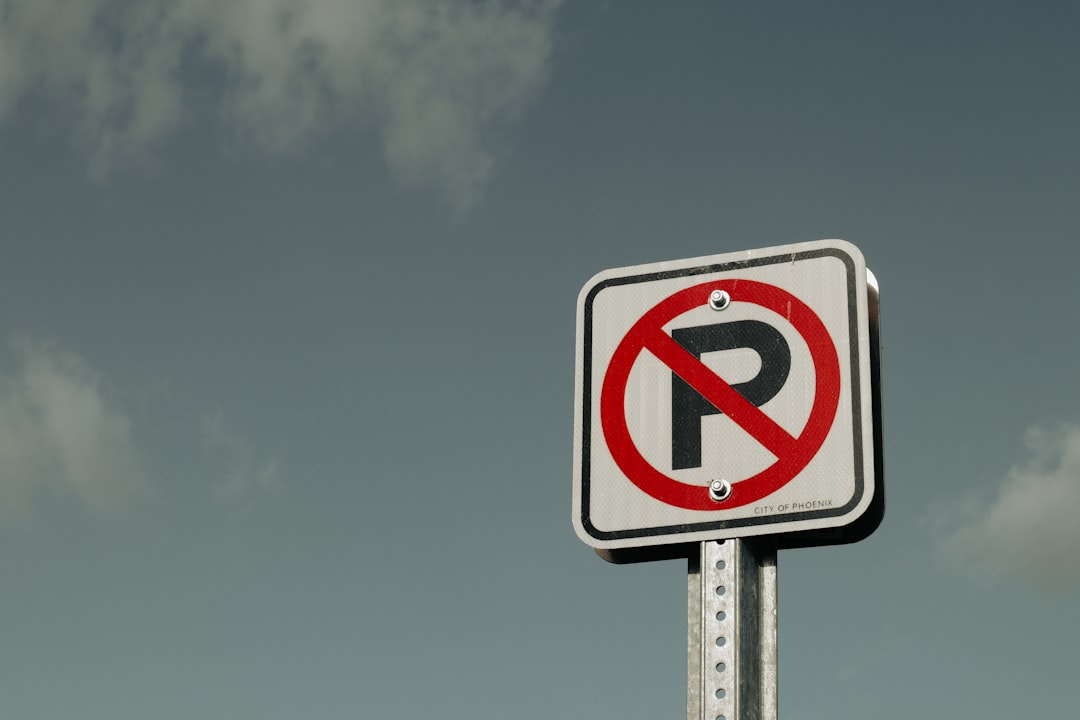
Look, we’ve all been there—you’re driving into a park, you see a sliver of space on the shoulder, and you think, “it’s just for a few minutes, what’s the harm?” The reality is that in many popular park corridors, that single choice to park illegally on a narrow shoulder can reduce the effective roadway width to less than the twelve feet a standard ambulance needs to pass. When emergency vehicles get caught in that gridlock, response times can easily climb by twenty minutes or more, which is often the thin line between a successful rescue and a tragedy for someone suffering from cardiac arrest or a severe hiking injury. It’s a terrifying thought, but a single poorly parked vehicle often triggers a cascade of congestion that traps rescue teams miles away from the incident, making the entire trailhead effectively unreachable.
Think about the psychology at play here: once one driver breaks the rules, a herd mentality kicks in and others follow, creating a dangerous cycle of non-compliance that turns a scenic drive into a parking lot. Park managers are seeing this ripple effect firsthand, where even if an emergency happens deep in the backcountry, the responders are stuck in traffic and forced to abandon their heavy trucks. This means they have to hike in, which drastically limits the amount of life-saving equipment—like heavy litters or advanced medical gear—they can actually carry to a patient. We’re also seeing that even a minor five percent reduction in available parking capacity can spike these road-blocking incidents by a staggering amount, essentially overwhelming the infrastructure we rely on.
And it’s not just about medical emergencies, as these constant bottlenecks prevent rangers from accessing remote areas to stop human-caused fires before they spiral out of control. Many visitors assume that if a road looks wide, they’re safe to pull over, but the reality is that the sheer volume of oversized RVs makes even generous lanes impassable when drivers park haphazardly on both sides. Some parks are now forced to consider permanent roadway bans or mandatory shuttle systems because the cost of managing this constant threat to public safety has simply become unsustainable for their local budgets. When you look at the data, the odds of an ambulance encountering a total blockage on a major park thoroughfare during a peak weekend can top forty percent, which really puts the "let’s just park here" mentality into a much more sobering perspective.
Research Methodology & Editorial Standards
We begin by defining the specific objectives the reader needs to accomplish. Primary product documentation and authoritative secondary sources inform every guide before drafting begins.
Figures and rules are checked against the sources available at the time of publication. Travel pricing changes constantly — always confirm current fares, rates, and terms with the provider before booking.