
Tioga Pass 2026: Verify Caltrans Status Before You Drive
This guide explains how to verify Highway 120 Tioga Pass status for 2026, including where to check current Caltrans conditions and how to assess the latest viable driving window before Yosemite's east entrance closes for winter.

| Takeaway | Detail |
|---|---|
| Verify Highway 120 Tioga Pass status with Caltrans before committing to travel. | Check current highway conditions at roads.dot.ca.gov or call 1-800-427-7623 for the latest Caltrans road information. |
| Confirm the live closure notice for Yosemite's east entrance on the day of departure. | Tioga Pass conditions can change quickly; rely on Caltrans' current status rather than a planned driving window. |
| Compare like-for-like travel totals and terms when evaluating alternate routes. | Include distance, time, lodging, and any reservation or access requirements before choosing a detour. |
| Use Caltrans as the authoritative source for Highway 120 operating status. | Base go/no-go decisions on official Caltrans updates for the complete route, not third-party summaries. |
This guide explains how to verify Highway 120 Tioga Pass status for 2026, including where to check current Caltrans conditions and how to assess the latest viable driving window before Yosemite's east entrance closes for winter.
Use the live Caltrans status and the comparison criteria below to make the go/no-go decision.
How It Works
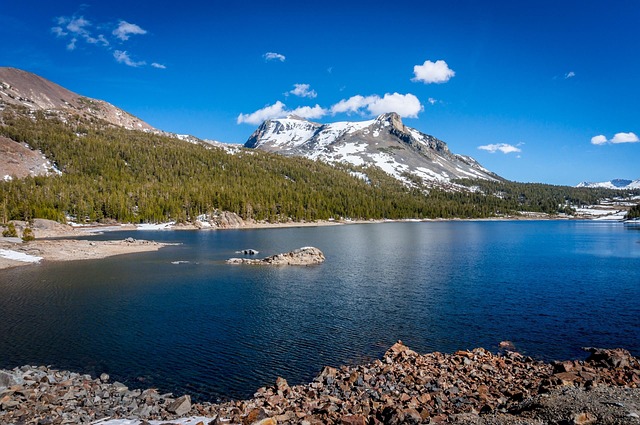
Tioga Pass works as a seasonal mountain crossing: the Tioga Road segment of California State Route 120 climbs over the Sierra Nevada to Yosemite National Park’s east entrance, and winter weather determines whether vehicles can use it. When conditions make the route unsafe or impractical to maintain, the road is placed into a seasonal winter closure. In practical terms, a winter closure means the highway is not kept open for through traffic and you should not plan a drive across the pass until official sources report it open. Because opening and closing decisions respond to weather and road conditions, the mechanism is operational rather than calendar-fixed, so any 2026 travel plan must be verified against live status before you commit.
Several key terms help you read those updates correctly. Tioga Pass refers to the high-elevation crossing on SR 120 at Yosemite’s eastern boundary. State Route 120 (Tioga Road) is the roadway segment travelers use to cross the park east–west when it is open. A seasonal closure is a full winter shutdown to vehicle travel, distinct from short-term restrictions that may apply during storms. Road status is the current operating condition reported by the managing agencies; it is the authoritative signal for whether the route is passable right now, not a prediction of what will be true later in the day or week.
The verification mechanism is straightforward: check the official Caltrans road information before you depart and again before you begin the return leg.
Using the Caltrans road-conditions source listed above, treat the live report as your go/no-go input for SR 120, and confirm that the status you are reading applies to the full segment you intend to drive, including the crossing through Yosemite’s east entrance.
Because mountain conditions can change quickly, treat a single status check as necessary but not sufficient. A route that is open at departure can become restricted or closed after new snowfall, ice, or operational changes. The rule is to verify the complete option before committing: confirm the current SR 120 status, confirm your timing still fits the latest official update, and confirm you have a viable alternate route if the pass status changes. Do not rely on memory, past trips, or unofficial summaries when the decision is whether to drive Tioga Pass in 2026.

Key Factors to Consider
The decision to use Highway 120 over Tioga Pass should rest on three live criteria, not on memory of a prior season. First, verify the complete route: a clear report for one segment does not mean the whole crossing, its approaches, or Yosemite’s east entrance are open. Check Caltrans for highway conditions and Yosemite for entrance operations before you commit money or a nonrefundable itinerary.
Second, match the vehicle and driver to the conditions you actually find. Chain-control levels, tire requirements, fuel range, and rental or insurance restrictions can turn a scenic shortcut into a stranded trip. If any of those checks fail, treat the route as unavailable for your party even if the road itself is open.
Third, compare the full trip, not just the map distance. A Tioga crossing can save miles while adding risk, fuel, lodging, or cancellation exposure. Compare like-for-like totals and terms against your fallback entrance, including refundable rates, drive time, and where you will sleep if conditions change.
The numbers that matter are the ones that change during the day: the timestamp on the road-status report, the chain-control level, entrance operating hours, your fuel range, and the total cost of the committed itinerary. Historical closure dates are useful context, but they are not a forecast and should never override a live status check.
Before committing, verify the exact route against the current Caltrans road report and Yosemite entrance status, note the time of those checks, keep an alternate route that you have also verified, and choose refundable terms if any part remains unverified.
| Decision criterion | Verify before committing |
|---|---|
| Complete route status | Caltrans highway conditions plus Yosemite east entrance status |
| Vehicle readiness | Chain controls, tires, fuel range, rental terms |
| Trip economics | Total cost, drive time, lodging, cancellation terms |
Common Mistakes
A common mistake is treating a single status update as proof that the entire Tioga Road crossing is drivable. A traveler might see a navigation app showing an open route or read a partial report about one segment, then commit to nonrefundable lodging or a one-way itinerary. The concrete risk is arriving at a different closure point on the approach or at Yosemite’s east entrance. Before you commit, cross-check the official Caltrans road conditions page with the National Park Service’s current conditions for Yosemite, and confirm that the full crossing you plan to drive is open at the time you will travel.
Another pitfall is using historical closure patterns as a substitute for live verification. For example, a driver may plan an east-to-west crossing based on a prior year’s late-season access, only to encounter an early storm, maintenance work, or a same-day closure that invalidates the plan. The rule is simple: treat past dates as background context, not a schedule. Check official status on the day you depart and again before you enter the mountain segment, because conditions can change faster than third-party summaries are updated.
Travelers also misread what an “open” report means in practice. A route may be passable only under restrictions, or conditions may shift in ways that make a tight schedule, a low-clearance rental car, or an unfamiliar driver’s plan unrealistic. A concrete example is committing to a same-day airport connection or a long scenic drive without confirming whether restrictions or advisories apply to your vehicle and timing. Use the official Caltrans and park advisories to verify not just whether the road is open, but whether the terms of travel match your vehicle, equipment, and schedule.
A final mistake is building a trip that depends on the pass staying open without a verified fallback. Driving over Tioga Pass late in the season and assuming you can return the same way can leave you facing a long detour if the road closes behind you. Before you commit, identify an alternate route, confirm its current status through the same official sources, and decide in advance what trigger will cause you to switch plans. A reversible plan reduces the cost of being wrong when mountain conditions change.
Insider Tactics
A useful non-obvious strategy is to verify the crossing as a chain, not a single road segment, before you lock in lodging, fuel stops, or a same-day itinerary. Start with the Caltrans Road Information page or its highway conditions phone line to confirm the live status of State Route 120, then cross-check Yosemite National Park’s official channels for east entrance access and any park-side restrictions. The rule is simple: do not commit until every link in the chain—approach roads, the pass itself, and the park entry you plan to use—shows the same drivable outcome for your vehicle and travel day.
For timing, treat status checks as a sequence of decision gates rather than a one-time task. Re-verify the night before departure, again on the morning you plan to drive, and once more at the last point where you can reliably change plans without backtracking into limited services. Mountain conditions can shift quickly, so the practical threshold is this: if any check returns uncertainty, a restriction, or conflicting information, pause the trip and re-confirm the complete option before you continue.
Another non-obvious tactic is to prepare a reversible plan that you can compare on like-for-like terms. Before you reach the point of no return, evaluate the Tioga route against an alternate route using the same criteria: total driving commitment, expected daylight for the full trip, access to services, and any vehicle or chain requirements reported by official sources. This comparison keeps the decision grounded in the actual conditions of the day instead of the convenience of the original plan.
When monitoring updates, look for direction of change across consecutive reports rather than relying on a single snapshot. If Caltrans or park notices indicate tightening restrictions, new advisories, or intermittent access, treat that pattern as a signal to shorten your exposure: move departure earlier in the day only if the full route is confirmed, or switch to the alternate option you already vetted. The goal is to make the next step reversible until every official source aligns.
Finally, reduce avoidable risk by confirming your information access before you commit. Save the Caltrans road conditions resource and relevant park status pages for offline reference where possible, and agree before departure to turn back or reroute if the live Caltrans or Yosemite status shows a closure, restriction, or conflicting update.
Comparison
Compare the two commitment paths on identical terms: a Tioga Pass crossing that you have verified as fully open from approach to Yosemite’s east entrance, and an alternative that you have verified as fully open for the same travel date. The winner is not the route that looks shorter; it is the option whose complete status, vehicle rules, and access terms you can confirm before committing.
Run the check in parallel. For Tioga Pass, confirm the current Caltrans condition for the highway number you will actually drive, then confirm the corresponding Yosemite access status for the same date. For the alternative, confirm the same two layers for that route. Use the Caltrans road-conditions phone line listed above alongside the online highway-conditions tool.
| Option | Wins when | Loses when |
|---|---|---|
| Tioga Pass (SR-120) | Every segment, approach, and east-entrance access point is verified open for your date and vehicle. | Any part of the crossing or entrance status is unverified, closed, or conditional. |
| Verified alternative | Tioga Pass has an unverified or closed segment, or your vehicle or timing does not fit its current terms. | You commit to it without checking its own complete status and terms. |
Tioga Pass wins on directness only after the full verification test passes; until then, the verified alternative wins because it removes the risk of arriving at a closed or partially closed mountain crossing. If both options pass the same full check, choose the one with the better like-for-like total for your actual trip, including fuel, time, lodging, and any access terms, rather than comparing a partial Tioga status against a complete alternative.
When neither option is fully verified, neither wins. Delay the commitment, recheck Caltrans and Yosemite status closer to departure, and keep a backup route that you have also verified in full. The comparison is settled by evidence, not by memory of a prior season or a single favorable update.
Also worth reading Plaza Hotel closure check: verify Driving Tioga Pass in 2026: Late-May Delta Denver winter fares: how
What to do next
Frequently Asked Questions
Where can I check the current operating status of Highway 120 Tioga Pass online?
You can check current highway conditions for Highway 120 Tioga Pass at roads.dot.ca.gov.
When should I confirm the live closure notice for Yosemite's east entrance?
You should confirm the live closure notice for Yosemite's east entrance on the day of departure.
Why is a planned driving window unreliable for crossing Tioga Pass?
A planned driving window is unreliable because Tioga Pass conditions can change quickly and you should rely on Caltrans' current status.
What factors should I compare when evaluating an alternate route around Tioga Pass?
When evaluating an alternate route, compare like-for-like travel totals including distance, time, lodging, and any reservation or access requirements.
Can I rely on third-party summaries to make a go/no-go decision for Tioga Pass?
No, you should base go/no-go decisions on official Caltrans updates for the complete route, not third-party summaries.
What determines whether vehicles can use the Tioga Road segment of State Route 120?
Winter weather determines whether vehicles can use the Tioga Road segment of California State Route 120 over the Sierra Nevada to Yosemite National Park’s east entrance.
Quick answers
| Where can travelers check the current status of Highway 120 Tioga Pass? | Travelers can check current highway conditions at roads.dot.ca.gov or call the Caltrans hotline number for the latest road information. |
| When should the closure notice for Yosemite's east entrance be confirmed? | The live closure notice for Yosemite's east entrance should be confirmed on the day of departure. |
| Why should drivers rely on Caltrans rather than a planned driving window? | Tioga Pass conditions can change quickly, so drivers should rely on Caltrans' current status rather than a planned driving window. |
| What factors should be compared when evaluating alternate routes? | Travelers should compare like-for-like travel totals and terms, including distance, time, lodging, and any reservation or access requirements before choosing a detour. |
| What should go/no-go decisions for the route be based on? | Go/no-go decisions should be based on official Caltrans updates for the complete route, not third-party summaries. |
Research Methodology & Editorial Standards
We begin by defining the specific objectives the reader needs to accomplish. Primary product documentation and authoritative secondary sources inform every guide before drafting begins.
Figures and rules are checked against the sources available at the time of publication. Travel pricing changes constantly — always confirm current fares, rates, and terms with the provider before booking.