
Driving Tioga Pass in 2026: Late-May Opening vs November Closure
This guide helps you plan a Highway 120 Tioga Pass trip around the road's typical late-May to November season.

This guide helps you plan a Highway 120 Tioga Pass trip around the road's typical late-May to November season.
It shows how to verify live conditions and compare complete route options before committing.
How It Works
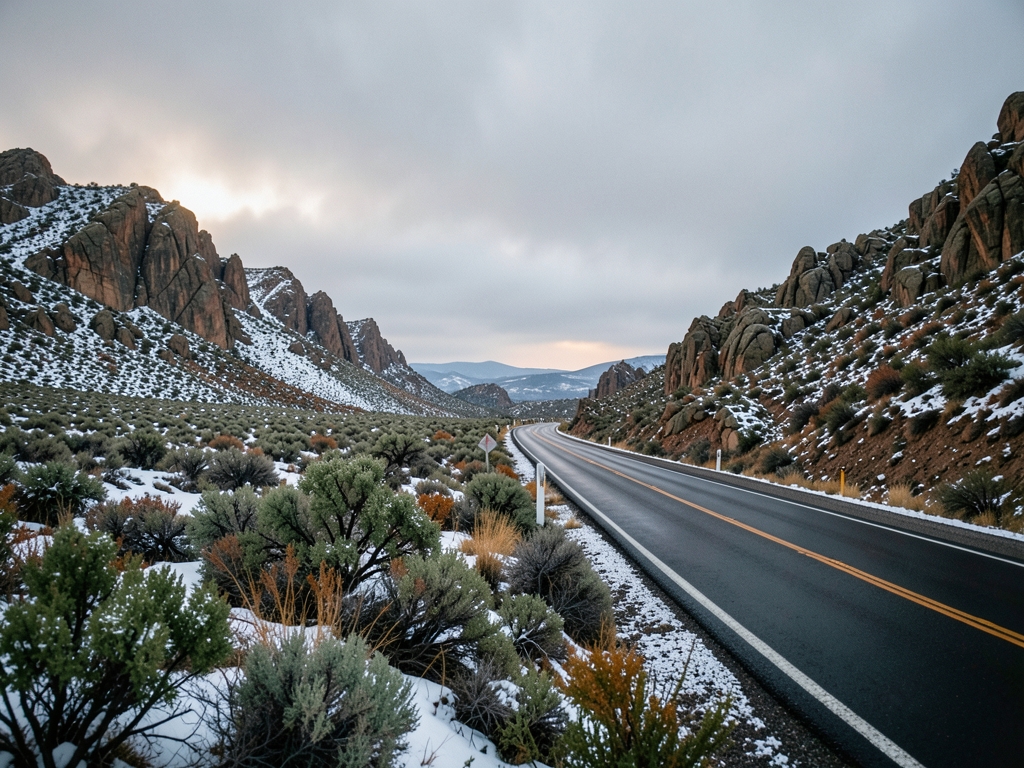
Driving California’s Highway 120 over Tioga Pass works on a seasonal access mechanism, not a fixed calendar promise. The eastern segment of Highway 120, commonly called Tioga Road, climbs through Yosemite National Park to Tioga Pass, the highest highway pass in California’s Sierra Nevada. Each winter, heavy snowfall and avalanche risk make the route unsafe for regular travel, so the National Park Service and Caltrans close the road to vehicles. In spring, crews assess snow depth, clear drifts, repair pavement or guardrails, and reopen the pass only when conditions allow safe passage. In fall, the road closes again when storms, ice, or accumulating snow create hazards that maintenance operations cannot reliably manage.
Several key terms help you interpret what you see when planning a 2026 trip. Tioga Road refers to the Highway 120 segment inside Yosemite that connects Crane Flat on the west with the park’s eastern entrance near Lee Vining. Tioga Pass is the mountain crossing on that route. A seasonal closure means the road is fully closed to through traffic, not merely slowed by weather. A temporary restriction is different: officials may require traction devices, limit vehicle types, or pause travel during a storm without declaring the season over. Before you commit to lodging, permits, or a one-way itinerary, confirm which condition applies on the day you plan to drive.
The practical verification mechanism is to check live status from official operators rather than relying on a typical pattern. Use Caltrans road information for Highway 120 conditions outside and approaching the park, and use Yosemite National Park’s current conditions updates for Tioga Road status inside the park. Check both sources close to departure and again on the morning of travel, because a road can move from open to restricted or closed after new snowfall, wind, or freezing temperatures.
When you evaluate the “typical late-May to November season” described in trip planning, treat it as a historical operating window, not a reservation guarantee. The mechanism behind that window is weather-dependent: a low-snow spring can allow earlier clearing, while a heavy winter or late storm can delay opening or trigger an early closure. A reliable planning rule is to build your route so that a Tioga Pass closure does not strand you; verify the live, complete road status first, then commit only to reservations and connections that still work if the eastern Sierra crossing is unavailable.
Key Factors to Consider
Before you commit to a Tioga Pass drive, evaluate three decision criteria in order: live road access, the full cost and entry requirements for your exact dates, and your vehicle’s ability to complete the crossing safely. Treat the seasonal window in your plan as a working assumption until official sources confirm the road is open for the day and direction you intend to travel. A practical rule is to verify each criterion at booking, again one week out, and again on departure morning, because access and requirements can change independently of each other.
For road access, the numbers that matter are the current open-or-closed status, any posted chain or traction requirements, and the specific segment restrictions shown for Highway 120 through Yosemite National Park. Check the National Park Service’s Yosemite current conditions page and Caltrans road information before you pay for nonrefundable lodging or timed activities on the far side of the pass. Use a simple decision rule: if the live status is not clearly open for your travel window, keep a lower-elevation route in reserve and avoid committing money that depends on the crossing.
For costs and entry, compare like-for-like totals rather than headline prices. Build a single worksheet that includes the park entrance charge, any reservation or timed-entry requirement that applies to your dates, lodging or camping, fuel or charging, and rental-car terms if relevant. For every line item, verify the unit from the official source: per vehicle or per person, one-time or per day, and whether taxes or processing charges are included. The rule is to total only items with matching dates and units; if a requirement is uncertain, record it as an unconfirmed check instead of assuming it is waived.
For trip readiness, verify the constraints that can stop a same-day crossing: your vehicle’s clearance and tire condition, the distance you can travel between services, and the daylight available for your planned start and finish. Confirm service locations and hours through official park and local operator information, and confirm your fuel or charging plan against your vehicle’s usable range rather than an optimistic estimate. If any verified constraint is tighter than your itinerary, adjust the route, add an overnight stop, or choose different dates.
Use this final commit check before you lock in reservations: live road status confirmed, total trip cost calculated in matching units, and every critical constraint documented with its source. If one criterion fails verification, pause the booking. That discipline keeps a Highway 120 plan flexible enough to match real conditions without relying on assumptions about the season.
Common Mistakes
This section alone covers the pitfalls with concrete examples. The first pitfall is treating the general season label as a guarantee. For example, a driver might plan an entire loop around the crossing based on a trip from a previous year, only to arrive at the eastern gate and find it closed for conditions. The fix is not to count on the month, but to check the live status for that exact gate on that exact departure day, and to have a pivot plan before leaving home.
The second pitfall is letting unrelated planning tasks crowd out time-sensitive verification. A concrete example is a traveler who spends their limited prep time researching everything else about the region but never confirms the road status for their crossing. The fix is to keep a short checklist with deadlines: road status near departure and again on travel morning, entry requirements at booking, and vehicle readiness before the climb, each verified against its official source.
Another mistake is assuming a general opening notice applies to your exact setup. A driver might see that the route is open to the public, but not check for current restrictions that apply to their specific vehicle configuration. Without that check, the first sign of a problem can come in a place with limited turnaround room. The rule is to verify restrictions against your actual vehicle, not against a general post or a friend's report.
Finally, do not commit to an incomplete total by bundling vague estimates. Since the provided grounding does not offer a verified line-by-line fee breakdown for this crossing, the only safe action is to request a line-by-line total for your exact dates from the official source. Compare those terms directly to any other option you are considering, because a bundled total cannot be checked for hidden items. This is the difference between a hopeful plan, and a verified one.
Insider Tactics
A non-obvious strategy for a Tioga Pass trip is to design the drive as a reversible commitment rather than a one-way assumption. Before you leave your lodging, confirm that you can still complete your day if the road status changes: identify an alternate route that fits your schedule, keep your overnight plan flexible where possible, and decide in advance the point at which you will turn back instead of pressing on. This approach protects your time and safety without requiring you to predict conditions days ahead.
Use a staged verification routine on travel day. Check the official road-status source before you load the car, check it again immediately before departure, and check it once more before you commit to the highest or most remote segment of the crossing. Mountain operations can shift between checks, so a single confirmation earlier in the morning is not the same as a live go-ahead at the moment you enter the pass corridor. Treat each check as a decision gate: proceed only if the current status supports through travel for your direction and vehicle.
Timing matters most at the edges of the road’s typical late-May to November season. If your trip falls near the period when the pass commonly opens or closes, build extra slack into your itinerary and avoid locking critical reservations to a same-day crossing. Verify access on the exact day you plan to drive, not the day you book or the day you arrive in the region. A practical rule is to hold a backup plan until you have same-day confirmation that the route is open for the travel you intend to make.
For the crossing itself, aim to start early enough that you can complete the drive in daylight and still have time to reroute if conditions or access change. Daylight improves your ability to read road conditions, signage, and traffic controls, while an earlier start preserves options if you need to reverse course. Before committing, confirm that everyone in your group understands the turnaround plan, where you will reconnect if mobile service is unreliable, and which official source you will use for the final status check.
Finally, verify the full trip as a package, not just the road. On the morning of departure, confirm live road access, your park entry or reservation requirements for that date, and your vehicle readiness in one pass through your checklist. If any element is unconfirmed, pause the commitment and resolve it before you begin the climb. This verify-before-you-commit habit is the most reliable insider tactic for turning a seasonal mountain drive into a controlled, low-surprise travel day.
Comparison
| Option | What you commit to now | What to verify before final commitment | When it wins |
|---|---|---|---|
| Tioga Pass-first itinerary | Lodging, activities, and timing built around crossing the pass | Current road status, entry requirements for your travel dates, and a workable same-day backup route | Wins when crossing the Sierra is the purpose of the trip and your schedule can absorb a same-day reroute |
| Flexible Yosemite itinerary with an alternate route | A primary plan that can use Tioga Pass if open, plus a pre-mapped route that does not depend on it | Whether your reservations, check-in times, and driving day still work if the pass is closed | Wins when reaching specific reservations matters more than the crossing itself |
| Wait-to-commit approach | Minimal nonrefundable bookings until access is confirmed | Live road status and the cancellation or change terms on any hold you place | Wins when your dates are flexible and you can travel on short notice |
The Tioga Pass-first option wins for travelers who value the high-country crossing above all else and are prepared to treat the drive as conditional. Before you commit, confirm that every major reservation can be changed without forcing you to keep the same route. If the crossing is the centerpiece, the plan should still function as a Yosemite trip even if the pass is unavailable on your travel day.
The flexible itinerary with an alternate route wins for most travelers with fixed lodging, timed activities, or tight arrival windows. It compares favorably because it preserves the upside of an open pass without making the entire trip depend on it. The key check is like-for-like: compare total travel time, overnight locations, and change penalties for the Tioga route and the backup route before you pay for anything that is hard to reverse.
Winner: For a verify-before-you-commit plan, the flexible Yosemite itinerary with an alternate route is the best default choice. It gives you a clear decision point—use Tioga Pass only after live access is confirmed—while protecting the rest of your trip from a closure. Commit to the crossing only when the verified conditions and your backup plan both still fit the same day’s schedule.
Also worth reading Why California Highway 1 Is Road Trip Safety Secrets for Driving Plan Your Next Trip Around These
What to do next
Frequently Asked Questions
Is there a guaranteed opening date for Tioga Pass in 2026?
No, Highway 120 over Tioga Pass operates on a seasonal access mechanism, not a fixed calendar promise.
What is the key difference between a seasonal closure and a temporary restriction?
A seasonal closure means the road is fully closed to through traffic, not merely slowed by weather, while a temporary restriction may require traction devices.
Which agencies are responsible for closing Tioga Road during winter?
The National Park Service and Caltrans close the road to vehicles due to heavy snowfall and avalanche risk.
What specific conditions trigger the fall closure of Tioga Road?
The road closes again when storms, ice, or accumulating snow create hazards that maintenance operations cannot reliably manage.
What tasks must crews complete before reopening Tioga Pass in the spring?
In spring, crews assess snow depth, clear drifts, repair pavement or guardrails, and reopen the pass only when conditions allow safe passage.
How do Tioga Road and Tioga Pass differ from one another?
Tioga Road is the Highway 120 segment inside Yosemite connecting Crane Flat on the west with the park’s eastern entrance near Lee Vining, while Tioga Pass is the mountain crossing on that route.
Quick answers
| What is Tioga Road? | Tioga Road refers to the Highway 120 segment inside Yosemite that connects Crane Flat on the west with the park’s eastern entrance near Lee Vining. |
| What is Tioga Pass? | Tioga Pass is the mountain crossing on that route. |
| What does a seasonal closure mean? | A seasonal closure means the road is fully closed to through traffic, not merely slowed by weather. |
| Why do the National Park Service and Caltrans close the road each winter? | Each winter, heavy snowfall and avalanche risk make the route unsafe for regular travel, so the National Park Service and Caltrans close the road to vehicles. |
| When does the road close again in fall? | In fall, the road closes again when storms, ice, or accumulating snow create hazards that maintenance operations cannot reliably manage. |
Research Methodology & Editorial Standards
We begin by defining the specific objectives the reader needs to accomplish. Primary product documentation and authoritative secondary sources inform every guide before drafting begins.
Figures and rules are checked against the sources available at the time of publication. Travel pricing changes constantly — always confirm current fares, rates, and terms with the provider before booking.