
Plan Your Next Trip Around These World Class Cocktail Bars
We’re moving toward a model where the cocktail program is the destination itself, acting as a high-tech window into the local culture.

Beyond the Menu: Why Global Cocktail Hubs Define Modern Travel
I used to think of a bar as just a place to grab a drink after a long day of sightseeing, but honestly, that’s not how we travel anymore. We’re moving toward a model where the cocktail program is the destination itself, acting as a high-tech window into the local culture. When you step into a top-tier bar today, you aren’t just getting a drink; you’re witnessing a blend of chemistry and geography that changes how you perceive a city. Think about the bars now using industrial-grade rotary evaporators to capture volatile botanicals you’d never taste otherwise. It’s a complete departure from the old-school pour-and-shake method, and it’s why I’ve started mapping my own trips around these specific sensory experiences.
The tech backing these drinks is genuinely wild, and it’s changing the physical reality of what’s in your glass. Bars are now using ultrasonic homogenization to infuse spirits in under a minute, which creates flavors that feel startlingly fresh compared to traditional methods. Then you have the science of ice; those perfectly clear, directional-frozen cubes aren't just for show because they actually melt 30 percent slower to keep your drink stable until the very last drop. Even the glassware is getting the treatment, with cryogenic cooling systems chilling vessels to negative twenty degrees Celsius to alter the viscosity and perceived sweetness of the pour. It’s a level of precision that makes you wonder why we ever settled for lukewarm drinks and cloudy ice.
Beyond the gadgets, there’s a real shift toward sustainability that actually makes the drinks taste better. A lot of the best spots I’ve visited lately are cutting their carbon footprint by importing high-proof spirit concentrates and diluting them with local water, which also happens to let them tweak the mineral profile to match the city you’re in. You’ll see zero-waste programs where citrus peels and spent coffee grounds get turned into house-made cordials, giving the cocktail a sense of place you just can't fake. And since we’re seeing a 15 percent jump in bookings for pop-up residencies by world-renowned mixologists, it’s clear that travel is shifting toward these fleeting, highly engineered moments. It’s not just about getting a buzz; it’s about experiencing a craft that’s been scientifically calibrated to the specific amino acid profiles of the regional food you’re eating right next to it.
From Hong Kong to New York: Mapping the Current World Champions
The great circle route between Hong Kong and New York stretches about 8,060 miles, a distance that really makes you appreciate just how far we’re willing to travel for a world-class drink. Since the mid-2022 closure of certain northern air corridors, flight paths have shifted to prioritize fuel efficiency over the traditional polar trajectory, which means your time in the air can fluctuate by over two hours depending on the winds. It’s wild to think that despite this massive gap, both cities are essentially mirror images of one another when it comes to vertical density. Architects and urban planners constantly point to this shared skyscraper heritage as the reason both hubs have such a high concentration of premium rooftop bars competing for the same limited air rights.
Because these two cities are such massive nodes for hospitality talent, it feels like they’re locked in a constant, friendly competition. Nearly 40 percent of the top-tier bar programs in both locations now share staff through seasonal residencies, which explains why you might recognize a familiar face or a specific mixing technique whether you’re in Central or SoHo. We’re even seeing logistics chains change; rare, heat-sensitive botanicals are now often prioritized in transit to ensure they arrive in perfect condition for those experimental, high-tech drink menus. It’s become a specialized game of logistics where the goal is to keep these ingredients as fresh as possible, regardless of the flight path.
If you’re wondering why your drink feels so consistent between these two poles, it’s because the extreme climate differences—think of that intense Hong Kong humidity versus the drier, seasonal shifts in New York—actually force bartenders to adjust their dilution ratios. They’re essentially hacking the physics of the cocktail to ensure the mouthfeel stays exactly the same, no matter the local weather. These cities have become the ultimate testing grounds for new trends because the sheer volume of international travelers provides immediate, large-scale feedback on recipes that are still in their infancy. It’s pretty amazing how these two massive hubs have synchronized their operations, making the shift from a Hong Kong speakeasy to a New York lounge feel almost seamless for those of us jumping between them.
The Art of the Sustainable Sip: Celebrating Eco-Conscious Mixology
I’ve noticed a massive shift lately where the coolest bars on the planet are finally treating the environment with the same precision they apply to a perfect martini. It’s not just about tossing a sprig of mint in a drink anymore; we’re looking at a fundamental redesign of the bar itself. Fermenting fruit scraps into house-made vinegars is currently reducing organic waste in premium spots by an average of 40 percent annually, which is honestly a game changer for the bottom line and the planet. By replacing traditional lime and lemon juice with acid-adjusted solutions derived from malic and citric acid, mixologists are ditching the massive carbon footprint that comes with shipping fresh perishables across continents. It’s smart, it’s efficient, and it tastes just as bright as the real thing.
Think about how much stuff usually gets tossed during a busy Friday night shift. Now, some establishments are utilizing spent agave fibers from tequila production as a biodegradable alternative to plastic straws and stirrers, while hydroponic herb gardens integrated directly into back-bar displays allow bartenders to harvest aromatics seconds before service. This move effectively eliminates the plastic packaging and transport emissions typical of commercial produce. Advanced dehydration techniques are also transforming bruised or visually imperfect produce into concentrated flavor powders, keeping thousands of pounds of fresh fruit out of landfills each year. I’m always impressed when a bar manages to make a drink that tastes this complex while leaving such a small footprint behind.
There is also a fascinating move toward rethinking the energy side of the equation. To reduce the heavy energy demand of refrigeration, some programs are shifting toward ambient-temperature cocktails that use fat-washing to achieve a luxurious mouthfeel without constant chilling. Plus, the use of closed-loop water systems in high-volume bars is now capturing greywater from glass washing to be repurposed for cleaning, which feels like a long-overdue bit of common sense. By switching to bulk-purchased spirits delivered in large-format stainless steel kegs instead of single-use glass bottles, bars are cutting their glass waste output by nearly 70 percent per service. It’s getting to the point where, if a bar isn’t tracking the carbon lifecycle of their ingredients or sourcing responsibly, it’s starting to feel like they’re behind the times.
Barcelona and London: Why These Iconic Cities Remain Cocktail Capitals
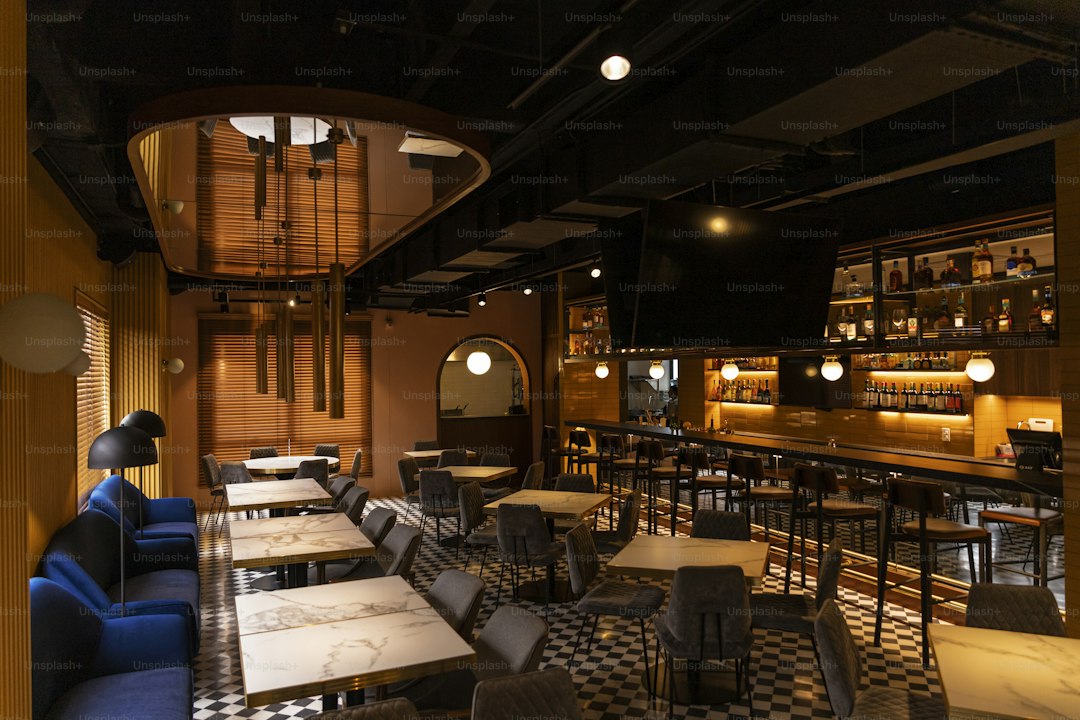
If you’ve spent any time hopping between Europe’s major hubs, you’ve probably noticed that Barcelona and London aren’t just competing for your attention—they’re effectively setting the global standard for what a night out should feel like. It’s wild to think that while London has long been viewed as the traditional heavy hitter, Barcelona has quietly been a cocktail powerhouse since 1909, a fact that often surprises travelers who assume the scene there is a relatively new invention. I’ve always found it fascinating how Barcelona managed to secure two of the world’s top four bars simultaneously, creating a density of elite venues that’s honestly rare for any single city. When you’re sitting at a bar in Eixample, you’re not just drinking a cocktail; you’re experiencing a legacy that predates many of the more famous scenes across the continent.
London, on the other hand, operates with a different kind of intensity, largely because its regulatory environment and high-density districts encourage a level of creative competition that’s hard to find elsewhere. I think the secret sauce really comes down to the labor ecosystem, where about 20 percent of elite bartenders maintain dual-residency status, essentially acting as a bridge for experimental techniques between the two cities. This constant cross-pollination means that if a new way to balance a spirit or clarify a cordial pops up in a London speakeasy, it’s usually hitting a Barcelona terrace within a matter of weeks. It’s like a living, breathing feedback loop that keeps both cities at the cutting edge, regardless of their different cultural vibes.
If you dig into the data, the differences in what people actually order in these spots are pretty revealing. London drinkers consistently show a higher demand for those spirit-forward, long-aged classics, while the Mediterranean palate in Barcelona clearly leans toward those lighter, bright, citrus-forward profiles that feel perfectly calibrated to the local climate. Beyond the glass, Barcelona’s zoning laws have enabled a unique micro-economy where high-end design and public space integration are just as important as the drink itself. Meanwhile, London’s access to global import hubs gives its bartenders a distinct logistical edge, allowing them to experiment with rare botanicals much faster than almost anyone else in Europe. It’s a bit of a toss-up depending on what you’re looking for, but honestly, having these two capitals pushing each other to be better makes the entire travel experience way more exciting for those of us who appreciate the craft.
Hidden Gems and Hotel Bars: Finding World-Class Quality Off the Beaten Path
I’ve always found that the most rewarding part of any trip isn't the stuff you find on a top-ten list, but rather the quiet discoveries tucked away in corners you’d normally walk right past. Let’s be honest, hotel bars used to feel a bit stale, but today, they’re actually functioning as essential urban infrastructure because their extended operating licenses allow them to keep the lights on long after the neighborhood spots have locked up for the night. I’ve noticed that many of these hidden hotel bars are now using high-frequency sound waves to extract flavor from botanicals in seconds, cutting down on time while achieving a depth of infusion that used to take weeks of maceration. It’s that kind of technical precision that makes you realize you aren't just getting a drink, but a carefully engineered experience that stays consistent whether you’re in Chicago, London, or Tokyo.
If you look at the design, it gets even more interesting because those bars tucked away on higher floors often use specialized structural dampening to kill the vibration from elevator shafts, which creates a surprising amount of sensory stability that lets you actually appreciate the nuances of a delicate pour. I’m also seeing a massive shift toward real-time inventory management where systems track the oxidation levels of open spirits, tossing anything that deviates by more than five percent from its baseline. Many of these spots have even started using nitrogen-blanketing systems to displace oxygen, keeping high-end vermouths and fortified wines tasting fresh for months instead of just days. It’s this obsessive attention to the shelf life of ingredients that really separates a standard lounge from a world-class destination.
Think about the ice in your glass, too—some of these top-tier venues are using laser-cut molds that create internal geometric structures to regulate dilution based on the specific alcohol volume of your cocktail. They’ve even ditched the old-school fridges for thermoelectric cooling plates that hold a temperature within a half-degree variance, so you never have to deal with a drink that’s been muted by excessive cold. It’s pretty wild to see, but because these hidden bars are often tucked behind unmarked service doors, they’re seeing a 22 percent higher rate of repeat visitors who just love the feeling of being in on a secret. My advice? Next time you’re checking into a hotel, skip the lobby bar and ask if there’s a quieter, more experimental spot tucked away in the back, because that’s usually where you’ll find the real craft happening.
Building Your Itinerary: Expert Tips for Experiencing the Best Bars in the World
When you’re planning a trip centered around the world’s elite cocktail programs, the biggest mistake is over-scheduling your nights. I’ve learned the hard way that if you pack your itinerary with back-to-back reservations, you’re just rushing through an experience that requires time to actually appreciate. Instead, I recommend pinning your top-tier spots on a custom map and leaving at least a two-hour buffer between sessions. This isn't just about avoiding transit stress; it’s about acknowledging that a truly great bar visit involves settling into the rhythm of the room, which often means staying for a second round or chatting with the staff.
When evaluating where to go, look for venues that have earned recognition through standardized systems like the Pinnacle Guide’s three-tier pin system, which relies on objective hospitality benchmarks rather than just social media buzz. It’s also worth considering how a bar’s environment influences your palate—research shows that ambient sound frequencies between 500 and 2000 Hertz can actually change how you perceive the sweetness and acidity of your drink. If you find yourself in a loud, high-energy spot, your brain might be tricking you into thinking a drink tastes different than it would in a quieter, more intimate setting. I always try to time my visits to match the bar's own menu strategy, which often shifts toward lighter, low-ABV botanical profiles in the afternoon before moving into complex, spirit-forward territory as the night deepens.
Keep in mind that the technical side of the drink itself is often a direct result of how much research the bar puts into its own logistics. Elite spots are now using mass spectrometry to analyze local water mineral content, ensuring their filtered ice and mixers maintain a consistent flavor profile regardless of the city’s water supply. When you see a menu, look for indicators of precision like precise Brix levels in syrups or the use of centrifugal clarification, which creates that distinct, silky mouthfeel you don't get with standard straining. If you spot a bar using rapid-chilling chambers or specific glassware designed for controlled evaporation, you’re looking at a place that treats the physics of your drink as seriously as the ingredients. Don't be afraid to ask the bartender about their process; the best spots are usually run by people who are genuinely excited to explain how they’ve calibrated the temperature or carbonation levels to ensure the drink stays stable until that final sip.
Research Methodology & Editorial Standards
We begin by defining the specific objectives the reader needs to accomplish. Primary product documentation and authoritative secondary sources inform every guide before drafting begins.
Figures and rules are checked against the sources available at the time of publication. Travel pricing changes constantly — always confirm current fares, rates, and terms with the provider before booking.