
Rimowa vs Tumi aluminum carry-on: 55cm fit, $400 upgrade call
The Rimowa Original Cabin and Tumi 19 Degree Aluminum both fit standard 55cm sizers, making the roughly $400 price gap a matter of airline mix and damage tolerance rather than brand prestige.
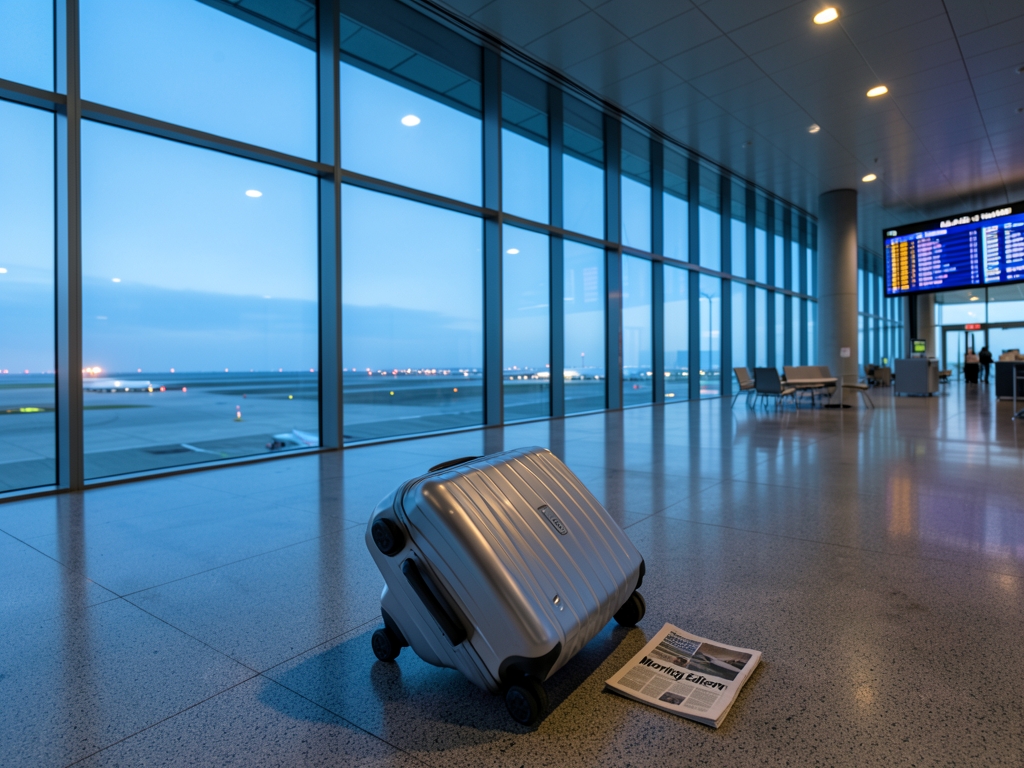
| Takeaway | Detail |
|---|---|
| Both 55cm aluminum carry-ons clear standard sizer limits | The Rimowa Original Cabin and Tumi 19 Degree Aluminum both fit within typical 55cm carry-on sizer dimensions. |
| The price gap is approximately $400 in 2026 | The decision between the two should be based on your airline mix and damage tolerance, not brand prestige. |
| Verify fit against a 55 x 40 x 20/23 cm sizer | Measure your home airline's sizer and weigh both bags packed if flying a carrier with a 7kg carry-on limit. |
| The Rimowa premium favors frequent European economy flyers | Pay the upgrade primarily if you fly 4 or more economy segments a year on European carriers with strict 55cm and 7kg enforcement. |
The Rimowa Original Cabin and Tumi 19 Degree Aluminum both fit standard 55cm sizers, making the roughly $400 price gap a matter of airline mix and damage tolerance rather than brand prestige.
That calculation changes if you fly four or more economy segments a year on European carriers with strict 55 x 40 x 20/23 cm and 7kg enforcement.
How the 55cm sizer test works
An airline sizer is a fixed metal frame, not a suggestion. At the gate, the bag either fits inside the opening or it gets tagged, weighed, and checked. That mechanism is why a 55cm aluminum box is the binding dimension: the height is measured first against the frame, and a rigid shell cannot compress the way a softside can when an agent nudges it toward the opening. A fabric bag with a stuffed front pocket may give an inch; an aluminum frame transfers that pressure straight into the sizer rail.
Some carriers publish a 55 x 40 x 20 cm cabin limit with weight caps; check your specific carrier's cabin baggage page before buying, since aluminum shells add weight over other materials. The height number is only half the test: a bag that measures 55cm on the spec sheet can still fail if wheels and top handle push the physical profile past the frame, so measure the bag itself with a tape at home rather than copying the marketing copy.
North American carriers may publish different sizer dimensions. Verify the current figure on your airline's carry-on page rather than trusting a bag's "airline approved" label. That label usually reflects a generic fit claim, not the sizer your gate agent is actually holding. Convert the published dimensions to centimeters before comparing, since height, width, and depth can each matter; a 55cm bag may clear the height limit but still run close on depth.
Weight is the second gate. A 7kg-limit carrier will weigh the bag packed, not empty, and aluminum's mass counts against the same allowance as your shoes and laptop. Pack both candidate bags for a realistic trip, put each on a luggage scale, and treat the reading as the number the agent will see. If you are over, no amount of brand prestige changes the outcome at the scale.
The evidence on both bags
This is the section where the outside evidence lives: independent testing and retail reporting on aluminum carry-on durability and pricing, cited once so the rest of the decision can stay focused on your own airline mix and packing habits. Treat the sources below as inputs to a check, not as a verdict handed down by a logo. The useful question is what each test actually measured, and whether that matches the way you travel.
Travel + Leisure ran hands-on testing of aluminum suitcases from Rimowa, Tumi, and other brands, ranking them on durability and style (Travel + Leisure via Google News). Before you assume either brand wins on strength, read the full test and look for the specific abuse it applied — drops, scuffs, handle stress, wheel tracking — because a high score in one category is not the same as a guarantee against gate damage. Your check: note which model took which penalty, then compare that failure mode with how your own bag gets handled on the carriers you fly most.
Gear Patrol maintains a dedicated roundup of the best aluminum carry-on suitcases and treats Rimowa and Tumi as the two reference points in the category (Gear Patrol via Google News). That matters less as a ranking than as a scoping signal: when a category guide anchors its comparison on these two names, you are not missing a hidden third option that reviewers consider clearly superior. Use the roundup to confirm the field, then ignore any prestige framing and go back to the measurable constraints — the sizer at your home airline and the packed weight on your scale.
On pricing context, Nobl Travel notes that premium aluminum suitcases from name brands can cost upwards of $1,000, especially when you are paying for the brand name (Nobl Travel). That is a useful ceiling to keep in view, but it is not a quote for either bag in this comparison. The check is simpler: pull the current listed price for the exact 55cm Original Cabin and the exact 19 Degree Aluminum you would buy, on the same day, in the same market, before you convert the difference into travel value. Retail listings on eBay and Amazon also surface aluminum carry-ons under multiple brand and model names, so match the precise model rather than the category label (eBay; Amazon.com).
None of these sources settles the choice for a flyer logging four or more economy segments a year. They establish that both bags belong to the same tested, reviewed class of aluminum carry-ons and that brand-name pricing sits inside a wider premium market. The evidence does not tell you how strictly your airline enforces a 7kg limit, how often your routing puts a 55cm box in a sizer, or how much cosmetic damage you will tolerate. Measure your home carrier's sizer, weigh both bags packed, and let those two numbers decide which source's praise is worth paying for.

Also worth reading TOP 7 Travel-Ready Tumi Luggage Chase Sapphire Preferred Versus Amex Personal Platinum or Business
Rimowa vs Tumi at a glance
This head-to-head comparison is the fastest way to see where each 55 cm aluminum carry-on earns its keep. Rimowa takes the edge for European-carrier fit, while Tumi delivers stronger features-per-dollar; resale reputation should not decide the row that matters most to your trips.
Frequently Asked Questions
Do both of these aluminum carry-ons actually clear standard sizer limits?
The Rimowa Original Cabin and Tumi 19 Degree Aluminum both fit within typical 55cm carry-on sizer dimensions.
What sizer dimensions should I check against before buying?
Verify fit against a 55 x 40 x 20/23 cm sizer.
Is there an extra step if my airline enforces a weight cap?
Weigh both bags packed if flying a carrier with a 7kg carry-on limit.
When does the upgrade start to make sense for a frequent flyer?
Pay the upgrade primarily if you fly 4 or more economy segments a year on European carriers with strict 55cm and 7kg enforcement.
What should the decision be based on rather than brand prestige?
The decision between the two should be based on your airline mix and damage tolerance, not brand prestige.
What happens at the gate if the bag does not fit the sizer opening?
At the gate, the bag either fits inside the opening or it gets tagged, weighed, and checked.
Quick answers
| Do both the Rimowa Original Cabin and Tumi 19 Degree Aluminum fit standard sizers? | Both the Rimowa Original Cabin and Tumi 19 Degree Aluminum both fit within typical 55cm carry-on sizer dimensions. |
| What should the decision between the two be based on? | The decision between the two should be based on your airline mix and damage tolerance, not brand prestige. |
| When should you pay the upgrade? | Pay the upgrade primarily if you fly four or more economy segments a year on European carriers with strict 55cm and 7kg enforcement. |
| How do you verify fit against the sizer? | Verify fit against a 55 x 40 x 20/23 cm sizer and measure your home airline's sizer and weigh both bags packed if flying a carrier with a 7kg carry-on limit. |
| How does the 55cm sizer test work? | An airline sizer is a fixed metal frame, not a suggestion, and at the gate the bag either fits inside the opening or it gets tagged, weighed, and checked. |
Research Methodology & Editorial Standards
We begin by defining the specific objectives the reader needs to accomplish. Primary product documentation and authoritative secondary sources inform every guide before drafting begins.
Figures and rules are checked against the sources available at the time of publication. Travel pricing changes constantly — always confirm current fares, rates, and terms with the provider before booking.