
Florida Alligator Safety: Stay 10 Feet Back, Skip Dusk Swims
It can work only if you can hold 10+ feet of dry land, keep a clear retreat route, and leave immediately if a gator changes position or if you cannot maintain that buffer.
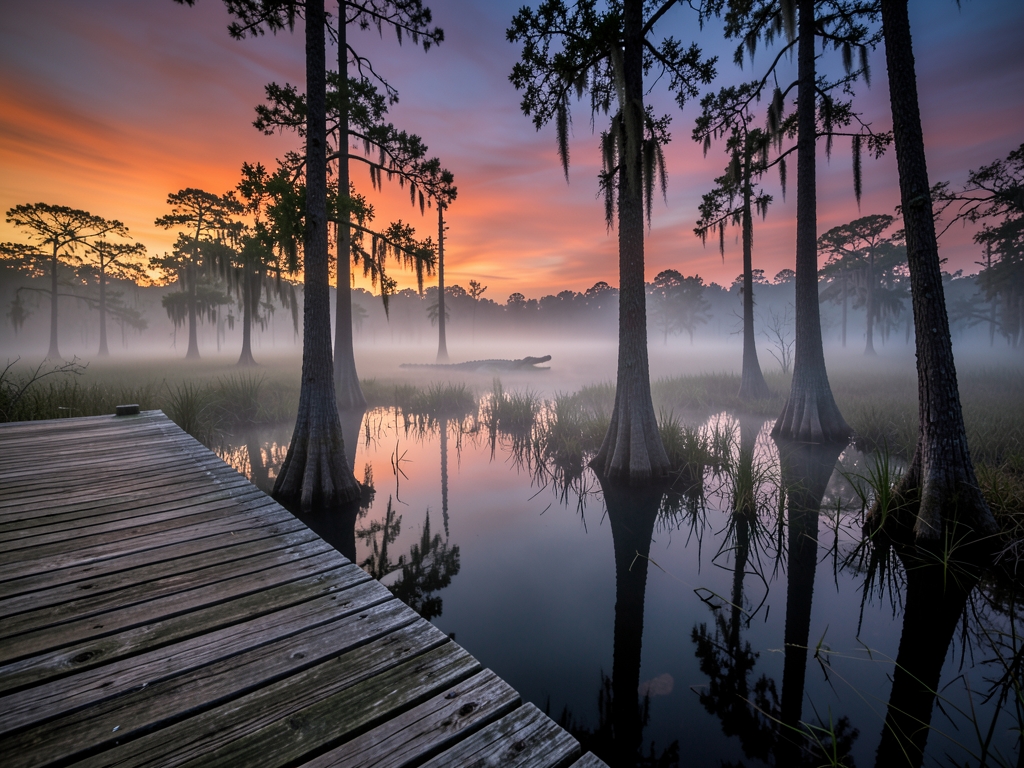
Airboat tours keep passengers on a boat deck, which can separate viewers from the water; confirm the operator's safety practices and whether the departure is in daylight. Rates vary by operator and departure point, so get a per-person quote before booking instead of trusting a listed "from" rate. Ask what that quote includes—duration, park or launch fees, and any child seating or height rules—so you are comparing the same trip.
Fenced attractions and boardwalk parks are the safest option for children and the only option where the 10-foot rule is enforced for you. Gators are behind barriers or viewed from elevated boardwalks, which removes the judgment call about distance and keeps the viewing experience predictable for families.
Wild-shoreline viewing is the least controlled option. It can work only if you can hold 10+ feet of dry land, keep a clear retreat route, and leave immediately if a gator changes position or if you cannot maintain that buffer. If the shoreline is narrow, vegetated, or crowded, treat it as a no-viewing spot rather than a close-up opportunity.
Winner: fenced or boardwalk viewing for families and first-time visitors, because it delivers the sighting without making you manage distance, terrain, or retreat. Choose an airboat tour when you want a guided, on-the-water experience and have confirmed the all-in per-person price; reserve wild-shoreline viewing for adults who can enforce the 10-foot rule without exception.
What Gator Safety Costs You
If you want a closer look, treat it as a single optional line-item in your trip budget rather than a safety requirement. Before you book, check current per-adult and per-child prices directly on operator websites, since operators in Everglades City, Homestead, and the Orlando area price their experiences differently. Compare quotes on the same basis by confirming whether gratuity, park entry, taxes, and any required reservations are included in the listed price, and note whether children, seniors, or Florida residents qualify for different rates.
The financial case for following the $0 rules is clearest when you consider the cost of being wrong. An encounter that violates distance or timing guidance can disrupt a trip through emergency medical care, canceled activities, transportation changes, and time spent coordinating with responders or lodging staff. Even when an outcome is not severe, the practical loss is measured in missed reservations and derailed plans—costs that far outweigh the effort of choosing a safer viewing setup or skipping a risky swim.
A simple pre-trip check keeps spending predictable: set your safety budget at $0, decide in advance whether you want one paid viewing experience, and verify the full out-of-pocket total before paying. If a lodging or activity places you in or at the edge of fresh water at dawn, dusk, or night, the cheapest adjustment is to change the plan, not to buy extra protection. In practice, disciplined behavior is the no-cost control, and any ticket you purchase should be for access and viewing—not for safety you can provide yourself.
What the Evidence Does Not Establish
The 10-foot distance rule is a practical minimum for travelers, but the available evidence does not establish it as a universal safety margin. Its reliability depends on where you are standing, what kind of water is nearby, and whether you can actually see the animal. Treating the rule as a fixed guarantee—rather than a baseline that breaks in specific conditions—creates gaps that matter most at the water’s edge.
| Situation | Does the 10-foot rule hold? | Safer practice |
|---|---|---|
| Alligator clearly visible on dry land | Yes, as a minimum distance | Stay 10+ feet back and keep a clear retreat path; increase distance if the animal moves or shows alert behavior. |
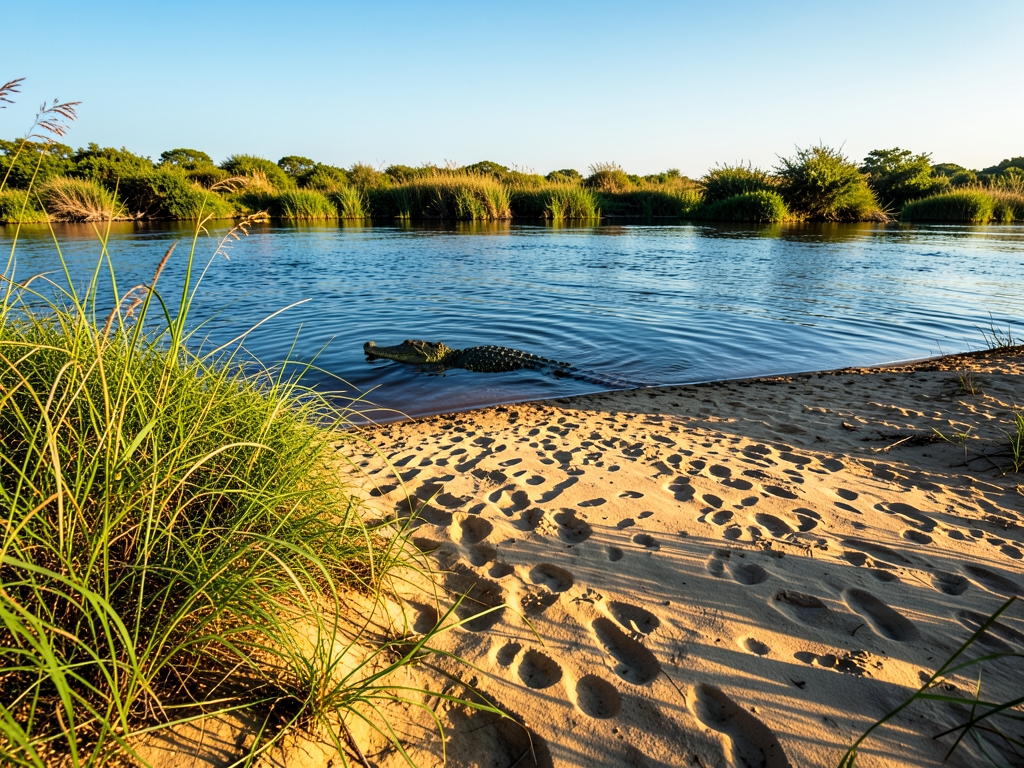
| Within 10 feet of a freshwater shoreline or waterline | No | Do not rely on distance alone; assume a submerged alligator may be present and keep well back from the water’s edge. |
| Brackish pond or lagoon (including on barrier islands) | Not established | Do not assume the water is alligator-free; check current conditions with park rangers or hotel staff before approaching. |
The most important edge case is the difference between an alligator on land and one that may be submerged. Treat the shoreline as a place where a submerged alligator may be closer than a visible one, so a margin that works on open, dry ground may not be enough at the water’s edge. Because an alligator can remain hidden below the surface, “10 feet back from a gator on land” is not the same as standing 10 feet from the waterline; keep well back and follow local guidance.
Habitat assumptions are another limit. The safety guidance most travelers encounter focuses on fresh water, but alligators tolerate brackish water as well. That means a pond or lagoon near the coast—especially on a barrier island—should not be treated as automatically safe simply because it is not a freshwater lake or swamp. Local conditions can change, and the evidence does not support a blanket rule for every brackish setting.
When a situation falls outside these clear cases, default to verification rather than assumption. Ask park rangers or hotel staff whether alligators have been observed in or near a specific body of water, and choose viewing points that keep a physical barrier, a boat deck, or ample dry land between you and the waterline.
A Worked Example: 3-Day Everglades Trip
A three-day Everglades trip becomes straightforward when you apply the same distance rule at three decision points: where you sleep, how you view wildlife, and how you spend time near the water’s edge. Treat each choice as a simple pass-or-fail check against two conditions—stay 10 or more feet back on dry land or behind a barrier or boat deck, and never enter fresh water between dusk and dawn.
Checkpoint 1 — Lodging: You are choosing between a lakeside rental on a freshwater canal and an inland hotel. The canal-front option places unsupervised freshwater shoreline just steps from your door, which raises exposure during early mornings and evenings. Apply the rule and pick the inland hotel, or choose a property with a fenced pool and no canal frontage. Before you book, confirm in the listing or with the host that there is no direct, unfenced access to a freshwater shoreline.
Checkpoint 2 — Activity: For wildlife viewing, book a daytime airboat tour instead of a self-guided sunset paddle. An airboat keeps you on the deck with a professional operator, delivering close views without putting you in the water. When reserving, confirm the departure is scheduled during daylight hours—not at dusk or after dark—and avoid any itinerary that involves swimming, wading, or launching your own craft into fresh water.
Checkpoint 3 — Downtime and walks: Between activities, use boardwalks, observation platforms, or marked trails that keep you on dry land. If you stop for photos near any freshwater edge, maintain at least 10 feet of distance and keep children and pets close. Plan shoreline walks for full daylight, and treat dusk and dawn as times to be indoors or in enclosed, managed areas away from the water.
| Checkpoint | Pre-booking check | Book or do this | Avoid this |
|---|---|---|---|
| Lodging | Is there unsupervised freshwater shoreline access? | Inland hotel or property with a fenced pool and no canal frontage | Lakeside rental with direct canal or shoreline access |
| Activity | Is the tour on a boat deck and scheduled in daylight? | Daytime airboat tour with a professional operator | Self-guided sunset or dawn paddle in fresh water |
| Downtime | Can you stay 10+ feet back on dry land? | Boardwalks, platforms, and daylight walks away from the edge | Freshwater swimming or shoreline lingering at dusk or dawn |

Decision Rules for Your Florida Booking
Use these if/then rules when you book, not after you arrive. The goal is to remove fresh-water exposure from the itinerary while keeping the wildlife experience intact.
If an activity puts you in fresh water—swimming, paddleboarding, or kayaking at dawn or dusk—then swap it for a boat-deck or barrier alternative. The wildlife is identical; the exposure is not. If you still want a close look from dry land, keep at least 10 feet back and do not enter the water.
If lodging fronts a freshwater lake or canal, then confirm a barrier or choose an inland property. If you keep the lakeside rental, then no shoreline walks with kids or dogs at dusk, and treat the water's edge as off-limits after dark.
If you are driving Alligator Alley, then view alligators from the car or a fenced or official viewing point. Do not stop on the shoulder to approach the water, and do not let children or pets near the bank.
| If your booking... | Then... |
|---|---|
| puts you in fresh water at dawn or dusk | swap to a boat-deck or barrier viewing option |
| fronts a freshwater lake or canal | confirm a barrier or choose inland; if you keep it, no dusk shoreline walks with kids or dogs |
| includes driving Alligator Alley | view from the car or a fenced or official stop; do not approach water from the shoulder |
If a plan fails any of these tests, then change the booking before travel: move the activity to a deck or barrier setting, move the stay inland, or replace a roadside stop with a paid, fenced viewing option.
Also worth reading 7 Hidden Temples of Siem Reap That Avoid Airline Fee Surprises Keep Hawaii's Tourism Authority Faces
What to do next
Frequently Asked Questions
What conditions must wild-shoreline viewing meet to be viable?
It can work only if you can hold 10+ feet of dry land, keep a clear retreat route, and leave immediately if a gator changes position or if you cannot maintain that buffer.
Which viewing option enforces the 10-foot rule for you?
Fenced attractions and boardwalk parks are the safest option for children and the only option where the 10-foot rule is enforced for you.
What should an airboat quote include before you compare trips?
Ask what that quote includes—duration, park or launch fees, and any child seating or height rules—so you are comparing the same trip.
When is an airboat tour the right choice?
Choose an airboat tour when you want a guided, on-the-water experience and have confirmed the all-in per-person price.
When should a shoreline be treated as a no-viewing spot?
If the shoreline is narrow, vegetated, or crowded, treat it as a no-viewing spot rather than a close-up opportunity.
What should you confirm about an airboat departure before booking?
Airboat tours keep passengers on a boat deck, which can separate viewers from the water; confirm the operator's safety practices and whether the departure is in daylight.
Quick answers
| What should you confirm before booking an airboat tour? | Confirm the operator's safety practices and whether the departure is in daylight. |
| How should you handle listed "from" rates for airboat tours? | Get a per-person quote before booking instead of trusting a listed "from" rate. |
| Why are fenced attractions and boardwalk parks the safest option for children? | They are the only option where the 10-foot rule is enforced for you, with gators behind barriers or viewed from elevated boardwalks. |
| When can wild-shoreline viewing work? | It can work only if you can hold 10+ feet of dry land, keep a clear retreat route, and leave immediately if a gator changes position or if you cannot maintain that buffer. |
| Which viewing option is recommended for families and first-time visitors? | Fenced or boardwalk viewing is the winner because it delivers the sighting without making you manage distance, terrain, or retreat. |
Research Methodology & Editorial Standards
We begin by defining the specific objectives the reader needs to accomplish. Primary product documentation and authoritative secondary sources inform every guide before drafting begins.
Figures and rules are checked against the sources available at the time of publication. Travel pricing changes constantly — always confirm current fares, rates, and terms with the provider before booking.