
Driving Highway 120 to Yosemite: Tioga Road Season and Fee Checks
Driving Highway 120 into Yosemite during the late-May-through-November Tioga Road season requires Yosemite’s per-vehicle entrance pass.
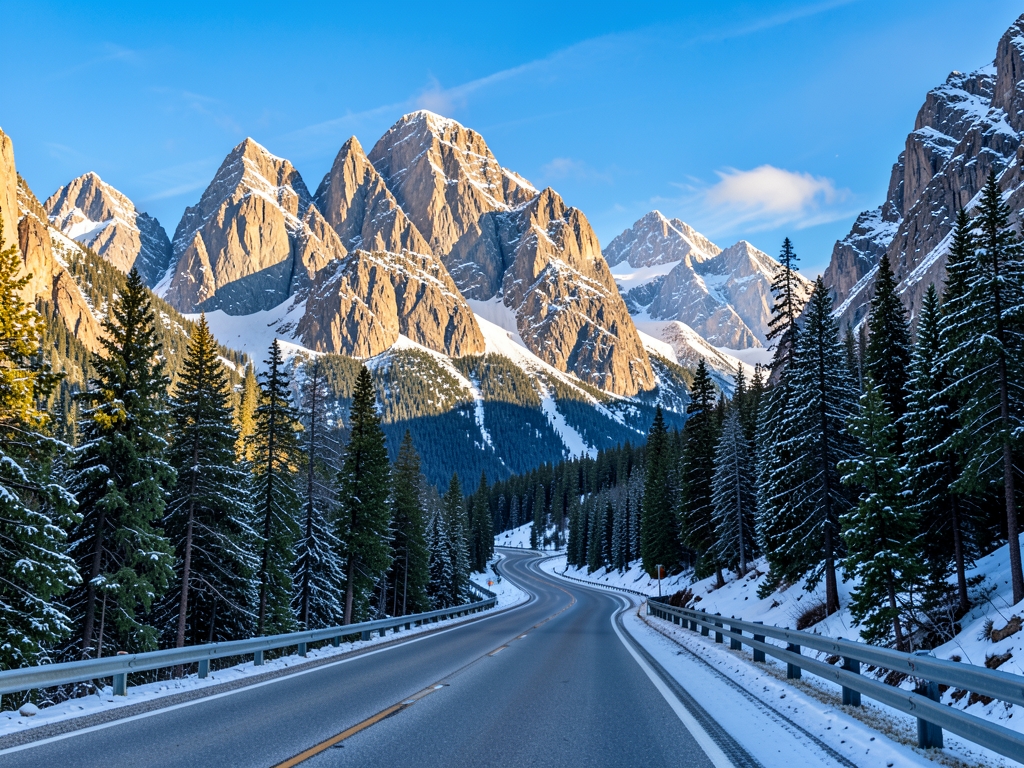
Driving Highway 120 into Yosemite during the late-May-through-November Tioga Road season requires Yosemite’s per-vehicle entrance pass. Confirm the current per-vehicle fee on nps.gov/yose’s “Fees & Passes” page before you go rather than treating any published rate as guaranteed.
Access and timing depend on Tioga Road's seasonal opening, so confirm current road status and fees before your trip.
How the $35 Fee and Tioga Season Work
The Highway 120 Big Oak Flat entrance station is where Yosemite’s per-vehicle entrance fee is collected. Because entrance fees and pass terms can change, confirm the current per-vehicle amount and pass terms on the NPS Yosemite “Fees & Passes” page before you drive.
The “late May through November” window in the headline is the Tioga Road (Highway 120 East) season, not a separate fee season. That high-elevation stretch of Highway 120 opens after snow removal and closes when winter conditions return, so the exact opening and closing dates move with weather and road work. Check the NPS road-status information for your dates instead of relying on a fixed calendar assumption.
If your trip falls in that window, budget the current per-vehicle entrance fee and expect to pay it at Big Oak Flat when entering from the west on Highway 120. Because the pass is tied to the vehicle and a seven-day period, one payment covers the occupants for up to seven days; route choice and timing remain separate planning decisions from the entrance charge itself.
Before leaving, verify two things: the current per-vehicle fee on nps.gov/yose under “Fees & Passes,” and whether Tioga Road is open for your travel dates. The fee page is where changes are announced first, while road-status updates show seasonal openings and closures.
| Check before driving | Where to verify | Why it matters |
|---|---|---|
| Current per-vehicle entrance fee | NPS Yosemite “Fees & Passes” page | Fee changes are announced there first |
| Tioga Road (Highway 120 East) status | NPS road-status information | Opening and closing dates vary with conditions |
| Seven-day pass coverage | Entrance station at Big Oak Flat | One vehicle pass covers all occupants for seven days |
The Evidence: Sources Behind the Season
The evidence for a late-season Highway 120 trip comes from three independent sources, and they agree on the practical conclusion: November is a short-day, high-country-access month, not a casual add-on to a valley visit. weather-us.com's Yosemite November forecast supplies the hard seasonal numbers; the NPS Yosemite page establishes the park's scale and protected status; and Tripadvisor traveler threads show the recurring planning question is whether Tioga Road access and west-side timing still work in late fall. None of those sources should be read as a promise about a specific closure date, but together they frame the decision as timing first, route second.
weather-us.com lists sunrise at 7:24 am and sunset at 5:58 pm PDT on November 1 in Yosemite National Park, California. That is a 10-hour-34-minute driving day (7:24 am to 5:58 pm), and it is the single most decision-relevant figure for a November Highway 120 trip. If you are entering from the west side, that window has to cover the drive, any high-country stops, and the return; planning backward from sunset is safer than assuming a full day of usable light.
The NPS page notes that Yosemite was first protected in 1864 and covers nearly 1,200 square miles. At that scale, a one-day visit cannot realistically include the valley, Tioga Road, and the sequoia groves; the size of the park is the reason a multi-day visit is the normal planning unit. Use the NPS fees page to confirm the current per-vehicle rate and pass terms before you go, because that is the figure that changes with policy.
The same sources point to a seasonal pattern rather than a fixed calendar: November sits at the tail of the Tioga Road season window used for this guide, and a December trip falls outside that window unless NPS posts otherwise. Traveler threads from November trips ask about west-side access and conditions, which is a useful reminder that the question is operational, not theoretical. Treat any "open in November" statement as a status to verify, not a guarantee; check current road conditions and alerts on nps.gov before committing to Highway 120.
A practical way to use this evidence is to separate what is stable from what is volatile. The sunrise and sunset times are a dated forecast figure; the park's 1864 protection and nearly 1,200 square miles are long-standing facts; the entrance fee, road status, and exact seasonal dates are volatile and should be checked on the NPS site. If Highway 120 is not viable for your dates, the fallback is a lower-elevation route, but that comparison belongs to the route section rather than this evidence summary.
| Source | Supports | Verify before travel |
|---|---|---|
| weather-us.com November forecast | Nov 1 sunrise 7:24 am, sunset 5:58 pm PDT; 10h34m driving day | Current forecast and road weather |
| NPS Yosemite page | First protected 1864; nearly 1,200 sq mi | Fees, passes, alerts, road status |
| Tripadvisor traveler threads | November access and west-side timing questions | Recent trip reports and conditions |
Route Options Compared: 120 vs 140 vs 41
For a trip during the late-May-through-November Tioga Road season, the three western approaches serve different jobs: Highway 120 through Big Oak Flat is the seasonal high-country route, Highway 140 through El Portal is the all-season fallback, and Highway 41 is the third western option.
Highway 120 is the winner for Bay Area and Northern California drivers in that season. It offers the shortest approach from the Bay Area and is the only western route that also connects to Tioga Road over the Sierra, but it is the route with the December winter closure. If your itinerary depends on Tioga Road, build the plan around this entrance and confirm that the seasonal road is open before you leave.
Highway 140 is the all-season fallback. Active NorCal reports California is building a "$400 Million Shield" over what it calls the most dangerous road into Yosemite. Read that as context for the El Portal approach: it signals a major safety project on a consequential route, not a guarantee about conditions on your travel date.
Highway 41 is the third western option. Use it when your origin, lodging, or valley plan favors that side of the park, and verify current road and entrance conditions before committing, because seasonal and construction factors can change which approach is practical.
If any row in the "breaks" column applies, the rule is not established for your trip even if the calendar says late May through November. The safe method is to verify road status, fee, and controls in the drive week, then decide.
A November Weekend via 120
For a November weekend on Highway 120, start by treating the day as a fixed daylight budget using the November 1 sunrise and sunset cited above. Plan for one vehicle and verify the current per-vehicle entrance fee on nps.gov/yose's fees page before you go; treat the drive time from San Francisco or Oakland to the Big Oak Flat entrance as an estimate to check in Google Maps with live traffic.
The itinerary should use checkpoints rather than loose targets: set a departure time, aim to reach the Big Oak Flat entrance with enough margin to reach Yosemite Valley before the return window, and begin the return drive while daylight remains. Use live traffic estimates and the actual sunrise and sunset for your travel date to set those checkpoints.
| Checkpoint | Target | Cost of being wrong |
|---|---|---|
| Wheels rolling | 7:00 am | A late start compresses every later checkpoint. |
| Big Oak Flat entrance | 10:30 am | Late arrival costs valley time; early arrival only banks time. |
| Yosemite Valley | Noon | Missing it pushes the return into the shorter afternoon. |
| Begin return drive | Before sunset | Late return risks driving after the 5:58 pm sunset. |
At the Big Oak Flat entrance, pay the per-vehicle fee by the 10:30 am checkpoint and keep the receipt for all 7 days. The cost of timing errors runs in both directions: a late outbound leg steals time from Yosemite Valley, while a late return steals from the drive out, because the same daylight has to cover both. If you arrive earlier than 10:30 am, you gain valley time but do not gain extra daylight; if you arrive later, you pay the same fee for a shorter visit.
Use the 5:58 pm sunset as the hard backstop for the return, not as a target. If your actual travel date is not November 1, replace the 7:24 am and 5:58 pm figures with that date's sunrise and sunset, and recheck the drive-time estimate before you leave. The fee and traffic are the two numbers most likely to change; verify both rather than carrying these figures forward.
Decision Rules for Your Dates
If your trip dates fall between late May and mid-October, drive Highway 120 and pay the per-vehicle pass at the Big Oak Flat entrance. For that window, the Tioga Road season rule holds, and no chain contingency is needed. Before you go, confirm the exact dollar amount on nps.gov/yose's fees page; the published per-vehicle rate is the figure most likely to change.
If your dates are in November, Highway 120 can still be the right choice, but compress the day. Use the November 1 sunrise and sunset cited above as a daylight budget for your planning, and check Caltrans QuickMap the morning of departure; keep the itinerary short enough that you are not driving high-country roads in the dark.
If Caltrans or NPS shows Tioga Road closed, or shows R2 or R3 chain controls, for your travel date, do not drive Highway 120 at all. Switch to Highway 140 instead. That is the one hard stop in these rules: a closure or an R2/R3 control means 120 is not the approach for that day, regardless of how convenient it looked when you planned the trip.
Apply the rules in this order: first decide whether your dates are inside the late-May-to-mid-October window; if they are not, decide whether they are in November; then check road status on the morning you travel. The fee check and the road-status check are the two actions that keep the plan current, because both can change while the route logic stays the same.
If November weather or road status makes the 10:30 am to 4:00 pm window unrealistic, use Highway 140 rather than stretching the 120 itinerary. The fallback is not a lesser version of the same trip; it is the route to use when the 120 rules fail.
Also worth reading Driving Tioga Pass in 2026: Late-May Tioga Pass Reopening: How to Verify Tioga Pass Drive: Verify the ~$35
What to do next
| Step | Action | Why it matters |
|---|---|---|
| 1 | Confirm your dates fall within the Tioga Road (Highway 120) season, late May through early November, and note the November 1 daylight window before setting drive times. | Seasonal access and daylight determine whether chain and sunset rules apply. |
| 2 | Verify the current per-vehicle entrance fee on nps.gov/yose's fees page and budget for the standard 7-day pass. | The published rate is the one number that can change without notice. |
| 3 | Enter Yosemite via Highway 120's Big Oak Flat entrance before 10 am. | Early entry is the recommended timing for this route. |
| 4 | If your dates are November or after the first snowfall, carry chains and plan to be off Tioga Road by sunset. | Winter conditions can close or slow the high-country route. |
| 5 | Check current conditions related to California's $400 million shield construction on a dangerous road into Yosemite before departure. | Active construction may affect travel conditions on routes into the park. |
| 6 | Recheck the fees page and road status on your travel day. | Entrance fees and seasonal access can change without notice. |
Frequently Asked Questions
Where is the per-vehicle entrance fee collected when entering Yosemite from the west on Highway 120?
The per-vehicle entrance fee is collected at the Highway 120 Big Oak Flat entrance station.
Is the late May through November window a separate fee season for Yosemite?
No, the late May through November window refers to the Tioga Road (Highway 120 East) season, not a separate fee season.
Why do the exact opening and closing dates for Tioga Road vary each year?
The exact opening and closing dates move with weather and road work because this high-elevation stretch opens after snow removal and closes when winter conditions return.
Where should I confirm the current per-vehicle entrance fee and pass terms before driving to Yosemite?
You should confirm the current per-vehicle entrance fee and pass terms on the NPS Yosemite “Fees & Passes” page at nps.gov/yose before you go.
Does a single Yosemite entrance pass payment cover all occupants of a vehicle?
Yes, because the pass is tied to the vehicle, one payment covers the occupants for the full duration of the pass period.
How can I verify whether Tioga Road will be open on my planned travel dates?
You should check the NPS road-status information for your dates instead of relying on a fixed calendar assumption.
Quick answers
| Where is Yosemite’s per-vehicle entrance fee collected when entering via Highway 120? | The per-vehicle entrance fee is collected at the Highway 120 Big Oak Flat entrance station. |
| What does the late-May-through-November window refer to? | It refers to the Tioga Road (Highway 120 East) season, not a separate fee season. |
| Why do the exact opening and closing dates of Tioga Road vary? | The exact dates move with weather and road work because that high-elevation stretch opens after snow removal and closes when winter conditions return. |
| Where should drivers confirm the current per-vehicle entrance fee before their trip? | Drivers should confirm the current per-vehicle fee and pass terms on the NPS Yosemite “Fees & Passes” page before they go. |
| How long does one per-vehicle entrance pass cover the vehicle's occupants? | Because the pass is tied to the vehicle and a multi-day period, one payment covers the occupants for that entire period. |
Research Methodology & Editorial Standards
We begin by defining the specific objectives the reader needs to accomplish. Primary product documentation and authoritative secondary sources inform every guide before drafting begins.
Figures and rules are checked against the sources available at the time of publication. Travel pricing changes constantly — always confirm current fares, rates, and terms with the provider before booking.