
Route 66 Oklahoma road trip: how to budget gas, motels and food per day
This guide breaks a 2026 Route 66 Oklahoma road trip into a working $85-a-day per-person baseline covering gas, motels, and food.
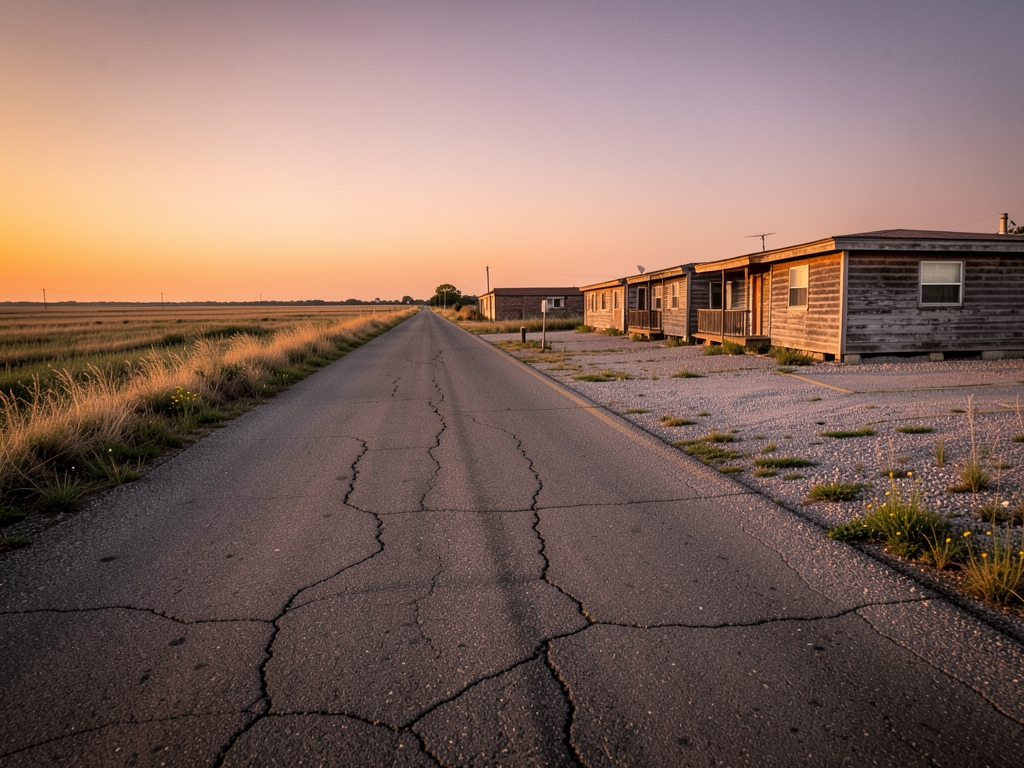
This guide breaks a 2026 Route 66 Oklahoma road trip into a working $85-a-day per-person baseline covering gas, motels, and food.
It explains how Oklahoma's costs, which run as much as 40% below the national average, support that figure — and which components you must re-verify against live 2026 prices before booking.
How an $85/day budget actually works
The $85-per-day figure works as a planning baseline, not as one blended pool of money. Break it into three line items — fuel, lodging, and food — and verify each one against its own market before you commit to any booking. The three move on different clocks: fuel on weekly gas-price cycles, motels on local event calendars, and food on your own choices. A single blended number hides which component failed, and the component that fails quietly is the one that ends up breaking the trip.
Fuel is the most predictable of the three because you can compute it rather than guess it. Take each route segment's mileage and divide it by your vehicle's real miles per gallon — the number from your own fill-up history, not the window sticker — to get that segment's gallons. Multiply those gallons by the live Oklahoma gas price for the towns and dates you will actually pass, then recheck pump prices in the week before departure. Work segment by segment instead of averaging the whole route, because both distances and pump prices shift as you cross the state.
Lodging is the least predictable. Divide the nightly rate you are quoted for your exact travel dates by the number of nights you will stay, and confirm the town's event calendar for those same dates before assuming the quote holds. Corridor towns with limited room supply can reprice a single night when something is happening locally, and the rate can differ night to night within one stay, so ask for each night's rate separately and in writing.
Food is the line item you control most directly, which also makes it the easiest to estimate badly. Build the daily number from your own habits — groceries versus counter service versus sit-down meals — then spot-check menu prices at two or three specific places you plan to stop. A per-day food figure you cannot trace back to a place you will actually eat at is a guess, not a budget line.
| Line item | What moves it | How you verify it |
|---|---|---|
| Fuel | Weekly gas-price cycles; segment mileage; your vehicle's real MPG | Segment miles ÷ your real MPG = daily gallons, then × the live price for that corridor town and date |
| Lodging | Local event calendars; limited room supply in small corridor towns | Per-night quote for your exact dates × nights, confirmed night by night |
| Food | Your own choices: groceries, counter service, sit-down meals | Estimate from your own daily spending, then check specific menus you plan to use |
Keep the three figures separate all the way through booking. When one line item runs above your plan, the other two have to absorb the difference, so confirm each component against live quotes for your own travel dates before you pay for anything nonrefundable.
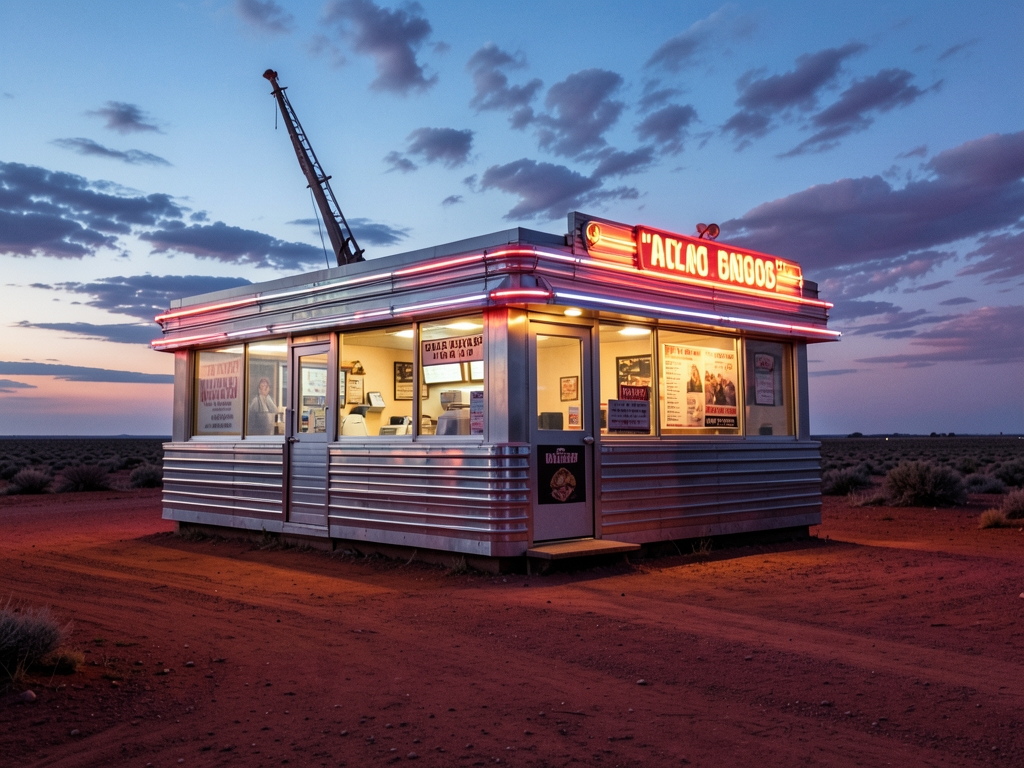
The evidence behind the baseline
The $85-per-day baseline does not rest on guesswork. It rests on two documented facts about Oklahoma that, taken together, explain why a Route 66 drive through the state can be planned below national averages. The first is cost of living. Oklahoma.gov states that Oklahoma living costs are as much as 40% lower than the national average. That figure is the strongest single grounding fact behind a sub-$100-per-day road-trip baseline, because fuel, food, and lodging all draw on the same local labor, land, and retail markets that drive general living costs down. Read the claim precisely, though: it measures general living costs across the state, not tourist-corridor prices along Route 66 specifically. A motel room near a popular stretch of the corridor can still price above what the statewide average implies, which is exactly why the baseline is a starting point for verification rather than a booking number.
The second fact is geographic. Wikipedia's Geography of Oklahoma documents that the state contains 10 distinct ecological regions, more per square mile than any other state by a wide margin. For a road trip, that density has a practical consequence: your drive crosses visibly changing terrain, from the arid plains of the Panhandle through central cross timbers to the subtropical forests and mountains of the east. You are not paying a single regional price for the whole run. Terrain changes, and so do the towns, the lodging stock, and the food options that sit beside them.
That distinction is the check this section gives you. Before you treat the baseline as real for your dates, confirm that the two grounding facts still describe the ground you are driving on. Pull current statewide cost-of-living comparisons and confirm the gap still runs in Oklahoma's favor. Then map your actual route against the ecological regions and note where terrain shifts — those transition points are where lodging supply thins and prices can firm up. If either check fails for your itinerary, the baseline needs adjusting before you book, not after.
| Grounding fact | Source | What it justifies | What it does not confirm |
|---|---|---|---|
| Living costs as much as 40% lower than the national average | Oklahoma.gov | A below-average daily budget is plausible statewide | Tourist-corridor motel, fuel, or food prices for 2026 |
| 10 distinct ecological regions, more per square mile than any other state | Wikipedia, Geography of Oklahoma | Terrain and town character change across the drive | Any specific price, rate, or fee along the route |
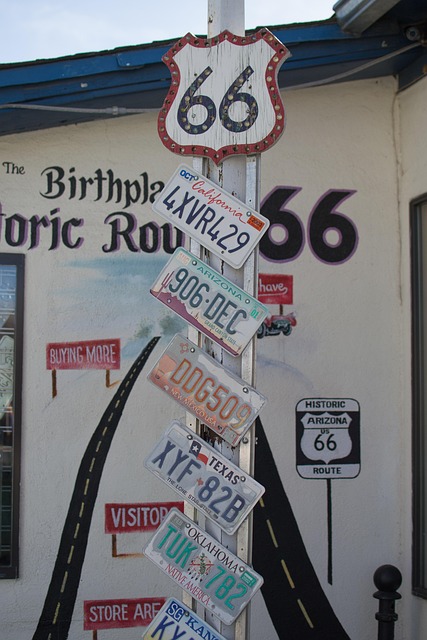
Budget options compared
Once the baseline is set, the practical question is which spending tier actually fits your trip. Run the same three components — fuel, lodging, food — at three levels and the tiers separate cleanly. Budget travel means independent or budget-chain motels, counter-service meals, and the most fuel-efficient car you can rent or bring. Comfort travel means a named-brand motel every night and sit-down meals. Standard sits between: a mid-range motel, a mix of diner breakfasts and grocery-store lunches, and the same car either way.
The winner for a solo or paired traveler on a defined Oklahoma corridor itinerary is Standard. It buys you lodging that isn't the cheapest option on the strip — which matters when a summer evening puts you in a town where the budget properties are the first to fill — while keeping food costs honest through the diner-and-grocery mix. Comfort's per-day premium buys repeatable quality, not more Route 66; nothing between Elk City and Tulsa requires it.
Budget wins under exactly two conditions: you travel alone and you pre-book every motel night. Solo, you carry the whole room rate yourself, so the cheaper property is the only lever that moves your daily total — and pre-booking is what protects it, because walk-in budget rates in corridor towns rise fastest when a local event compresses supply. Skip either condition and the Budget advantage evaporates.
For two people traveling together, the ranking flips. Sharing a room splits the largest single line item in half, which pulls the Standard tier's per-person cost below the Budget tier for a paired traveler. The check is simple: before choosing Budget for a two-person trip, quote one mid-range room and one budget room for the same night, divide each by two, and add the identical food estimate. If the mid-range room's per-person share lands under the budget room's, book Standard.
Whichever tier you pick, hold it to your travel dates. As detailed above, Oklahoma's statewide living-cost advantage is why a below-average daily budget is plausible, but that advantage shows up unevenly across lodging, fuel, and food, and motel rates on the corridor move with the season. Quote all three components for your exact nights before committing, and re-quote if your dates shift.
Costs and numbers that matter
The arithmetic is simple enough to run before you leave, and running it tells you where to spend your verification time. Take a 300-mile driving day at 30 MPG: that is 10 gallons of fuel. Multiply 10 gallons by whatever pump price you confirm live for your travel dates, and fuel lands as the smallest of the three line items on most days. Lodging and food dominate the total, so that is where your re-verification effort belongs. Treat this as a method example, not a sourced price — the only number you should trust is the one you pull yourself.
The lodging share is the number that matters most. In a two-person car splitting one room, lodging runs roughly half the daily budget. That means a $20-per-night difference in the motel rate moves per-person daily cost by about $10 — more than any realistic fuel swing you will see across Oklahoma. Run the check yourself: divide the nightly rate by two, and compare that figure against your food and fuel estimates. If lodging alone eats half the budget before you have bought a meal, the day is already over baseline.
Set a 20% variance threshold as your go/no-go rule. Add your three verified line items — fuel, lodging, food — and compare the per-person daily total against the $85 baseline. If any single component exceeds its planned share by more than 20%, stop and rework the day before you book: shift the overnight stop, change the meal plan, or shorten the driving segment. A component that runs 20% over is a signal, not a rounding error, because the three line items move on different markets and one hot rate can drag the whole day past budget.
The state's below-average cost structure gives the baseline room to breathe, but as documented in the evidence section above, that fact justifies the planning figure — not any specific 2026 motel rate. Corridor properties price against their own local demand, and a single sold-out weekend can push a room well past what the state average implies. Verify each component against live quotes for your exact dates before committing, and let your 20% variance threshold — not the state average — make the final call.
What the evidence does not establish
Before you lock in that $85/day figure, be honest about what the evidence does and does not establish. No source in the available sources publishes 2026 motel rates along the Oklahoma Route 66 corridor, current Oklahoma fuel prices, or restaurant costs in towns like Claremore, Elk City, or Miami. The $85/day baseline is a planning number built from the Oklahoma.gov cost-of-living fact (living costs up to 40% below the national average) plus a method for splitting it into components — it is not a quoted market rate for your travel dates.
That 40% figure also needs careful handling. Oklahoma.gov measures statewide living costs, which blend urban, rural, and suburban pricing. Tourist-corridor towns with landmark motels and Route 66 attractions can price above the state average, because you are paying for location and character, not groceries. So treat the 40% as a reason to expect below-average costs, and then check the specific towns on your itinerary rather than assuming the discount transfers intact.
Here is the explicit list of what 2026 pricing the available sources cannot confirm, and how to check each one. First, lodging: pull live rates from booking platforms for each motel on your route, for your exact nights, and confirm directly with the property — small Route 66 motels often quote lower rates by phone than through third-party sites. Second, fuel: check current Oklahoma gas prices on a fuel-price tracker the week you travel, since volatility makes any figure months old useless. Third, food: browse the posted menus of the actual diners and cafes on your itinerary; most publish prices online.
Run this verification close to your travel date, not at the planning stage. Season and events move corridor prices — a festival weekend in a Route 66 town can push motel occupancy and rates well past what a baseline assumes, so search for local event calendars for your dates before booking.
The practical rule: if live quotes for fuel, lodging, and food all come in at or below the component figures you derived from the baseline, book with confidence. If any one component exceeds it, adjust that line item, not the whole budget — and if lodging overshoots, shift a night to a different corridor town rather than abandoning the trip.
And budget worksheet
Here is the worksheet I use, in three lines. Copy it, fill it in, and re-run it the week you book — not the week you drive. The structure only works if every line gets a live 2026 number before you commit.
Notice the arithmetic in the fuel line, because it is the one place readers slip. 1,200 miles at 30 MPG is 40 gallons. With two travelers sharing the tank cost, each person's fuel line is 40 gallons times the live price, divided by two. If you are driving solo, skip the division — your fuel line doubles, and the $85 baseline needs to absorb that before you add anything else.
The lodging line works the same way but fails differently. Oklahoma's costs run well below the national average — the state's own site notes living costs as much as 40% lower — but corridor motel rates are the component most likely to break the baseline, so the checkpoint matters more than the estimate. Verify all three nights separately: a cheap first night does not rescue an expensive third one.
The food line is deliberately left blank. I will not hand you a number here, because it is the one input you can verify for free in ten minutes — pull the menus of the diners and cafes along your actual segment and set the daily figure from what you see. That makes it the most accurate line on the sheet, and it anchors the other two when their live quotes come in above plan.
Run the completed worksheet once when booking and once again the week before departure. If any single line moves enough to push the per-day total off your baseline, adjust the component — swap a motel night, not the whole trip.
Decision rules for your 2026 trip
The baseline only works if you attach a decision to each number instead of treating $85 as a ceiling you either hit or miss. Start with lodging, because it is the component most likely to break the plan. Pull live quotes for your exact 2026 travel dates in each corridor town you intend to sleep in, add the taxes and fees the quote screen shows at checkout, and divide the nightly total by the number of people sharing the room. If that per-person figure lands under the lodging line item in your three-component split, keep the $85/day baseline intact and bank the difference toward an extra night in Tulsa or Clinton rather than upgrading meals or fuel along the way.
Run the same test on fuel and food before you judge the day. Fuel is a function of miles driven and the pump price in the towns you actually pass through, so check current prices at stations on your route rather than a statewide average. Food is the easiest line to control: a grocery-store breakfast and a packed lunch pull the daily food figure down far enough that a single sit-down dinner still fits. If all three verified components sum to $85 or less per person, you have a working day and no reason to touch the plan.
When a day fails, re-cut the day — do not raise the budget. If any single day's verified total exceeds $85 per person by more than 20%, the fix is structural: shorten that segment so you burn fewer gallons, move the overnight stop to a cheaper town on the corridor, or replace one restaurant meal with grocery-store food. Raising the whole trip budget to cover one bad day inflates every other day and hides which component actually broke. Isolate the overage, name the component, and change only that.
Sharing rooms changes the arithmetic more than any other variable. The $85 figure is per person, and lodging is the line item that splits. Two travelers in one room divide that nightly rate in half before it counts against either person's baseline; three or four travelers divide it further. Judge the baseline only after that division, because a room that looks expensive per night can still sit comfortably under the per-person lodging line once two people share it. Solo travelers carry the full rate alone and should expect lodging to consume the largest share of their $85.
Write the rules down before you book: verify each component against live quotes for your dates, keep the baseline when lodging divides under its line item, bank the surplus toward an extra night in Tulsa or Clinton, and re-cut any day that runs more than 20% over rather than lifting the budget. The statewide cost-of-living evidence above makes the baseline plausible — but plausible is not verified, and only your own dated quotes close that gap.
Also worth reading Savvy travelers find steep fuel How to find the cheapest gas prices Discover why Oklahoma is the heart
What to do next
Frequently Asked Questions
Why is it risky to treat the daily budget as one combined pool?
Because the baseline works as a planning figure rather than a blended pool, and a single blended number hides which component failed.
Which miles-per-gallon figure should I use when estimating fuel costs?
Use the miles per gallon from your own fill-up history, not the window sticker.
How far in advance should I recheck gas prices before leaving?
Recheck pump prices in the week before departure.
Should I average fuel costs across the entire route?
Work segment by segment instead of averaging the whole route, because both distances and pump prices shift.
What causes motel prices to change during trip planning?
Motels move on local event calendars.
Do I need to verify each budget category separately before booking?
Break the baseline into fuel, lodging, and food, and verify each one against its own market before you commit to any booking.
Quick answers
| What is the guide's per-person daily baseline for a Route 66 Oklahoma road trip? | The guide's per-person daily baseline covers gas, motels, and food, and is a planning baseline rather than one blended pool of money. |
| How should that daily baseline be handled? | Break it into three line items — fuel, lodging, and food — and verify each one against its own market before you commit to any booking. |
| What different clocks do those line items move on? | Fuel moves on weekly gas-price cycles, motels on local event calendars, and food on your own choices. |
| How do you budget fuel segment by segment? | Take each route segment's mileage and divide it by your vehicle's real miles per gallon from your own fill-up history to get that segment's gallons, then multiply those gallons by the live Oklahoma gas price for the towns and dates you will actually pass. |
| What must you recheck in the week before departure, and what does Oklahoma's cost advantage support? | Recheck pump prices in the week before departure, and Oklahoma's costs, which run as much as the stated below-national-average percentage, support the guide's per-day baseline. |
Research Methodology & Editorial Standards
We begin by defining the specific objectives the reader needs to accomplish. Primary product documentation and authoritative secondary sources inform every guide before drafting begins.
Figures and rules are checked against the sources available at the time of publication. Travel pricing changes constantly — always confirm current fares, rates, and terms with the provider before booking.