
How to Verify Amazon Prime Road-Trip Fuel Savings Before Paying
This guide explains how to evaluate Amazon Prime road-trip fuel savings around the stated 20-cent gas discount every Friday through January 2026.
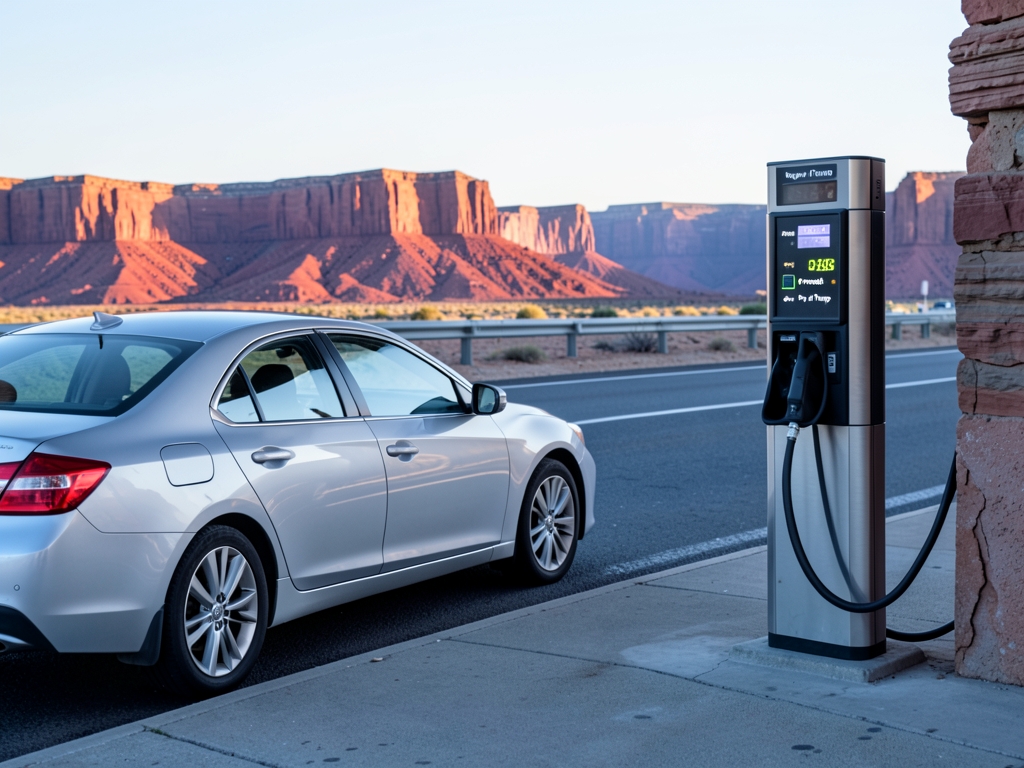
| Takeaway | Detail |
|---|---|
| The stated offer is 20 cents off gas every Friday through January 2026. | Use the 20-cent discount, Friday timing, and January 2026 end point as the offer conditions to verify. |
| Verify the live, complete option before committing. | Confirm the currently available option and all of its conditions before purchase or enrollment. |
| Compare like-for-like totals before judging savings. | Evaluate the 20-cent discount against options compared on the same basis. |
| Compare terms alongside totals. | Treat terms as a required comparison, not an afterthought, before committing. |
This guide explains how to evaluate Amazon Prime road-trip fuel savings around the stated 20-cent gas discount every Friday through January 2026.
It focuses on verifying the live, complete option and comparing like-for-like totals and terms before committing.
How It Works
Start by locating the live Amazon Road Trip Fuel Savings offer page and reading its terms before planning a fuel purchase. The offer is a retailer-linked discount, so the key question is not merely whether Amazon advertises a saving, but whether the participating fuel retailer, your account, the purchase channel, and the payment method all satisfy the current requirements. Save a copy of the offer page and its terms, including the version date, so your decision is based on the complete offer presented at the time you use it.
Define the main terms before comparing the discount with your normal fuel price. Fuel retailer means the participating location where you buy gasoline; confirm the exact brand and station address in the offer rather than assuming that every nearby station qualifies. Purchase channel refers to how the transaction is completed, such as the retailer's app, loyalty account, or linked checkout flow. Payment method is the card or account used to pay, and the terms may require a particular card type or enrollment. Discount means the amount removed from the eligible fuel purchase, while eligible fuel describes the grade, quantity, transaction type, and other conditions that qualify.
At checkout, verify the complete price breakdown rather than looking only at the advertised reduction. Check the fuel type, quantity, taxes, fees, service charges, tip field, convenience charges, and the amount charged to your payment method. A discount can appear attractive while producing a higher final total if the transaction includes additional charges or if the normal-price comparison uses a different fuel quantity. Record the final amount charged and retain the receipt, confirmation screen, and transaction history.
For a like-for-like comparison, calculate the same fuel quantity under the discount and under the retailer’s regular price, using the same location and payment arrangement. Then check whether the savings are applied per gallon, per transaction, or under another stated basis, and whether the terms cap the discount or restrict it to a particular number of units. Compare the actual checkout total with the total you would pay without the offer, not one figure with another.
Before committing, confirm the offer’s eligibility, participating locations, transaction route, payment requirements, discount amount, expiration, and any blackout conditions directly in the live terms. If the checkout screen does not show the expected reduction, do not rely on the advertisement alone; verify the account and transaction details, or choose the ordinary price. The practical rule is simple: commit only when the full terms are visible and the final, like-for-like total confirms the saving.

Key Factors to Consider
First, confirm that the promotion is live and complete for your planned purchase. Check the official offer page and its terms for participating fuel retailers, eligible purchases, geographic coverage, account requirements, redemption steps, and the precise end date, including the applicable January year. A headline can remain visible after some components of an offer have changed, so record what the current page says rather than relying on a search-result summary or an earlier article.
Second, verify the numbers that determine the value. Check whether the live terms state a discount per gallon, per transaction, or on another basis, along with the qualifying purchase amount and any limit on discounted units. Apply the stated unit only after confirming it in the current offer. For example, if the live terms specify 20 cents off per gallon and 10 gallons qualify, the discount would be $2 before other terms; that calculation is not realized savings unless the transaction meets every condition.
Third, compare the expected final cost on a like-for-like basis. Use the same fuel amount, fuel type, and purchase date when checking the offer against the retailer’s displayed price. The relevant comparison is the amount charged with the offer minus the comparable amount without it, not a dollar figure taken from a different station, quantity, or shopping date. Also check whether the total includes taxes, service charges, card fees, or other charges shown at checkout.
Make the final decision only after the live terms, eligible amount, checkout price, and payment record agree. If the checkout does not show the expected discount, do not count it as realized savings until the transaction receipt confirms it. A verified saving is based on the charged total—not merely on the advertised rate, an estimated savings calculator, or the potential value shown before payment.

Common Mistakes
This section alone covers the pitfalls with concrete examples. The most common mistake is treating a headline or search-result snippet as proof that the Amazon Prime Road Trip Fuel Savings option is available, complete, and usable during your trip. A listing may show an attractive discount while the live offer page is unavailable, restricted to a particular retailer, or missing conditions that affect the final checkout. Before committing, open the current offer page and verify that the offer is active for the intended purchase, that the participating fuel location is covered, and that the discount appears in the checkout summary. If any part of that path is unclear, pause and confirm it rather than relying on the advertisement.
Another mistake is assuming that a discount shown before checkout will remain after the order is submitted. Prices, promotions, and redemption details can change between the moment a shopper starts the process and the moment payment is authorized. Use the live total displayed at the final review stage as the comparison point, and check that the retailer, fuel amount, payment method, and purchase date all match the offer’s requirements. A concrete example would be finding the offer advertised, switching devices, and assuming it will still be honored. Instead, revisit the live terms and complete the qualifying purchase in the same verified flow.
The second pitfall is comparing an offer against another option without aligning the terms. Two discounts can look similar while applying to different purchase amounts, products, retailers, or payment conditions. Do not compare only the advertised savings. Compare the complete amount payable, what the discount applies to, whether the offer requires a linked retailer, and any conditions that could make the benefit unavailable. Treat an offer as equivalent only when the same purchase would receive the same treatment under both sets of terms.
Finally, avoid committing to a fuel stop based on a saved screenshot, copied instructions, or an earlier visit. The practical rule is to repeat the verification immediately before purchase: open the live offer, read the current terms, confirm the participating retailer, review the full checkout total, and save the confirmation. This process catches both an expired or incomplete offer and a misleading comparison before the shopper has already bought fuel. A promotion is useful only when the verified final amount and conditions are acceptable.

Insider Tactics
Insider tactic: treat the promotion as a short-lived trip-planning input, not a standing assumption. Build the fuel stop into your route first, then check whether the live Amazon offer is still displayed for that retailer, fuel type, location, and payment method. This keeps the decision tied to the purchase you actually expect to make and makes it easier to abandon the offer if the details have changed. You do not need to forecast fuel prices or estimate a future windfall; the useful check is whether the current terms still match the intended transaction.
A second tactic is to preserve the entire offer page before reaching the pump. Save a screenshot that includes the page date, participating retailer, eligible product, discount language, redemption steps, and any restrictions visible in the terms. On the day of purchase, compare that record with the live page rather than relying on memory or a copied link. If the page has been updated, follow the newer terms and recalculate the expected charge from the retailer’s displayed fuel total.
Timing starts before departure. Check the live page while choosing the route, check it again shortly before the fuel stop, and make the final confirmation on the retailer’s own checkout or payment screen. A Friday schedule can help organize the trip, but the date shown in the current terms is the one that matters. If your itinerary crosses several days, do not assume that a Friday purchase will carry the same treatment into a later stop; verify each purchase independently.
Use a two-column trip log: one column for the live offer and another for the planned purchase. Record the retailer, location, fuel grade, expected gallons, displayed total, applicable discount, and final amount shown at checkout. Compare like-for-like by keeping the same fuel type, quantity, retailer, and payment method across checks. This is especially useful when a route includes more than one fuel stop, because a nominally attractive offer at one location may not match the purchase you ultimately need.
Before committing, apply a simple decision rule: proceed only when the live terms are visible, the intended retailer and fuel purchase are covered, and the final checkout amount reflects the stated benefit. Otherwise, treat the discount as unavailable and use the retailer’s normal price as your planning baseline. This approach makes the savings claim testable at the exact moment of commitment instead of relying on a headline or an earlier search result.
Also worth reading Road Trip Revival US Gas Prices Hit How to Save Money on Gas During Your 7 Essential Travel Gear Deals
Comparison
For a clean side-by-side comparison, hold the purchase constant: use the same fuel type, quantity, location, payment arrangement, and point in time. Use the live Amazon offer page to identify the current discount and its unit, then apply it only as the terms direct. Treat any headline amount as provisional until the page shows how it applies to the purchase you are evaluating.
Frequently Asked Questions
What should I check before planning a fuel purchase under the Amazon Road Trip Fuel Savings offer?
Read the live Amazon Road Trip Fuel Savings offer page and its terms before planning the purchase.
Which four eligibility details should I verify before using the offer?
Verify that the participating fuel retailer, your account, the purchase channel, and the payment method satisfy the current requirements.
What should I do to preserve the exact terms presented when I use the offer?
Save a copy of the offer page and its terms, including the version date.
How should I compare the offer with another fuel-saving option?
Compare like-for-like totals and evaluate the terms alongside the totals before committing.
What should I confirm immediately before purchasing or enrolling?
Confirm the currently available option and all of its conditions before purchase or enrollment.
When does the stated Amazon Road Trip Fuel Savings offer end?
The stated offer runs through January 2026.
Quick answers
| What should you verify before using the Amazon Road Trip Fuel Savings offer? | Verify the live, complete option and confirm all current conditions before purchase or enrollment. |
| When should you read the offer terms relative to planning a fuel purchase? | Start by locating the live offer page and reading its terms before planning a fuel purchase. |
| What should you check besides whether Amazon advertises a saving? | Check whether the participating fuel retailer, your account, the purchase channel, and the payment method satisfy the current requirements. |
| How should you document the offer before using it? | Save a copy of the offer page and its terms, including the version date. |
| How should you judge whether the offer saves money? | Compare like-for-like totals and evaluate the discount against options compared on the same basis, while also comparing terms. |
Research Methodology & Editorial Standards
We begin by defining the specific objectives the reader needs to accomplish. Primary product documentation and authoritative secondary sources inform every guide before drafting begins.
Figures and rules are checked against the sources available at the time of publication. Travel pricing changes constantly — always confirm current fares, rates, and terms with the provider before booking.