
New U.S. Passport Design: Renew 10–15 Weeks Before Flying
A practical guide to the U.S. passport’s new design and renewal process, with a 10–15 week planning window before international travel.

| Takeaway | Detail |
|---|---|
| Allow 10–15 weeks before an international flight. | That is the guide’s recommended processing window for a U.S. passport renewal. |
| Verify the live, complete option before committing. | Confirm the current passport option and its complete requirements before applying. |
| Compare like-for-like totals and terms. | Compare equivalent application types, service levels, delivery costs, and conditions. |
| 2026 fee guides separate passport and service costs. | Published tables cover first-time adult, renewal, minor, card, routine, expedited, and delivery charges. |
A practical guide to the U.S. passport’s new design and renewal process, with a 10–15 week planning window before international travel. Review current options, verify complete requirements, and compare comparable costs and terms before applying.
How It Works
Begin by identifying the correct application route before paying or scheduling travel. A first-time passport generally follows the in-person application process, while an eligible renewal may be handled through the Department of State’s online renewal system. Confirm the current eligibility rules, required documents, and available appointment channels on the official U.S. Department of State passport portal; do not treat a third-party checklist or an old screenshot as authoritative. Keep the application type, supporting documents, payment record, and confirmation page together so the selected route can be verified before submission.
For a new application, the State Department first verifies the applicant’s identity, citizenship, and supporting documents. It then produces the passport and sends it to the applicant. The current U.S. passport design uses a polycarbonate biographical-data page with integrated security features and a contactless chip. The chip stores the same biographic information printed on the data page so authorized border systems can read it. For renewals, the State Department must establish that the previous passport can be reported, verify the applicant’s continuing eligibility, and then issue the replacement. Confirm on the official portal whether your application will be produced in the new design before committing to that option.
The key application terms are “new application,” “renewal,” and “expedited processing.” A new application is used when the applicant cannot use the renewal process. Renewal requires an eligible previous passport and completion of the State Department’s renewal procedure. Expedited processing shortens the agency’s handling time but does not guarantee arrival by a particular flight. Before paying, compare the complete service order: the government fee, any separate acceptance or delivery charge, the processing tier, delivery method, and the refund or cancellation terms shown at checkout. Verify the final total in the live checkout rather than relying on an outdated fee table.
“Passport card” means a limited-purpose travel document, not a standard passport book. According to travel.state.gov, passport cards are not valid for international air travel; they are limited to certain land and sea travel to Canada, Mexico, Bermuda, and the Caribbean. Therefore, a card’s apparent lower cost does not create a like-for-like alternative for an international-flight traveler. Compare only products that validly cover the intended itinerary.
Finally, treat processing estimates and delivery times as separate components. Routine or expedited service addresses the government’s processing stage, while mailing or courier delivery can add time afterward. Check both components for the application route selected, then use a 10–15 week planning window before an international flight rather than waiting for the final arrival date. For visual research, Passport Index can help explore passport designs and country passport types, but confirm the operative requirements and final cost on the official State Department site before committing.

Key Factors to Consider
The first decision criterion is eligibility, because it determines which application path and payment method you should verify. Before committing to the new U.S. passport design, confirm on the Department of State’s live passport portal whether you qualify for an online renewal or must apply in person. Check every condition against the current instructions rather than relying on a third-party summary. The 2026 fee references identified by U.S. Passport Service Guide and VisaGrade can help you locate current figures, but the Department of State should remain the source for the amount you ultimately pay.
The second criterion is the complete cost of the option you are considering. Build one total that includes the application fee, the payment-method fee, any expedited processing charge, and delivery charges. Compare like-for-like totals: a basic routine application should be compared with another basic routine application, while an expedited option should be compared with an expedited option offering comparable timing. Do not compare a passport-book cost with a passport-card cost and assume they provide the same travel benefit. The Department of State notes in its October 2026 passport-fee guidance that passport cards are not valid for international air travel.
The third criterion is the processing and delivery estimate, including what the quoted time actually covers. The Department of State’s current service information separates processing time from delivery time, and third-party guides—including the 2026 fee references from U.S. Passport Service Guide, VisaGrade, and RushMyPassport—may summarize different service combinations. Verify the service name, processing estimate, shipping method, and promised delivery window as a package. That is the key threshold for international travel planning: the estimated completion date should fall before your departure date with a safety margin.
Use a three-number travel-date worksheet: the departure date, the latest acceptable passport-receipt date, and the full estimated time for the selected service. The second number should be earlier than the first. Compare that result with the same three dates for the next available service tier, then check whether the higher-cost option materially changes the outcome. For each option, record the total paid, estimated processing time, and estimated delivery time. This makes the decision auditable and prevents a lower application fee from obscuring a slower service or added charges.
Your practical planning target is 10–15 weeks before an international flight, but treat that window as a checkpoint, not a guaranteed processing time. At the start of that period, confirm the application route, record the live total fee, and save the current processing and delivery estimates. Repeat the check before payment or scheduling nonrefundable travel. If the live estimate leaves too little margin, move to a different verified service or adjust the itinerary before committing.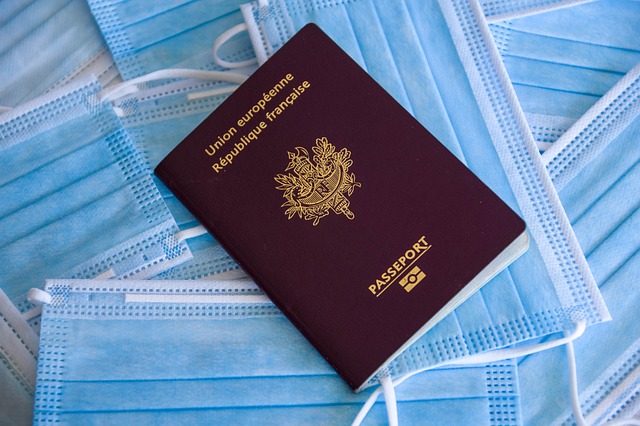
Common Mistakes
The most consequential mistake is treating a passport card as a substitute for a passport book. For example, a traveler who sees a lower-priced card option and purchases it for an international flight will discover a fundamental mismatch: the Department of State states that passport cards are not valid for international air travel. The card is limited to certain land and sea travel to Canada, Mexico, Bermuda, and the Caribbean. Before paying, check the document’s stated travel validity against the itinerary, especially whether the trip includes an international flight.
A second common mistake is relying on a fee amount copied from a general guide instead of checking the complete amount and payment instructions on the Department of State’s live passport portal. For example, an applicant may find one processing price in a third-party cost table, submit that figure, and then have the application delayed because the payment does not match the official requirements. The State Department specifically warns that submitting incorrect passport fees could delay processing. Save the official fee table or payment confirmation, and compare it with the figures and payment method shown for the selected application before submitting.
These mistakes often surface because a comparison begins with a name rather than a complete, like-for-like option. “Passport card,” “passport book,” “routine,” and “expedited” can refer to documents or services with different travel uses, processing terms, and delivery arrangements. A valid comparison should place the full application charges, optional service charges, delivery terms, and the document’s accepted travel purposes on the same row. It should also record the source and the date checked so that the decision rests on the live option rather than a cached fee table.
Use a simple verification check before committing: open the official Department of State passport information, confirm that the chosen document is valid for the planned travel, review the full list of charges for that exact application type, and compare the resulting total with the payment instructions. If the official page and a secondary guide disagree, use the official page and confirm the discrepancy rather than paying based on the lower or more familiar number.

Insider Tactics
The most useful insider tactic is to build a one-page verification sheet before committing to a passport application or nonrefundable travel. For example, list the applicant category, application route, selected service, delivery method, quoted processing time, delivery estimate, and each charge on one row, then reopen the Department of State’s live portal at travel.state.gov and confirm each entry against the current official fee table and service description. Save a dated PDF or screenshot so that you can identify what was visible when you made the decision. This protects against acting on an outdated search result, cached fee page, or third-party summary.
Use third-party tools for reconnaissance, not authority. Passport Index says its site lets users explore passport designs and browse by passport, destination, type, color, and ranking, making it useful for checking what a design should look like before locating the authoritative application instructions. By contrast, Visagrade’s 2026 U.S. Passport Fees guide and the 2026 Passport Fees service guide can help you identify fee categories that may need confirmation. Still, treat the Department of State’s live portal as the final check for current amounts and terms, and confirm the operative requirements there before committing.
When checking totals, compare like with like: confirm that both figures include the same application type, service level, delivery method, and any expedite charge, rather than comparing an application fee from one source with an all-in total from another. The Insider tip is to verify the components in a fixed order—government fee, service charge, delivery charge, and total—and flag every line whose label or inclusion is unclear. Do not let a convenient headline total substitute for the itemized schedule.
For timing, treat 10–15 weeks before an international flight as a planning target, not a guaranteed completion date. Enter that target on your calendar immediately after choosing the flight, then work backward through the live Department of State estimate for the exact service you selected. If the displayed window approaches your departure date, you can make a more informed decision about whether to change the service level or adjust the itinerary without assuming that an expedite option will resolve every delay.
Finally, perform a second verification close to departure. Revisit travel.state.gov, confirm the application status shown in the official account system, and recheck the relevant service terms. Keep the departure buffer visible in your planning notes until the passport is physically in hand. This two-pass method—document the quote before committing, then confirm status near departure—turns a volatile application estimate into a controlled travel-planning checkpoint.
Comparison
When comparing passport options, use one consistent basis: the total you will pay for the same passport type, including any delivery or expedited-service charges, and the processing terms that apply on the Department of State’s live portal. The comparison should show a winner for the traveler, not merely list services. For 2026 fees, cross-check the Department of State’s official passport-fee information against the fee tables published by VisaGrade and US Passport Service Guide. If the amounts differ, use the Department of State’s current figure and treat the difference as a reason to verify before committing.
The clearest deadline test is to count backward from the international flight using the guide’s 10–15-week planning allowance. If routine service’s confirmed timing fits inside that window, routine is the winner on cost. If it does not, compare the complete expedited total against the likely cost of changing the flight, buying separate travel documents, or risking an unavailable passport; the expedited option wins only when its verified terms justify the additional expense.
Do not compare a passport card with a passport book as if they were equivalent products. The Department of State states that passport cards are not valid for international air travel; they are limited to land and sea travel to Canada, Mexico, Bermuda, and the Caribbean. A card may therefore have a different fee and different use, but it cannot win the comparison for an international flight.
Finally, verify the figures immediately before payment. For example, place the application type, passport fee, delivery charge, expedited charge, payment method, quoted processing estimate, and delivery estimate side by side on one worksheet. That side-by-side total prevents a lower base fee from appearing cheaper when delivery or faster handling changes the actual commitment. The winner is the option that meets the flight deadline, provides a valid passport book, and has the lowest verified like-for-like total.
Also worth reading New Online Passport Renewal System US Digital Passport Renewal System 7 Critical Steps for Last-Minute
What to do next
| Step | Action | Why it matters |
|---|---|---|
| 1 | Review the current U.S. passport renewal option and confirm that it applies to your passport and travel plans. | Verify the live, complete option before committing to the new-design renewal process. |
| 2 | Check the renewal requirements in the current official option, including every condition that must be satisfied before applying. | Confirming the complete requirements helps prevent an application from being delayed or rejected. |
| 3 | Use the 2026 fee guide to separate the passport charge from each optional service and delivery charge. | The published tables distinguish passport and service costs, making the total easier to understand. |
| 4 | Compare equivalent renewal application types, service levels, delivery choices, and their conditions on a like-for-like basis. | Comparable totals and terms make it possible to identify the option that best matches the needed speed and delivery arrangement. |
| 5 | Select the official renewal option whose full charge and conditions match your circumstances, then submit through the official process. | This turns the guide’s comparison into a complete application without relying on incomplete or mismatched options. |
| 6 | Begin the renewal process early enough to follow the recommended 15 weeks planning window before international travel. | Using 15 weeks as the guide’s recommended checkpoint supports completion before the planned flight without relying on faster, costlier processing. |
Frequently Asked Questions
How long before an international flight should a U.S. passport renewal be started?
Begin the renewal within the guide’s recommended processing window before international travel.
What should I do before paying for a passport application or booking travel?
Identify the correct application route and confirm the current passport option and its complete requirements.
How do I know whether I should apply in person or use online renewal?
A first-time passport generally follows the in-person application process, while an eligible renewal may be handled through the Department of State’s online renewal system.
Where should I verify current passport eligibility rules and required documents?
Use the official U.S. Department of State passport portal rather than a third-party checklist or an old screenshot.
What should I compare when evaluating passport application options?
Compare equivalent application types, service levels, delivery costs, conditions, and like-for-like totals and terms.
What records should I keep after submitting a passport application?
Keep the application type, supporting documents, payment record, and confirmation page.
Quick answers
| What is the recommended timing for renewing a U.S. passport before international travel? | Allow 10–15 weeks before an international flight using the guide’s recommended processing window. |
| What should applicants verify before applying for a passport renewal? | Confirm the current passport option and its complete requirements before applying. |
| Which passport costs does the 2026 fee guide separate? | The 2026 fee guides separate passport and service costs. |
| How should applicants compare available passport renewal options? | Compare like-for-like totals and terms, including equivalent application types, service levels, delivery costs, and conditions. |
| What should applicants do before paying or scheduling travel? | Begin by identifying the correct application route before paying or scheduling travel. |
Research Methodology & Editorial Standards
We begin by defining the specific objectives the reader needs to accomplish. Primary product documentation and authoritative secondary sources inform every guide before drafting begins.
Figures and rules are checked against the sources available at the time of publication. Travel pricing changes constantly — always confirm current fares, rates, and terms with the provider before booking.