
US passport renewal: verify fees, processing times, and appointment rules
This guide provides a practical verify-before-you-commit overview of U.S. passport renewal fees, processing times, and appointment requirements after the new design and application process take effect.
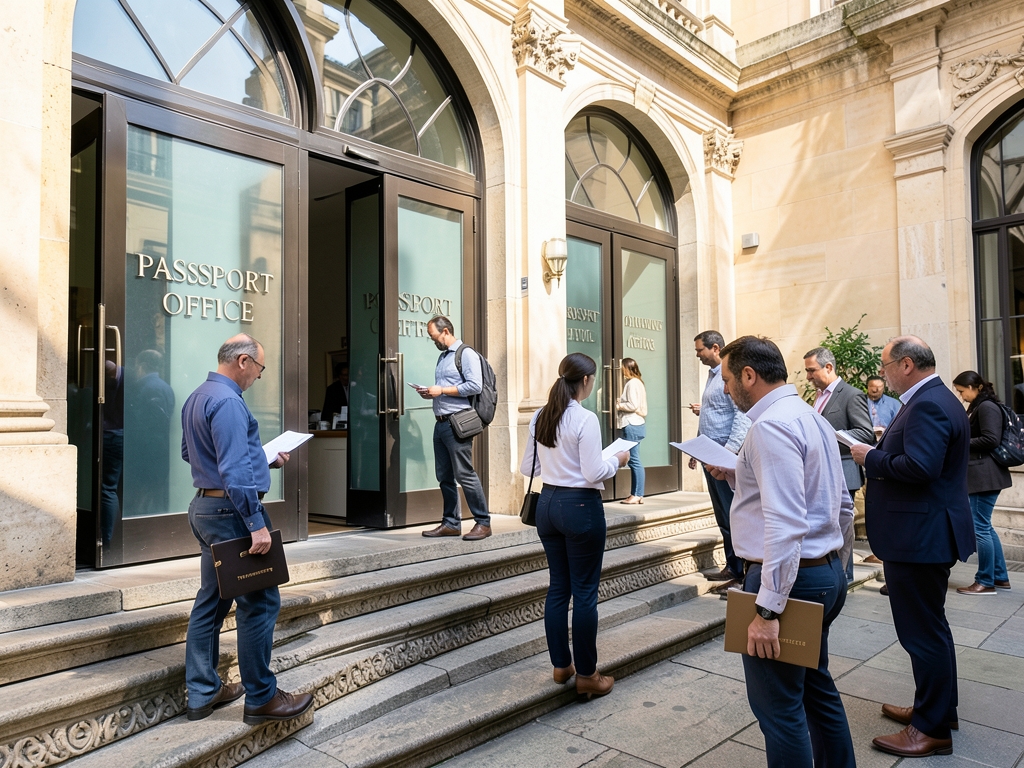
This guide provides a practical verify-before-you-commit overview of U.S. passport renewal fees, processing times, and appointment requirements after the new design and application process take effect.
It delivers clear, actionable thresholds and rules to compare like-for-like totals and terms before applying.
How It Works
A U.S. passport renewal follows one of two paths: renewal by mail or renewal by online service. The U.S. Department of State determines which route an applicant may use, and the applicant should not choose a route solely because it appears faster or more convenient. Begin with the official eligibility checker, review every question, and retain the resulting instruction as part of the application record. If the tool says the application is eligible for renewal, follow the prescribed method; if it directs the applicant to another process, use that process instead. USPS confirms that eligible applicants must renew either by mail or online and cannot renew in person.
“Renew by mail” means submitting the required renewal materials to the passport agency through the postal service. “Renew online” means the applicant submits the required information and payment through the government’s online renewal service. These labels describe submission channels, not different passport validity periods or product types. Before paying, open the complete fee schedule presented within the selected channel and record the full charge, including any separately listed facility or service charge. A price shown on a third-party booking page, photo-service page, or search result is not sufficient confirmation of the government’s current total. Verify the live total at the point of payment and save the receipt.
| Renewal by mail | Use when the official eligibility process directs the applicant to mail the application; follow the document list and delivery instructions shown for that route. |
|---|---|
| Renewal online | Use only when the official eligibility process approves online renewal; complete the online application and any identity or payment checks it presents. |
| First-time application | Do not submit a renewal under this route. Follow the separate application instructions and any required appointment process. |
| Passport photo service | A photo service is not itself a passport application. Confirm separately whether the chosen location offers only photos or also accepts applications. |
An “appointment” and a “photo service” are separate services, even when a provider offers both. USPS states that participating Post Offices accept first-time passport applications and that many can also take passport photos, including digital images used for online renewals. The location’s service description should therefore be checked for its exact function, appointment availability, and accepted application type. A photo appointment should not be treated as an appointment to submit a first-time passport application unless the provider expressly confirms that service.
Finally, verify the application’s status and delivery instructions through the official channel associated with the submitted route. Mail applications may receive a response that asks the applicant to provide an additional document or take another step, while online applications may place an action prompt inside the applicant’s account. The key terms to recognize are the renewal channel, acceptance facility, photo service, application receipt, and government-issued fee. Confirming those items creates a consistent record: the same name and passport details appear across the live fee page, submission record, appointment confirmation, and payment receipt. This is the practical meaning of verifying the complete option before committing.

Key Factors to Consider
First criterion: compare the total amount payable, not merely the advertised renewal price. The U.S. Department of State’s live passport information should be the controlling source for the current fee, while USPS guidance can help confirm where passport and photo services are available. Before paying, check whether the amount includes the applicable government fee, any separate payment for expedited processing, and any optional service charge from the provider you use. Add each required charge to the total you would actually owe, and confirm the payment method and whether the provider can process that specific transaction. If a search result or third-party page shows a different amount, verify the complete option directly on the State Department’s official fee information and retain a copy of the page you relied on.
Second criterion: compare the processing commitment attached to each option. A quoted processing time is useful only if it identifies who is providing it, what service it covers, and whether it refers to routine processing or an additional service. Check the official State Department and USPS materials for the current terms, then confirm the starting point for the stated period. The relevant comparison is not simply “mail versus online”; it is the total amount paid, the processing commitment offered, and the consequences if the passport is needed by a particular date. Treat any time estimate as a service term to verify at the moment of application, not as a guarantee that will remain unchanged.
Third criterion: confirm whether an appointment is required for the exact application you intend to submit. The Philippine Department of Foreign Affairs identifies appointment scheduling as part of its passport-application requirements, and its guidance specifically warns applicants against using fixers or social-media accounts to secure appointments online. The same practical rule is useful when checking a U.S. passport service: use the official appointment system, confirm the location and service selected, and verify what documents the appointment site asks you to bring. Do not assume that a provider’s passport-photo appointment automatically handles a passport application, or that a renewal appointment is available at every participating location.
These are the key numbers to verify: the complete renewal fee; any separately charged execution or photo fee; the processing-time commitment for the selected service; and the appointment availability, location, and service type. Because the available sources do not establish current U.S. renewal amounts, processing periods, or appointment windows, I would not quote a numerical value without checking the live State Department fee page, USPS passport guidance, and the relevant official appointment system on the day of application. A verification note should record the URL, retrieval date, quoted amount or time, and the conditions attached to it. That creates a like-for-like comparison: same service level, same total cost, same processing terms, and the same appointment requirement.
Common Mistakes
This section focuses on two common mistakes that can derail a U.S. passport renewal after the new design and application process takes effect: confusing a service appointment with a renewal appointment, and relying on outdated fee or appointment information. The remedy for both is simple: verify the live, complete option before paying or booking.
First mistake: assuming every Post Office appointment is a passport-renewal appointment. A concrete example is an eligible renewal applicant who books a USPS appointment for a “passport service,” then arrives expecting to submit and complete the renewal in person. USPS states that eligible applicants must renew either by mail or through the online service; they cannot renew in person. A nearby Post Office may accept first-time passport applications, provide passport photos, or both, but that does not make it a renewal appointment. Before traveling, check the exact service offered at that location and confirm that the renewal method available to the applicant is mail or online. Do not treat a photo appointment as an application appointment.
Second mistake: booking or paying from an old screenshot, saved article, or third-party summary. For example, an applicant may find an earlier fee schedule and assume it still reflects the post-redesign process. The U.S. Department of State’s live passport information should be checked for the current amount and terms, while USPS’s passport page should be used to confirm how the service is presently described. This is especially important when the change concerns the new passport design: eligibility, the form version, payment instructions, and available appointment services may be revised as the rollout proceeds.
Use a two-part verification before committing. First, open the official State Department renewal page and confirm that the applicant’s circumstances fit the available renewal path. Then open USPS’s live passport information and verify the specific appointment service, location, and service terms. If the two pages appear inconsistent, pause the payment or booking and resolve the discrepancy with the official source rather than relying on the visible search result, cached page, or an intermediary’s summary.
Finally, keep the evidence for the decision. Save the official pages consulted, note the date checked, and retain the payment or appointment confirmation. This creates a clear record of which option, price, and service terms were verified at the time. It also prevents a common post-payment error: assuming that a confirmation number confirms eligibility or completion when it may confirm only a photo service, an informational appointment, or another limited service.
Insider Tactics
The most useful tactic is to preserve a dated record of the official information you relied on. Before committing to a renewal method, open the current U.S. Department of State fee and processing pages, record the displayed total and estimated processing time, and save a screenshot or PDF. Fees and timing information can change, so an old itinerary-planning note or third-party article should not be treated as a current quote. A saved copy also makes it easier to confirm that the amount you actually pay matches the terms shown when you began the application.
Apply the same discipline to appointment planning. USPS states that thousands of Post Offices accept first-time passport applications and that most participating locations offer passport-photo services; it also directs applicants to make appointments for new passport applications and passport-photo services. Because those services are location-specific, check the live USPS location details and contact the selected facility before finalizing travel. Ask whether an appointment is required, whether the appointment covers the photo service as well as passport acceptance, and whether the facility has its own submission cutoffs. Do not infer a U.S. appointment rule from appointment systems operated for other countries.
A non-obvious timing tactic is to work backward from a nonrefundable travel commitment rather than forward from the day you submit. The U.S. passport information should provide the current processing estimate, while the live USPS guidance should help confirm the mailing and acceptance arrangement. Add the remaining mailing and return time shown by the relevant official source, then build in a safety margin. If that margin disappears when a new fee table, processing notice, or appointment opening appears, treat the itinerary as unsettled until the applicant confirms the update directly.
Compare options on the same basis: the complete amount payable, the service each route includes, the official processing estimate attached to that route, and the delivery timing available to the traveler. Keep the payment record, application receipt, tracking information, and appointment confirmation together. If a fee or promise cannot be verified on the live official page, do not fill the gap with a remembered amount or an unsourced estimate. Pause before payment and reconfirm the option instead.
Finally, time the final review around the booking decision. Reopen the official fee schedule, processing guidance, and appointment information immediately before clicking “submit” or paying. This last check is especially important after the new passport design and application process take effect, because an apparently equivalent service may have different documentation, payment, or fulfillment terms. The objective is not merely to find the quickest advertised option, but to confirm a complete, current arrangement that leaves enough time for the applicant’s actual travel plans.
Comparison
To verify the live, complete option before committing, compare the total cost and processing time for each renewal path side by side using current figures from official sources. The U.S. Department of State's live fee page is the controlling source for the current renewal amount, and USPS's passport page can confirm where mail and photo services are offered. Before paying, open the complete fee schedule within your chosen renewal channel and record every charge shown, including any separately listed service fee, so the total you compare is the total you would actually owe. If a third-party page shows a different amount, verify it directly against the official fee page and save a dated copy.
When comparing like-for-like totals, the mail renewal path is often the lowest-friction option for eligible applicants, because it involves submitting materials directly through the prescribed channel rather than through an intermediary. USPS confirms that participating Post Offices accept first-time applications and offer photo services, but eligible renewals must go by mail or online rather than in person. Whether mail renewal is the cheapest choice for you depends on the live fee schedule: confirm the complete amount payable on the official State Department fee page on the day you apply, and record it alongside any delivery costs before deciding.
The online renewal option may suit applicants who prioritize convenience, but eligibility is decided by the official checker, not by preference. USPS confirms that eligible applicants must renew either by mail or online and cannot renew in person, and that online renewal is available only to those who meet the government's eligibility criteria. Before choosing this route, run the official eligibility checker, review every question, and follow the prescribed method. Then check the live fee and any processing-time estimate shown within the online service itself, since neither the fee nor the timing should be assumed from a third-party summary.
Applicants should verify their eligibility for each path before comparing costs, as ineligibility for one method invalidates the comparison. USPS emphasizes that you cannot renew in person and must use mail or online if eligible. Confirm eligibility through the official checker, then check the live fee and any associated service charges for your chosen method on the day you apply. This side-by-side verification ensures you commit only after confirming the total cost, processing terms, and requirements match your needs.
Also worth reading US passport processing times 2026 Eindhoven Airport officially bans Why IndiGo shares are climbing after
What to do next
Frequently Asked Questions
What must an applicant do before choosing a renewal method for a U.S. passport?
Begin with the official eligibility checker, review every question, and retain the resulting instruction as part of the application record.
What happens if the official eligibility checker directs the applicant to a process other than renewal?
Use that process instead.
Can eligible applicants renew a U.S. passport in person according to USPS confirmation?
No, eligible applicants must renew either by mail or online and cannot renew in person.
What does 'renew by mail' mean in the context of U.S. passport renewal?
Submitting the required renewal materials to the passport agency through the postal service.
What does 'renew online' mean for U.S. passport applicants?
Submitting the required information and payment through the government’s online renewal service.
Do the labels 'renew by mail' and 'renew online' indicate different passport validity periods or product types?
No, these labels describe submission channels, not different passport validity periods or product types.
Quick answers
| What are the two paths for U.S. passport renewal? | renewal by mail or renewal by online service |
| Who determines which route an applicant may use for passport renewal? | The U.S. Department of State |
| What must eligible applicants do according to USPS regarding renewal methods? | eligible applicants must renew either by mail or online and cannot renew in person |
| What does 'renew by mail' mean in the context of U.S. passport renewal? | submitting the required renewal materials to the passport agency through the postal service |
| What does 'renew online' mean in the context of U.S. passport renewal? | the applicant submits the required information and payment through the government’s online renewal service |
Research Methodology & Editorial Standards
We begin by defining the specific objectives the reader needs to accomplish. Primary product documentation and authoritative secondary sources inform every guide before drafting begins.
Figures and rules are checked against the sources available at the time of publication. Travel pricing changes constantly — always confirm current fares, rates, and terms with the provider before booking.