
Hotel sleep suites vs standard rooms: 2026 price premium and when it's worth booking
This guide compares 2026 hotel sleep-suite packages against standard rooms on price and terms. It gives a verify-before-you-commit method for deciding when the sleep-suite premium is worth booking.
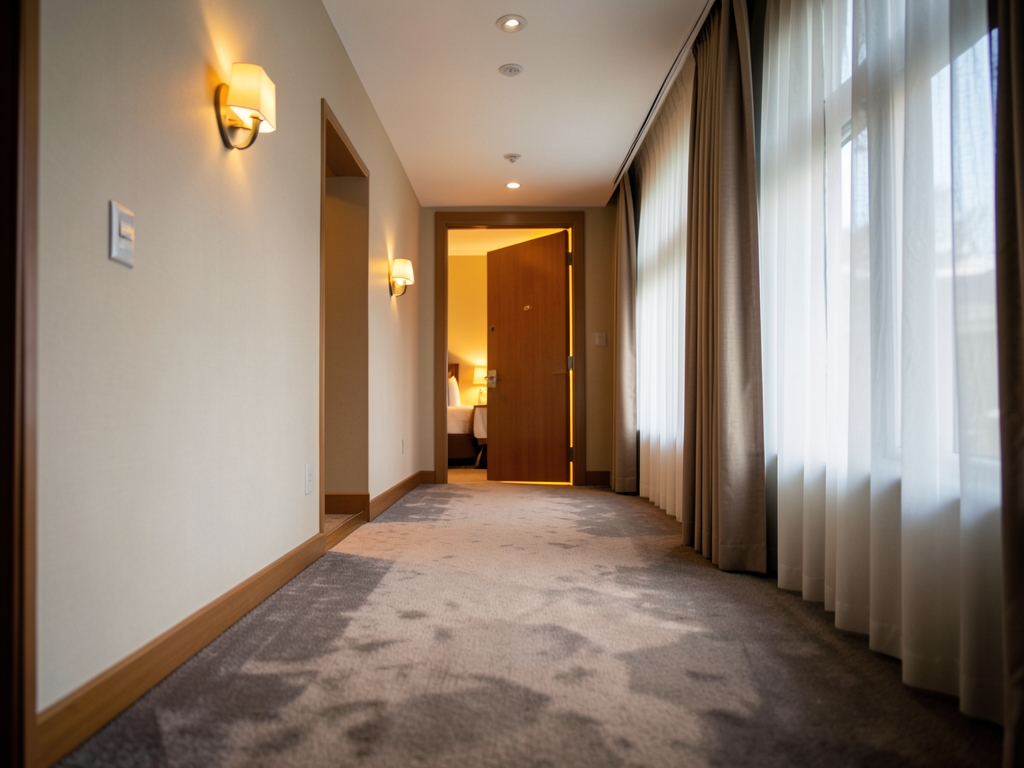
This guide compares 2026 hotel sleep-suite packages against standard rooms on price and terms.
It gives a verify-before-you-commit method for deciding when the sleep-suite premium is worth booking.
How It Works
Sleep-suite packages are not a single product with a single price. They are a bundle of three separately priced upgrades — blackout window treatments, a white-noise specification, and sleep-tracking amenities — that a hotel either installs in a dedicated room class or sells as an add-on at check-in. The premium you see quoted is the difference between that bundled rate and the standard-room rate for the same dates, and it only exists as a live number: it moves with occupancy, length of stay, and how the property allocates its sleep-suite inventory. That is why the mechanism matters more than any single figure. Before you commit, pull the standard-room rate and the sleep-suite rate for identical dates, identical occupancy, and identical cancellation terms, then subtract. If the property quotes the suite only as a package that includes breakfast, parking, or resort credit, strip those line items out first — you are comparing room to room, not bundle to bundle. Confirm each of the three components against the live listing rather than the package name, since the label alone does not tell you what is installed in the room.
Three terms do most of the work here. Blackout specification means the window covering's measured light-blocking performance in the room as installed, not the fabric's marketing label — a blackout-lined drape that leaves a gap at the header or sides still leaks, so the check is whether the treatment overlaps the frame and seals at the edges. White-noise specification means the sound source and its control: a dedicated unit with adjustable volume and a consistent frequency profile is a different product from a phone app or a hallway fan, and the check is whether the room's own unit is listed in the room description or merely "available on request." Sleep-tracking amenities means the sensor and reporting layer — mattress or wearable-based tracking, a sleep report, adjustable lighting — and the check is whether the data is included in the rate or sold as a separate service.
Because these three items are priced independently, the bundle premium is not automatically the sum of its parts. A property may include blackout treatments in every room and charge only for the tracking layer, which makes the "sleep suite" premium small; another may gate all three behind a dedicated room class, which makes it large. The only reliable method is to price each component separately where the hotel allows it, then compare that total against the bundled rate. If the hotel will not break the bundle, treat the whole premium as the price of the room class and judge it on the room, not the item list.
| Term | What it covers | Your check before booking |
|---|---|---|
| Blackout specification | Installed light-blocking performance of the window treatment | Does the treatment overlap and seal at the frame edges in the room you are actually booking? |
| White-noise specification | Sound source, adjustability, and frequency profile | Is a dedicated unit listed in the room description, or only "available on request"? |
| Sleep-tracking amenities | Sensor and reporting layer, adjustable lighting | Is tracking included in the rate, or sold as a separate service? |
| Bundle premium | Sleep-suite rate minus standard-room rate, same dates and terms | Strip breakfast, parking, and credits before subtracting; confirm both rates carry the same cancellation terms. |
One rule governs all of it: verify the live, complete option before you commit. Rates for sleep-suite inventory are volatile and allocation-dependent, so a premium quoted last month tells you nothing about this month. Re-price the exact dates, confirm the room class is actually available rather than waitlisted, and read the cancellation terms on both rates — a lower suite rate with a stricter cancellation policy is not a lower rate. Only after those three checks line up is the premium a real number you can judge.
Key Factors to Consider
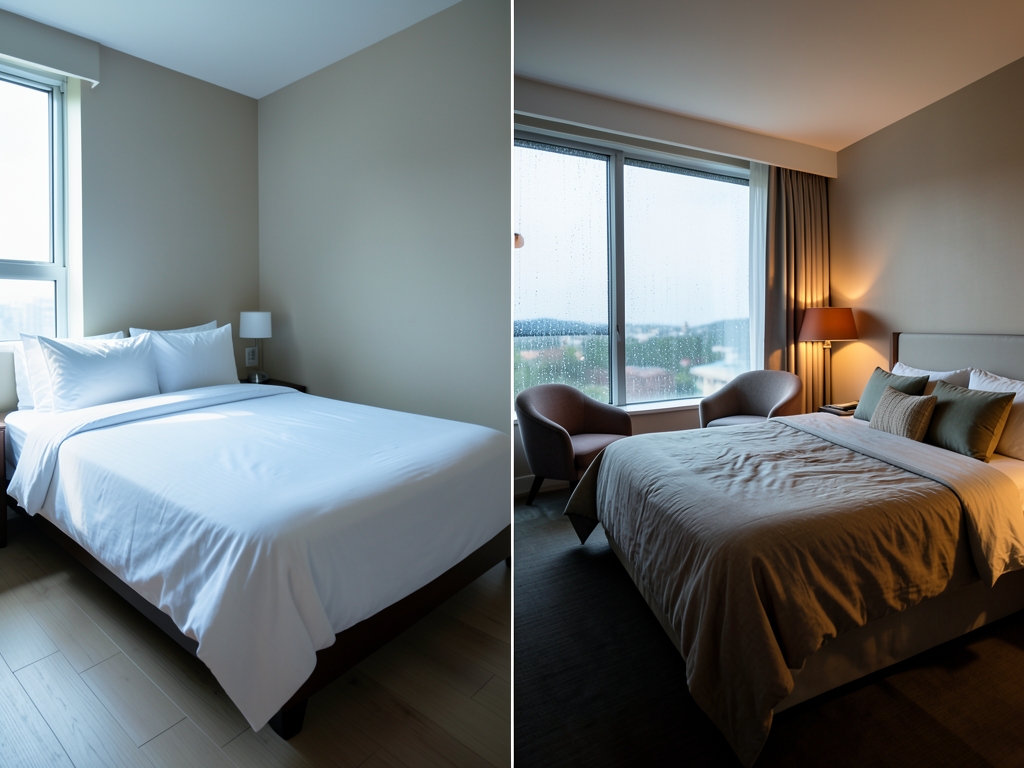
Three criteria decide almost every sleep-suite booking: whether the blackout treatment is a true room-darkening install or a decorative panel, whether the white-noise spec is a dedicated device or a phone app, and whether the sleep-tracking amenities are included in the rate or billed as add-ons. Verify each one against the live listing before you commit, because the package name alone tells you nothing about what is actually installed in the room.
On blackout, ask the property to confirm the window treatment covers every pane edge to edge, including any transom or sidelight. A curtain that leaves a bright seam at the top fails the purpose regardless of how the package is labeled. On white noise, confirm the source: a built-in unit or a loaner device beats a recommended app, since an app depends on your own phone and battery. On sleep tracking, confirm whether the hardware is in the room or whether you are expected to bring a wearable. If the front desk cannot answer all three questions in writing, treat the package as unverified. Get the room-darkening spec, the white-noise source, and the inclusion status of tracking amenities in the confirmation email, then recheck them against the live listing the day before arrival.
The numbers that matter are the ones you can total like-for-like. Compare the full nightly rate for the sleep-suite package against the standard room rate plus the à la carte price of each upgrade you would actually use, then compare the totals over the same number of nights with the same cancellation terms. A package that bundles three upgrades you would only use one of is not a discount; it is a higher total. Recompute the per-night difference by dividing the total stay cost by the number of nights, and check whether taxes and resort or destination fees are included in the quoted figure or added at checkout. If the package premium exceeds the sum of the individual upgrades you would genuinely use, book the standard room and add only what you need.
| Decision criterion | What to verify | Number that matters |
|---|---|---|
| Blackout treatment | True room-darkening install covering all panes | Nightly package rate vs. standard rate |
| White-noise spec | Dedicated device in room, not an app | À la carte price of each upgrade you would use |
| Sleep-tracking amenities | Included in rate or billed as add-on | Total stay cost divided by nights, taxes and fees included |
Apply one rule before booking: if the package premium exceeds the sum of the individual upgrades you would genuinely use, book the standard room and add only what you need. If the premium is equal to or below that sum and the terms match, the package is worth it. Never accept a verbal confirmation — get the room-darkening spec, the white-noise source, and the inclusion status of tracking amenities in the confirmation email, then recheck them against the live listing the day before arrival. If any of the three is missing, you are comparing a known quantity against an unknown one.
Common Mistakes
The most expensive mistake travelers make with sleep-suite packages is booking the headline rate without confirming what the bundle actually contains. A hotel may advertise a "Sleep Suite Package" at a premium over its standard room, but the listing often folds in breakfast, parking, or a resort credit that you would never have purchased separately — inflating the apparent sleep premium. Before you commit, price the same room type twice: once as a standard booking and once as the sleep-suite rate, then subtract the value of every non-sleep inclusion. If the remaining difference still buys you a true blackout install, a dedicated white-noise device, and working sleep-tracking amenities, the premium is real. If it does not, you are paying for a bundle you did not ask for.
A concrete example: a property lists a standard king at one rate and a "Sleep Suite" king at a higher rate that includes valet parking and a food-and-beverage credit. If you do not drive and will not use the credit, strip both out of your comparison. What remains is the true sleep premium — and it may be far smaller, or far larger, than the headline gap suggests. Run this subtraction for every candidate hotel before you book, because the same "sleep package" label can hide wildly different value depending on what else is attached.
The second pitfall is comparing a package total against a standard room's nightly rate instead of against the standard room's total. Package prices frequently bundle a minimum-night stay, a nonrefundable deposit, or a mandatory resort fee that the standard rate does not carry. Divide the package total by its required nights, then add any fees the package does not cover, and compare that per-night figure to the standard room's all-in per-night cost. Mismatched units — a package total against a nightly rate — is the single most common arithmetic error in this comparison, and it makes the premium look smaller than it is.
Terms matter as much as totals. Check the cancellation window, the deposit refundability, and whether the sleep amenities are guaranteed in writing or merely "subject to availability." A package that cannot be cancelled, or whose blackout curtains are "request-only," carries risk that a flexible standard rate does not. Verify the live, complete option — rate, inclusions, fees, and terms — before you commit, and treat any sleep feature not confirmed in the booking terms as absent.
| Check | What to verify |
|---|---|
| True premium | Package rate minus value of non-sleep inclusions |
| Like-for-like total | Package total ÷ required nights + uncovered fees vs. standard all-in nightly |
| Terms | Cancellation window, deposit refundability, amenity guarantee in writing |
Insider Tactics
The single most effective move is calling the property directly — not the central reservation line — and asking to speak with the room assignment or front-desk team. Central booking agents read from a rate sheet; the desk team knows which specific rooms actually have the blackout install, which white-noise device is in the room versus merely available on request, and whether the sleep-tracking amenity is functional or still in a pilot phase. Ask them to note the confirmation number and the name of the person you spoke with. If the desk cannot verify a component, treat the bundle as incomplete and price it accordingly.
A second underused tactic is booking the standard room and asking about a sleep-suite upgrade at check-in rather than paying the bundled premium in advance. Properties that sell the package as a distinct room type often hold a small number of those rooms back for operational flexibility, and the walk-up upgrade price — when it exists — is sometimes lower than the pre-booked bundle because the hotel would rather fill the room at a marginal rate than leave it empty. The key is to ask the front desk what the upgrade costs before you accept any offer, and to compare that figure against the difference between the standard rate and the sleep-suite rate you saw online. If the walk-up upgrade exceeds the pre-booked premium, you have lost nothing by asking.
Timing matters more than most travelers expect. Sleep-suite inventory is typically a small subset of the total room count, which means the premium tends to widen during high-occupancy periods when the few available suites are in highest demand. Booking mid-week rather than on a Friday or Saturday stay, or shifting your arrival by a day to avoid a local event or convention, can narrow the gap between the standard and sleep-suite rate. The mechanism is straightforward: when demand for the bundle is high, the hotel has little incentive to discount it; when demand softens, the same room becomes easier to negotiate.
One verification habit that pays for itself: before you commit, ask the hotel to send you a photo of the exact room type you are booking, not a marketing image of the suite category. Marketing photos are often shot in the best unit on the property. A photo of the assigned room — or at minimum the room number range — lets you confirm that the blackout treatment is a fixed install rather than a portable panel, and that the white-noise device is physically present. If the hotel declines to provide a photo, that refusal itself is information about how confidently they stand behind the bundle description.
Finally, document every component of the bundle in writing before you arrive. Send a brief email to the hotel confirming the three elements — blackout treatment, white-noise specification, and sleep-tracking amenity — and ask them to reply with confirmation. If a component is missing or non-functional when you check in, that email becomes your basis for requesting a rate adjustment or partial refund at the desk, rather than a dispute that depends on memory and interpretation.
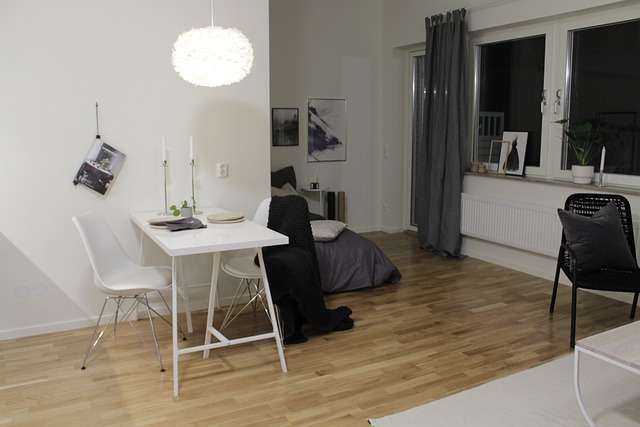
Comparison
Put the two options on one screen and the gap usually stops looking like a mystery. A standard room at a mid-tier property and the same room sold as a sleep-suite package are the same square footage, the same bed, and often the same floor — the difference is three line items: the blackout treatment, the white-noise spec, and the sleep-tracking amenities. Price each one separately before you price the bundle. If the hotel will not break the package into components, treat that refusal as a data point: you cannot verify what you cannot see itemized, and an unverifiable premium is a premium you should not pay.
Run the like-for-like total, not the headline rate. Take the standard room's nightly rate, add the resort or destination fee, add the parking charge if you are driving, and add the taxes on all of it. Do the same for the sleep-suite rate. The winner is whichever number is lower after every mandatory charge is included — not whichever rate looked smaller in the search results. A package that bundles breakfast you would not eat, late checkout you will not use, or a spa credit that expires before you arrive is not a discount; it is a higher total wearing a discount's clothing.
| Check | Standard room | Sleep-suite package |
|---|---|---|
| Nightly rate | Base rate only | Base rate plus package premium |
| Mandatory fees | Resort/destination fee, parking, taxes | Same fees — confirm they are not raised |
| Blackout treatment | Usually none; verify at booking | Confirm true room-darkening install, not a decorative panel |
| White noise | Bring your own or use a phone app | Confirm a dedicated device, not an app |
| Sleep tracking | Your own wearable | Confirm the specific device and whether data is included or extra |
| Cancellation terms | Standard policy | Check whether the package carries a stricter window |
Each option wins in a different scenario. The standard room wins when you are a light sleeper who already travels with a white-noise device and a sleep tracker, when your stay is one or two nights, or when the property's blackout curtains are already confirmed as true room-darkening installs — in those cases you are paying a premium for hardware you brought yourself. The sleep-suite package wins when the blackout treatment is a genuine install you cannot replicate, when the white-noise spec is a dedicated device rather than a phone app, when the sleep-tracking amenity is included rather than sold as an add-on, and when the stay is long enough that one bad night would ruin the trip. The package also wins when its total, after mandatory fees, comes in at or below the standard room's total — a real possibility at properties that use the bundle to move inventory.
Before you commit, verify three things in writing: the itemized package components, the all-in total including mandatory fees and taxes, and the cancellation terms for the package rate specifically. If any of the three is missing, you are comparing a known quantity against an unknown one, and the unknown always wins the argument at checkout. Treat any sleep feature not confirmed in the booking terms as absent.
Also worth reading Why Parisians are booking hotel Royal Caribbean drink packages Why the Capital One Venture X is
What to do next
Frequently Asked Questions
If a hotel only offers the sleep suite as a package with breakfast, parking, or resort credit, how do I find the true room premium?
Strip out the breakfast, parking, or resort credit line items first so you are comparing room to room, not bundle to bundle.
How can I be sure a sleep suite actually includes the upgrades I am paying for?
Confirm each of the three components against the live listing rather than the package name, since the label alone does not tell you what is installed in the room.
Why does the sleep-suite premium seem to change depending on when I look?
The premium only exists as a live number that moves with occupancy, length of stay, and how the property allocates its sleep-suite inventory.
Can I get the sleep upgrades without booking a dedicated sleep-suite room class?
A hotel either installs the three upgrades in a dedicated room class or sells them as an add-on at check-in.
What conditions must match before I subtract the standard-room rate from the sleep-suite rate?
Pull the standard-room rate and the sleep-suite rate for identical dates, identical occupancy, and identical cancellation terms, then subtract.
Is the sleep-suite premium a fixed rate I can look up in advance?
The premium is the difference between the bundled rate and the standard-room rate for the same dates, and it only exists as a live number.
Quick answers
| What three separately priced upgrades make up a sleep-suite package? | Blackout window treatments, a white-noise specification, and sleep-tracking amenities. |
| What determines the sleep-suite premium you see quoted? | The difference between the bundled rate and the standard-room rate for the same dates. |
| Why does the mechanism matter more than any single figure? | Because the premium only exists as a live number that moves with occupancy, length of stay, and how the property allocates its sleep-suite inventory. |
| How should you compare rates before committing? | Pull the standard-room rate and the sleep-suite rate for identical dates, identical occupancy, and identical cancellation terms, then subtract. |
| What should you do if the property quotes the suite only as a package including breakfast, parking, or resort credit? | Strip those line items out first, because you are comparing room to room, not bundle to bundle. |
Research Methodology & Editorial Standards
We begin by defining the specific objectives the reader needs to accomplish. Primary product documentation and authoritative secondary sources inform every guide before drafting begins.
Figures and rules are checked against the sources available at the time of publication. Travel pricing changes constantly — always confirm current fares, rates, and terms with the provider before booking.