
Why Parisians are booking hotel rooms to escape record breaking summer heat
If you’ve ever walked the streets of Paris, you know those iconic gray rooftops are what give the city its soul, but they’re also the reason your hotel room feels like a sauna during a heatwave.
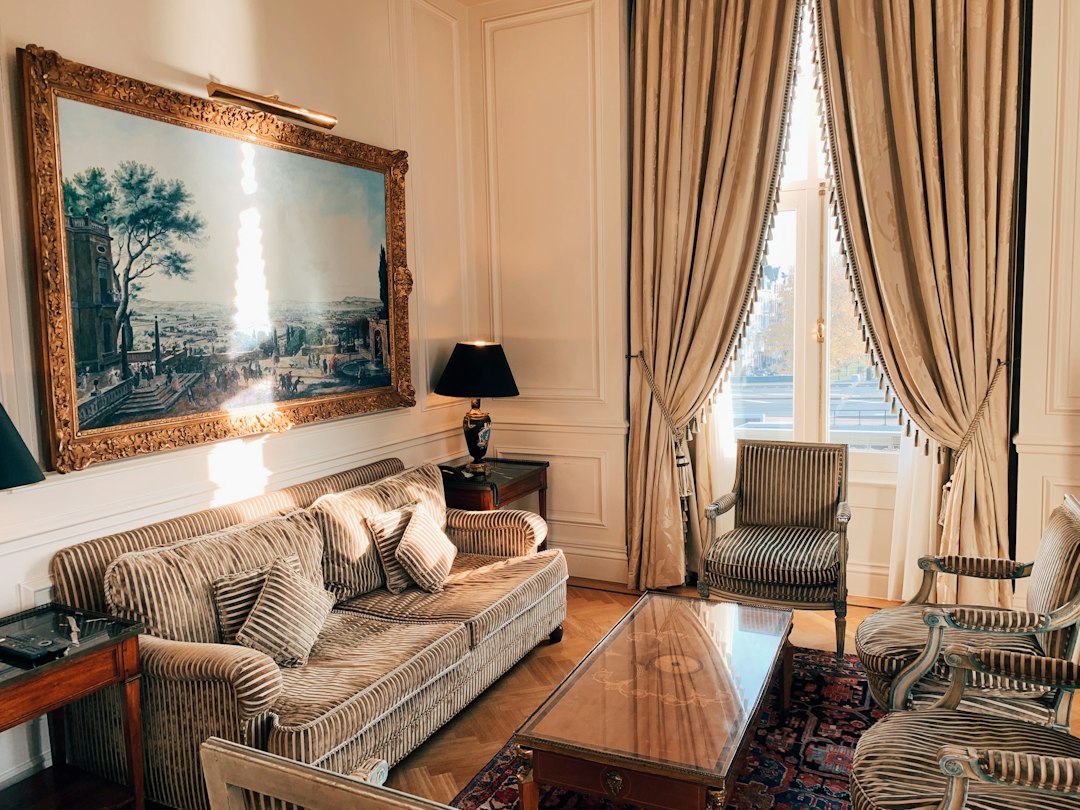
The Zinc Roof Problem: Why Paris Architecture Traps the Heat
If you’ve ever walked the streets of Paris, you know those iconic gray rooftops are what give the city its soul, but they’re also the reason your hotel room feels like a sauna during a heatwave. It’s hard to reconcile that postcard-perfect skyline with the reality of living under it when temperatures climb. The problem is that zinc has a high thermal conductivity, meaning it grabs solar radiation and pumps it straight into your attic space with almost no resistance. Because this metal is just a thin, 0.6 to 0.8-millimeter sheet, it lacks the bulk needed to hold back heat, causing your room to spike in temperature almost as soon as the sun hits the roof.
Think of these roofs as a giant, continuous metal skin that traps heat rather than letting it breathe. To make matters worse, that classic gray color isn't doing you any favors; it has a low solar reflectance, soaking up sunlight until the surface reaches a blistering 80 degrees Celsius. Even when the sun goes down, the timber and plaster in the building keep holding onto that heat, so you’re stuck in a cycle where the room never actually cools off.
Honestly, the most frustrating part is that we know how to fix this, but the rules won't let us. Heritage mandates designed to protect the city’s UNESCO status essentially ban the very things that would save you, like painting roofs white or adding thick external insulation. If we could swap that zinc for lighter, reflective materials, we could drop indoor temperatures by up to 10 degrees Celsius, but the current building codes treat any change as a threat to the city's visual history. It’s a classic battle between preserving a beautiful aesthetic and the basic human need for a livable, cool space. When you're sitting in a sweltering room, it’s clear that the design priorities of the past are colliding head-on with the climate reality of today.
From Stifling Apartments to Climate-Controlled Sanctuaries
When you're stuck in a sweltering apartment in Paris, it’s easy to feel like you’re just trapped in a furnace of your own making, but the reality is that our urban density is actually a double-edged sword. While it’s true that living in a compact city center makes us feel the heat more intensely, the physics of shared-wall housing is technically one of our best defenses against a warming planet. Think about it: a detached single-family home has way more surface area exposed to the sun compared to a dense apartment block, meaning those shared walls actually help keep internal temperatures more stable. The problem is that most of these older buildings were designed for a climate that doesn't exist anymore, and they’ve essentially become massive heat batteries that refuse to let go of the warmth once the sun goes down.
We’ve fallen into this exhausting trap where the only solution seems to be cranking up a portable air conditioner, but that’s really just a band-aid that makes the street outside even hotter. Every time those units run, they vent waste heat directly into our already crowded alleyways, creating a feedback loop that forces everyone else to turn their units on, too. It’s a frustrating cycle because we know there are better ways to handle this, like using high-performance windows or simple, light-colored external shutters to block solar gain before it even touches the glass. When you look at the data, just shading your windows properly can cut down on the need for mechanical cooling by as much as 80 percent, which is honestly a massive difference for your comfort and your electricity bill.
If we want to stop treating hotels and apartments like temporary shelters from the heat, we have to start rethinking how these spaces breathe. It’s not just about adding more tech; it’s about fixing the flow of air and using materials that work with the building rather than against it. I’ve been looking at how phase-change materials—which essentially soak up heat and release it as they cool—could eventually stabilize these interiors without needing to tear down historic facades. Even simple moves like installing balcony-mounted solar panels to power high-efficiency fans are starting to show us that we can create cooler, more sustainable sanctuaries without relying on massive, power-hungry systems. It’s time we look at our homes as parts of a larger climate solution rather than just boxes we try to survive in.
When Home Isn't Safe: The Public Health Crisis of Rising Temperatures
We need to talk about why our living spaces are becoming a silent public health threat, because honestly, we aren’t just dealing with "hot weather" anymore. When you look at the urban heat island effect, you realize that cities can be 10 to 15 degrees Celsius hotter than rural spots, effectively trapping us in a literal heat sink. It’s not just uncomfortable; it’s a physiological emergency where your heart has to work overtime just to keep you cool, which is a massive risk if you’re already managing things like cardiovascular disease or diabetes. I’ve been looking at the data, and it’s clear that when indoor temperatures stay elevated for more than 10 hours, your body simply doesn't get the chance to recover. That’s when a home stops being a sanctuary and starts becoming a health hazard.
This shift in how we experience heat is forcing a pretty uncomfortable realization about our infrastructure. Most of our homes were built for a climate that doesn't exist anymore, and without serious structural changes, they’ve become dangerous places to ride out a week of high temps. It’s not just the heat itself, either; you’ve got that toxic combination of poor air quality and extreme warmth that makes life miserable for anyone with asthma or respiratory issues. When you layer in the way heat spikes lead to dehydration and kidney stress, you start to see why this is a systemic health crisis rather than a temporary inconvenience. It’s easy to feel like you’re the only one struggling, but the reality is that millions of us are living in housing that isn't equipped to handle this new normal.
If you’re feeling more irritable or mentally fried during these heatwaves, you’re not imagining it—the cognitive toll of sustained thermal stress is very real and increasingly documented. It’s frustrating because we’re seeing a compounding effect where climate change impacts food and water security, which in turn leaves our bodies even less resilient to the blistering heat. We’re essentially watching our homes turn into giant, unventilated batteries that store heat long after the sun goes down, denying us the cool-down period we need to stay healthy. I think the most important thing to grasp here is that this is a public health emergency that’s already here, and we’re going to have to get a lot smarter about how we design our living environments if we want to stay safe through the next decade.
Why Locals Are Choosing Boutique Hotels Over Public Cooling Centers
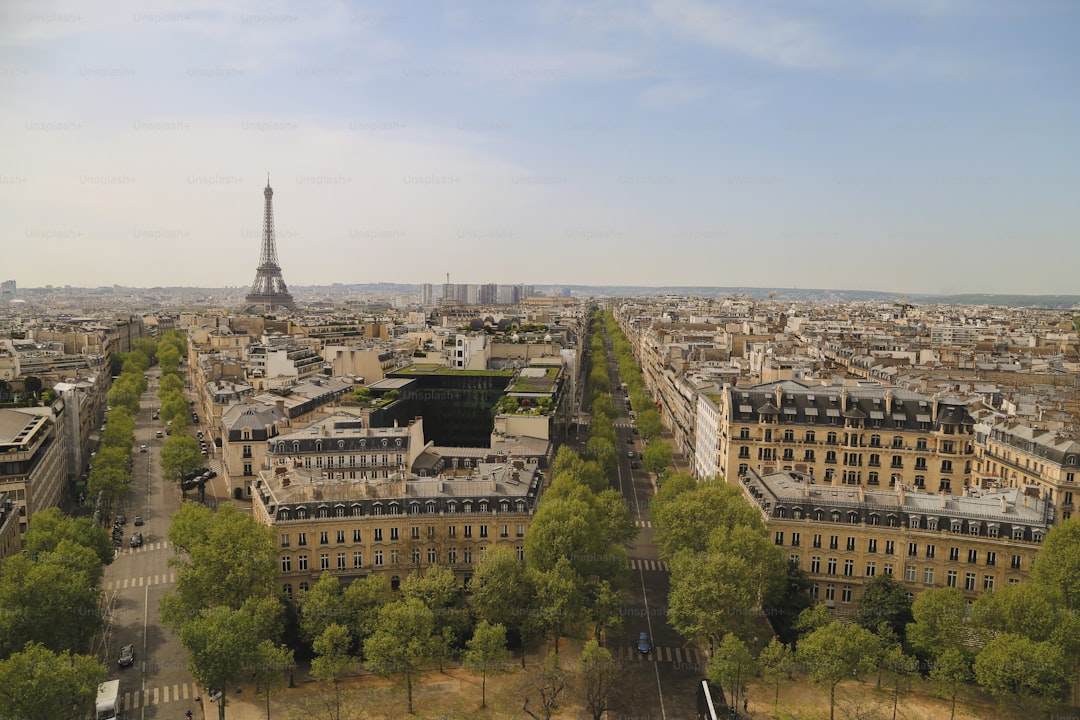
Public cooling centers are often designed as communal, high-density spaces that can exacerbate anxiety for those seeking respite from the intense Parisian heat. Research indicates that the lack of privacy in such facilities can lead to elevated stress hormones, which directly counteract the physiological benefits of cooling down. Boutique hotels offer a controlled micro-environment where you can regulate your own air quality and ambient noise levels, factors that are often neglected in standard public cooling protocols. Many Parisians are finding that the psychological comfort of a private space is as vital to heat recovery as the drop in air temperature itself.
Unlike large-scale municipal centers, independent boutique hotels frequently utilize localized, energy-efficient cooling systems that do not contribute to the massive waste-heat exhaust seen in larger commercial HVAC installations. The personalized service at smaller hotels often includes hydration and dietary monitoring that is impossible to provide in understaffed public facilities. Studies on urban thermal relief suggest that individuals are more likely to seek help early if the destination offers a sense of dignity rather than the institutional atmosphere associated with emergency cooling centers. Data shows that the transition from a sweltering apartment to a boutique hotel environment significantly reduces the heart rate variability associated with thermal distress within the first two hours of arrival.
These smaller properties are increasingly integrating biophilic design elements, such as indoor plant walls, which naturally help modulate humidity levels in ways that public centers generally cannot. The choice of these hotels serves as a tactical avoidance of the long wait times and potential exposure to communicable illnesses often present in crowded public relief sites. By booking these rooms, residents are essentially creating their own decentralized cooling network that prevents the overburdening of city-managed infrastructure. Finally, the intimate scale of these hotels allows for better thermal regulation through targeted, room-specific cooling rather than attempting to chill cavernous, inefficient public halls.
Survival Strategies: Moving Beyond Wet Towels and Shutters
Look, we’ve all been told to pull the shutters tight and drape a damp towel over ourselves, but let’s be honest: when the mercury really starts climbing, those old-school tricks barely scratch the surface of what you actually need to survive a brutal Parisian heatwave. I’ve found that the real key to staying sane lies in understanding the physics of your space rather than just trying to block out the sun. For instance, night ventilation is only truly effective if you catch that narrow window where the outdoor air is at least 3 degrees Celsius cooler than your indoor temp, allowing for a genuine convective reset. Instead of just opening a window, try placing a fan facing outward at night; it creates a venturi effect that aggressively pulls the trapped, stagnant heat out of your room while sucking in the denser, cooler air from lower levels. And if you’re still draping wet towels over your whole body, stop, because you're actually just trapping humidity and killing your body’s natural ability to sweat.
Instead, shift your strategy toward cooling your pulse points directly with a damp cloth, or better yet, use the thermal mass of your apartment to your advantage. If you can move your sleeping arrangements to a tiled or stone floor, you're effectively tapping into the cooler thermal energy of the building’s structure, which beats a mattress any day of the week. I’ve also found that placing a frozen water bottle directly in front of a floor fan creates a localized cooling zone that can drop the temp by about 5 degrees in your immediate radius for a good two hours. If you’re willing to get a little technical, consider swapping out those heavy blackout curtains for reflective window films; they can block nearly 75 percent of solar heat gain while still letting in actual sunlight, which keeps the room from feeling like a cave.
The secret that most people miss is that your home is constantly fighting against you with invisible heat sources you’re probably ignoring. Those incandescent bulbs and even the standby lights on your electronics are quietly pumping extra degrees into your room, so my advice is to unplug everything you aren't actively using. Also, pay attention to your textiles; switching to linen or hemp bedding isn't just about aesthetics, as these materials have higher thermal conductivity and wick moisture far better than the synthetic blends most hotels provide. If you’re really struggling, try adding a few ferns or peace lilies near your windows, as their high transpiration rates help modulate the room's humidity naturally. It’s all about creating a more sophisticated, responsive micro-environment, and once you start viewing your room as a system to be managed, you’ll find you have a lot more control than you ever realized.
The New Summer Normal: How Heatwaves Are Changing Urban Living in France
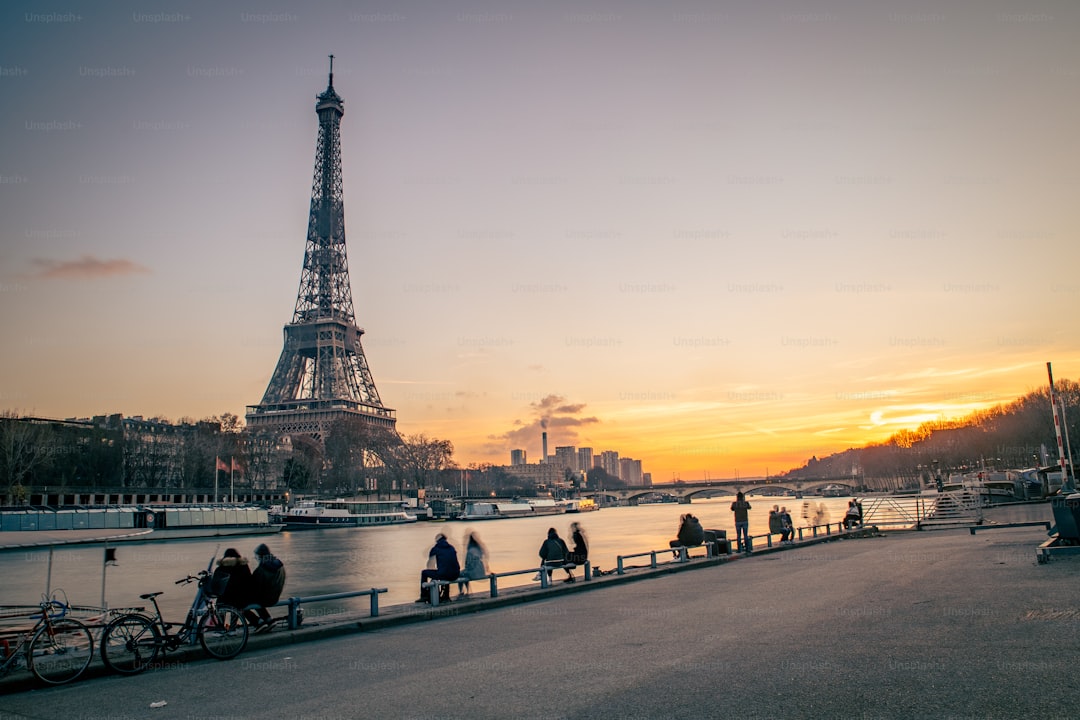
If you’ve spent any time in Paris lately, you’ve probably noticed that the summer rhythm we once relied on has completely vanished, replaced by a much harsher reality. We aren't just dealing with a few hot days anymore; we are looking at a baseline shift where extreme heat is the standard, not an anomaly. City planners are now running models that predict temperatures hitting 50 degrees Celsius, a figure that would have been unthinkable just a generation ago. It’s a sobering thought, especially when you consider that the trauma of the 2003 heatwave, which claimed over 14,000 lives, still informs every conversation we have about infrastructure and public safety today.
The way our cities are built is actually working against us now, as the dense urban geometry that once defined European charm acts as a heat trap. We’re seeing a feedback loop where urban expansion makes the heat island effect worse, leaving older districts struggling to shed warmth even after the sun goes down. When you’re stuck in an apartment that’s effectively acting as a heat battery, it’s not just a matter of discomfort; it’s a genuine health hazard. We’ve seen a tragic rise in incidents where people—especially younger folks—take desperate risks in unregulated water sources just to escape the swelter, which highlights how quickly a heatwave turns into a public health emergency.
This is exactly why so many people are reconsidering their survival strategies and why we’re seeing this shift toward private cooling solutions. While municipal centers exist, they often feel too institutional and crowded, which can actually spike your stress levels instead of helping your body recover. There is clear evidence that moving into a controlled, quiet space like a boutique hotel can stabilize your heart rate variability in as little as two hours, offering a metabolic reset that a humid, heat-soaked apartment simply can't provide. It’s not just about staying cool; it’s about recognizing the cognitive and physiological toll that sustained thermal stress takes on us every single summer. We’re moving toward a model where your living environment needs to be a flexible, responsive sanctuary, because the old way of just waiting for the weather to break clearly isn't going to cut it anymore.
Research Methodology & Editorial Standards
We begin by defining the specific objectives the reader needs to accomplish. Primary product documentation and authoritative secondary sources inform every guide before drafting begins.
Figures and rules are checked against the sources available at the time of publication. Travel pricing changes constantly — always confirm current fares, rates, and terms with the provider before booking.