
Amtrak Acela New York–Washington: How to Check Fares 14 vs 3 Days Out
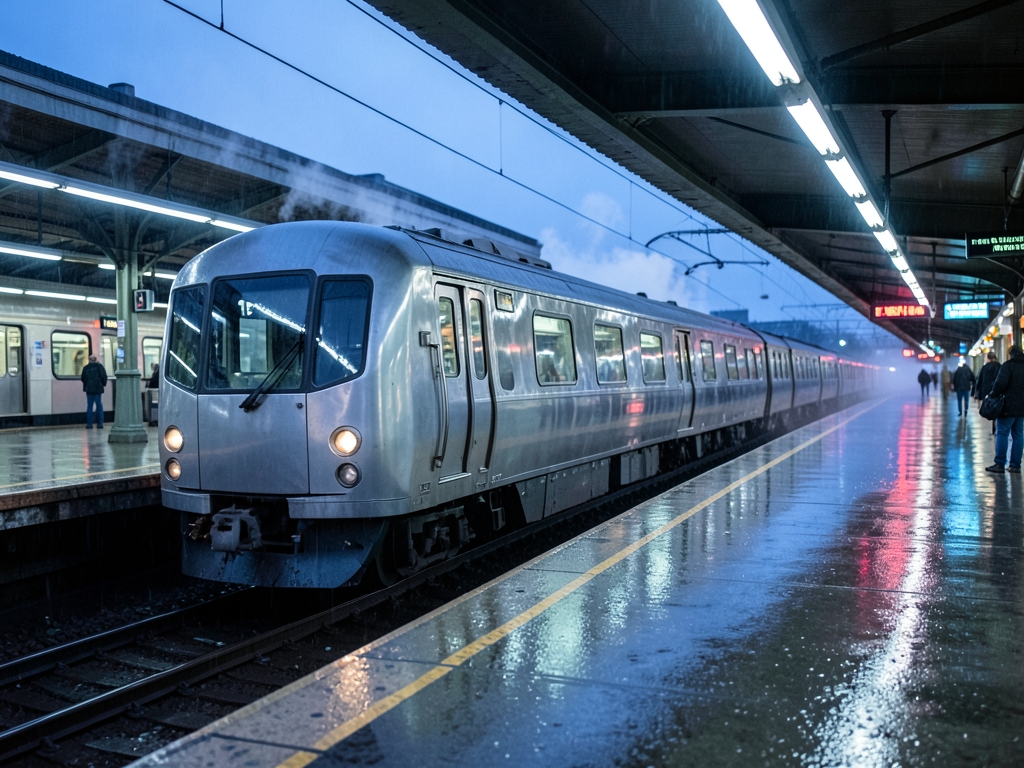
This guide explains how Amtrak's Acela fare buckets work on the New York–Washington corridor, and how to check the live one-way price for the same departure at a 14-day and a 3-day booking window before you commit.
This guide explains how Amtrak's Acela fare buckets work on the New York–Washington corridor, and how to check the live one-way price for the same departure at a 14-day and a 3-day booking window before you commit.
It walks through the route conditions and station parking costs you should price into a like-for-like total, and how to verify each one live before committing.
How It Works
Acela pricing on the New York–Washington corridor is not a single fare but a set of fare buckets: inventory tiers that Amtrak opens, closes, and reopens as a given departure fills. The practical consequence is that the price you see is a function of two variables — how full that specific train is and how far in advance you are shopping — not a fixed rate for the route. Amtrak sells the New York–Washington corridor with both the Northeast Regional and the high-speed Acela, and the two do not share inventory, so a bucket change on one tells you nothing about the other. To check, price the same departure on both services in the same session.
Three terms do most of the work here. A fare bucket is one price level attached to a specific train and date; when the lowest bucket sells out, the next-higher bucket becomes the displayed price. Yield management is the process Amtrak uses to decide when to open or close those buckets, which is why the same seat can cost different amounts on two trains leaving an hour apart. Advance-purchase timing is simply the gap between your booking date and your travel date — the lever you actually control. None of these are discounts you can request by name; they are conditions you either meet or miss.
The mechanism, step by step. You search a date and train; Amtrak returns the lowest open bucket for that departure. As seats on that train sell, the lowest bucket closes and the price steps up. Booking earlier generally means you are shopping while lower buckets are still open, but the effect is train-specific: a lightly booked midweek departure may still sit in a low bucket close to departure, while a peak Friday train can climb through several buckets weeks out. Because the corridor is Amtrak's single busiest route, per RailCommute, peak departures absorb demand fastest.
What this means for a 14-day versus 3-day comparison: the mechanism predicts a direction, not a number. Fourteen days out you are more likely to find the lower buckets still open; three days out you are more likely to be buying whatever remains. Treat that as a hypothesis to test, not a guarantee — verify the live fare on the exact train and date you want before you commit, because the bucket, not the calendar, sets the price. The check is to run the identical search twice — same date, same departure, same passenger count — and record what you are shown each time.
| Term | What it is | What you control |
|---|---|---|
| Fare bucket | Price tier tied to one train and date | Which train and date you pick |
| Yield management | Amtrak's opening/closing of buckets | Nothing directly |
| Advance-purchase timing | Days between booking and travel | When you book |
One caution on totals: the displayed fare is the fare, but your like-for-like comparison is not complete until you add the costs attached to each option — station parking at Washington Union Station varies by length of stay and parking type, per amtraktrainstationpro, and the corridor's real hidden cost is time, since a mechanical failure in Delaware or an overhead wire issue in New Jersey can stretch a roughly three-hour trip toward six, per Facol. Verify the live, complete option — fare plus terms plus realistic arrival — before you commit.

Key Factors to Consider
Three criteria decide almost every New York–Washington Acela booking: how far ahead you can commit, how flexible the ticket must be, and what the all-in trip actually costs once you leave the train. Rank them in that order before you compare a single price. Amtrak sells Acela seats on this corridor in fare buckets, so the same departure can carry several different prices depending on when you buy and how many seats remain in each tier. That means the only honest comparison is a live one: pull the same departure date, the same train number, and the same passenger count on two different booking days, and compare the totals side by side rather than trusting a remembered price.
The numbers that matter are fewer than most travelers assume. Amtrak's own booking pages for Washington, DC are the authoritative source for the current one-way Acela fare between New York and Washington, and the figure changes by departure, so treat any number you see as a snapshot, not a rate. When you record a price, label it: one-way or round-trip, base fare or total with taxes and fees. Mixing those units is the fastest way to fool yourself into thinking a fare dropped when it did not. If you are comparing a 14-day-out booking against a 3-day-out booking, hold the train number constant; a different departure time is a different bucket and the comparison is meaningless. The check is to open the live booking flow for your exact date and departure and confirm the fare is still attached to that train.
| Criterion | What to check | Why it changes the total |
|---|---|---|
| Booking window | Same train, quoted 14 days out and again 3 days out | Bucket inventory shifts as the departure fills |
| Flexibility terms | Change and cancellation rules attached to that specific fare | A cheaper bucket often carries tighter terms |
| All-in trip cost | Fare plus station parking and any ground transport at both ends | Parking at Washington Union Station varies by length of stay and lot type, so it can swing the real total |
Time is the fourth number, and it belongs in the math. A mechanical failure in Delaware or an overhead wire issue in New Jersey can stretch a roughly three-hour trip into something closer to six, according to traveler reports compiled on the route. Build that risk into your decision if you are booking a same-day meeting: a cheaper 3-day-out fare is not a saving if the schedule buffer you bought with the 14-day booking disappears.
Before you commit, run one final check on the live page: confirm the date, the train number, the fare label, and the change rules all match what you intend to buy. If any one of those is missing from the quote you are looking at, you are not yet comparing like for like.
Common Mistakes
The first mistake is treating the fare you see on one screen as the fare. Acela inventory on the New York–Washington corridor is not a single price but a set of fare buckets that Amtrak opens, closes, and reopens as a departure fills, so the number attached to a given train can move between the moment you search and the moment you pay. A concrete example: you check a Friday afternoon departure, see a fare you like, get distracted, and come back after lunch to find that bucket closed and the same seat priced higher. The check is to open the live booking flow for your exact date and departure, confirm the fare is still attached to that train, and complete the purchase in the same session rather than trusting a screenshot, a cached search result, or a fare you remember from yesterday.
The second mistake is comparing a flexible fare against a non-flexible one as if they were the same product. A refundable or changeable Acela ticket and a deeply restricted saver fare can look close in price until you need to move your trip, at which point the cheaper ticket's change terms and any difference in fare come due. The rule is to compare like-for-like totals and terms: same departure, same date, same passenger count, and the same change and refund conditions on both sides of the comparison. If one option is flexible and the other is not, you are not comparing prices — you are comparing two different products, and the cheaper one may not be cheaper once your plans move.
A third pitfall is ignoring the all-in trip cost once you leave the train. The fare is only part of the number. Parking at Washington Union Station varies by length of stay and type of parking, with prices generally starting at a low daily rate, so a fare that looks like a bargain can be erased by what you pay to leave the car. The check is to price the complete door-to-door option — fare plus station parking plus any local transit — before you commit, and to compare that total against the alternative rather than against the fare alone.
Finally, do not assume the schedule you booked is the schedule you will ride. A mechanical failure in Delaware or an overhead wire issue in New Jersey can turn a roughly three-hour trip into a six-hour ordeal, and Amtrak has run planned infrastructure work on this corridor, including a nine-day "Pause for Progress" upgrade in Washington, D.C. one October. Before you commit, verify the live schedule and any service advisories for your travel dates, and build in a buffer if you have a hard arrival deadline on the other end.
| Pitfall | What it looks like | Verify-before-you-commit check |
|---|---|---|
| Stale fare | Price seen earlier no longer matches the live bucket | Reopen the live booking flow and buy in the same session |
| Mismatched terms | Flexible fare compared against a restricted saver fare | Match departure, date, passengers, and change/refund terms |
| Incomplete total | Fare compared without station parking or local transit | Price the full door-to-door option before deciding |
| Assumed schedule | Booked timetable differs from the day's actual service | Check live schedule and service advisories for your dates |
Insider Tactics
Start with the move most travelers skip: price every departure inside your travel window before you buy anything. Searching "New York to Washington Acela" returns one number, but that number belongs to a specific departure, so the lowest option on your day can easily be a different train than the one you searched first. Open the schedule, note the fare shown for each departure you could realistically take, and rank them. If the spread is flat across the whole window, waiting has little to gain; if one departure sits well below its neighbors, that's the one to verify live.
Treat two weeks out and the final few days as two checkpoints rather than a rule. Run the identical search twice — same date, same departure, same number of passengers — about two weeks before travel and again inside the last few days, and record what you're shown each time. The direction of the difference is the signal: if the earlier check is lower, commit early on a fare type you can change; if the later check is lower, you've confirmed the earlier quote was not the better of the two. Before you rely on rebooking, confirm in writing that your fare type allows changes without a fee — that is what turns an early purchase into a placeholder you can trade in later.
Widen the timing check past your travel date. Amtrak Media has announced a "Pause for Progress" infrastructure upgrade in Washington, D.C. spanning nine days in October — exactly the kind of window that reshapes schedules on the corridor. When Amtrak publishes a work window or service alert touching Union Station, price the departures immediately before and after it before you commit, and check the live alerts page again on the day you actually book.
Then hedge the trip itself. Facol Br notes that the hidden cost on this route is time — a mechanical failure in Delaware or an overhead wire issue in Jersey can stretch a three-hour trip into a six-hour ordeal. Before paying, look at what runs behind your chosen departure on the same day, so a disruption leaves you with a rebooking option instead of a stranded ticket.
Finally, do the cart-level verification once, at the end. Open checkout and read the departure time, the station, the fare type, the change and refund terms, and the total you will actually be charged; note whether the figure is one-way or round-trip. Log one line per departure — date, departure, fare shown, terms — so every recheck compares the same thing. Commit only when the live, complete option matches your log.
Comparison
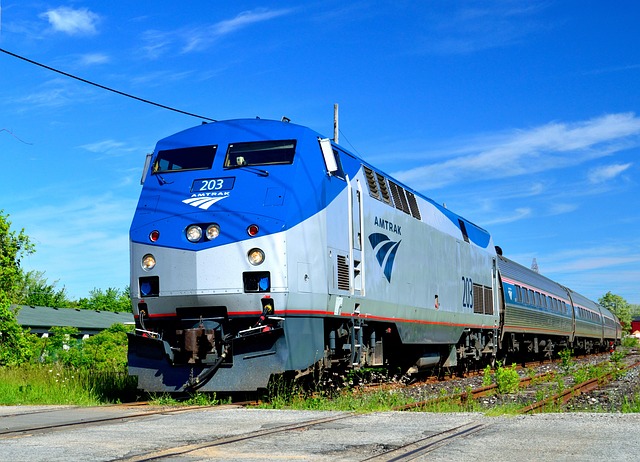
This section puts the two booking windows side by side and names a winner: the 14-day advance option or the 3-day option. To make that call, lock one Acela departure on the New York–Washington corridor, one seat class, and one refund/change rule. Pull the complete one-way total for each window from the live checkout. Do not compare a 14-day fare against a 3-day fare with different terms; that is not a like-for-like comparison. RailCommute identifies the New York–Washington DC corridor as Amtrak's busiest route, served by Acela.
Put the real numbers in two columns. For each column, record the one-way fare, any change or cancellation cost if you might alter the trip, and the last-mile cost to your actual destination. The last-mile cost matters because parking at Washington Station varies by length of stay and parking type, with prices generally starting at a low daily rate, according to Amtraktrainstationpro. If you will not change, the fare is the main number. If you might change, the change cost can flip the winner. The arithmetic rule: add the fare and any change cost. The lower sum wins.
When the 14-day option wins: your schedule is firm, and the 14-day total is lower than the 3-day total after you add any change cost you would realistically pay. The check is simple: if the 14-day fare plus its change cost is still below the 3-day fare plus its change cost, book the 14-day option. If the gap is small and you might need to move the trip, the 3-day option can win instead.
When the 3-day option wins: your plans are not locked, or the 14-day change cost is larger than the fare difference. The check is: compare the all-in totals. If the 14-day total plus its change cost exceeds the 3-day total plus its change cost, the 3-day option wins. Also, if the live 3-day quote is lower for the same seat class and terms, it wins on price alone. Facol Br notes that mechanical failures or overhead wire issues can turn a 3-hour trip into a 6-hour ordeal; that time risk is identical for both booking windows, so it should not decide the fare comparison.
Winner: the option with the lower all-in total for the trip you will actually take. If you are certain of your plans, the 14-day advance booking usually wins when its live quote is cheaper. If you need flexibility, the 3-day booking wins when the 14-day change cost erases the savings. Verify both totals at checkout before you commit.
Also worth reading Amtrak Northeast Corridor fares United Premium Plus awards: how 2026 United Premium Plus 2026 fare
What to do next
Frequently Asked Questions
Is the Acela fare a single fixed price for the New York–Washington route?
No — Acela pricing on the New York–Washington corridor is not a single fare but a set of fare buckets that Amtrak opens, closes, and reopens as a given departure fills.
What two variables determine the price I see for a specific Acela train?
The price you see is a function of how full that specific train is and how far in advance you are shopping, not a fixed rate for the route.
If a fare bucket changes on the Northeast Regional, does that tell me anything about Acela availability?
No — Amtrak sells the New York–Washington corridor with both the Northeast Regional and the high-speed Acela, and the two do not share inventory, so a bucket change on one tells you nothing about the other.
How should I compare prices across the Northeast Regional and Acela fairly?
To check, price the same departure on both services in the same session.
What exactly is a fare bucket?
A fare bucket is one price level attached to a specific train and date; when the lowest bucket sells out, the next-higher bucket becomes the displayed price.
Why can the same seat cost different amounts on two trains leaving at similar times?
Yield management is the process Amtrak uses to decide when to open or close those buckets, which is why the same seat can cost different amounts on two trains.
Quick answers
| What determines the Acela price you see on the New York–Washington corridor? | The price you see is a function of two variables — how full that specific train is and how far in advance you are shopping — not a fixed rate for the route. |
| What is a fare bucket? | A fare bucket is one price level attached to a specific train and date; when the lowest bucket sells out, the next-higher bucket becomes the displayed price. |
| Why can the same seat cost different amounts on two trains leaving at different times? | Yield management is the process Amtrak uses to decide when to open or close those buckets, which is why the same seat can cost different amounts on two trains. |
| Do the Northeast Regional and Acela share inventory on the New York–Washington corridor? | Amtrak sells the New York–Washington corridor with both the Northeast Regional and the high-speed Acela, and the two do not share inventory, so a bucket change on one tells you nothing about the other. |
| How should you check fares for the same departure across both services? | To check, price the same departure on both services in the same session. |
Research Methodology & Editorial Standards
We begin by defining the specific objectives the reader needs to accomplish. Primary product documentation and authoritative secondary sources inform every guide before drafting begins.
Figures and rules are checked against the sources available at the time of publication. Travel pricing changes constantly — always confirm current fares, rates, and terms with the provider before booking.