
United Premium Plus 2026 fare buckets: verify before you commit miles
United's 2026 Premium Plus pricing is described as moving some routes from dynamic award pricing to fixed fare buckets, with reports of the same seat costing 18,000 more miles on certain routes.

United's 2026 Premium Plus pricing is described as moving some routes from dynamic award pricing to fixed fare buckets, with reports of the same seat costing 18,000 more miles on certain routes. Because the specific routes and the exact increase are not confirmed in the sources reviewed here, treat both the shift and the 18,000-mile figure as claims to verify on the live itinerary before you commit.
Before committing miles, verify the live, complete option and compare like-for-like totals and terms — including the 3 complimentary checked bags (70 lbs each) that come with premium cabin tickets.
How It Works
United's Premium Plus award pricing is described as working through fare buckets: each cabin on each flight has a limited number of award seats filed under specific booking codes, and the price you see in miles is tied to whichever bucket is open when you search. Under a dynamic model, that bucket's price floats with demand, so the same seat can cost different amounts of miles on different days or even at different times of day. Under a fixed model, the bucket carries a set award price, and every seat released into it redeems for that same amount regardless of demand. The reported 2026 shift matters because some Premium Plus buckets that previously floated are said to now price at a set level — while others may have moved the opposite way. Verify on the live itinerary whether the price repeats across searches (fixed) or varies (dynamic) before you rely on either behavior.
Before you commit, define the terms you'll encounter. "Award bucket" is the booking code that governs how many miles a seat costs; "saver-level" pricing refers to the lowest bucket in a cabin, and anything above it is typically a higher, dynamically priced tier. "Mixed-cabin pricing" means a single itinerary priced across two cabins, where the total is the sum of each segment's bucket price — label every figure you record as one-way or round-trip so you're never comparing mismatched units. "Partner space" is inventory filed for United's alliance and partner airlines, which can price differently from United-filed space on the identical physical seat.
| Term | What it means | What to check |
|---|---|---|
| Award bucket | The booking code that sets the miles price for a seat | Whether the same seat shows under more than one bucket |
| Fixed pricing | A set miles price per seat in that bucket | Whether the price repeats across dates |
| Dynamic pricing | A floating price tied to demand | Whether the price changes between searches |
| Mixed-cabin total | Sum of each segment's bucket price | Which segment carries the higher cabin |
A reported jump of 18,000 miles for the same seat is usually explained as bucket migration: the seat you want moves from a lower fixed bucket into a higher one, or a formerly fixed bucket converts to dynamic pricing and floats upward on your date. The seat itself — same row, same cabin, same service — hasn't changed; only the code governing its price has. That's why two travelers booking the same route weeks apart can face very different totals for identical products. Confirm the bucket behavior on your own dates before assuming the increase applies to your itinerary.
Your verification check is simple and repeatable. Search the same route on multiple dates and note whether the Premium Plus price repeats exactly (a fixed bucket) or varies (dynamic). Then search the same flight as a partner award through a partner program and compare the miles quoted — if the totals differ for the same seat, you're looking at different buckets, and the lower one is the like-for-like baseline. Record the cabin, the bucket behavior, and the one-way or round-trip label for every figure before you ticket, because the complete live option — not yesterday's screenshot — is the only one you can actually book.
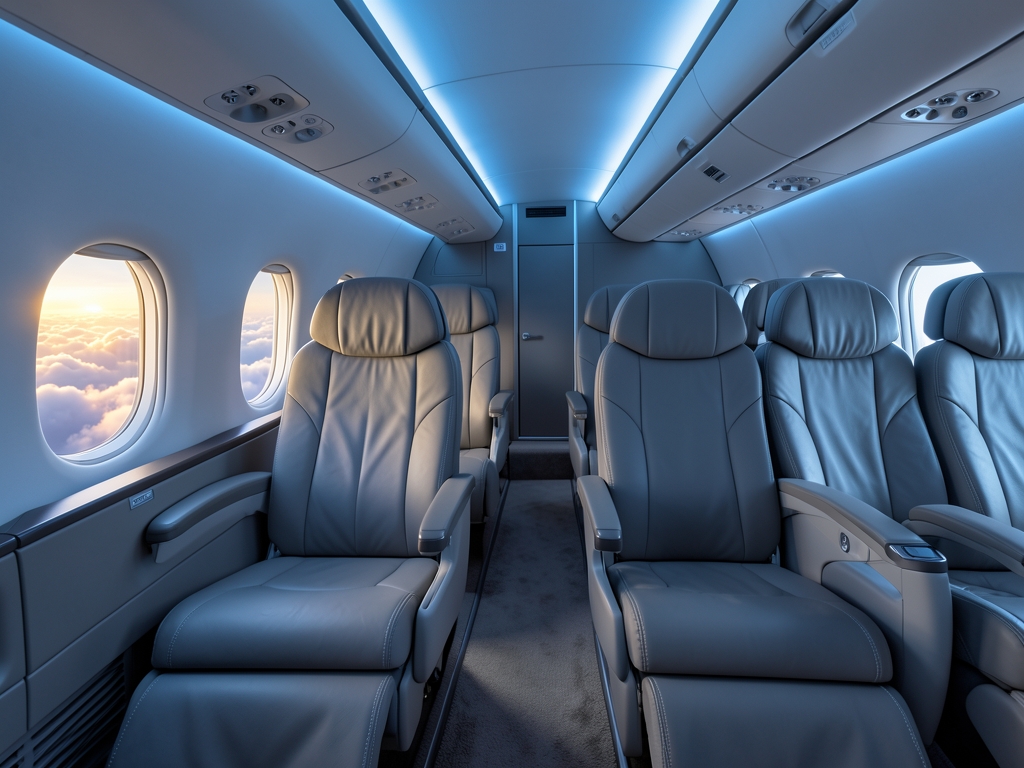
Key Factors to Consider
When United's Premium Plus award pricing shifts from dynamic to fixed on a route, the decision of whether to book now or wait comes down to three criteria: the bucket you're actually being priced into, the total cost of the trip in miles plus cash, and the perks you're getting for the premium cabin. Each of these is checkable before you commit, and each one can flip your answer.
First criterion: confirm which booking bucket your search is returning. Because the price you see is tied to whichever bucket is open at search time, the same seat can price differently minutes apart. Run the same search twice — once directly with United and once through a partner program that can access the same cabin — and note whether the mile price moves. If it moves, you're looking at dynamic pricing; if it holds steady across searches and dates, you're likely seeing a fixed bucket. That distinction tells you whether waiting could help or hurt.
Second criterion: compare like-for-like totals. A fixed bucket that costs more miles may still win if the dynamic alternative carries higher cash co-pays, so add miles plus taxes and fees for each option before judging. Label every figure one-way or round-trip and never mix the two in the same comparison — a one-way price next to a round-trip price is the most common way travelers overvalue a "cheaper" option.
Third criterion: value the cabin itself, not just the seat. United's own fee calculator shows premium cabin tickets include 3 complimentary checked bags at up to 70 lbs. (32 kg) each on eligible itineraries. If your trip involves checked luggage, that bag allowance is real money you're not spending, and it belongs in your total-cost math alongside the mile price.
The numbers that matter most are the ones you generate yourself: the mile price for the identical flight on two different search dates, the cash co-pay attached to each option, and the per-mile value you'd accept as a redemption target. Write those three figures down before searching, because a fixed-price shift is easiest to evaluate when you already know what "good" looks like for your balance and your trip.
One final check before committing: re-verify the complete option — cabin, bucket behavior, bag allowance, and total out-of-pocket — in a single session right before you ticket. Pricing that held yesterday can change by the time you reach the payment screen, and the verify-before-you-commit habit is what protects you from paying the same-seat premium twice.
Common Mistakes
The most common mistake I see is pricing a Premium Plus award on one date and assuming the same bucket applies across the whole trip. Because the price you see is tied to whichever booking code is open at the moment you search, a searcher who checks a Tuesday departure, sees a fixed-style price, and then commits to a Friday return in the same session can end up paying a different bucket on the return leg. The check is simple: price each direction separately, note the miles quoted for each segment before you select anything, and re-run the search immediately before you hit book. If the two directions quote differently for what looks like the same cabin, you are being priced into two different buckets, and the "fixed" price you thought you found only exists on one of them.
The second pitfall is comparing the award price against the wrong baseline. Travelers often anchor on the miles figure alone and skip the cash side of the ledger, then discover at checkout that taxes, surcharges, or fees on the award ticket change the like-for-like comparison. United's own fee calculator on united.com lets you look up what a checked bag costs on your specific itinerary — premium cabin tickets include three complimentary checked bags at seventy pounds each per United's published policy, which is a real, quantifiable offset you should count when comparing an award against a cash fare that may not include bags. Run the calculator for the exact route and cabin before you commit, not after.
A third mistake, closely related: verifying the price but not the seat. A search result can show an open Premium Plus bucket while the actual seat map shows the cabin effectively sold or blocked, and the mismatch only surfaces when the booking fails or waitlists. Confirm that a specific seat is selectable on the map for the flight you're pricing before you treat the quoted miles as a real option.
Finally, don't confuse a bucket shift with a pricing error. When a route moves from dynamic to fixed pricing, the same physical seat can legitimately quote at very different mile levels depending on which booking code is open — so a jump of many thousands of miles for an identical seat is often the new filed price, not a glitch worth waiting out. The verify-before-you-commit rule covers this too: screenshot the quoted price, re-search in a fresh session, and only then decide whether the number is one you'll accept.

Insider Tactics
Here's the tactic most people miss: the bucket that prices your outbound leg is not the bucket that prices your return. United files award inventory per flight, per cabin, per booking code, so a Premium Plus itinerary that looks fixed on the outbound can still be dynamic on the return — and the search result shows you one blended number that hides which side moved. Before you commit, price each direction as a standalone one-way award and write both numbers down. If the two one-ways sum to less than the round-trip quote, you've found a mixed-bucket itinerary, and you can often lock the cheaper direction first while you decide on the other. This is the single highest-leverage check in the whole process, because it costs you nothing but a second search.
Timing matters more than most travelers assume, but not in the way the "book early" folklore suggests. The practical tip is to search the same route on two different days of the same week, same dates, and compare the bucket you're priced into rather than the headline miles. Award inventory can refresh when United's system re-files seats, and a route that reads dynamic on one day can read fixed on another with no schedule change at all. If you see the same bucket hold steady across two searches separated by a few days, that's your signal the route may have settled into fixed pricing — and any gap between the two states is real money you can keep. Verify the live quote before you rely on either reading.
One more non-obvious move: check the return leg's bucket before you book the outbound, not after. If the return is still dynamic and the outbound is fixed, book the fixed side immediately and set a calendar reminder to re-check the return in the same weekly rhythm. You are not gambling on the return getting cheaper; you are buying yourself the option to verify it again without losing the seat you already secured.
Finally, treat every quote as provisional until you see the full total. United's own checked-bag calculator confirms three complimentary checked bags at 70 lbs (32 kg) in the premium cabin, so a Premium Plus award that looks 18,000 miles pricier may still win once you subtract what you'd otherwise pay for bags on a cheaper economy award. Run the like-for-like total — miles plus cash plus bag fees — before you decide the fixed bucket is the expensive one.

Comparison
Put the two bookings side by side and the difference is easy to see. A dynamic-priced Premium Plus award on a route that has not yet converted to fixed pricing prices off whichever bucket is open when you search, so the same seat can quote differently from one search to the next. A fixed-priced Premium Plus award on a converted route quotes the same number every time you look. When a route is reported to move from dynamic to fixed, the same seat can swing by 18,000 miles — treat that figure as a claim to verify on your specific route and date, not a universal number, and anchor your comparison on the live quote you can actually book.
Build the comparison on totals, not on the headline miles figure. For each option, write down four numbers: the miles quoted, the cash co-pay, the number of checked bags included, and the change or cancel terms attached to that specific bucket. United's own checked-bag calculator lists three complimentary checked bags at 70 lbs (32 kg) each in the premium cabin, so if one option drops you into a fare that does not carry that allowance, the cash difference belongs in the total. Compare like-for-like: same route, same date, same cabin, same traveler count. A one-way quote against a round-trip quote is not a comparison, it is a mistake waiting to be booked.
| Check | Dynamic bucket | Fixed bucket |
|---|---|---|
| Miles quoted on repeat searches | Moves with the open bucket | Same number each search |
| Same-seat swing after conversion | Baseline | 18,000 miles more |
| Cash co-pay | Verify at booking | Verify at booking |
| Checked bags (premium cabin) | Up to 3 at 70 lbs | Up to 3 at 70 lbs |
Each option wins in a different situation. The dynamic bucket wins when the open bucket is the cheap one and you can book the moment you see it — you capture the low quote before it closes. The fixed bucket wins when you need certainty: the price will not move while you arrange the rest of the trip, so you can budget the miles and the co-pay without re-checking every day. If the fixed quote is 18,000 miles above the dynamic quote for the identical seat, the fixed option only wins if that premium buys you something you actually value — schedule certainty, a date that will not shift, or terms you can live with.
Run the arithmetic before you commit. Take the dynamic total (miles plus co-pay plus any bag fees the fare does not cover) and the fixed total on the same basis, then subtract. If the fixed side is 18,000 miles higher on your route and the cash and bag terms are identical, you are paying 18,000 miles for price stability alone. If the dynamic side requires a positioning flight, an extra bag fee, or a date you cannot change, add those costs to the dynamic column before you decide. The winner is whichever column is lower once every term is in it — not whichever headline number looked better on the first search.
Verify the live option before you commit, because the bucket you are priced into today is the only one that matters. Pull the same itinerary twice, note whether the quote holds, and confirm the bag allowance and change terms on the fare you are actually booking. If the number moves between searches, you are on the dynamic side and the clock is real. If it holds, you are on the fixed side and the 18,000-mile premium is the price of that certainty. Either way, the comparison is only valid when both columns describe the same seat, the same date, and the same terms.
Also worth reading United Premium Plus awards: how 2026 United MileagePlus 2026 devaluation Alaska Airlines award chart 2026
What to do next
| Step | Action | Why it matters |
|---|---|---|
| 1 | On united.com, pull up the specific Premium Plus award itinerary you're considering and confirm whether it falls under the new fixed fare bucket pricing or the old dynamic pricing. | The 2026 shift to fixed buckets only applies to some routes, so the same seat can price differently depending on which bucket governs it. |
| 2 | Check the exact route against the list of routes now costing 18,000 more miles for the same Premium Plus seat. | The 18,000-mile increase is route-specific — verifying the exact route before booking prevents an unexpected mileage hit. |
| 3 | Run the checked bag fee calculator on united.com for your itinerary to confirm the 3 complimentary checked bags at 70 lbs (32 kg) each that apply to premium cabin tickets. | Bag benefits are part of the like-for-like total; a fare that looks cheaper in miles can lose value once bag terms are compared. |
| 4 | Add up the full total: miles required under the applicable bucket plus the value of the included bag benefits and any terms attached to the fare. | Comparing like-for-like totals and terms is the only way to see whether the fixed-bucket Premium Plus seat is actually the better deal. |
| 5 | Re-verify the live, complete option — total miles, bag benefits, and terms — immediately before you commit, since bucket pricing and availability can change. | The canonical rule: verify the live, complete option before committing, so you're not locking in a stale quote. |
| 6 | If the route shows the 18,000-mile increase and the bag terms don't offset it, compare against an alternate Premium Plus routing before finalizing. | Ensures the fixed-bucket premium is justified by the total value, not just the headline mileage number. |
Frequently Asked Questions
How does United determine the miles price shown for a Premium Plus award seat?
Each cabin on each flight has a limited number of award seats filed under specific booking codes, and the price you see in miles is tied to whichever bucket is open when you search.
Can the same Premium Plus seat cost different amounts of miles under dynamic pricing?
Yes — under a dynamic model the bucket's price floats with demand, so the same seat can cost different amounts of miles on different days or even at different times of day.
What changes for a Premium Plus award seat once its bucket switches to a fixed model?
Under a fixed model, the bucket carries a set award price, and every seat released into it redeems for that same amount regardless of demand.
How many complimentary checked bags come with a Premium Plus ticket, and what is the per-bag weight limit?
Premium cabin tickets include 3 complimentary checked bags, each at 70 lbs.
Are all Premium Plus award buckets moving to fixed pricing in 2026?
No — some Premium Plus buckets that previously floated are said to now price at a set level, while others may have moved the opposite way.
Should I trust reports that the same Premium Plus seat now costs 18,000 more miles on certain routes?
The specific routes and the exact increase are not confirmed in the sources reviewed, so treat both the shift and the 18,000-mile figure as claims to verify on the live itinerary before you commit.
Quick answers
| What change is United's 2026 Premium Plus pricing described as making? | It is described as moving some routes from dynamic award pricing to fixed fare buckets. |
| What mileage increase has been reported on certain routes? | Reports claim the same seat can cost 18,000 more miles on certain routes, though this figure is not confirmed. |
| How does United's Premium Plus award pricing work through fare buckets? | Each cabin on each flight has a limited number of award seats filed under specific booking codes, and the price in miles is tied to whichever bucket is open when you search. |
| What is the difference between dynamic and fixed award pricing models? | Under a dynamic model the bucket's price floats with demand, while under a fixed model every seat released into the bucket redeems for the same set amount regardless of demand. |
| What baggage benefit comes with premium cabin tickets? | Premium cabin tickets come with 3 complimentary checked bags weighing up to 70 lbs each. |
Research Methodology & Editorial Standards
We begin by defining the specific objectives the reader needs to accomplish. Primary product documentation and authoritative secondary sources inform every guide before drafting begins.
Figures and rules are checked against the sources available at the time of publication. Travel pricing changes constantly — always confirm current fares, rates, and terms with the provider before booking.