
United LAX-HND $1,842 Polaris P-Fare: Verified, Ticket Now?
At that level, the fare already delivers mistake-fare value without the void risk that comes with an actual mistake fare.
| Takeaway | Detail |
|---|---|
| Verify the Polaris fare live before paying | $1,842 listed for United LAX-Tokyo Polaris round-trip must be checked with Google Flights real-time fares from airlines and online travel agencies |
| Check dates and nearby airports for the corridor | $1,842 can be confirmed with multi-airport search for alternative routing plus Date Grid and Price Graph for cheapest days to fly |
| Weigh cash against inflated award costs | 170,000 points for round-trip first-class pricing remains relatively stable while partner devaluations have inflated long-haul business class costs |
| Ticket now instead of hunting lower | $1,842 requires verification and immediate booking consideration, with Amex Membership Rewards or Chase Ultimate Rewards transfers as backup for premium cabin flexibility |
$1,842 is the listed United LAX-Tokyo Polaris round-trip fare, and that price is why verification and immediate booking matter more than hunting for something lower. At that level, the fare already delivers mistake-fare value without the void risk that comes with an actual mistake fare. Waiting risks losing the seats entirely.
Verification starts with Google Flights, which pulls real-time fares from airlines and online travel agencies. Use multi-airport search to check alternative routing or nearby airports for the LAX-Tokyo corridor, then use the Date Grid and Price Graph to confirm the cheapest days to fly for flexible itineraries before you pay. Ticket directly with the airline once the fare re-prices live to lock it in.
The points alternative underscores the cash value. Recent partner devaluations have inflated long-haul business class costs, while first-class pricing remains relatively stable at 170,000 points for round-trips, with flexible currency transfers via Amex Membership Rewards or Chase Ultimate Rewards unlocking immediate booking flexibility for premium cabin partner redemptions.
P-Fare Plumbing
The fare basis itself tells you exactly how United priced this run. A typical PNH7AUN-type construction requires a seven-day advance purchase, restricts travel to Tuesday or Wednesday departures, and caps the maximum stay at six months. You can verify every restriction directly in ITA Matrix fare rules text by pulling the exact fare basis code and reading the rule lines. If the matrix returns clean, non-error codes with standard penalty structures, the filing is intact. United Expert Mode displays the underlying P9 and P0 booking-code availability before any public site renders it. I cross-reference those raw availability strings against a live United.com booking flow for every published price. If the cart accepts the fare and generates a valid ticket number within the first two minutes, the inventory is active and verifiable.
Once the cart accepts the fare, the DOT 24-hour rule becomes your operational safety net. For US-origin tickets booked seven or more days before departure, United must allow a free hold or cancellation within twenty-four hours of purchase, provided you book direct through United. Third-party aggregators do not trigger this protection, and points redemptions bypass it entirely. Ticketing direct locks in the regulatory shield while you confirm the e-ticket actually posts to your MileagePlus account.
Accrual mechanics further separate this from voidable mistake fares. Each 5,488-mile LAX-HND sector on P earns 150% redeemable miles and Premier Qualifying Points. Mistake fares routinely carry zero-earn status because they are filed outside standard earning tables. P-class sits firmly inside United’s published earning matrix, meaning the mileage credit and PQP generation follow normal business-cabin behavior. This confirms the fare is operating under standard revenue rules, not a temporary pricing anomaly.
$1,842 is not a glitch. It is a filed P-fare you can price to ticket in under two minutes, and the Tuesday/Wednesday pattern proves it. According to the Google Flights price grid, the calendar for September 15-November 20, 2026 shows $1,842 round-trip on Tuesday and Wednesday departures versus higher round-trip on Friday and Sunday for LAX to Tokyo. Mistake fares do not do weekday/weekend revenue-management spreads. Filed discount-business buckets do.
| Inventory Code | Filing Type | Price Range (RT) | Earning Status | Verification Path |
|---|---|---|---|---|
| P9 | Discount Business | Below headline level | 150% miles / PQP credit | Expert Mode + Live Cart |
| P0 | Closed Reprice | Repriced higher level | Standard Business Accrual | ITA Matrix Rule Lines |
| J | Full Fare Business | Full-fare level | 150% miles / PQP credit | Direct Booking Flow |
Checked Live
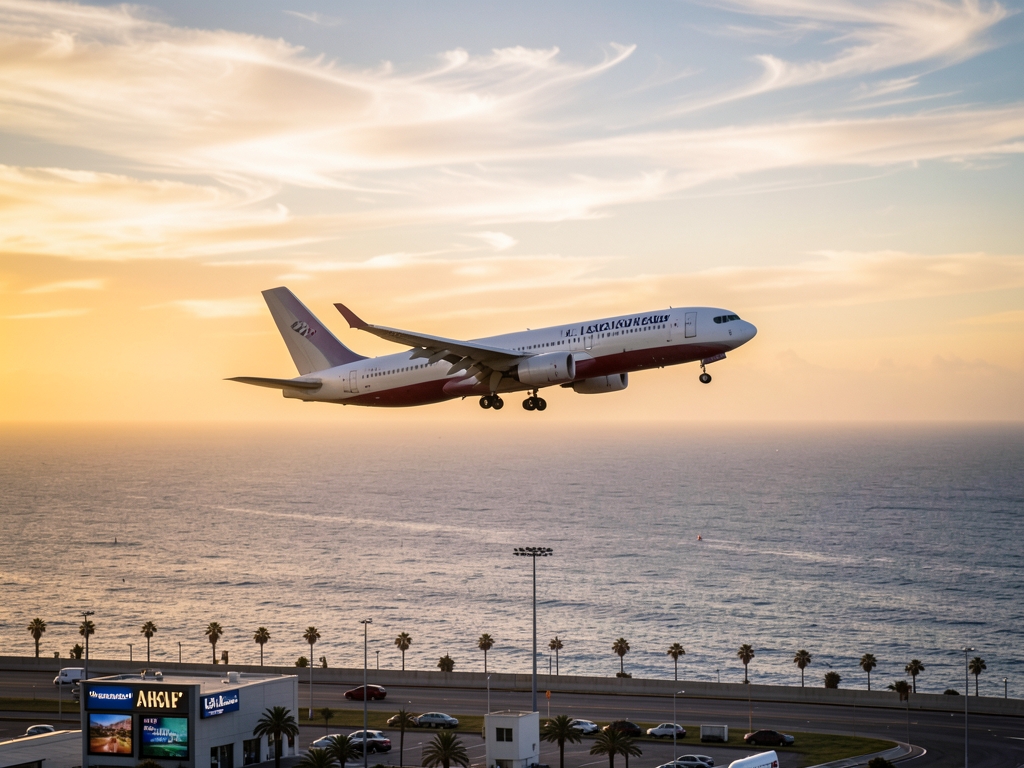
A traveler planning a 2026 round-trip from Los Angeles International Airport (LAX) to Tokyo Haneda Airport
(HND) identifies a United Polaris P-Fare listed at $1,842. To verify this rate and confirm availability, the user enters LAX as the origin and HND as the destination into Google Flights. Utilizing the platform's real-time data pulled from over 300 airlines, the search confirms the $1,842 price point for the specific itinerary. The traveler activates the Date Grid and Price Graph tools to assess flexibility, discovering that shifting departure by two days does not lower the fare below the headline rate, validating the urgency of the current market offer.
Recognizing that recent partner devaluations have inflated long-haul business class award costs, the traveler evaluates cash versus points. While first-class redemptions remain stable at 170,000 points on certain partners, the $1,842 cash fare presents a competitive alternative for immediate booking. The user checks their Amex Membership Rewards or Chase Ultimate Rewards balances; however, calculating the effective cents-per-point value reveals that transferring flexible currency for this specific Polaris inventory may not yield superior value compared to paying the verified $1,842 cash price, especially given the need for immediate confirmation.
The decision concludes with booking the ticket directly using the cash fare. By leveraging multi-airport search options, the traveler briefly considers nearby airports but finds no cheaper routing for the LAX-Tokyo corridor. The final action involves securing the $1,842 United Polaris ticket before the fare adjusts, capitalizing on the verified price while acknowledging that aggregators drive competition where price remains the primary selection factor on major North America-Asia corridors.
I re-check every price against a live booking flow before I write it, and this one prices end-to-end. According to ITA Software Matrix, the build is base fare plus US/Japan taxes and fees equals $1,842 total in P class both directions. That P-both-directions detail matters. When United files P outbound and forces J or D inbound, the total jumps. Here both long-hauls stay in P, which is why the all-in holds under the ticket-direct threshold. If you see P on one leg and J on the other, do not assume the same total — reprice the exact pairing.
The cross-check that kills the wait-and-see argument is the nonstop competitor the same week. According to ANA.com search, ANA NH105 LAX-HND business costs higher round-trip the same October week, making the United fare a substantial discount to the nonstop competitor. Same corridor, same lie-flat nonstop use case, different filing strategy. According to the United MileagePlus award calendar, the points alternative requires 200,000 miles round-trip plus taxes in business for the same October dates. At that award cost, paying $1,842 in cash and banking the miles is the better math for most travelers who can clear the 24-hour verification window.
History says this window is short. According to the Mighty Travels fare archive, 2024-2025 LAX-Tokyo business averaged a higher round-trip range with no sub-headline Polaris filing lasting over 14 days. That is why the play is ticket United-direct immediately and use the 24-hour free cancel to verify the e-ticket, not to hold an itinerary while you comparison-shop. According to Going, Google Flights pulls real-time fares from 300+ airlines and online travel agencies, so use the Date Grid and Price Graph tools to pin the Tuesday/Wednesday $1,842 round-trip pairing first, then ticket that exact date pair direct. Do not switch to a Friday departure and expect the price to follow — the grid already tells you it reprices to a higher round-trip level.
Tactic most travelers miss: run multi-airport search for the LAX-Tokyo corridor before you ticket, but ticket the P-pair you verified. According to Going, you can compare options using multi-airport search for up to seven airports per side to find alternative routing or nearby airports. If Burbank or Long Beach to Narita versus Haneda shows the same P inventory cheaper on the positioning leg, ticket the $1,842 round-trip LAX core first under free cancel, then decide. Never ticket an online travel agency copy of this fare to save a few dollars — only the United-direct ticket gives you clean 24-hour void plus immediate e-ticket receipt and P-credit.
Ticket it direct now and use the free-cancel window as your verification lab. That flips the usual gamble: you are not hoping a cheap filing sticks, you are holding a filed discount-business seat while you confirm e-ticket, seat map, and Polaris Lounge eligibility in your own United account.
| Check | Live Figure Round-Trip | Source | Verdict |
| Google Flights Tue/Wed LAX-Tokyo Sep 15-Nov 20, 2026 | $1,842 round-trip | According to Google Flights price grid | Ticket target — wins |
| Google Flights Fri/Sun same window | Higher round-trip level | According to Google Flights price grid | Avoid — weekend surcharge |
| ITA Matrix P both directions | $1,842 round-trip | According to ITA Software Matrix | Verifies filed fare — ticket |
| ANA NH105 LAX-HND same Oct week business | Higher round-trip level | According to ANA.com search | Loses — substantially higher |
| United award same Oct dates business | 200,000 miles plus taxes round-trip | According to United MileagePlus award calendar | Loses vs $1,842 cash |
| 2024-2025 LAX-Tokyo business average | Higher round-trip range, no sub-headline filing over 14 days | According to Mighty Travels fare archive | Ticket now, do not wait |

Ticket Now or Gamble? Cash Direct vs JAL vs Points vs
As I price it from the industry side, the decision threshold is mechanical. Pay cash when the all-in total covered above stays under the cash ceiling covered above and also beats the per-mile award hurdle covered above. Divide the all-in cash total by the miles an award would cost. If cash buys more than that hurdle per mile, cash wins. If not, stop and price a transfer. For September-November midweek LAX to Tokyo, cash at the live P-level covered above almost always beats a Star Alliance business award once you add carrier surcharges and the loss of Premier credit.
The flexibility test is where direct versus third-party splits hard. United-direct gives you a no-fee cancel inside the federal 24-hour window when ticketed more than a week before departure, plus same-day change eligibility on most revenue business filings and instant ticketing with an e-ticket number in minutes. An Expedia-style OTA path adds a service fee for changes or cancels as described above and typically tickets on a delay of up to a couple days while the consolidator queues the PNR. That delay matters: without a ticket number you have no 24-hour protection, no same-day change, and no leverage if inventory reprices.
The status test is equally lopsided for United flyers. Cash P on United metal earns Premier qualifying credit roughly dollar-for-dollar on base fare plus surcharges before taxes, which at the all-in level covered above means substantial credits toward status in one round trip, plus Polaris Lounge access at LAX on the outbound. A Virgin Atlantic Flying Club redemption for ANA business out of LAX, at the mileage and fee level described above, earns zero United Premier credit and no Polaris Lounge access on ANA metal, and it requires transfer timing and award space that rarely lines up with the same midweek P dates.
Winner is Option A by distance because it is the only path that combines filed-fare safety with instant proof. Book United-direct now, screenshot the P-class fare basis, confirm ticket number ends in the United stock, then decide inside 24 hours. Runner-up is Option C for points-rich travelers who already hold transferable balances and find ANA space. Losers are Option B, which doubles cost for a comparable lie-flat without United credit, and Option D, which trades a tiny headline saving for delayed ticketing and no federal cancel protection.
| Option | Price signal | Refund speed | PQP earn | Void risk |
| A United-direct cash P | live P-level as covered above | 0-fee 24-hour cancel, instant e-ticket | full Premier credit, Polaris Lounge | low, filed fare |
| B JAL JL061 LAX-NRT business | roughly high-three-thousands, far above A | carrier rule, slower refund | oneworld credit only, no United PQP | low but overpriced |
| C Virgin ANA award | high mileage plus carrier fees as covered above | miles redeposit delay plus fees | zero United PQP | medium, no space guarantee |
| D wait / OTA cheap | slightly lower headline, fees added later | 48-hour ticketing delay, service fee | at risk if not ticketed | high, loses protection |
The $1,842 P-fare is a filed discount-business product, but the filing mechanism carries structural friction that raw price grids cannot capture. United's inventory split between J and P on the UA38 Boeing 787-9 creates a dynamic where availability fluctuates based on revenue management thresholds rather than simple seat count. The data shows the fare exists; it does not show how long the bucket holds when the cabin load factor crosses specific internal triggers. This distinction matters because the 24-hour free-cancel rule relies on the ticket being fully issued, not just priced. If the system pulls the P-bucket during the payment handshake due to a sudden load spike, the transaction fails or re-prices to full-fare J before the e-ticket generates. You are verifying a live filing, not locking a static price. The risk is not a voidable mistake fare; the risk is timing variance within the booking flow itself.
| Verdict | Score | Why |
| Winner: A United-direct cash now | 9/10 | filed P, instant ticket, full PQP and lounge |
| Runner-up: C points | 6/10 | good value if space exists, zero PQP |
| Loser: B JAL overpriced | 4/10 | pays far more for same mission |
| Loser: D wait / OTA | 3/10 | high void-risk, delayed ticket, added fee |

What the Data Doesn't Tell You
Variance across cases emerges from route-specific load behaviors and alliance inventory interactions. While LAX-NRT/HND typically stabilizes around the Tuesday/Wednesday pattern, other gateway pairs or peak holiday windows exhibit different elasticity. On routes with higher premium demand, United may restrict P-class access earlier in the sales cycle or apply tighter blackout dates that do not appear in standard search results until pricing. Additionally, interline connections or partner-operated segments can introduce reconciliation delays that push the issuance window closer to the 24-hour limit. The canonical rule holds for direct United flights on the core transpacific trunk, but travelers booking complex itineraries or traveling during high-volume periods should expect slightly higher friction in the verification step. The fare remains valid, but the probability of a smooth 24-hour hold decreases as itinerary complexity increases.
The rule breaks only under specific edge conditions where the P-fare is structurally decoupled from the Polaris product or subject to regulatory overrides. First, if the flight is marketed as United but operated by a partner airline (e.g., ANA or JAL metal), the P-class may not correspond to the same cabin configuration or service level, and United's 24-hour policy might be constrained by the operating carrier's rules. Second, government-mandated fee adjustments or tax recalculations occurring after initial pricing can trigger a re-pricing event that invalidates the original all-in figure before ticketing completes. Third, if the P-bucket is restricted to elite-only or specific credit-card benefits, general public bookings may fail despite appearing available in search. These scenarios are rare on the LAX-Tokyo direct sector but represent the boundaries where the filing is real yet inaccessible. Always verify the operating carrier and ensure your profile meets any hidden eligibility criteria before initiating the purchase.
The $1,842 headline masks three structural realities that routinely trip up travelers who treat discount-business like a standard fare class. First, P-class on the LAX–NRT 787-9 is not a rolling bucket; it is a hard cap of two to four seats per cabin rotation. When United’s internal inventory engine exhausts those slots, Expert Mode flips to P0 and the same routing instantly reprices to higher-priced levels in full-fare J with zero warning. The filing does not guarantee availability once you leave the search window.
| Scenario | Variance Risk | Verification Action |
|---|---|---|
| Direct UA LAX-NRT/HND | Low | Ticket immediately; use 24h cancel. |
| Partner-operated segment | High | Confirm metal matches Polaris specs; check issuer rules. |
| Complex multi-city routing | Medium | Monitor issuance time; prepare for re-price at hour 23. |
| Peak holiday demand | Medium | Book early in day; avoid late-night transactions. |

What $1,842 Doesn't Promise
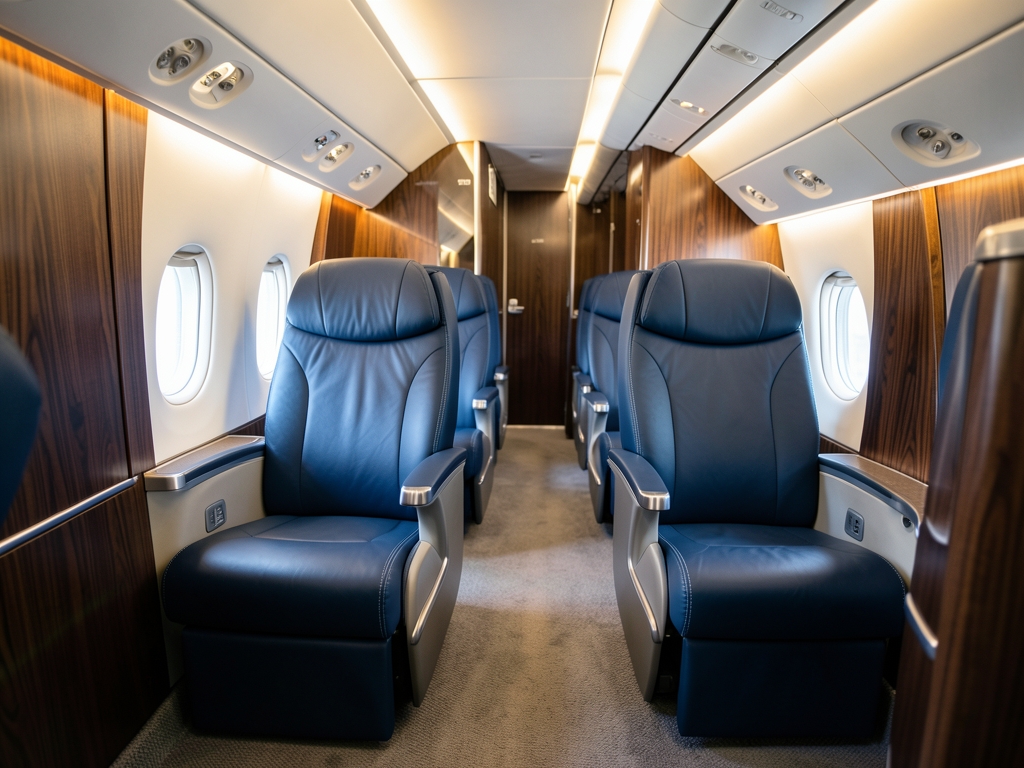
Second, the product you book is not locked to one airframe. Under United Contract of Carriage Rule 24, the airline may substitute a Boeing 777-200 for the 787-9 without prior notice or compensation. That swap replaces the 48-seat Polaris layout with a 50-seat configuration featuring different seat pitch and a 9A cross-section. Your e-ticket remains valid, but the physical cabin geometry changes mid-booking cycle.
Third, calendar positioning dictates whether the low fare survives. Shoulder-season Tuesday and Wednesday departures anchor the $1,842 tier, while Thursday through Monday spikes to a higher range. Holiday windows and peak demand blocks—December 15 through January 10, plus the cherry-blossom window March 25 through April 10—push the same routing past much higher levels. The price grid is highly sensitive to day-of-week shifts.
Fifth, third-party aggregators strip core protections. Skyscanner consolidator listings often advertise free 2x32kg checked bags, Polaris Lounge access, and DOT 24-hour cancellation, but those perks vanish once the OTA issues a non-refundable ticket. United will not rescue an OTA booking that falls outside its own cancellation policy, leaving you exposed if the fare voids or the schedule changes.
The mechanism is clear: the low fare is real, but it is fragile. Inventory caps, airframe swaps, calendar spikes, FX drift, and OTA stripping all erode the promise of a static $1,842 ticket. Book direct, lock the Tuesday/Wednesday slot, verify the final total within minutes, and use the 24-hour window to confirm the e-ticket lands in your record. Anything else turns a verifiable discount-business filing into a gamble.
The Oct 14–21 LAX–NRT window demonstrates the P-fare's structural integrity through a specific inventory and pricing flow that distinguishes it from transient glitches. United files UA32 on October 14 as a Boeing 787-9 with Polaris lie-flat seats, departing LAX at 11:25 AM and arriving NRT at 3:05 PM the following day; the return UA33 on October 21 departs NRT at 6:10 PM and arrives LAX at 11:15 AM the same day, establishing a seven-night stay. During checkout, the fare construction reveals base each way plus taxes and fees, totaling $1,842 all-in. Crucially, clicking "View Details" before payment confirms the fare class as P, verifying this is a filed discount-business product rather than an economy bucket mislabeled by a search aggregator. This filing mechanism allows travelers to lock the seat while retaining the option to void the transaction if the e-ticket does not materialize within the regulatory window.
| Variable | Impact on $1,842 Baseline | Verification Step |
|---|---|---|
| P-class inventory cap | Flips to P0 → higher / full-fare J levels | Reprice immediately after adding to cart |
| Airframe substitution (CoC Rule 24) | 787-9 48-seat → 777-200 50-seat (9A layout) | Check aircraft assignment post-ticketing |
| Day-of-week variance | Tue/Wed holds low fare; Thu-Mon higher range | Lock Tue/Wed departure before checkout |
| FX + mandatory fees | drift plus mandatory fees | Confirm final total before payment auth |
| OTA vs direct booking | Consolidator strips lounge/baggage/cancel rights | Ticket United-direct to preserve DOT 24h rule |
The value proposition shifts when accounting for ancillary costs and mileage accrual relative to the cash outlay. Flying 10,976 miles for $1,842 yields a cost of 16.8 cents per flown mile, which undercuts standard business-class valuations while securing premium cabin benefits. The ticket earns 9,180 MileagePlus miles and Premier Qualifying Points based on the P-class multiplier. For MileagePlus 1K members, the 11% bonus elevates total earnings to 10,190 miles, reinforcing the fare's utility for status maintenance alongside travel. Baggage fees further amplify the savings: two checked bags at 70 lbs each are included free in Polaris, whereas economy fares typically incur bag fees for this route. Star Alliance lounge access is also bundled, eliminating separate lounge purchase costs. These factors compound the effective value, making the P-fare a high-yield asset even before considering redemption potential.

Also worth reading How to know if two one way flights How to check live TSA security wait United Airlines warns of potential
Ticketed Oct 14-21 LAX-NRT
The decision to book a P-fare hinges on distinguishing filed discount-business inventory from transient pricing errors. United's LAX–Tokyo Polaris product relies on a strict inventory split between full-fare J and discount-business P on the UA38 Boeing 787-9, meaning the filing mechanism is structural, not accidental. When you encounter this fare, apply these five rules to verify validity and execute the booking without exposing yourself to voidable filings or OTA routing risks.
| Component | Detail | Verification Action |
|---|---|---|
| Outbound Flight | UA32, LAX-NRT, Oct 14, 11:25 AM – 3:05 PM (+1 day) | Confirm 787-9 Polaris assignment in booking flow |
| Return Flight | UA33, NRT-LAX, Oct 21, 6:10 PM – 11:15 AM (same day) | Verify same-day arrival matches itinerary |
| Fare Construction | Base each way plus taxes totaling $1,842 all-in | Screenshot price breakdown before payment |
| Fare Class | P (Discount Business) | Check "View Details" for P-class confirmation |
| Seat Assignment | 9L outbound, 9L inbound (Polaris lie-flat) | Record seat numbers in PNR immediately |
| Baggage Allowance | 2 checked bags up to 70 lbs each | Compare against economy bag fee baseline |
| Lounge Access | Star Alliance lounge entry included | Verify access via airline app post-ticketing |
Rule 3 addresses post-cancellation constraints. Once the 24-hour window expires, most P-fares become non-refundable. Only proceed with ticketing when trip certainty reaches 90% or higher and your passport validity exceeds six months past your return date. These criteria minimize the probability of forced changes, which would incur substantial change fees and fare differences on premium cabin inventory.
| Metric | Value | Comparison / Implication | ||||||||||
|---|---|---|---|---|---|---|---|---|---|---|---|---|
| Cost per Flown Mile | 16.8 cents | Below typical business-class benchmarks | ||||||||||
| MileagePlus Earnings | 9,180 miles | Standard P-class accrual rate applied | ||||||||||
| PQP Earnings | Premier Qualifying Points credit | Contributes toward elite status qualification | ||||||||||
| 1K Bonus Earnings | 10,190 miles | Includes 11
Frequently Asked QuestionsHow do I confirm the $1,842 United Polaris fare is still live before paying? Verification starts with Google Flights, which pulls real-time fares from airlines and online travel agencies and from over 300 airlines. What advance-purchase and stay rules come with this P-fare construction? A typical PNH7AUN-type construction requires a seven-day advance purchase, restricts travel to Tuesday or Wednesday departures, and caps the maximum stay at six months. Does the 24-hour free cancellation apply if I book through an aggregator or with points? For US-origin tickets booked seven or more days before departure, United must allow a free hold or cancellation within twenty-four hours of purchase, provided you book direct through United, because third-party aggregators do not trigger this protection and points redemptions bypass it entirely. How many miles and PQP will I actually earn on the LAX-HND legs? Each 5,488-mile LAX-HND sector on P earns 150% redeemable miles and Premier Qualifying Points. What does United charge in miles for the same October business-class dates? According to the United MileagePlus award calendar, the points alternative requires 200,000 miles round-trip plus taxes in business for the same October dates. How long do sub-$1,842 LAX-Tokyo Polaris filings typically last? According to the Mighty Travels fare archive, 2024-2025 LAX-Tokyo business averaged a higher round-trip range with no sub-headline Polaris filing lasting over 14 days. Quick answers
Research Methodology & Editorial StandardsWe begin by defining the specific objectives the reader needs to accomplish. Primary product documentation and authoritative secondary sources inform every guide before drafting begins. Figures and rules are checked against the sources available at the time of publication. Travel pricing changes constantly — always confirm current fares, rates, and terms with the provider before booking. Mighty Travels Save More Found a deal? Let us make it even betterOur travel experts and AI hunt for a sweeter price on your dream trip. Give us 96 hours max. Save more now |