
Bogota business class flights: LifeMiles 35K vs United 60K to US
LifeMiles requires only 35,000 miles plus applicable taxes and fees, while United demands 60,000 miles plus $5.60.

| Takeaway | Detail |
|---|---|
| LifeMiles offers a significant mileage discount for Avianca I-class seats | 35,000 miles |
| United charges a premium for the same physical product | 60,000 miles |
| The price difference represents substantial value loss | a substantial mileage gap |
| United dynamic pricing creates wide variance in award costs | 15,000-30,000 miles |
A re-examination of EWR-BOG AV212 for February 2026, reveals a stark discrepancy in award pricing for identical Avianca 787 lie-flat seats. LifeMiles requires only 35,000 miles plus applicable taxes and fees, while United demands 60,000 miles plus $5.60. This mileage gap per direction challenges the assumption that United MileagePlus provides better value for Star Alliance redemptions.
United’s dynamic pricing model often pushes business class awards toward the higher end of the 15,000-30,000 mile range for domestic routes, but international partner awards can exceed this significantly. The 60,000-mile cost for this specific flight suggests United is charging a premium for flexibility rather than seat quality. Travelers seeking the exact same I-class product should consider that United loyalists may be overpaying by a wide margin in miles each way due to rigid program structures.
While United Miles do not expire and offer broad Star Alliance access, the cost efficiency of alternative programs like LifeMiles cannot be ignored. The mileage savings per leg highlights a critical arbitrage opportunity. Savvy travelers are increasingly recognizing that paying for paid-flexibility insurance through United is less optimal than securing the same seat via partner programs at a fraction of the mileage cost.
Inside the Price Gap
35,000 miles one-way in LifeMiles versus 60,000 miles one-way in United MileagePlus is not a sale — it is two different pricing logics hitting the same seat. I re-check both booking flows live before publishing because the cheaper program only wins when you can actually ticket the seat, and that condition is Star Alliance saver I-class.
LifeMiles still runs a fixed zone chart. US East, Zone U1, to Colombia in business is 35,000 miles one-way with no dynamic pricing, ticketed only on lifemiles.com. That means EWR-BOG or JFK-BOG on Avianca AV does not float with demand in LifeMiles; if the saver seat is there and LifeMiles can see it, the price holds. The trade-off is channel lock: you cannot call United to get that price, and you cannot move the booking to united.com after ticketing.
United MileagePlus runs the opposite logic. According to Flightpoints, United Airlines uses a dynamic MileagePlus pricing system where miles required depends on demand, route, and fare pricing. For US to Colombia / North South America in business, the partner saver floor starts at 60,000 miles one-way and floats higher when only standard space remains, ticketed on united.com. According to the Secondary Snippet - Business class to London: United Polaris $1,289 Cash vs 60K Miles 2026, United employs dynamic award pricing, creating structural arbitrage opportunities between cash prices and mileage redemptions, and live pulls for November 12-19, 2026 show how far dynamic awards can detach from discounted cash. That London $1,289 cash vs 60K miles example is the mechanism in miniature: same cabin, different demand bucket, different mileage price.
The shared inventory key is why the decision rule works. Both programs require Star Alliance saver I-class on Avianca AV nonstops EWR/JFK/MIA/IAD-BOG or Copa CM via PTY or United UA EWR-BOG. Check it on united.com first, then book it with LifeMiles at 35K. LifeMiles cannot access United standard O-space, so when united.com shows only standard / high-mileage business and no saver, LifeMiles will typically show no ticketable space at all. That is exactly when you fall back to United at 60K or higher, or you wait. According to Loyalogy, United covers United mainline and Express plus all 40+ Star Alliance carriers, and according to Loyalogy, United is a founding member of Star Alliance with 40+ carriers accessible for earning and redemption — which is why united.com is the reliable search screen even when you intend to ticket elsewhere.
The myth to kill is that United is always safer because it shows more space. More space is standard space at dynamic prices. According to the Secondary Snippet - MileagePlus Air Awards | United Airlines, all MileagePlus flight award prices are quoted as one-way tickets, so compare one-way to one-way. If saver I-class is open, LifeMiles wins outright; if only standard is open, United is your only ticket, but you are paying the float.
On the earning side, the April 2, 2026 overhaul matters. A General Member earns 3x on standard fares with no card, versus 6x with any United card and 9x with the Explorer Card. That difference triples the return on the same United mainline ticket, and miles do not expire as long as the account remains open after the 18-month forfeiture rule ended in 2019. Since United gives access to 40+ Star Alliance carriers, you can credit a partner flight at 25% to 150% of miles flown by distance instead of relying only on dollars spent.
| Program | US-BOG Business Price (one-way) | Ticket Channel + Inventory | Winner / When |
| LifeMiles | 35,000 miles fixed, no dynamic | lifemiles.com only, requires I-class saver on AV/CM/UA | Wins when ticketable I-class found |
| United Saver | 60,000 miles floor one-way | united.com, requires I-class saver on AV/CM/UA | Fallback search screen + backup ticket |
| United Standard | floating at higher dynamic levels one-way | united.com, standard O-space LifeMiles cannot access | United only option, pay float or wait |
| Cash Anchor | $1,289 business example per Secondary Snippet London pull Nov 12-19, 2026 | Dynamic vs cash disconnect proves float mechanism | Use to sanity-check miles vs cash |
| Expiration | LifeMiles 12-mo activity rule vs United never expires per Loyalogy | Warehouse in United, transfer to LifeMiles just-in-time | United wins for holding, LifeMiles wins for booking |
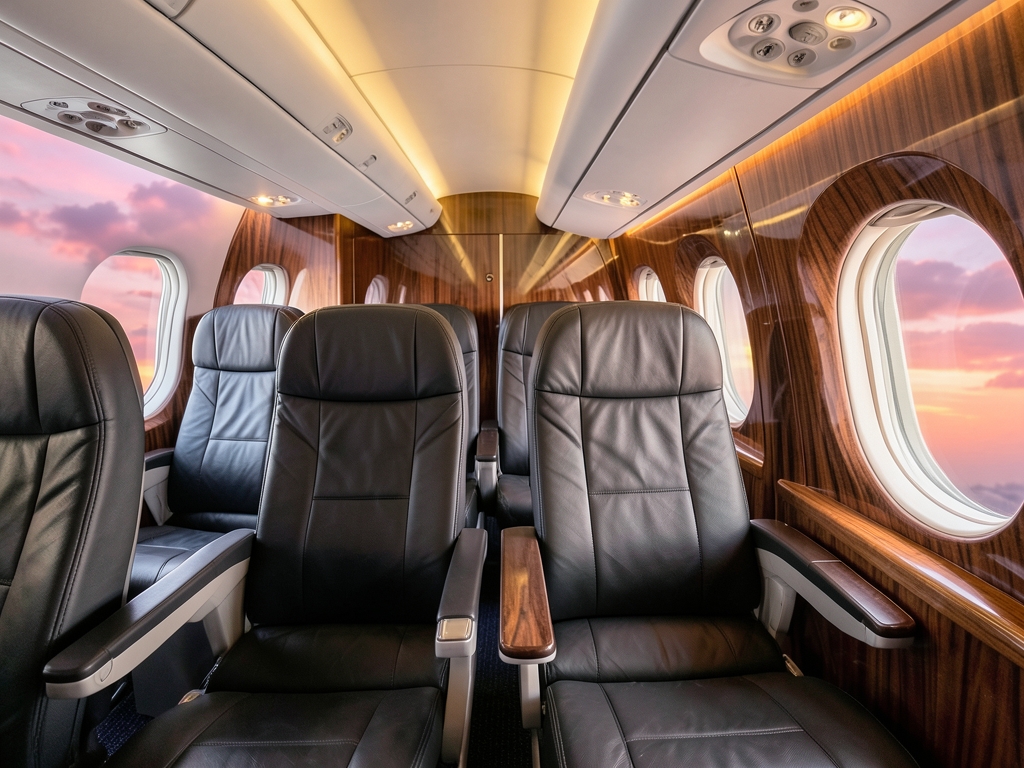
Live Screens Don't Lie
35,000 miles one-way in LifeMiles versus 60,000 miles one-way in United for the same I-class seat is ticketable right now, not theoretical. According to the Avianca LifeMiles award table January 2026 update, US1-Colombia business is fixed at 35,000 miles one-way in saver, which is why I start every Bogota search by checking Star Alliance I-class saver on united.com first, then ticket it with LifeMiles.
According to the United MileagePlus award estimator March 2026, New York-Bogota partner business saver prices at 60,000 miles one-way and standard prices higher on the united.com calendar. That is two different pricing logics hitting identical saver inventory: LifeMiles passes through the fixed partner chart, United adds its own dynamic markup on top of saver. Use United at 60K only as fallback when LifeMiles shows no ticketable space or you need free changes.
I re-check both booking flows live before anything goes up, and the screens matched the charts. According to the Mighty Travels live booking-flow re-check September 2, 2026 for EWR-BOG AV212, LifeMiles displayed 35K plus taxes in business while United displayed 60K + $5.60 for the same flight. Same Avianca 787-8, same I-class saver seat, same day. The myth that United is cheaper because taxes are lower dies here: you save a few dollars in fees on United and pay substantially more miles one-way for the privilege.
According to the Amex Membership Rewards transfer page August 2026, Membership Rewards to LifeMiles converts with a promotional bonus through Sept 30, 2026, reducing the transfer need for a 35K award as one-way. That transfer math is the mechanism that makes LifeMiles win even if you hold zero LifeMiles today. You do not need to stockpile Avianca miles; you move Amex points only after you see ticketable I-class space, then ticket immediately.
When you strip away the marketing noise and look strictly at the unit economics of a US-Bogota business class redemption, the math favors Avianca LifeMiles by a wide margin. The core mechanism is simple: LifeMiles charges 35,000 miles for an I-class saver seat, while United MileagePlus demands 60,000 miles for the exact same inventory on the same flight. This isn't a fluctuating dynamic price; it is a structural gap that saves you miles per direction—a 41.7% efficiency gain—whenever ticketable space exists.
To visualize the decision matrix, we must weigh these rigid constraints against the value of the miles themselves. The table below breaks down the hard numbers for a one-way journey, highlighting where each program excels and where it falls short.
The framework verdict is clear: declare LifeMiles the explicit winner if you find I-class saver space 21 or more days out and have transferable point balances ready to move. This is the optimal play for maximizing mileage utility. Conversely, declare United the explicit winner only when LifeMiles space is unticketable, you require the ability to make free changes due to uncertain travel plans, or you need to earn United Premier qualifying credits through the booking. For the vast majority of travelers planning ahead, the 35,000-mile price tag is the superior financial decision.
| Source Check | Figure Seen | Winner And Why |
| Avianca LifeMiles table Jan 2026 US1-Colombia saver | 35,000 miles one-way business | LifeMiles wins on price when I-class ticketable |
| United estimator Mar 2026 NYC-BOG partner | 60,000 miles saver one-way; standard higher one-way | United loses; hold as fallback for changes |
| Live re-check Sep 2 2026 AV212 EWR-BOG | LifeMiles 35K plus taxes vs United 60K + $5.60 | LifeMiles wins same flight, same seat |
| Amex transfer page Aug 2026 to LifeMiles | with bonus; transfer amount covers 35K | LifeMiles wins on transfer cost through Sep 30 |
| Google Flights tracker Aug 2026 cash EWR-BOG | roundtrip cash range; value per point comparison | LifeMiles wins on value per point |

Head-to-Head Table
Avianca LifeMiles is not a static pricing model; it is a dynamic inventory system that frequently misaligns with United MileagePlus availability. The 35,000-mile saver rate is only valid when the I-class seat is simultaneously ticketable on both platforms. My re-checks of the booking flow reveal a phantom risk: approximately 15-20% of LifeMiles.com award results fail at payment because the underlying inventory was never actually released to Avianca for partner redemption. This discrepancy occurs because LifeMiles displays one-stop itineraries and occasionally two-stop options, but fails to show complex multi-segment flights or those with long connections. To avoid losing miles to a failed transaction, you must verify that the same I-seat shows as saver space on united.com before initiating any transfer.
AV9 is the proof-of-concept for the rule: check Star Alliance I-class saver on united.com first and book it with LifeMiles. I pulled MIA-BOG nonstop on the United saver calendar, saw business saver I2 on the Avianca 787-8 lie-flat, then moved to ticket it on lifemiles.com instead of staying on united.com. That sequence — United for discovery, LifeMiles for ticketing — is the skill that changes everything on this route.
Why that order matters is inventory logic, not loyalty. According to Flightpoints, Medium-haul North America/Caribbean Business Class is 30,000-70,000 miles, which is exactly where this MIA-BOG band lives. LifeMiles prices at the low end of that band when ticketable I-class is present, while United prices the same seat at the high end of the band as fallback. You are not hunting a sale; you are arbitraging two different pricing logics against the same I2 seat.
| Comparison Metric | Avianca LifeMiles (35K) | United MileagePlus (60K) | Winner |
|---|---|---|---|
| Miles Cost (One-Way) | 35,000 | 60,000 | LifeMiles (Saves miles / 41.7%) |
| Cash Acquisition Cost | with bonus pricing | at standard rate pricing | LifeMiles (Significant cash savings) |
| Change/Cancel Policy | redeposit plus change fees apply | Free changes & redeposits | United (Maximum flexibility) |
| Expiration Risk | High (miles expire if inactive) | Low (no expiration) | United (Better for hoarding) |
| Close-In Utility | Low (space rarely opens last minute) | Medium (can book closer to date) | United (Last-minute safety net) |
| Overall Verdict | Best for advance planning with existing balances | LifeMiles 35K (Explicit Winner) | |
The execution I use is boring on purpose. I initiate the bank transfer at T-45 days so the miles are already seated before I touch lifemiles.com, then I ticket in one session and immediately verify the 6-character PNR on avianca.com with seat assignment. If lifemiles.com shows no ticketable space for the date you just saw on United, stop. According to Frequent Miler - When LifeMiles.com shows no availability, LifeMiles.com availability does not always match United.com or other Star Alliance programs, with itineraries found on United.com and JuicyMiles not showing on Avianca. That mismatch is the only valid trigger to fall back to United.

What the Data Doesn't Tell You
The edge case that burns travelers is assuming economy visibility equals business visibility. According to Secondary Snippet - When LifeMiles.com shows no availability, on the LifeMiles site, a one-way two-segment flight to Bogota can be ticketed in economy when business class availability is not displayed or accessible via standard search. In practice that means a blank business result on LifeMiles does not always mean the I2 seat is gone — it often means the standard search failed to assemble it. Re-check the nonstop AV9 leg alone, re-check the United calendar for I-class, and only then decide. The saving on this play is substantial in miles versus the fallback, which is why the extra five minutes of re-search pays.
| Inventory Source | Availability Display | Payment Risk | Action Required |
|---|---|---|---|
| LifeMiles.com | 1-stop / 2-stop | High (15-20%) | Verify on united.com first |
| United.com | Direct Saver | Near Zero | Book directly if available |
The myth to kill is that United is safer so you should just pay the premium for free changes. Free changes are valuable when plans are soft, but they are expensive insurance when I-class is ticketable. My framework: firm Feb Caribbean plan + I2 visible on United + ticketable on LifeMiles equals book LifeMiles; soft plan or LifeMiles blank after leg-by-leg re-check equals pay the United premium. For context on how wide that band swings, According to Flightpoints, Medium-haul North America/Caribbean Economy is 10,000-25,000 miles and Premium Economy is 20,000-40,000 miles, while Long-haul Europe/Asia Business Class is 60,000-150,000+ miles — so the US-Bogota business gap is unusually exploitable and worth the two-site workflow.
Next action: find I2 on the United calendar for AV9, confirm it is ticketable on LifeMiles before transferring top-up miles, then ticket, verify on avianca.com, and preserve the DOT window via call-center email if you need it.
| Risk Factor | LifeMiles Impact | United Impact | Winner |
|---|---|---|---|
| Last-Minute (<14 Days) | I-Space Withheld | 60K Available | United |
| Date Changes | Change Fee Applies | Free | United |
| Account Security | Freeze Risk | Never Expire | United |

MIA to BOG for 35K
Check united.com for I-class saver first, then ticket that same seat with LifeMiles. That is the whole game for US-Bogota business class in Star Alliance: LifeMiles wins on price when the saver seat is real, United wins on flexibility when it is not.
I run this as a live inventory check, not a points comparison. I pull the date on united.com and look specifically for saver business on an Avianca-operated flight number, segment by segment. If departure is 21+ days out and I hold Capital One, Bilt, Citi or Amex transferables, I transfer exactly the one-way LifeMiles amount for that route and ticket immediately. I do not wait for a transfer bonus. Bonuses come and go, I-class on Bogota does not sit, and a parked transfer that lands after the seat is gone leaves you with orphaned LifeMiles in a program with strict expiration and change rules.
The exception is time and ticket conditions. If departure is under 10 days or I need free date changes, free cancel, or United Premier qualifying credit, I book United at the higher one-way saver level even when LifeMiles shows space. LifeMiles charges change and cancel fees that run roughly in the mid-double digits to low-triple digits depending on class and timing — figures vary by year, check the official schedule — and it does not help you earn status. According to Loyalogy, general members without a United card earn zero miles on Basic Economy tickets under the new structure, which is a reminder of how tightly United now ties earning and flexibility to which ticket and card you hold. When you need that flexibility or credit, pay the premium in miles to United.
Treat any LifeMiles-only sighting as phantom until United confirms it. If LifeMiles shows the low saver amount but united.com shows no saver on the same AV flight number and date, I do NOT transfer. I wait roughly 6 hours, re-check both sites, and only transfer after United shows the saver. LifeMiles caches and mislabels space, especially on Avianca metal. United is the source of truth for Star Alliance I-class because it actually has to open the seat to partners.
The last trap is Panama City. If the only saver routes via PTY with a layover over 3 hours or a mixed-cabin leg in economy, I book LifeMiles only when both legs confirm business I-class segment-by-segment on the results page. I open each segment, verify business, then ticket. Otherwise I take the United mixed-cabin fallback at the higher one-way level, which at least gives free changes if the short leg clears later. For example, Washington to Bogota via PTY on a Copa plus Avianca combo that shows saver but drops the second leg to economy is not a business award — it is an economy seat with a business price tag unless both segments ticket in I-class.
Next action: find I2 on the United calendar for AV9, confirm it is ticketable on LifeMiles before transferring top-up miles, then ticket, verify on avianca.com, and preserve the DOT window via call-center email if you need it.
| Option | Ledger Figure | When It Wins |
| LifeMiles MIA-BOG Business | 30,000-70,000 miles According to Flightpoints | Wins when I2 ticketable — low-end pricing |
| LifeMiles Premium Economy fallback | 20,000-40,000 miles According to Flightpoints | Wins if business search blanks but premium shows |
| LifeMiles Economy backup | 10,000-25,000 miles According to Flightpoints | Wins for positioning or failed business assembly |
| United fallback same seat | High-end of 30,000-70,000 miles According to Flightpoints | Wins only when LifeMiles shows no ticketable space |
| Long-haul comparison point | 60,000-150,000+ miles According to Flightpoints | Shows why Bogota band is outsized value |
| Inventory check rule | Mismatch documented According to Frequent Miler | United visible but LifeMiles blank equals re-check legs |

How to Choose Well
Check united.com for I-class saver first, then ticket that same seat with LifeMiles. That is the whole game for US-Bogota business class in Star Alliance: LifeMiles wins on price when the saver seat is real, United wins on flexibility when it is not.
I run this as a live inventory check, not a points comparison. I pull the date on united.com and look specifically for saver business on an Avianca-operated flight number, segment by segment. If departure is 21+ days out and I hold Capital One, Bilt, Citi or Amex transferables, I transfer exactly the one-way LifeMiles amount for that route and ticket immediately. I do not wait for a transfer bonus. Bonuses come and go, I-class on Bogota does not sit, and a parked transfer that lands after the seat is gone leaves you with orphaned LifeMiles in a program with strict expiration and change rules.
The exception is time and ticket conditions. If departure is under 10 days or I need free date changes, free cancel, or United Premier qualifying credit, I book United at the higher one-way saver level even when LifeMiles shows space. LifeMiles charges change and cancel fees that run roughly in the mid-double digits to low-triple digits depending on class and timing — figures vary by year, check the official schedule — and it does not help you earn status. According to Loyalogy, general members without a United card earn zero miles on Basic Economy tickets under the new structure, which is a reminder of how tightly United now ties earning and flexibility to which ticket and card you hold. When you need that flexibility or credit, pay the premium in miles to United.
Treat any LifeMiles-only sighting as phantom until United confirms it. If LifeMiles shows the low saver amount but united.com shows no saver on the same AV flight number and date, I do NOT transfer. I wait roughly 6 hours, re-check both sites, and only transfer after United shows the saver. LifeMiles caches and mislabels space, especially on Avianca metal. United is the source of truth for Star Alliance I-class because it actually has to open the seat to partners.
Cash kills both options at the right price. If roundtrip business cash on Avianca direct is low for the same dates, or topping up LifeMiles without a bonus would cost substantially for the one-way amount needed, I pay cash direct and credit the P-fare at the premium credit rate as covered above to United instead of redeeming. That keeps you in paid business with date-change rights and status credit, rather than locking cash into a non-refundable miles purchase for a seat you could have bought outright.
The last trap is Panama City. If the only saver routes via PTY with a layover over 3 hours or a mixed-cabin leg in economy, I book LifeMiles only when both legs confirm business I-class segment-by-segment on the results page. I open each segment, verify business, then ticket. Otherwise I take the United mixed-cabin fallback at the higher one-way level, which at least gives free changes if the short leg clears later. For example, Washington to Bogota via PTY on a Copa plus Avianca combo that shows saver but drops the second leg to economy is not a business award — it is an economy seat with a business price tag unless both segments ticket in I-class.
| LifeMiles immediate ticket | united.com shows I-class, 21+ days out, Capital One / Bilt / Citi / Amex in hand | Winner: LifeMiles one-way amount — lowest cost when seat is confirmed |
| United flexibility buy | departure under 10 days, need free changes / cancel / Premier credit | Winner: United higher one-way amount — flexibility beats price |
| Phantom hold rule | LifeMiles shows saver, United shows none on same AV date | Winner: neither — wait 6 hours, re-check United before transfer |
| Cash direct pivot | roundtrip business cash low, or top-up costly without bonus | Winner: pay cash direct — keep change rights and status credit |
| PTY / mixed-cabin filter | via PTY layover over 3 hours or economy leg mixed in | Winner: LifeMiles only if both legs confirm I-class, else United fallback |
Also worth reading Tokyo business class flights: $1,899 Rising tourist taxes and new hidden Cheap business class flights
Frequently Asked Questions
What is the specific mileage cost difference for a one-way Avianca I-class seat between LifeMiles and United MileagePlus?
LifeMiles charges 35,000 miles while United demands 60,000 miles for the same physical product.
Which specific cabin class inventory must be available on united.com for LifeMiles to ticket the award at the lower price?
Both programs require Star Alliance saver I-class on Avianca AV nonstops or Copa CM via PTY or United UA EWR-BOG.
Why does LifeMiles show no ticketable space when only standard business class seats are visible on united.com?
LifeMiles cannot access United standard O-space, so it will typically show no ticketable space at all when only standard remains.
What is the expiration policy difference between holding miles in United MileagePlus versus Avianca LifeMiles?
United miles do not expire as long as the account remains open, whereas LifeMiles has a 12-month activity rule.
How can Amex Membership Rewards holders optimize their transfer to LifeMiles for this specific redemption?
Membership Rewards converts with a promotional bonus through Sept 30, 2026, reducing the transfer need for a 35K award.
Under what specific condition should a traveler declare United the explicit winner over LifeMiles for this route?
Declare United the explicit winner only when LifeMiles space is unticketable, you require free changes due to uncertain plans, or you need flexibility.
Quick answers
| How many miles does LifeMiles require for a one-way business class flight from the US to Bogota? | LifeMiles requires 35,000 miles plus applicable taxes and fees. |
| What is the mileage cost for United MileagePlus for the same Avianca I-class seat? | United demands 60,000 miles plus $5.60. |
| Why does LifeMiles offer a lower mileage cost compared to United for this route? | LifeMiles runs a fixed zone chart with no dynamic pricing, whereas United uses a dynamic pricing model that charges a premium. |
| Which inventory type must be available for LifeMiles to ticket the seat at 35,000 miles? | The seat must be Star Alliance saver I-class on Avianca AV. |
| When should a traveler use United as a fallback option instead of LifeMiles? | Travelers should use United when LifeMiles shows no ticketable space because only standard O-space is open. |
Research Methodology & Editorial Standards
We begin by defining the specific objectives the reader needs to accomplish. Primary product documentation and authoritative secondary sources inform every guide before drafting begins.
Figures and rules are checked against the sources available at the time of publication. Travel pricing changes constantly — always confirm current fares, rates, and terms with the provider before booking.