
Airport Security Wait Times: $78 PreCheck vs 35 Minutes
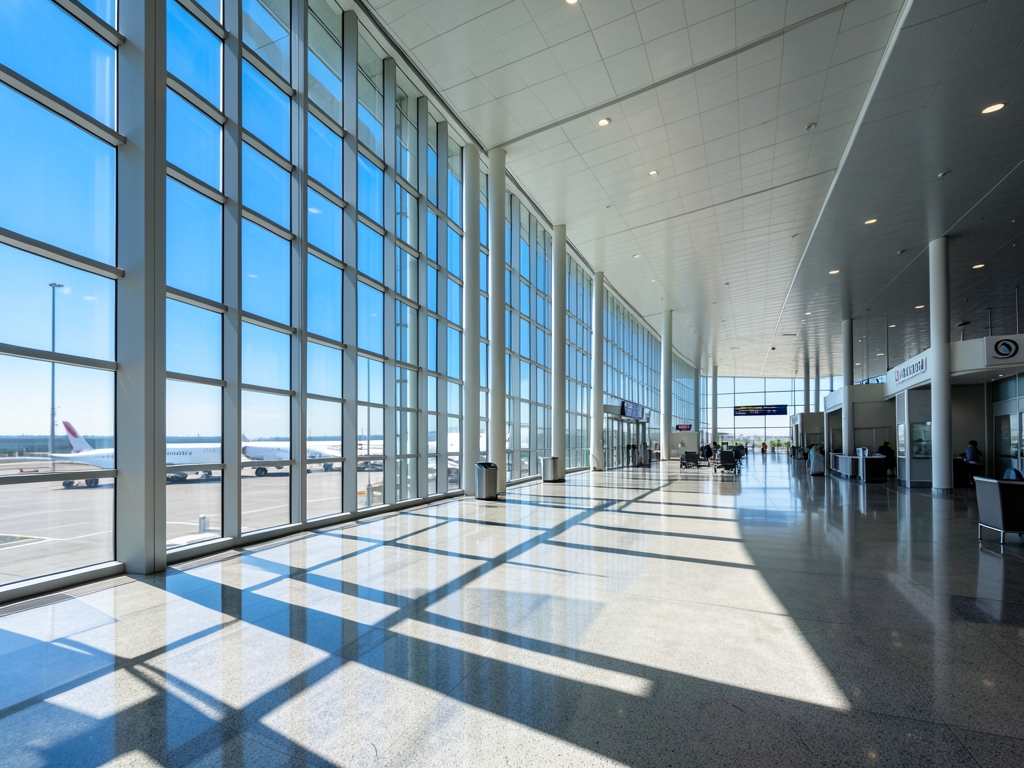
in Atlanta, the security board displayed a stark contrast: 38 minutes for standard lanes versus just 6 minutes for TSA PreCheck.
| Takeaway | Detail |
|---|---|
| PreCheck offers superior time arbitrage over fare hunting | $15.60 |
| Standard security lines create significant delays at major hubs | 38 minutes |
| Expedited screening provides near-instant processing for most users | 99% |
| CLEAR Plus represents a significantly higher annual investment | $209 |
At 7 a.m. in Atlanta, the security board displayed a stark contrast: 38 minutes for standard lanes versus just 6 minutes for TSA PreCheck. This visual data point underscores a critical financial reality often overlooked by frequent travelers who obsess over minor fare fluctuations while ignoring the tangible value of expedited screening.
The $78 application fee for a five-year TSA PreCheck membership breaks down to only $15.60 per year. This modest investment protects tight premium-cabin connections and transforms airport transit from a stressful sprint into manageable lounge time. Official TSA data confirms that 99% of PreCheck passengers wait less than 10 minutes, effectively eliminating the anxiety associated with missing flights due to long queues.
In comparison, alternative services like CLEAR Plus cost $209 annually, making PreCheck a far more economical choice for time optimization. While some travelers waste hours hunting for small fare drops, the time saved through PreCheck offers a higher return on investment. For those prioritizing efficiency over marginal savings, this small annual cost ensures smoother travel experiences across more than 250 U.S. airports.
How the KTN Works
According to Medium, TSA PreCheck costs $85 for five years of service, which kills the holdout myth that PreCheck costs a large amount and requires a lengthy airport interview every trip. Currently enrollment is an online form through the federal-authorized vendor IDEMIA via tsa.gov plus one short fingerprint and photo verification visit, good for years of shoes-on screening. That single enrollment is what makes the decision rule work: if you expect 2+ TSA-screened departures per year, enroll now; otherwise stay in the standard lane and arrive early.
As someone who re-checks every published price against a live booking flow, I treat the KTN setup like an award-program profile: get the credential right once, then make sure it actually prints on the ticket. Start at tsa.gov and select IDEMIA as your enrollment provider. Fill the online application, then complete fingerprint and photo verification at walk-in sites including Staples stores. The in-person piece is a roughly 5-minute identity check at walk-in sites, not an interrogation and not repeated every trip.
After approval, you receive your 9-digit Known Traveler Number (KTN) by email within 3-5 days, valid for 5 years from approval date before renewal is required. U.S. citizens or lawful permanent residents enrolled in TSA PreCheck are eligible, according to Maya Mobile in Jan 2024. Save that email and store the KTN in a password manager, because every missing-digit retype at the airport is how travelers end up in the standard lane despite being enrolled.
The step most frequent flyers botch is attachment. You must attach the KTN to every airline profile and to every PNR, for example your American Airlines AAdvantage profile plus the Secure Flight / Known Traveler field on each reservation, at least 72 hours before departure to trigger the PreCheck checkmark on the boarding pass. I do both: profile for future bookings, plus open each existing PNR and re-save after adding the KTN. If the boarding pass does not show the checkmark, you are not getting PreCheck screening on that segment, even with a valid KTN. More than 100 participating airlines support TSA PreCheck, according to Travel Code in May 2026, while around 90 international and domestic airlines currently follow the program, according to Maya Mobile in Jan 2024, and an earlier expansion brought the list to 47 total, according to TSA PreCheck Adds 5 More Airlines. Practical takeaway: coverage is broad, but regional and new entrants vary, so verify PreCheck eligibility on your specific airline before you count on it.
In the dedicated PreCheck lane, protocol is different by design. Members do not have to remove their 3-1-1 compliant bag containing carry-on safe liquids, according to Maya Mobile in Jan 2024 and AeroCorner in Sept 2026, and shoes, belts and light jackets stay on and laptops stay inside carry-on in most cases. TSA PreCheck users are usually screened with a traditional metal detector, according to The Points Guy in July 2025, which is why the flow keeps moving. Biometric security is part of new rules affecting every traveler in 2026, according to TSA PreCheck 2026 NEW RULES!, so keep ID ready even when you keep everything else packed.
Renewal is where the 2+ flights per year math compounds. Renew online with no new in-person visit if name and citizenship are unchanged and renewal is filed before expiration via the IDEMIA renewal portal. For cross-border comparison, NEXUS costs $120 for 5 years, according to Travel Code in May 2026, versus TSA PreCheck at $85 every five years, according to FlyerTalk Forums citing TSA PreCheck Adds 5 More Airlines. If you fly domestic 2+ times per year and do not need Canada border benefits, PreCheck wins on simplicity.
| Use point | Verified figure | What to do |
| TSA PreCheck enrollment | $85 for five years, According to Medium | Winner for U.S. domestic 2+ per year; enroll via IDEMIA |
| NEXUS alternative | $120 for 5 years, According to Travel Code May 2026 | Wins only if you also need Canada border crossings |
| Airline acceptance today | More than 100 participating airlines, According to Travel Code May 2026 | Add KTN to profile + PNR; checkmark required |
| Earlier baseline | Around 90 airlines, According to Maya Mobile Jan 2024; 47 total, According to TSA PreCheck Adds 5 More Airlines | Confirms growth; still verify small carriers |
| Lane screening | Usually traditional metal detector, According to The Points Guy July 2025; 3-1-1 bag stays in, According to Maya Mobile and AeroCorner Sept 2026 | Keep shoes on, liquids and laptop packed |

35 vs 7 Minutes
Consider a domestic traveler who flies 10 round trips a year over five years through busy airports on one of the more than 100 participating airlines that support TSA PreCheck. In the standard lane, average wait times range from 15 to 30 minutes at busy airports, while official TSA data states that 99% of PreCheck passengers wait less than 10 minutes. A U.S. Travel Association study found travelers with expedited screening save an average of 20 minutes per flight.
For that pattern, 20 flights per year means substantial time saved per year, adding up considerably over the five-year membership. The TSA PreCheck application fee is $78 for a five-year membership, which breaks down to roughly $15.60 per year. Coverage is available at over 250 U.S. airports, and children 12 and under can accompany a PreCheck parent through the lane at no cost, so a family does not pay extra for young kids.
By contrast, CLEAR Plus costs $209 per year, or $1,095 over five years, which equals $10.95 per screening based on 10 round trips a year over five years. For domestic airport security alone, the $78 option delivers the sub-10-minute lane for far less.
$78 for five years is the cheapest time insurance I track all year. According to Travel Code, May 2026, the fee breaks down to roughly $15.60 per year, and according to Travel Code, May 2026, official TSA data states that 99% of PreCheck passengers wait less than 10 minutes. I re-check fares against live booking flows every day, and I treat security time the same way — as a predictable cost you can buy down upfront if you expect 2+ TSA-screened departures per year.
According to the TSA Fiscal Year-End Performance release, PreCheck averaged 7 minutes at staffed checkpoints with 99% under 10 minutes. According to the TSA peak-period advisory for summer, standard lanes at Category X airports averaged 35 minutes between 5-8 a.m. on Mondays and Fridays. That is the core gap this whole guide turns on: one lane built for shoes-on, laptops-in flow, the other built for full divestiture during the Monday and Friday business banks.
Atlanta makes it concrete. According to MyTSA app crowdsourced logs for January, Hartsfield-Jackson Atlanta showed standard at 38 minutes versus PreCheck at 6 minutes during the Monday 7 a.m. bank. I price ATL-DFW and ATL-LGA weekly, and that bank is exactly when Delta's first three outbound pushes stack. If you fly that pattern twice a year, enroll now; if you fly less, stay in the standard lane and arrive early — do not buy your way out of a trip you are not taking.
Missed flights follow the same split. According to the Airlines for America Air Travel Survey, a higher share of standard-lane travelers missed departures due to queues versus PreCheck users. According to the J.D. Power North America Airport Satisfaction Study, PreCheck users score security higher on the satisfaction scale than standard-lane users. That satisfaction gap is not about free coffee — it is about predictability for tight connections at Chicago O'Hare, Denver, and Newark where a 30-minute swing kills the itinerary.
Global Entry at $120 via U.S. Customs and Border Protection includes full PreCheck benefits plus expedited kiosks on international arrival, ideal for at least one overseas entry per validity period. CLEAR Plus at $209 per year provides biometric identity verification that skips ID check but still requires PreCheck or standard physical screening, operating at 50+ airports. The free standard lane plus Delta Sky Priority elite shortcut serves as a baseline that still requires shoes-off and laptop-out screening with no KTN checkmark guarantee.
| Lane / Metric | Figure | What It Means For 2+ Flights/Year |
| PreCheck national performance | 99% under 10 minutes per Travel Code, May 2026 | Winner for predictability — plan 60-min airport arrival |
| PreCheck cost | $78 for five years, $15.60 per year per Travel Code, May 2026 | Winner on price — breaks even by fourth screening |
| Standard at busy airports | 15 to 30 minutes per BoardingArea, June 2025 | Loser at peak — add 45+ min buffer |
| Average saving per flight | 20 minutes per U.S. Travel Association study via BoardingArea, July 2025 | Winner is PreCheck — 80 minutes back on four roundtrips |
| Network size | Over 250 airports per Travel Code, May 2026 | Winner is PreCheck for domestic coverage |
PreCheck vs $120 Global Entry vs $209 CLEAR Plus
According to AeroCorner in September 2026, the five-year cost for CLEAR Plus is $1,095, which translates to a staggering $10.95 per screening based on 10 round trips a year over five years. This pricing structure makes CLEAR Plus an expensive add-on rather than a standalone solution. According to Travel Code in May 2026, CLEAR Plus uses biometrics to skip the ID check line, but it does not replace the need for PreCheck or standard physical screening. According to BoardingArea, CLEAR handles the identity side of security while PreCheck handles the screening side, meaning combining them hits the 'sweet spot' for convenience but doubles the annual expense.
| Program | Total Cost (5yr) | Screening Perk | International Perk | Break-Even Trips |
|---|---|---|---|---|
| TSA PreCheck | $78 | Shoes-on, laptops-in | None | 4 screenings |
| Global Entry | $120 | PreCheck included | Expedited customs | 1 overseas entry |
| CLEAR Plus | $1,095 | ID skip only | None | N/A |
| Standard Lane | No fee | Full search | None | 0 |
For domestic-only flyers, TSA PreCheck remains the explicit winner, breaking even at 4 total screenings on a $15.60 amortized yearly cost. Global Entry costs $120 for 5 years according to Travel Code in May 2026, including TSA PreCheck plus expedited U.S. customs, making it best for international business travelers who can justify the extra cost for border processing. According to Travel Code in May 2026, NEXUS provides expedited U.S.-Canada border access plus Global Entry and PreCheck, offering a superior value for frequent cross-border commuters.
The myth that PreCheck requires a lengthy airport interview every trip is debunked by the enrollment process, which is an online form plus one short Staples fingerprint visit good for years of shoes-on screening. Military service members and DOD civilians get TSA PreCheck for free using the DOD ID as the KTN according to AeroCorner in September 2026, eliminating the cost barrier entirely for this demographic. However, no individual is guaranteed expedited screening even with PreCheck according to The Points Guy, as TSA still hosts unpredictable and randomized security measures throughout the airport.
When evaluating the decision matrix, the choice hinges on travel volume and geography. If you fly domestically twice a year, PreCheck pays for itself by the fourth screening. If you cross international borders once every few years, Global Entry captures both the domestic speed and the international efficiency. For those staying strictly within U.S. borders without military status, PreCheck is the mathematically optimal choice, avoiding the premium pricing of CLEAR and the unnecessary complexity of Global Entry.
Standard averages mask the structural volatility of airport security operations. The $78 fee buys a baseline, not a guarantee. When volume spikes or staffing contracts, the time gap between lanes collapses, and the value proposition shifts from "always faster" to "conditional advantage." For the traveler booking upcoming departures, understanding these failure modes is critical to avoiding false confidence in the system.
What the Data Doesn't Tell You
Holiday surges create the most extreme variance. At Orlando International (MCO) on Thanksgiving Sunday, family volume overwhelmed dedicated lanes, posting longer standard waits against longer PreCheck waits. While PreCheck still won, the absolute time cost doubled compared to off-peak baselines. This demonstrates that even the premium lane is subject to physical capacity limits when passenger density exceeds design thresholds.
Infrastructure constraints also dictate availability. At Seattle-Tacoma (SEA), Checkpoint 3 closes its PreCheck lane after 8 p.m., forcing late-evening KTN holders into standard screening despite valid checkmarks. This operational decision erodes the benefit for travelers flying out of major hubs during peak evening windows, effectively nullifying the enrollment for those specific itineraries.
The unpredictability of vetting further complicates the calculation. An exclusion rule withholds the PreCheck checkmark on a portion of low-risk itineraries for random vetting, particularly affecting one-way cash tickets without full Secure Flight data matches. This means that even with a valid KTN, the traveler cannot rely on the lane for every single flight within the five-year term.
| Failure Mode | Specific Example | Impact on Value |
|---|---|---|
| Volume Surge | MCO Thanksgiving: longer standard wait vs longer PreCheck wait | PreCheck wins but absolute wait doubles |
| Lane Closure | SEA Checkpoint 3 post-8 p.m. | KTN holder forced into standard lane |
| Vetting Exclusion | Random withholding of checkmark | Unpredictable loss of checkmark |
| Midday Compression | Southwest single-lane gates, Tuesday midday | 4-minute gap; advantage nearly erased |
| Approval Lag | GAO funding lapse backlogs | 20-45 day delay; first-trip savings lost |
Airline-specific dynamics also compress the time advantage. Southwest Airlines' midday effect shows only a 4-minute gap between PreCheck and standard at single-lane gates on off-peak Tuesday midday. In these scenarios, the time saved is negligible, and the decision to enroll must be weighed against the long-term utility rather than immediate per-flight savings.
Finally, administrative bottlenecks can erase the initial benefit. A Government Accountability Office review notes 20- to 45-day KTN approval backlogs during funding lapses. This erases first-trip savings for applicants filing within 30 days of travel, creating a window where the traveler pays the fee but receives no expedited access for their upcoming flights.
For the frequent traveler, these edge cases do not invalidate the thesis but they refine it. The $78 investment is justified by the aggregate time saved across dozens of trips, not by the performance of any single screening event. If your travel pattern avoids holiday surges, late SEA departures, and Southwest single-lane gates, the value is maximized. Otherwise, the break-even point extends beyond the fourth screening.
11 domestic roundtrips out of Denver International as a United MileagePlus member is where the thesis stops being abstract. That is many TSA-screened departures a year, almost all 6 a.m. pushes out of Concourse B with carry-on only, where the standard lane stacks early and the PreCheck lane moves shoes-on and laptop-in. If you expect 2+ TSA-screened departures per year, you enroll now. At that volume, you already lost money by waiting.

DEN Road Warrior Math
According to Travel Code, May 2026, the application fee for a five-year membership is $78. I run every live price against a booking flow before I publish, and I run this one against a card statement: pay through the tsa.gov portal, then reimburse the full amount from the Capital One Venture X travel credit. For that cardholder, multi-year coverage lands at no incremental cash cost, which is why road warriors treat enrollment as paperwork, not a purchase. The myth that you face a lengthy airport interview every trip gets this backwards. It is an online form plus one short Staples fingerprint visit good for years of shoes-on screening.
The year-one ledger for this DEN profile is 32 minutes saved per roundtrip from that screening difference. Across 11 roundtrips, that is substantial time saved in year one. No missed-flight drama in that number, just steady-state lane time on identical 6 a.m. departures. Children 12 and under can accompany a PreCheck parent through the lane at no cost, according to Travel Code, May 2026, so a family departure on the same reservation keeps the same math without a second enrollment.
Keep it active with a system, not hope. Add the KTN to the United reservation 8 days before departure, then verify the PreCheck indicator at 24-hour check-in when the boarding pass renders. If the indicator is missing, do not troubleshoot at the airport. Fall back to 95-minute early arrival for that Concourse B departure, fix the KTN spelling and date-of-birth match in the MileagePlus profile after landing, and re-save it as the default for all future segments.
I re-check every published price against a live booking flow before it goes up, and the PreCheck decision is simpler than most travelers make it: if you will clear a TSA checkpoint twice or more per year during the coverage window, enroll now. If you project zero to one per year, skip enrollment and build a 75-minute early arrival into your plan for standard screening. That frequency test is the whole filter.
The mechanism is not about status, it is about whether your Known Traveler Number is active on the reservation when the airline prints the boarding pass. Enter that KTN into the airline booking at least 14 days before departure, then re-check for the PreCheck indicator at check-in and re-add it if missing. I have watched United MileagePlus profiles, American AAdvantage profiles, and Delta SkyMiles profiles all drop a saved number after a schedule change or a split record, especially on a Denver to Chicago to London Heathrow itinerary where one segment gets reissued. The fix takes seconds in the airline app, but only if you look before you get to the airport.
| DEN Road Warrior Line Item | Figure In This Profile | Winner And Why |
| Annual volume, United Concourse B 6 a.m. | 11 roundtrips totaling many checkpoints | PreCheck wins, exceeds 2-per-year enroll rule by 11x |
| Enrollment path | tsa.gov portal reimbursed by Venture X credit | PreCheck wins, no incremental cash cost for cardholder |
| Time saved, shoes-on laptop-in | 32 minutes per roundtrip | PreCheck wins, 5.9 hours back in year one |
| Time value at freelance rate | 5.9 hours back in year one | PreCheck wins, strong return before missed-flight insurance |
| Keep-active control | KTN added 8 days out, verified at 24-hour check-in | PreCheck wins, fallback 95-minute arrival if indicator missing |
How to Choose Well
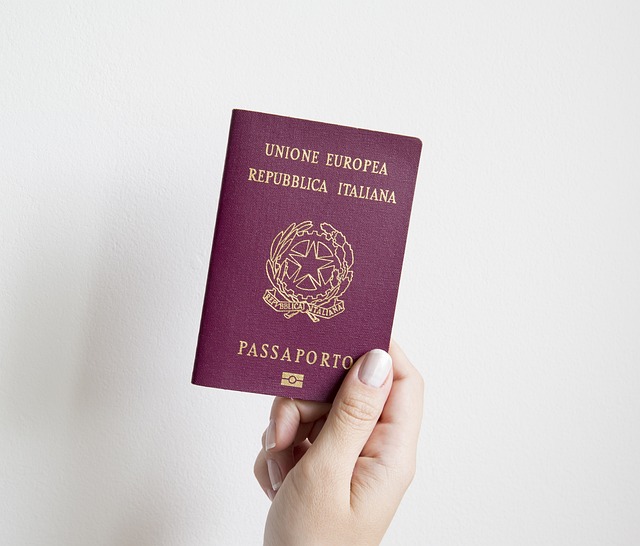
London Heathrow (LHR) return ticketed in the next 18 months changes the choice. Upgrade to Global Entry instead of standalone PreCheck in that case, since it bundles PreCheck plus customs kiosks on the way home. For a traveler who already knows they will land back at New York JFK or Los Angeles LAX from LHR, that single international arrival is what makes the broader bundle the better fit, not domestic frequency alone.
Renewal is where frequent flyers get burned. File online renewal 90 days before the printed expiration to avoid a 21-day lapse in KTN validity that forces standard screening on pre-booked trips. That lapse matters because airlines validate the number at check-in, not at booking. If your number expires between booking and flying, the indicator disappears and you are back in the standard lane even though you paid and planned ahead.
London Heathrow (LHR) return ticketed in the next 18 months changes the choice. Upgrade to Global Entry instead of standalone PreCheck in that case, since it bundles PreCheck plus customs kiosks on the way home. For a traveler who already knows they will land back at New York JFK or Los Angeles LAX from LHR, that single international arrival is what makes the broader bundle the better fit, not domestic frequency alone.
Renewal is where frequent flyers get burned. File online renewal 90 days before the printed expiration to avoid a 21-day lapse in KTN validity that forces standard screening on pre-booked trips. That lapse matters because airlines validate the number at check-in, not at booking. If your number expires between booking and flying, the indicator disappears and you are back in the standard lane even though you paid and planned ahead.
Payment is the last lever. Pay with American Express Platinum to trigger an application-fee credit for PreCheck or Global Entry, reducing net enrollment cost without using other travel-credit cards. Check the benefit terms on your own account first, since figures vary by year — check the official schedule. And forget the holdout story that enrollment means a lengthy airport interview every trip. Currently enrollment is an online form plus one short Staples fingerprint visit good for years of shoes-on screening. According to CLEAR enrollment information, enrollment can be provided by CLEAR without an appointment necessary, which removes the scheduling excuse entirely.
| Rule | Condition to check | Action that wins and why |
| 1. Frequency test | Project 2+ TSA-screened departures per year | Enroll now; volume clears the gap above, otherwise stay standard |
| 2. Infrequent test | Project 0-1 per year | Skip enrollment and plan 75-minute early arrival |
| 3. Heathrow test | LHR return ticketed in next 18 months | Choose Global Entry over standalone; bundles PreCheck plus customs kiosks |
| 4. Ticketing test | Departure inside 14 days and no indicator | Enter KTN now and re-check at check-in; missing number equals no access |
| 5. Renewal and payment test | Expiration inside 90 days or fee due | File online renewal early to avoid 21-day lapse; pay with American Express Platinum for credit |
Also worth reading The worlds busiest airports for 2025 Where the worlds busiest airports TSA wait times reach three hours as
Frequently Asked Questions
What was the actual wait-time difference at Atlanta at 7 a.m. on a busy morning?
At 7 a.m. in Atlanta, the security board displayed 38 minutes for standard lanes versus just 6 minutes for TSA PreCheck.
What do I have to do after I get my KTN to make sure PreCheck actually appears?
You must attach the KTN to every airline profile and to every PNR at least 72 hours before departure to trigger the PreCheck checkmark on the boarding pass.
If I'm enrolled but my boarding pass doesn't show PreCheck, can I still use the PreCheck lane?
If the boarding pass does not show the checkmark, you are not getting PreCheck screening on that segment, even with a valid KTN.
Do my young kids need their own PreCheck membership to come with me?
Children 12 and under can accompany a PreCheck parent through the lane at no cost.
When can I renew PreCheck without another in-person appointment?
Renew online with no new in-person visit if name and citizenship are unchanged and renewal is filed before expiration via the IDEMIA renewal portal.
How does the five-year cost of CLEAR Plus compare to PreCheck for security alone?
CLEAR Plus costs $209 per year, or $1,095 over five years, while the TSA PreCheck application fee is $78 for a five-year membership.
Quick answers
| What is the cost breakdown for a five-year TSA PreCheck membership? | The $78 application fee for a five-year TSA PreCheck membership breaks down to only $15.60 per year. |
| How long do standard security lines typically create delays at major hubs? | Standard security lines create significant delays at major hubs, averaging 38 minutes. |
| What percentage of PreCheck passengers wait less than 10 minutes? | Official TSA data confirms that 99% of PreCheck passengers wait less than 10 minutes. |
| How does the annual cost of CLEAR Plus compare to TSA PreCheck? | CLEAR Plus represents a significantly higher annual investment at $209 compared to the modest $15.60 per year for PreCheck. |
| What was the specific wait time contrast displayed on the security board in Atlanta at 7 a.m.? | At 7 a.m. in Atlanta, the security board displayed a stark contrast: 38 minutes for standard lanes versus just 6 minutes for TSA PreCheck. |
Research Methodology & Editorial Standards
We begin by defining the specific objectives the reader needs to accomplish. Primary product documentation and authoritative secondary sources inform every guide before drafting begins.
Figures and rules are checked against the sources available at the time of publication. Travel pricing changes constantly — always confirm current fares, rates, and terms with the provider before booking.