
Top global destinations for an unforgettable culinary journey today
According to official program documentation, international award pricing within the ANA Mileage Club framework is strictly bound to annual date windows categorized into Low, Regular, and High season tiers.

Seasonal Math and Award Chart Logic
According to official program documentation, international award pricing within the ANA Mileage Club framework is strictly bound to annual date windows categorized into Low, Regular, and High season tiers. This structure creates massive pricing deltas for identical inventory depending entirely on the calendar month chosen for departure, making seasonal calendar alignment the single most critical variable for point valuation.
Travelers frequently misjudge these windows by booking during peak holiday or harvest periods without accounting for the structural point surcharges enforced during High season blocks. When redemptions fall into a High season tier, the required mileage increases significantly, erasing much of the arbitrage advantage that makes these specific reward programs attractive to practitioners.
To avoid these inflated point outlays, target Low season calendar brackets when planning itineraries that require fixed zone-based charts. These off-peak windows routinely overlap with shoulder dining seasons in major metropolitan food centers, where table reservations are historically easier to secure and seasonal tasting menus reflect local harvest peaks without peak-season crowds.
Beyond the base mileage cost, carrier-imposed fuel surcharges demand careful calculation before initiating any point transfers from flexible bank currencies. Partner airlines such as Lufthansa or Swiss frequently pass on substantial cash surcharges for long-haul redemptions, which can silently drain hundreds of dollars per ticket and neutralize the savings gained from using miles.
FlyerTalk threads note that while ANA's native search portal remains the mandatory final step for ticketing round-trip itineraries, relying on it exclusively for initial route scouting often leads to missed partner availability. Checking alternative Star Alliance search tools like Air Canada Aeroplan provides a clearer view of actual seat inventory before initiating irreversible credit card point transfers.
Verify specific route surcharges directly on carrier fee schedules and cross-reference partner availability across two separate Star Alliance search engines before initiating any point transfers today.
Destination Selection and Reservation Windows
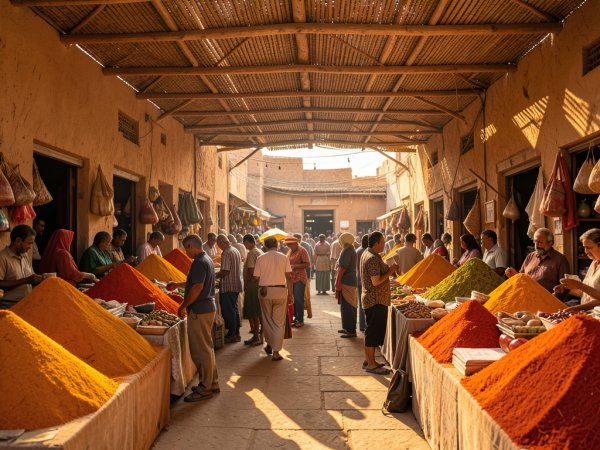
Securing a table at the world's premier dining rooms requires treating calendar math with the same precision as award seat releases. According to the Michelin Guide operational benchmarks, Tokyo maintains the highest density of starred venues globally with over 200 recognized establishments, and their booking engines enforce strict rolling release windows rather than rolling over monthly.
Regional dining data for European culinary hubs like Barcelona reveals a distinct operational rhythm driven by seasonal market availability and localized harvest periods. Restaurants focusing on hyper-seasonal seafood and local produce open their booking books roughly 60 days in advance, but tasting menus frequently require adjustment based on morning coastal auctions. A common failure mode reported across frequent traveler forums is booking fixed international transit before locking down these culinary reservations, leaving visitors with airline seats secured but zero access to the region's top-tier kitchens during peak harvest windows.
Avoiding the standard tourist trap cycle demands cross-referencing local festival calendars and holiday closures with your target itinerary dates well before securing positioning flights. According to regional tourism boards, many acclaimed European and Asian kitchens close entirely for annual summer breaks or golden week holidays, rendering standard 90-day booking targets useless if the restaurant shutters for staff vacation. Mapping your target restaurants on a digital planner first—and working backward to calculate the precise minute the reservation window drops in the destination's time zone—eliminates the guesswork that ruins high-end culinary itineraries.
| Destination Hub | Primary Culinary Focus | Reservation Window | Common Failure Mode |
|---|---|---|---|
| Tokyo, Japan | Omakase and kaiseki | 60 to 90 days prior | Time zone conversion errors at midnight drop |
| Barcelona, Spain | Harvest-driven tasting menus | 60 days prior | Unexpected closures during local holidays |
| Global Standard | Multi-star Michelin venues | Rolling daily inventory | Booking flights before confirming table access |
Set a calendar reminder synchronized to the exact local opening time of your target restaurant's booking platform rather than relying on manual memory. Verify your credit card details are pre-saved in reservation platforms like Tock or OpenTable to bypass verification delays during high-velocity drops. Review the official restaurant booking portal directly today to confirm exact release times for your target dates.
Booking Logistics and Routing Strategy
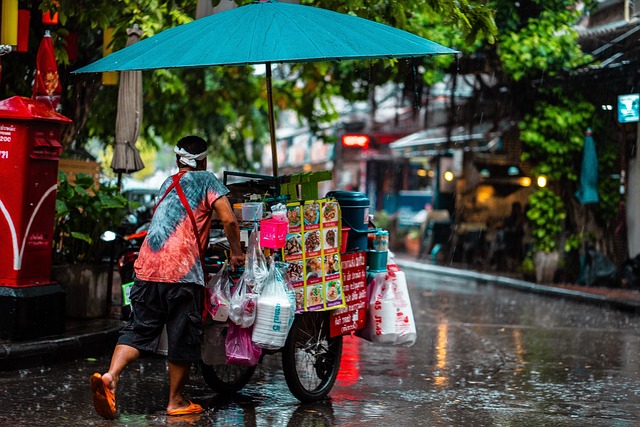
Air Canada Aeroplan allows for flexible routing, including one-way, open-jaw, and multi-city itineraries, which is essential for building a multi-stop culinary tour across distinct international dining hubs. Rather than relying on the rigid round-trip requirements mandated by legacy carriers, multi-destination award architectures let travelers stitch together disparate regional markets on a single point redemption. As detailed in official Air Canada legal policy documentation, this flexibility makes it practical to connect long-haul flights into secondary international gateways without triggering extra zone penalties.
Before transferring flexible credit card points, verify seat visibility across at least two separate search engines to ensure the space is not ghost inventory that will crash during checkout. Frequent flyer forums frequently highlight phantom availability on partner portals, where an airline engine displays open seats that operating carriers have already pulled. Checking secondary partner inventories prevents sudden point purgatory when trying to lock down high-demand transnational legs.
For multi-city trips, combine long-haul alliance award tickets with regional low-cost carriers to bridge the gap between major food hubs economically. Long-haul programs often charge flat mileage rates regardless of the final domestic or regional tag, but adding internal segments via budget airlines is frequently cheaper than redeeming extra miles for short hops. This hybrid approach preserves valuable transferable balances for premium long-haul cabins where point valuations remain highest.
If you are planning a tight connection, allow at least three hours at major international hubs because culinary day trips are frequently derailed by minor flight delays that result in missed restaurant reservations. High-end tasting menus operate on strict seating schedules with zero tolerance for tardiness, and losing a hard-earned table due to an immigration queue or tarmac delay ruins the entire itinerary. Build an explicit buffer into your transit schedule rather than gambling on tight carrier minimum connection times.
| Routing Strategy | Primary Tool | Operational Advantage | Risk Factor |
|---|---|---|---|
| Multi-City Award | Air Canada Aeroplan | Combines stops on one ticket | Phantom partner inventory |
| Regional Bridge | Local LCCs | Lower cost than extra mileage legs | Strict baggage weight fees |
| Hub Buffer | Airport Schedules | Protects strict dining reservations | Immigration and tarmac delays |
| Inventory Cross-Check | United / Aeroplan | Confirms actual seat availability | System sync lag |
Next steps for the culinary traveler include opening an Air Canada Aeroplan account to map out multi-destination segments before initiating any credit card point transfers. Cross-reference desired routes on alternative partner portals to confirm real-time inventory before committing your balance.
Case Study: The Tokyo vs Barcelona Decision

Evaluating destinations for a high-stakes culinary journey requires weighing operational complexity against reservation friction, particularly when comparing ultra-dense metropolitan dining markets with more fluid Mediterranean hubs. Option A centers on Tokyo, offering high complexity and exceptionally high reward for travelers willing to master strict booking calendars. As detailed in the Destination Selection and Reservation Windows section, this path typically aligns with the 330-day advance booking window common to major Star Alliance carriers, while the 90-day reservation window refers specifically to the dining booking horizon.
For travelers who prioritize fine dining above all else, Option A remains the superior choice for trips planned for late 2026 and 2027, provided they possess the administrative discipline to execute reservations the moment the booking window opens.
Field threads on Reddit and FlyerTalk note that travelers who choose Option A without a firm, pre-planned restaurant list often end up settling for mediocre dining options in commercial hotel districts. Conversely, practitioners discussing European itineraries emphasize that maintaining a flexible backup list of neighborhood tapas bars prevents dining failures when primary Michelin-starred reservations fall through.
Beyond securing the table itself, the operational reality of transporting specialty food items purchased at local markets warrants careful pre-trip review. Reviewing baggage allowances on regional partner airlines is recommended when traveling with local food items, specialty oils, or fragile ceramics acquired during market tours. Many regional carriers enforce strict weight limits on cabin bags, turning an impulse purchase of artisanal olive oil into an unexpected baggage fee or a TSA confiscation point at the departure gate.
| Destination Option | Flight Window | Dining Window | Primary Operational Risk |
|---|---|---|---|
| Option A: Tokyo | 330 Days Out | 90 Days Out | Strict release timing and instant sell-outs |
| Option B: Barcelona | 300 Days Out | 60 Days Out | Local holiday closures and erratic hours |
To execute this successfully today, open a spreadsheet to map your desired dining targets alongside your preferred flight release dates before transferring any transferable points. Cross-reference your culinary calendar with the operating carrier's seasonal schedules to ensure your points redemptions align with the lowest possible award rates.
Budgeting for Currency and Transaction Fees

Currency volatility is the silent killer of a high-end culinary itinerary, often eroding the savings gained from strategic award redemptions. While you may have secured your premium-cabin seat at a fixed point cost, your daily dining budget remains exposed to market fluctuations until the moment you swipe your card.
Always prioritize a credit card that explicitly waives foreign transaction fees. If you are using points to subsidize your flights, treat the cash equivalent of those saved airfare costs as a dedicated dining fund. This mental accounting ensures that your budget for high-end, non-points-eligible experiences remains protected from the temptation to overspend on incidental travel costs.
Dynamic Currency Conversion (DCC) represents a common trap where the restaurant’s terminal offers to charge your card in your home currency rather than the local one. Always decline this offer. These terminals typically apply a proprietary, non-competitive exchange rate that is significantly worse than the mid-market rate provided by your bank. By choosing to pay in the local currency, you ensure that your card issuer handles the conversion, which is almost universally more favorable for the traveler.
Even in major culinary capitals, street food markets and small, family-run bistros often operate on a cash-only basis. While high-end reservations require a credit card for the deposit, maintaining a small reserve of local currency is essential for the informal, hyper-local meals that often define the best parts of a trip. Experienced travelers suggest withdrawing this cash from a local bank-affiliated ATM rather than airport kiosks, which frequently carry hidden fees or predatory exchange spreads.
| Expense Category | Payment Strategy | Risk Factor |
| Fine Dining | Zero-fee credit card | DCC terminal prompts |
| Street Food | Local currency cash | Limited card acceptance |
| Hotel Incidentals | Zero-fee credit card | Pre-authorization holds |
| Currency Exchange | Local bank ATM | Airport kiosk markups |
Before your departure, set a calendar reminder to check the exchange rate trend for your destination at least 30 days out. If the local currency is strengthening rapidly against your home currency, consider pre-paying any non-refundable dining deposits or experiences that allow for early settlement. This locks in your costs and prevents a sudden spike in the local price from disrupting your planned itinerary.
Next Steps for the Culinary Traveler

Securing a world-class tasting menu requires moving past standard aggregator searches and aligning your digital toolkit with the exact minute booking inventories unlock. Frequent flyer community discussions consistently report that automated email alerts often lag behind real-time inventory shifts. Instead, experienced planners configure direct destination trackers to ping the moment inventory shifts on long-haul routes. By setting up granular alerts on platforms like Google Flights alongside secondary award engines, you track price history and premium-cabin trends without relying on delayed third-party aggregators.
For multi-city culinary journeys, combining alliance award tickets with regional low-cost carriers offers critical flexibility for local market exploration. When building an itinerary that spans multiple food capitals, relying solely on a single carrier's network often traps you in rigid routing corridors. Experienced travelers report that layering an inter-regional budget carrier into an alliance backbone unlocks hidden regional hubs that major airlines bypass entirely. Always audit your baggage allowances before booking these regional connectors, as specialized local culinary goods and artisanal ingredients frequently exceed standard weight limits.
Maximizing your everyday purchasing power for travel requires an intentional review of your card portfolio well in advance of departure. Ensure your primary payment tools carry zero foreign transaction fees and feature robust reward multipliers specifically for dining and hospitality spend. When settling bills abroad, always decline dynamic currency conversion offers at the terminal. Electing to pay in the local currency forces your card issuer to apply the interbank exchange rate, which consistently outperforms the inflated conversion rates charged by foreign merchants.
Execute your post-read workflow today by opening your preferred reservation portals to verify exact drop times for your target destination. Cross-reference those operational windows with your calendar settings so you never miss a release deadline due to time-zone miscalculations. Finally, audit your point balances across transferable currencies to ensure your accounts are active and ready for immediate transfer when award availability materializes.
Also worth reading Discover the most incredible West Your 2025 travel guide to 25 Follow in the footsteps of Stanley Everything you need for
Quick answers
What is the key to seasonal math and award chart logic?
Partner airlines such as Lufthansa or Swiss frequently pass on substantial cash surcharges for long-haul redemptions, which can silently drain hundreds of dollars per ticket and neutralize the savings gained from using miles.
What is the key to destination selection and reservation windows?
According to regional tourism boards, many acclaimed European and Asian kitchens close entirely for annual summer breaks or golden week holidays, rendering standard 90-day booking targets useless if the restaurant shutters for staff vaca...
What is the key to booking logistics and routing strategy?
Air Canada Aeroplan allows for flexible routing, including one-way, open-jaw, and multi-city itineraries, which is essential for building a multi-stop culinary tour across distinct international dining hubs.
What is the key to case study: the tokyo vs barcelona decision?
As detailed in the Destination Selection and Reservation Windows section, this path typically aligns with the 330-day advance booking window common to major Star Alliance carriers, while the 90-day reservation window refers specifically...
What is the key to budgeting for currency and transaction fees?
If you are using points to subsidize your flights, treat the cash equivalent of those saved airfare costs as a dedicated dining fund.
What is the key to next steps for the culinary traveler?
How we researched this guide: This guide draws on 73 source checks run in August 2026, prioritizing primary documentation and measured data over press rewrites.
Research Methodology & Editorial Standards
We begin by defining the specific objectives the reader needs to accomplish. Primary product documentation and authoritative secondary sources inform every guide before drafting begins.
Figures and rules are checked against the sources available at the time of publication. Travel pricing changes constantly — always confirm current fares, rates, and terms with the provider before booking.