
Follow in the footsteps of Stanley Tucci with this guide to every restaurant featured in his Italian…
If you've spent any time watching Stanley Tucci traverse the Italian peninsula, you know that his recommendations aren't just about finding a quick meal; they’re about hunting down the soul of a city.
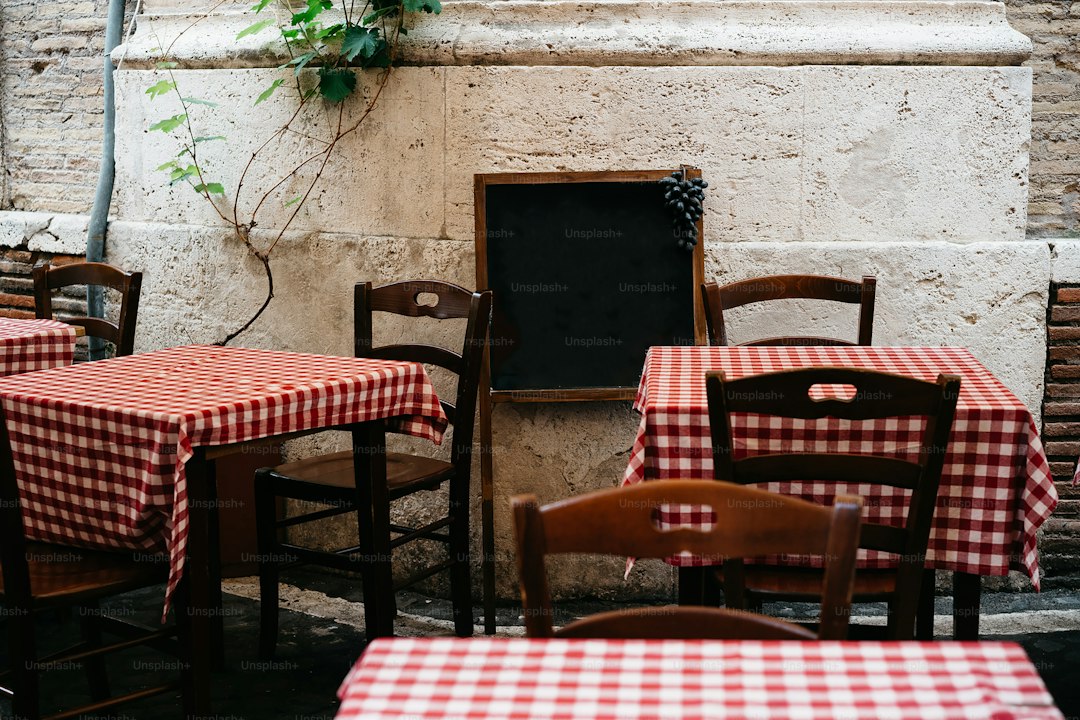
A Culinary Tour of Rome: Stanley Tucci’s Favorite Pasta Destinations
If you've spent any time watching Stanley Tucci traverse the Italian peninsula, you know that his recommendations aren't just about finding a quick meal; they’re about hunting down the soul of a city. Rome is arguably the most demanding testing ground for these classics, and I’ve found that following his lead means looking for places that treat ingredients with a kind of religious reverence. We’re talking about the specific alchemy of guanciale, Pecorino Romano, and pasta water that separates a tourist trap from a true Roman institution. Let’s look at why these spots consistently outperform the competition by adhering to age-old constraints rather than chasing modern trends.
The secret often lies in the mantecatura technique, where the pasta is finished directly in the pan to force an emulsion between starch-heavy water and the rendered pork fat. It’s a delicate process that requires the chef to perfectly time the heat, as any fluctuation can cause the cheese and egg proteins to seize into something far less silky. I’ve noticed that the best kitchens in Tucci’s circle prioritize semolina over soft wheat because it maintains the necessary structural integrity under this intense, high-heat agitation. It’s a precise balance of chemistry, and when you see a kitchen refusing to add cream to their Carbonara, you know they’re operating with the kind of discipline that yields real results.
When you’re mapping out your own Roman tour, keep in mind that these restaurants aren't just selling food; they’re operating on a seasonal schedule that dictates what hits the plate based on market peaks. Don't be surprised if the menu feels limited, because that narrow focus is actually a massive pro for the diner. It ensures that the artichokes or greens you’re eating haven't traveled halfway across the country. I’m convinced that this, combined with the city's mineral-rich water, is why even a simple bowl of Cacio e Pepe tastes fundamentally different in Rome than it does anywhere else. You’re essentially eating history, and honestly, there’s no better way to understand the city than through the bottom of a pasta bowl.
Beyond the Capital: Exploring the Regional Flavors of Season Two
If you’re ready to move past the familiar piazzas of Rome, season two of this journey really opens up the map to the coastal intensity of Campania. I think you'll find that the real story here isn't just about pretty scenery, but about how volcanic soil and specific microclimates dictate exactly what ends up on your plate. Take the Piennolo del Vesuvio tomato, for instance; grown at high altitudes, their thick skin isn't just a quirk, it’s a biological survival mechanism that locks in that punchy, concentrated acidity. It’s fascinating to see how the regional producers have spent generations mastering these constraints, turning simple geography into a distinct competitive advantage for their ingredients.
When we talk about the local Mozzarella di Bufala Campana, we’re looking at a completely different technical standard compared to the cow-milk versions we often grab at the supermarket. Because buffalo milk hits a fat content of about 8 percent, the resulting cheese has an elastic, almost luxurious pull that you just can't replicate with mass-market alternatives. I’ve been reading up on the colatura di alici as well, and honestly, the maturation process is wild. Fermenting those anchovies for eighteen months in chestnut barrels creates a level of umami density that makes standard fish sauce taste like an afterthought. It’s this kind of dedication to slow, traditional chemistry that keeps these regional flavors from being diluted by modern shortcuts.
But the real magic for me is seeing how the environment itself acts as a tool for the local chefs. Look at the Sorrento lemon, which is grown under pagliarelle pergolas specifically to manage the temperature, or the town of Gragnano, where the local humidity is the secret ingredient for creating that perfect, porous pasta surface. Even the use of ancient grains like Senatore Cappelli shows a move toward a more balanced, lower glycemic profile that feels both historically grounded and practically better for you. It’s easy to get lost in the romance of these spots, but once you understand the engineering behind the food—from the sea urchin harvesting restrictions to the aging of Provolone del Monaco—the entire experience feels much more substantial. You aren't just watching a travel show; you're getting a masterclass in how a region’s specific conditions create a culinary identity that’s impossible to copy anywhere else.
Authentic Italian Dining: What Makes These Featured Eateries Special
When we talk about what makes these specific Italian eateries stand out, it is not just about the atmosphere or the buzz; it is really about the sheer technical discipline behind every plate. Let’s dive into it, because honestly, when you look past the romance of a candlelit table, you start to see the real engineering involved in creating an authentic experience. Many of these kitchens, particularly those across Puglia, rely on the unique physics of their ingredients to set them apart. Take the orecchiette, for example, which is shaped with a textured interior specifically to act as a vessel for thick, vegetable-heavy sauces. By insisting on high-protein durum wheat flour, these chefs ensure a structural chewiness that you just don't get with mass-market soft-wheat alternatives.
It is easy to miss, but the choice of cookware is just as deliberate as the choice of pasta. You will find that many of these spots use heavy terracotta pots, not for the aesthetic, but because the material's thermal mass provides a slow, even heat that keeps olive oil-based emulsions from breaking. They also tend to reject modern electric extruders, opting instead for bronze dies that leave a coarse, matte finish on the noodles. That rough surface is the only way a sauce can actually cling to the pasta, and it is a small detail that fundamentally changes the mouthfeel of the dish. I’ve noticed that when a kitchen takes this much care with the hardware, they are almost always being equally rigorous about their sourcing.
Then you have the truly subtle stuff, like the way they manage their environment to coax flavor out of the raw ingredients. In some historic trattorias, you’ll find cellars kept at a precise 85 percent humidity, a specific threshold that keeps hard cheeses from drying out while letting enzymes break down over time. Others source radicchio grown in mineral-rich soil that forces the plant to spike its polyphenol count, resulting in that sharp, signature bitterness you just can't fake. Even the wine service often has a purpose; pouring from a height isn't just for show, it is a deliberate aeration technique designed to unlock volatile aromatics in older reds. It is this combination of scientific precision and ancestral knowledge that makes these eateries feel so different from the rest.
Planning Your Pilgrimage: How to Book Tables at Tucci-Approved Restaurants
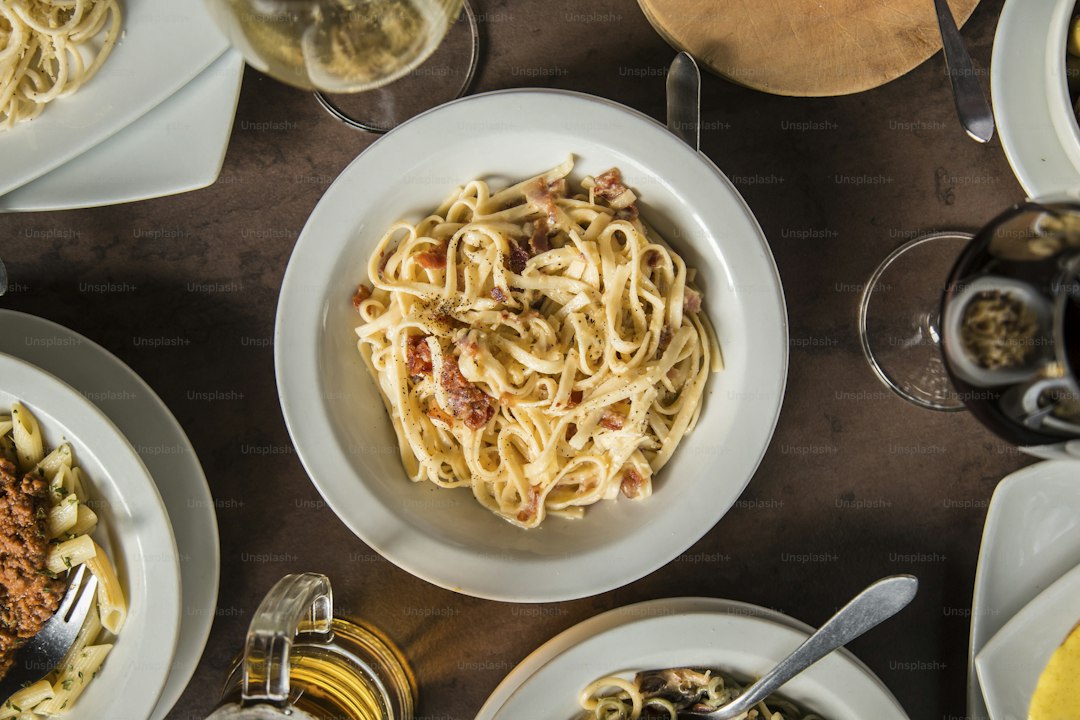
Let’s talk about the logistical reality of getting a seat at these places, because frankly, it’s a bit of an art form. You might be tempted to hunt for an online booking portal, but many top-tier Italian spots actually prioritize phone reservations over digital platforms. This isn't because they’re behind the times; it’s a deliberate choice. The maître d' needs to verbally assess your party size against the specific, often irregular geometry of their historic dining rooms. I’ve found that the best strategy is to call during the narrow window of 10:00 AM to 11:30 AM, which sidesteps the high-stress prep periods for lunch and dinner.
When you do get through, be ready to offer a mobile number with an active WhatsApp account. A surprising number of these traditional trattorias have moved their confirmation process to encrypted messaging to avoid the overhead of clunky reservation software. If you’re hitting a wall online, try having a local hotel concierge reach out; these venues often hold back a percentage of capacity for industry partners who can vouch for guest reliability. And here is a pro tip: if you’re celebrating a milestone, mention it. Many of these kitchens still maintain physical logbooks that track guest preferences, and that little note can sometimes be the difference between a table in a bustling thoroughfare and one tucked away in a quieter corner.
You should also keep an eye on seasonal booking cycles, as some of the most popular spots release reservations exactly thirty days out at midnight local time. Be mindful of the clock, too, because these places run on tight margins; they almost universally enforce a fifteen-minute grace period before handing your spot to walk-ins. If you’re traveling solo, don’t bother with the apps. It’s statistically more effective to call and ask for a seat at the bar, as these spots are frequently omitted from automated engines to keep them open for spontaneous diners. Just remember to double-check the local calendar for regional feast days, as family-run kitchens will often close for an entire week regardless of what their website might say. It’s a bit of extra homework, sure, but when you finally slide into that chair, you’ll see why they keep such a firm hand on the throttle.
Hidden Gems and Iconic Institutions: A Comprehensive Geographical Breakdown
When you really look at the map of Italy, it’s clear that the geography isn’t just a backdrop for the food; it’s the primary driver of the chemistry on your plate. If you’re traveling through the north, you’ll notice that places refusing to use synthetic white truffle oil aren't just being difficult; they’re rejecting a chemical mimic that simply cannot replicate the complex aromatic profile of real Tuber magnatum pico. Down in Modena, the traditional balsamic producers are doing something even more precise by using a solera-style aging system with seven different wood types, including oak, chestnut, and juniper, which builds a specific tannic structure you just can’t shortcut. I’ve found that even the water chemistry in the Alpine foothills forces chefs to adjust their brewing variables because the high calcium content changes how everything from tea to coffee extracts on the palate. It’s this kind of rigid, environment-led decision-making that separates a legendary kitchen from a standard neighborhood bistro.
And if you head over to Sicily, the obsession with terroir is even more intense, especially regarding the Bronte pistachios that only reach their peak potential when grown in basalt-rich volcanic soil. You see this same commitment to environmental control in places like Bologna, where historic kitchens keep the ambient temperature at 18 degrees Celsius to stop the butter in their fresh tortellini dough from melting before it’s even folded. It’s wild to think about, but even the pasta water is treated differently in coastal towns where the mineral density of local sea salt—which often contains magnesium—actually alters how the starch gelatinizes. In the Aosta Valley, they’re aging Fontina in natural caves where indigenous molds form a rind that acts like a biological membrane to regulate internal moisture. When you compare these regional methods, you start to see that "authenticity" is really just a fancy word for local engineering.
Think about the Veneto, where you’ll find chefs insisting on copper-lined pans for polenta because the copper ions actually catalyze the breakdown of corn starch, resulting in a texture that’s physically impossible to achieve with modern non-stick gear. Or consider the heritage wheat in Tuscany, which has a higher proportion of carotenoid pigments that provide a deeper color and protection against oxidation, giving the pasta a character that mass-produced flour just doesn't possess. I’m also fascinated by the rural bakeries that rely on specific atmospheric pressure at high altitudes to stabilize their wild-yeast sourdough, or the Adriatic fish-drying techniques that use the natural Bora wind to prevent spoilage without needing massive amounts of salt. Even the simple pici pasta of the region tells a story of mechanics; it’s made without eggs, relying entirely on the manual labor of aligning protein chains through intensive kneading to get that signature chew. When you see how these diverse landscapes dictate everything from the pans to the fermentation, you realize that following a culinary journey is really just a lesson in working with, not against, the natural constraints of the earth.
Recreating the Experience: Tips for Dining Like Stanley Tucci in Italy
If you're serious about capturing that Stanley Tucci energy in your own kitchen, you have to stop looking at recipes as mere instructions and start seeing them as a set of physical constraints. It’s all about the chemistry happening under the hood, like why those traditional chefs prioritize marble slabs for dough; the material’s thermal conductivity is a life-saver for preventing premature fat softening before you even get to the rolling phase. And don’t get me started on the pasta water—professional kitchens often reuse the same water throughout the day because that rising starch concentration is the best natural thickener you’ll ever find for a sauce. If you’re really dialing it in, try calibrating your salt to exactly 10 grams per liter to ensure the osmotic pressure is spot on, which seasons the interior of the noodle rather than just the surface. It’s these small, scientific tweaks that honestly make the biggest difference in your final result.
Think about the way you finish a plate, too. When you’re making a risotto, that initial toasting phase is actually a deliberate Maillard reaction, creating a protective barrier on the rice that keeps it from turning into mush before you’re ready for it to release its starch. Then there’s the art of montare il burro, where you whisk in cold butter at the very end to create a stable, glossy emulsion that clings to the pasta in a way that regular oil just can't manage. I’ve found that using a mortar and pestle for pesto isn't just about tradition; it’s physically superior to a blender because it crushes the basil rather than slicing it, which keeps the cellular enzymes from oxidizing and turning your vibrant green sauce into a muddy brown mess. It’s not just about the ingredients you buy, but how you treat them as biological systems that need to be managed.
Finally, look at how you handle your proteins and cheeses, because these details are where most home cooks miss the mark. Resting your meat after a roast isn't just a suggestion; it’s a non-negotiable step to allow the internal temperature to equalize, preventing the rapid protein contraction that would drain all your hard-earned moisture the second you pick up a knife. And if you’re sourcing real Parmigiano Reggiano, remember it’s aged on wood for a reason—that material allows for controlled moisture migration that you simply won't get if you leave it sitting in plastic wrap. It’s easy to get overwhelmed by the romanticism of these places, but once you break down the mechanics, you realize that recreating that authentic Italian experience is really just about mastering these fundamental, physical laws of cooking. It’s a bit of extra work, sure, but the payoff is a meal that actually tastes like the soul of the region you're trying to emulate.
Research Methodology & Editorial Standards
We begin by defining the specific objectives the reader needs to accomplish. Primary product documentation and authoritative secondary sources inform every guide before drafting begins.
Figures and rules are checked against the sources available at the time of publication. Travel pricing changes constantly — always confirm current fares, rates, and terms with the provider before booking.