
Follow in the footsteps of Stanley Tucci with this guide to every restaurant from Searching for Italy…
When I look at the culinary map of Italy, Piedmont feels less like a region and more like a high-stakes laboratory where history and biology collide on the plate.
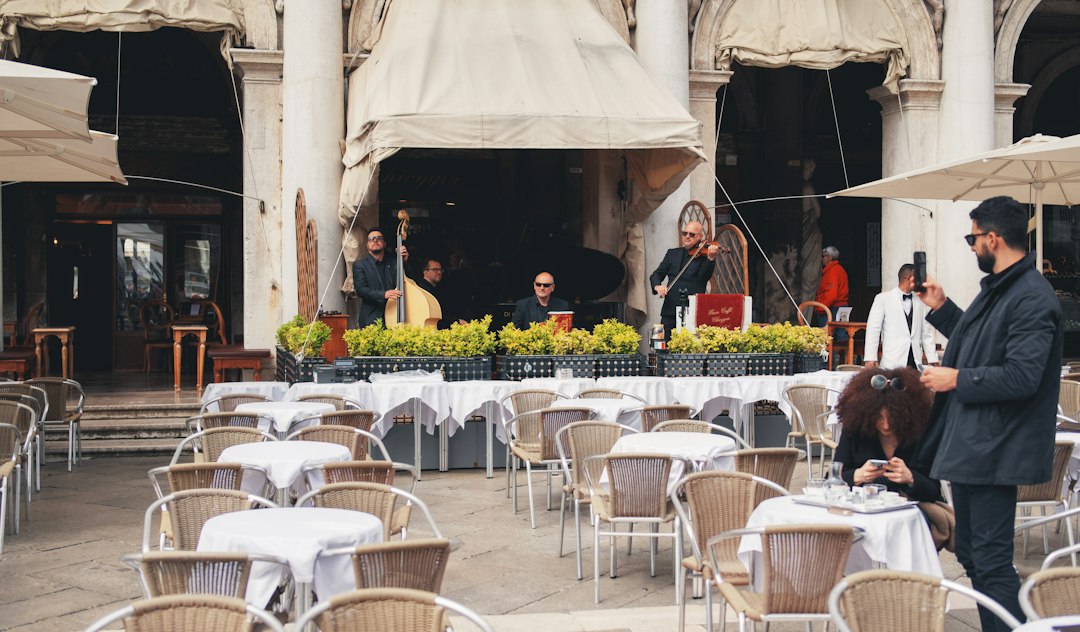
A Culinary Tour of Piedmont: Highlights from the Season Two Premiere
When I look at the culinary map of Italy, Piedmont feels less like a region and more like a high-stakes laboratory where history and biology collide on the plate. Most people focus on the fame of the Alba white truffle, but the real story is how this fungus refuses to be farmed, relying entirely on wild, symbiotic root systems that make it a total anomaly in modern agriculture. Think about it: we’re talking about an ingredient so stubborn it defies industrial scale, yet it defines the region's luxury identity. Then you have the local hazelnuts, specifically the Tonda Gentile Trilobata, which account for over half of Italy’s output. Their high oil content makes them a baker’s dream, but they’re just one part of a food culture that treats preservation as a religion.
The discipline here is what really fascinates me, especially when you compare it to the more relaxed kitchens of the south. Take Barolo wine, for example, which is locked into strict DOCG regulations requiring at least 38 months of aging, with a significant chunk of that in oak. It’s a massive time investment compared to faster-bottled varieties, but that patience is exactly why the tannins in a dish like Brasato al Barolo can actually break down tough connective tissue after a 24-hour marinade. You see this same rigor in the Castelmagno cheese, which is so historically significant that it was used to pay rent back in 1277. It’s one thing to hear about tradition, but knowing your dinner was once literal currency puts the age of these recipes into a completely different perspective.
And honestly, the science behind the ingredients is just as cool as the cooking. You’ve got the Fassona cattle, which carry a natural double-muscling mutation that keeps their meat lean, or the way the Agnolotti del Plin is pinched specifically to trap broth inside the fold of the pasta. Even a simple breadstick, the Grissini, has a clinical origin story—created in 1679 to help a sickly Duke digest his food. When you sit down to a meal of Bagna Cauda, you're not just eating a garlic and anchovy dip; you’re consuming a piece of economic history tied to old salt trade routes. It’s a rare place where the landscape, from the UNESCO-listed hills of the Langhe to the very chemistry of the local desserts, feels like it hasn't changed a bit in centuries.
Venetian Flavors: Navigating the Lagoon’s Iconic Eateries
Moving from the mountains of Piedmont to the shifting waters of Venice changes everything, especially when you consider how the lagoon dictates every single ingredient on your plate. You’re no longer dealing with the heavy, land-based traditions of the north but with a delicate, saline-driven food culture that grew out of necessity and long-distance trade. If you really want to eat like a local, you have to prioritize the castraure, those tiny, tender artichoke hearts from Sant’Erasmo that only exist because the brackish soil forces them to grow in a very specific, mineral-heavy way. It’s wild to think that a simple vegetable is so tied to the geography of a single island, but that’s the reality of the lagoon.
Most people don’t realize that the classic Venetian aversion to garlic stems from a historical preference for expensive, imported spices like cinnamon and nutmeg, leftovers from when the city was the world’s primary spice hub. When you’re grabbing cicchetti at a local bar, you’re participating in a ritual that began as a way to keep people upright by pairing wine with dense carbohydrates, a tradition that survives today as the standard mid-morning ombra. I always tell friends to look for the Vialone Nano rice in their risotto; because it’s higher in amylose than standard arborio, it actually holds its structure better while you stir, which is essential if you want that perfect, creamy consistency without turning the dish into mush.
Then there’s the sheer biological timing involved in catching ingredients like moeche, the soft-shell crabs that are only available for a few hours while they’re between exoskeletons. It’s an incredibly narrow window that makes them a true seasonal rarity compared to the steady, year-round availability of something like baccalà mantecato. That creamy salt cod is basically a tribute to a 15th-century shipwreck, and it’s a perfect example of how the city turned a logistical accident into a culinary staple. If you stick to the small, lagoon-harvested seafood like canoce, you’re getting a flavor profile that you just can’t replicate with anything pulled from the deep Mediterranean.
When you’re navigating these menus, look for the specific use of the Ottofile corn for your polenta because that high-protein variety is a different beast entirely compared to the industrial corn you find elsewhere. And if you see radicchio di Treviso on the menu, specifically the tardivo variety, know that its sweetness comes from a forced process of soaking the leaves in water to make the plant consume its own starch. It’s these small, technical details that really separate a tourist trap from a genuine Venetian kitchen. You’ll find that the best spots aren’t just serving food; they’re keeping centuries of maritime chemistry alive in a place that’s constantly trying to sink back into the water.
The Heart of Rome: Pasta Perfection and Traditional Roman Trattorias
If you’ve ever found yourself sitting in a cramped, wood-paneled trattoria in Trastevere, you know that the true magic of Roman dining isn’t found in high-end plating or fancy decor, but in the brutal, beautiful efficiency of the kitchen. Let’s be honest, the city’s culinary reputation rests on a foundation of chemistry that seems almost stubborn in its simplicity. When we talk about an authentic carbonara, we aren’t just discussing a recipe; we’re looking at a delicate, high-stakes emulsification of Pecorino Romano and egg yolks that demands perfect temperature control to avoid the tragedy of scrambled eggs. Most people don’t realize that the sharpness of that cheese is actually a byproduct of a five-month aging process, which breaks down sheep milk fats into the specific fatty acids that give the dish its signature punch.
And if you’re wondering why your home attempt at amatriciana never quite hits the spot, it’s almost certainly because you’re reaching for pancetta instead of guanciale. The pork jowl is non-negotiable because its fat content renders into a silky, superior mouthfeel that the leaner belly cut just can’t replicate. Then there’s the architecture of the pasta itself, like the square-cut tonnarelli used for cacio e pepe, which is engineered with more surface area specifically to trap that peppery, cheese-laden sauce. It’s fascinating to see how the local kitchens treat these constraints as a language, using the starch-heavy pasta water as a colloidal binding agent to keep the sauce glossy rather than relying on heavy creams or shortcuts.
But the real secret to mastering the Roman experience is knowing how to spot the difference between a place that’s just checking boxes and one that’s actually maintaining these rigorous traditions. Whether it’s the double-frying technique used in the Jewish Ghetto to turn a mammola artichoke into a glass-like masterpiece, or the way a suppli is shaped into a cylinder to ensure that molten mozzarella core heats through without burning the breaded exterior, it’s all about thermal physics. Even the classic coda alla vaccinara depends on a long, low-temperature braise to gelatinize the oxtail’s collagen, a slow biological process that transforms a tough cut into something almost buttery. When you’re choosing where to eat, look for these markers of technical discipline; it’s the difference between grabbing a quick bite and witnessing a kitchen that respects the history of the plate. I’ve found that the best spots in the city are the ones that don’t try to fix what isn’t broken, choosing instead to lean into the centuries of trial and error that made these dishes iconic in the first place.
Coastal Delights: Stanley Tucci’s Favorite Stops in Umbria and Calabria
When we move toward the central and southern reaches of the peninsula, the culinary narrative shifts from mountain rigor to a complex dialogue between isolation and climate. Umbria stands out as a fascinating anomaly because, despite being Italy’s only landlocked region, its kitchen is deeply defined by the riparian systems of the Tiber and Lake Trasimeno. You’ll notice the flavor profile here is dictated by the soil; take the black truffles from the Valnerina valley, which thrive only because of a specific symbiotic relationship with holm oak roots in limestone-rich earth. It’s the same story with the Sagrantino grapes, where an incredibly high concentration of polyphenols creates a structural intensity that’s arguably unmatched in the world of Italian reds. Even the legumes from the high-altitude plains of Castelluccio have managed to remain genetically distinct, protected for centuries by the area’s unique thermal inversion patterns that keep them insulated from the outside world.
But when you cross into Calabria, the entire strategy of food preparation pivots to meet the demands of a humid, warm coastal environment. Here, the heavy reliance on peperoncino isn’t just about heat; it’s a brilliant, time-tested application of chemistry used to inhibit bacterial growth. You see this same necessity-driven innovation in the production of Nduja in Spilinga, which is really a masterclass in controlled fermentation where the pH is dropped to ensure safety without ever needing a single synthetic additive. It’s honestly impressive how the region turned preservation into an art form, especially with those vegetables stored in oil to survive the dry, blistering summers of the past.
If you’re looking at the coastal geography, the impact is even more granular, specifically when you examine the narrow strip where bergamot oil is produced. This fruit is a total diva; it demands a precise soil pH and level of humidity that you simply cannot replicate anywhere else, resulting in a chemical signature that defines the local citrus culture. Even the red onions of Tropea tell a story of their environment, as the volcanic soil and constant maritime breeze combine to suppress pyruvic acid while pushing the sugar content to levels you won't find in typical varieties. When you see the traditional fileja pasta being hand-rolled around a thin reed to create that specific helical shape, you're not just watching a craft—you're seeing an engineering solution designed to maximize surface area for holding those thick, intense ragùs. It’s these precise, localized adaptations that make exploring these stops such a rewarding way to understand the real Italy.
Behind the Scenes: Expert Tips for Replicating the Tucci Experience
If you’re trying to bring that specific, transportive quality of a Tucci-approved trattoria into your own home, it really comes down to mastering the physics of the kitchen rather than just following a recipe. To start, you have to stop thinking about your flour as a generic staple and start looking at the protein percentage; if you aren’t using a 00 flour with 11 to 12 percent protein, you’re never going to get that perfect, elastic gluten network that holds up to a heavy sauce. And honestly, the way you treat your pan water is just as important as the pasta itself. By reserving water with a high starch concentration—at least 0.5 percent—you’re creating a natural surfactant that acts as the glue, binding your fats and cheeses into a glossy emulsion rather than letting them break into a greasy mess.
You also have to rethink your thermal strategy, because those thin, cheap pans are likely sabotaging your results the second you drop a cold ingredient into them. Professionals rely on the thermal mass of heavy-gauge copper or aluminum to keep the heat steady, ensuring the pan doesn't drop in temperature and cause your food to steam instead of sear. If you’re searing fish, don't even think about the oil until you see the Leidenfrost effect, where a drop of water dances on the surface, signaling the pan is ready to create that distinct, professional-grade crust. I’ve found that even small shifts, like using rendered pork fat instead of butter, completely change the savory baseline of a dish while giving you a much higher smoke point to work with.
When it comes to those vibrant, bright green vegetables you see in the show, the trick isn't a secret technique, but a 3 percent salinity level in your blanching water, which perfectly mimics the mineral profile of the Mediterranean and keeps the chlorophyll from turning dull. It’s also worth noting that precision is non-negotiable here; if you’re still using measuring cups, you’re leaving too much room for error, as even a 5 percent shift in hydration can ruin your dough’s crumb structure. Finally, think about how you serve your pasta, as swapping a deep bowl for a shallow, wide-mouthed one is a calculated move to manage surface area and evaporation. This simple change keeps your sauce at the right viscosity, preventing it from pooling at the bottom and turning your final bite into a soggy disappointment.
Planning Your Itinerary: A Region-by-Region Guide to Every Featured Destination
Planning a trip around the specific culinary landmarks featured in season two requires more than just a list of names; it demands a real logistical strategy. I’ve found that the most effective way to approach this is through a modular framework, especially since seasonal spots in Italy can shift their focus or availability in just a few months. Because the quality of these meals is so tied to the harvest, I’ve structured this section to help you sync your travel dates with the peak biological windows of the ingredients mentioned. Think of this as aligning your itinerary with the agricultural calendar rather than just checking off a bucket list.
When you’re mapping this out, consider that the highest density of authentic, ingredient-focused kitchens usually sits within a two-kilometer radius of regional transit hubs. It’s a reliable heuristic I’ve used for years, as these spots prioritize proximity to local suppliers to keep costs down and quality up. We’ll also be looking at the influence of local geography, like how soil mineral content—affected by everything from limestone density to proximity to the sea—actually alters the flavor profile of the wines and cheeses you’ll be tasting. It’s fascinating to see how the regional history of trade routes still dictates the spice ratios you'll encounter on your plate, whether you're in the mountains or on the coast.
To get the most out of these destinations, we need to talk about timing and thermodynamics. I’ve included data on how regional humidity and even local water salinity can impact the final texture of a dish, which explains why certain pastas and vegetables taste so distinct from one village to the next. By using solar tracking data to guide your dining times, you can actually avoid the worst of the heat that might otherwise compromise delicate emulsions or fresh custards. We’ll also look at the technical side of the kitchens themselves, noting how traditional layouts and specific metal cookware were chosen to handle the fire-based cooking that defines so much of this heritage. My goal here is to help you move past the typical tourist experience and actually witness the chemistry that keeps these centuries-old traditions alive.
Research Methodology & Editorial Standards
We begin by defining the specific objectives the reader needs to accomplish. Primary product documentation and authoritative secondary sources inform every guide before drafting begins.
Figures and rules are checked against the sources available at the time of publication. Travel pricing changes constantly — always confirm current fares, rates, and terms with the provider before booking.