
Why You Might See SSSS on Your Boarding Pass—And What to Do Next
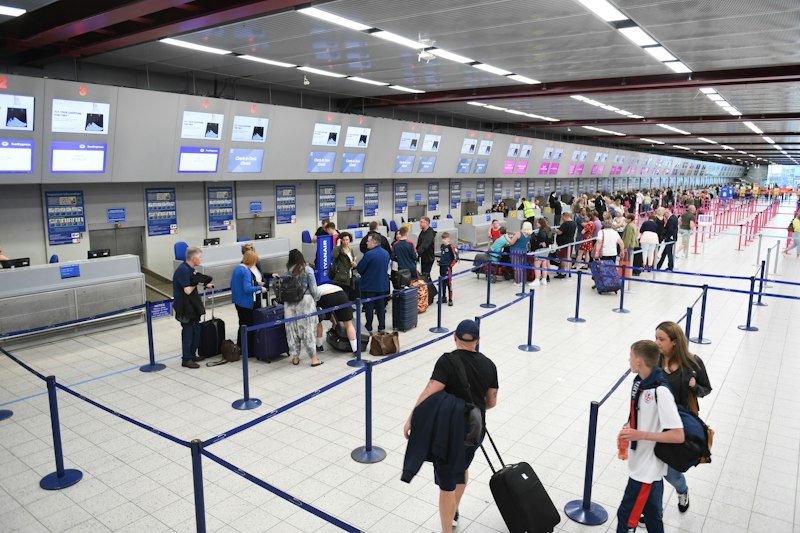
SSSS in 2026 means Secondary Security Screening Selection, a TSA designation requiring enhanced physical and document checks before boarding.
Key takeaways
| Takeaway | Detail |
|---|---|
| SSSS means "enhanced screening" by TSA | The Secondary Security Screening Selection code flags passengers for additional checks before U.S.-bound or U.S.-departing flights. |
| ~60% of SSSS cases link to itinerary red flags | Triggers include last-minute bookings (≤72 hours), one-way tickets, or travel to high-risk regions. |
| PreCheck doesn’t block SSSS—just reduces odds | Trusted traveler status doesn’t override Secure Flight’s risk algorithms. |
| Add 20–90 minutes for screening | Domestic delays average 20–40 minutes; international hubs (e.g., LHR, DXB) may require 45–90 minutes. |
| SSSS can persist for multiple flight segments | Passengers may face repeated screenings on the same trip, especially with U.S. connections. |
| DHS TRIP is the only official fix for misflags | The redress process takes 30–60 days and doesn’t guarantee removal. |
| No third-party service can remove SSSS | Scams claim to "clear" flags—only TSA/DHS can override Secure Flight designations. |
| Arrive 3 hours early for international SSSS flights | TSA’s recommendation accounts for layered checks (bag searches, pat-downs, document verification). |
Useful thresholds
| Item | Rule / threshold |
|---|---|
| Last-minute booking window | ≤72 hours before departure |
| Recommended arrival time (domestic SSSS) | 2.5 hours early |
| Recommended arrival time (international SSSS) | 3 hours early |
| DHS TRIP redress processing time | 30–60 days |
| Average additional screening time (domestic) | 20–40 minutes |
What SSSS really means in 2026
SSSS in 2026 means Secondary Security Screening Selection, a TSA designation requiring enhanced physical and document checks before boarding. The code applies to any flight touching U.S. airspace—departures, arrivals, or overflights—regardless of airline or cabin class.
The TSA Secure Flight program generates the designation by analyzing passenger data (name, date of birth, itinerary) against watchlists and risk algorithms. Secure Flight operates independently of trusted-traveler programs; PreCheck or Global Entry members can still receive SSSS, though algorithms may weigh trusted status as a mitigating factor. Airlines transmit passenger data to Secure Flight 72 hours before departure, making last-minute bookings (≤72 hours) more likely to trigger SSSS due to limited resolution time for potential matches.
Primary triggers include one-way international tickets, travel from or to high-risk countries (e.g., Syria, Yemen, parts of North Africa), and itineraries with multiple short hops (e.g., three flights within 24 hours). Cash payments and lack of hotel reservations also increase SSSS likelihood, as these patterns resemble those used by persons of interest. While some SSSS selections are random, most correlate with itinerary patterns such as last-minute bookings or one-way tickets.
Regional variance exists: Flights from certain regions, such as the Middle East, North Africa, and South Asia, are more likely to trigger SSSS due to TSA’s risk-based targeting. European hubs also see higher rates for U.S.-bound passengers. Peak travel periods may see increased SSSS selections due to higher passenger volumes and heightened security scrutiny. Always allow extra time during holidays.
Screening procedures remain consistent with current TSA guidelines. Always check the latest TSA updates before travel, as protocols may evolve. Passengers must present a government-issued photo ID and boarding pass to a TSA officer before entering the screening lane. The process includes manual bag inspection, explosive trace detection swabs (ETD), shoe removal, and questioning about travel purpose. At international airports, additional CBP document verification and secondary questioning can extend delays to 90 minutes. Medical devices or liquid medications require a doctor’s note to expedite checks; without documentation, these items may face additional swabs or pat-downs.
Common mistakes worsen delays: arriving without ID or boarding pass forces a return to check-in; arguing with officers or refusing shoe removal can escalate to law enforcement, adding 30–60 minutes. SSSS is not always a one-time event—passengers connecting through U.S. airports (e.g., JFK, LAX) may be re-screened for each segment, even if the onward boarding pass lacks the code.
To minimize disruption, arrive 3 hours before international departures and 2.5 hours before domestic flights. Carry a printed itinerary and hotel reservation if your ticket is one-way or cash-paid. For repeated flags (three or more times in 12 months), file a Secure Flight Passenger Redress Inquiry via the DHS TRIP portal (https://trip.dhs.gov); the process takes 30–60 days and does not guarantee removal but may resolve misidentification.
Who flags you—and why
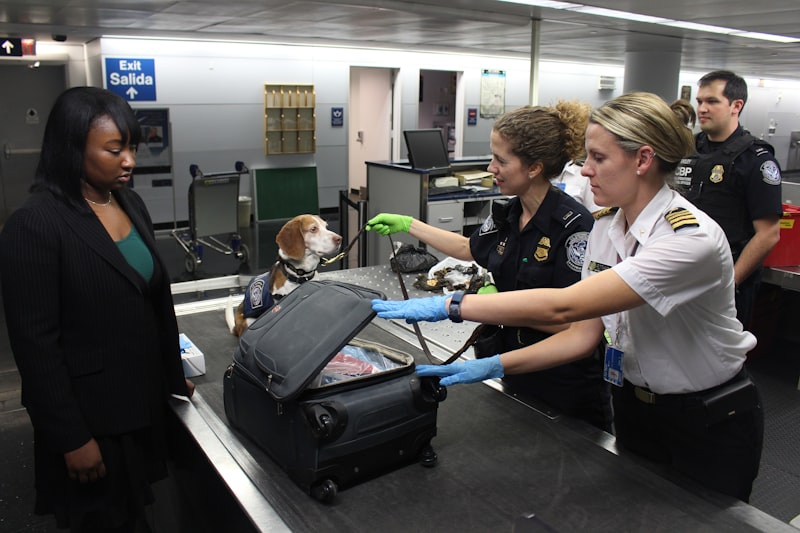
SSSS is assigned exclusively by the U.S. Transportation Security Administration’s Secure Flight program. Airlines, airports, and foreign governments cannot add or remove the designation. Secure Flight’s automated algorithms compare passenger data against watchlists and flag high-risk itinerary patterns.
Secure Flight receives passenger details (full name, date of birth, itinerary) from airlines 72 hours before departure. If the data triggers a match—due to name similarity, unusual travel patterns, or random selection—the system automatically assigns SSSS. Airlines have no access to the algorithm’s logic and cannot override the code. No human review occurs before the boarding pass is printed.
Secure Flight applies to all flights entering, departing, or overflying U.S. airspace, including nonstop flights between non-U.S. points (e.g., LHR–SIN) that cross Alaska or Canada. Foreign carriers (e.g., Emirates, Lufthansa) must comply if their flights touch U.S. airspace. Trusted-traveler programs (TSA PreCheck, Global Entry) do not exempt passengers from Secure Flight’s algorithms but may reduce selection likelihood.
Exceptions are limited. Diplomats and government officials on official orders may request a Secure Flight waiver through their agency. Unaccompanied minors (under 18) are rarely flagged unless their itinerary mirrors high-risk patterns (e.g., one-way international tickets). Passengers flagged three or more times in 12 months may qualify for a DHS TRIP redress inquiry, which takes 30–60 days and does not guarantee removal. SSSS does not automatically carry over to return flights. Secure Flight re-evaluates each booking independently, so passengers may or may not receive SSSS on their return journey.
Common mistakes increase delays. Cash payments may increase the likelihood of SSSS, as they are a common trigger for Secure Flight algorithms. Arriving without government-issued ID or boarding pass forces a return to check-in, adding 30–60 minutes. At international airports, missing proof of onward travel (e.g., hotel booking, return ticket) can extend CBP questioning to 90+ minutes. Medical devices or liquid medications without a doctor’s note may trigger extra swabs or pat-downs.
To minimize risk, book flights at least 72 hours in advance and use a credit card. Avoid one-way international tickets unless carrying documentation (e.g., hotel reservation, work contract). For frequent SSSS flags, file a DHS TRIP redress request and allow 60 days for processing. For immediate travel, arrive 3 hours early for international flights and 2.5 hours for domestic.
| Flagging Entity | Data Source | Key Triggers | Exemptions |
|---|---|---|---|
| TSA Secure Flight | Airlines (72 hrs pre-departure) | One-way int’l tickets, cash payment, last-minute booking | Diplomats, minors (rare), DHS TRIP redress |
| CBP (arrivals only) | APIS (24–72 hrs pre-arrival) | High-risk origin, missing onward travel proof | None (separate from Secure Flight) |
Which routes trigger it most
SSSS appears most frequently on U.S.-bound or overflying routes from high-risk regions. The highest rates occur on flights from Middle Eastern, North African, and South Asian hubs—Dubai (DXB), Istanbul (IST), and Delhi (DEL). European hubs (LHR, CDG) also see higher rates for U.S.-bound passengers, while U.S. domestic flights rarely exceed 0.3%.
Secure Flight assigns risk scores based on itinerary patterns: one-way tickets, last-minute bookings (≤72 hours before departure), cash payments, or travel to/from countries with elevated security concerns. Overflights (e.g., Europe–Asia routes crossing Alaska) trigger SSSS at higher rates, despite no U.S. entry. Airlines transmit passenger data 72 hours pre-departure; last-minute bookings increase SSSS likelihood. Peak travel periods may see increased SSSS selections due to higher passenger volumes.
Regional exceptions apply. Canada/Mexico–U.S. routes see lower rates than other international but higher than domestic. Codeshares inherit the operating airline’s SSSS rate (e.g., Emirates-operated flights marketed as Qantas). U.S. territories (Puerto Rico, Guam) are treated as domestic, with rates ≤0.2%.
Common mistakes increase SSSS odds. One-way tickets from high-risk countries without hotel reservations can significantly increase the likelihood of selection. Cash payments may increase the likelihood of SSSS, as they are a common trigger for Secure Flight algorithms. Connecting through U.S. airports (JFK, LAX) may require re-screening for each SSSS-marked segment, adding 45–90 minutes per connection. Missing onward travel proof (hotel, return ticket) can extend CBP questioning to 90+ minutes, even without U.S. entry.
Mitigation: Avoid last-minute bookings on high-risk routes; use credit cards. For Middle East/South Asia travel, carry documentation (hotel, work contract) to justify one-way tickets. Frequent SSSS flags (≥3 in 12 months) may qualify for DHS TRIP redress (30–60 days processing). Arrive 3 hours early for international departures from high-risk hubs (DXB, IST), 2.5 hours for domestic/European routes.
How long it sticks around
SSSS remains on your boarding pass for the entire outbound journey—every segment, every connection—until you clear U.S. Customs or depart U.S. airspace. The Secure Flight program attaches the designation to the passenger record, not the ticket. Airlines transmit the flag 72 hours before departure; once set, it persists for the full itinerary unless manually cleared by TSA at the first screening checkpoint. Return flights are treated as new bookings—Secure Flight re-evaluates the passenger 72 hours before the inward journey, so SSSS may or may not reappear.
Exceptions are narrow. Diplomats on official orders can request a Secure Flight waiver through their agency, removing the flag for the entire trip. Passengers who file a DHS TRIP redress inquiry and receive a Known Traveler Number (KTN) may see the flag drop on future bookings, but the process takes 30–60 days and does not retroactively clear current itineraries. SSSS flags may persist for multiple trips if the passenger’s itinerary continues to trigger Secure Flight algorithms. Filing a DHS TRIP redress inquiry may help resolve repeated flags.
Regional variance affects duration. SSSS flags may persist for multiple trips if the passenger repeats the same route. U.S. domestic flags rarely last beyond the current trip unless the passenger books another high-risk itinerary (e.g., last-minute one-way). Peak travel periods may see increased algorithm sensitivity, extending flag duration.
Common mistakes prolong the flag. Rebooking the same itinerary (e.g., one-way JFK–LHR) without changing payment method or adding a hotel reservation can trigger SSSS again. Connecting through U.S. airports (e.g., MIA–DFW–MEX) without allowing extra time for re-screening risks missed flights and reinforces the pattern. Passengers who argue with TSA officers or refuse screening procedures may face additional delays or denial of boarding. Always comply with TSA instructions to avoid complications.
To minimize duration, book return flights at least 72 hours in advance and use a credit card. If flagged three or more times in 12 months, file a DHS TRIP redress request and allow 60 days for processing. For immediate travel, arrive 3 hours early for international departures and carry documentation (hotel reservation, return ticket) to expedite screening. If the flag persists beyond 18 months without clear cause, request a Secure Flight review via the TSA Contact Center (866-289-9673).
Step-by-step: what to do at check-in
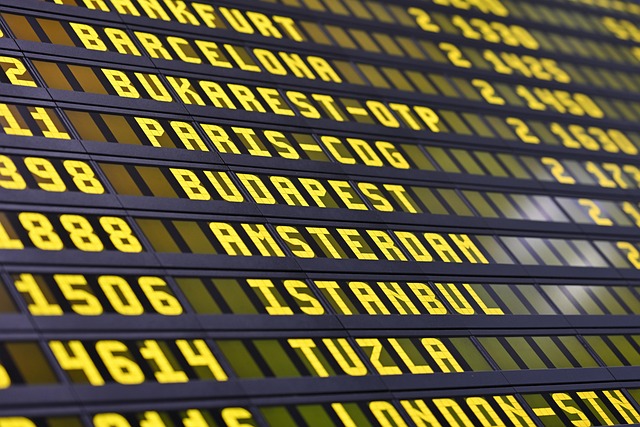
At check-in, present your government-issued photo ID and boarding pass to the airline agent immediately. SSSS passengers are blocked from online or kiosk check-in and must receive a physical boarding pass from an agent. The agent will verify your identity, confirm the SSSS designation, and may request additional documentation (e.g., hotel reservation, return ticket, or work contract) if your itinerary appears suspicious.
What to do next
If you see "SSSS" on your boarding pass, follow these concrete steps to minimize delays and ensure a smooth security process.
| Step | Action | Why it matters |
|---|---|---|
| 1 | Arrive at the airport 3 hours before international flights or 2 hours before domestic flights. | SSSS screening adds 20–90 minutes; early arrival prevents missed flights. |
| 2 | Verify your government-issued photo ID (passport for international, driver’s license for domestic) matches your boarding pass name exactly. | TSA requires ID verification before screening; mismatches can deny boarding. |
| 3 | Check if your airline offers priority screening lanes (e.g., SkyPriority, Star Alliance Gold) and request access if eligible. | Priority lanes may expedite SSSS processing, though screening itself remains mandatory. |
| 4 | Book connecting flights with at least 2.5 hours between arrivals/departures if traveling through U.S. airports. | SSSS can recur on multiple segments; tight connections risk missed flights. |
| 5 | Prepare for explosive trace detection (ETD) swabs by avoiding lotions or powders in carry-on luggage. | ETD swabs are standard for SSSS; residue can trigger false positives and further delays. |
| 6 | File a DHS TRIP redress request at trip.dhs.gov if SSSS appears repeatedly with no clear cause. | Redress can resolve misidentification issues, though processing takes 30–60 days. |
Also worth reading What SSSS Means On Your Boarding What Does SSSS on Your Boarding Pass Understanding the SSSS Code on Your Got SSSS on Your Boarding Pass Here
Quick answers
What SSSS really means in 2026?
SSSS in 2026 means Secondary Security Screening Selection, a TSA designation requiring enhanced physical and document checks before boarding. Airlines transmit passenger data to Secure Flight 72 hours before departure, making last-minute bookings (≤72 hours) more likely to tri...
Who flags you—and why?
Secure Flight receives passenger details (full name, date of birth, itinerary) from airlines 72 hours before departure. Unaccompanied minors (under 18) are rarely flagged unless their itinerary mirrors high-risk patterns (e.g., one-way international tickets).
Which routes trigger it most?
European hubs (LHR, CDG) also see higher rates for U.S.-bound passengers, while U.S. domestic flights rarely exceed 0.3%. Secure Flight assigns risk scores based on itinerary patterns: one-way tickets, last-minute bookings (≤72 hours before departure), cash payments, or travel...
How long it sticks around?
Airlines transmit the flag 72 hours before departure; once set, it persists for the full itinerary unless manually cleared by TSA at the first screening checkpoint. Return flights are treated as new bookings—Secure Flight re-evaluates the passenger 72 hours before the inward j...
What to do next?
Step Action Why it matters 1 Arrive at the airport 3 hours before international flights or 2 hours before domestic flights. SSSS screening adds 20–90 minutes; early arrival prevents missed flights.
Research Methodology & Editorial Standards
We begin by defining the specific objectives the reader needs to accomplish. Primary product documentation and authoritative secondary sources inform every guide before drafting begins.
Figures and rules are checked against the sources available at the time of publication. Travel pricing changes constantly — always confirm current fares, rates, and terms with the provider before booking.