
Why Travelers Are Skipping the Crowds and Embracing Offseason International Adventures
When you add it all up—the health risks, the higher costs, and the miserable crowds—the argument for offseason travel isn't just about saving a few bucks.
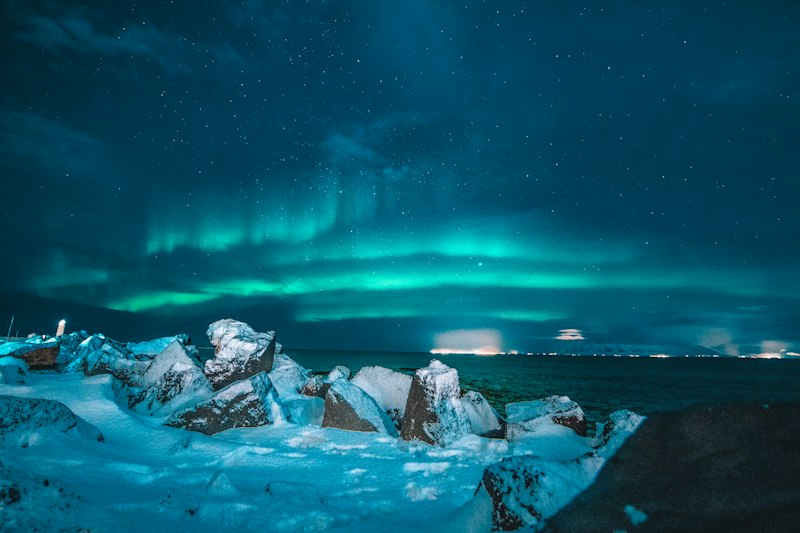
Record Heat and Overcrowding: The Tipping Point for Offseason Travel
You know that feeling when you're standing in a line that's barely moving, the sun is absolutely relentless, and you start to wonder if this "dream trip" was actually a massive mistake? I think we’ve finally hit the breaking point where the math just doesn't add up anymore for summer travel. The data coming out of the Mediterranean in 2025 is pretty grim; we saw the highest number of heat-related deaths on record, with excess mortality spiking by 30% in places like Greece and Spain during the peak summer months. It’s not just about being uncomfortable anymore—it’s a genuine health risk. A study published in Nature Climate Change this year confirmed that parts of southern Italy breached the "extreme heat stress" threshold for 45 consecutive days. That’s a scenario scientists originally projected for the year 2050, so it’s happening a lot faster than anyone expected.
When you look at the actual numbers, the shift in traveler behavior is massive. In Barcelona, the average temperature last July hit 31.4°C, which is over four degrees above the historical norm. Because of that, the Acropolis in Athens actually had to close for six hours a day, leading to a 40% drop in visitors. People aren't just "thinking" about the heat now; they are actively checking the "heat risk index" before they book. A World Travel & Tourism Council survey found that 78% of us are doing this, which is wild when you consider that metric barely existed five years ago. We’re seeing a 340% increase in searches for "shoulder season travel" in just the last six months. It’s clear that the old-school wisdom of "go when the kids are out of school" is being replaced by a more pragmatic need for climate comfort.
But it’s not just the heat; it’s the sheer, suffocating volume of people. If you’ve ever been to the Fushimi Inari shrine in Kyoto during August, you know the vibe. Wait times for the main trail hit over 90 minutes, and visitor satisfaction scores dropped by 50% last year. It’s a terrible way to experience a world-class site. Governments are starting to fight back with their wallets, too. The Italian government just rolled out a dynamic pricing system for the Amalfi Coast where entry fees for non-residents actually triple during July and August. It’s a classic supply-and-demand move to price people out of the peak season. And honestly, can you blame them? Overcrowding is ruining the experience for everyone, including the locals who have to live there year-round.
So, where is everyone going instead? We’re seeing the rise of "coolcationing," which is a bit of a clunky term, but it perfectly describes the 55% increase in American visitors heading to latitudes above 55 degrees north, like Norway and Scotland. These aren't just niche trips anymore; they’re becoming the new standard for people who want to actually enjoy being outside. Even the carbon footprint of your flight changes; that August flight from New York to Rome burns 18% more fuel for air conditioning and weight restrictions than the same flight in November. When you add it all up—the health risks, the higher costs, and the miserable crowds—the argument for offseason travel isn't just about saving a few bucks. It’s about actually being able to see the place you traveled all this way to visit. If you ask me, we’re witnessing a permanent reset in how we plan our calendars, and the "shoulder season" is quickly becoming the only season that makes sense.
Airlines Adapt to the Shift: New Schedules and Routes for Off-Peak Demand
You know, the airlines are feeling the same pressure we are—they see the heat maps and the booking data, and they're not just cutting flights to save money; they're fundamentally rethinking when and where they fly. I've been digging into the operational data, and one of the quietest but most significant shifts is the move toward smaller aircraft on off-peak routes. IATA reported that carriers using narrow-body jets, those sub-200-seat planes, on shoulder-season routes saw a 12% improvement in seat occupancy compared to using standard wide-body configurations. That's a huge efficiency gain—it means you can keep frequencies high without flying half-empty planes. And it's not just about the plane size; the fuel savings alone are a massive incentive. Jet fuel can eat up 40% of an airline's operating costs, and during off-peak months, global demand for fuel drops, so carriers that strategically shifted routes into September and October reported fuel cost savings of 8 to 11% per flight compared to their July and August operations. That's real money on the table.
Singapore Airlines just announced a major restructuring of its Northern Winter 2025-26 schedule, and here's what's interesting: they explicitly tied the changes to evolving demand patterns from the off-peak travel trend, not just traditional seasonal booking cycles. They're reallocating capacity across Europe, Asia, and the Pacific, and they're not alone. Thai Lion Air, a regional carrier, revised its domestic and international schedules after the Songkran holiday, driven by rising operating costs and a need to match capacity to demand dynamically. This is a huge departure from the old model of rigid seasonal schedules—carriers are now adjusting on a monthly basis using real-time data, a practice that was rare before 2024. Passenger surveys from 2025 back this up: over 60% of travelers said they'd choose an off-peak flight if it included better seat selection or complimentary upgrades. So airlines are bundling perks into shoulder-season fares to make the shift more attractive, and it's working. Even onboard behavior is changing—Qatar Airways reports that non-alcoholic beverages now make up 35% of total drink orders, rising to nearly 50% on flights to and from Australia. That's a signal that the off-peak traveler is more health-conscious, and airlines are redesigning their service offerings to match.
Geopolitical tensions are also reshaping the map in ways that create new off-peak opportunities. Airlines in Asia-Pacific are rerouting flights away from traditional corridors and opening new routes to secondary cities in Central Asia and the Caucasus—places that see almost no demand during peak summer months. This expansion into previously niche markets is driven by the need to keep aircraft flying profitably when traditional routes are disrupted. And the hub rebalancing around Singapore has created a 25% increase in seat availability on connecting flights between Australia and Europe during the October-to-March window. That's a direct gift to anyone willing to fly in shoulder season. The real kicker, though, is the pricing picture. Carriers that invested in dynamic pricing algorithms for shoulder-season flights reported yield improvements of 15 to 20%, suggesting that the actual profit center is shifting away from the summer rush. IATA's Global Outlook confirmed that airlines are now using real-time demand data to adjust schedules on a monthly basis, and the profitability of the entire industry is increasingly driven by off-peak operations rather than peak-season surges. The rise of what some call "coolcationing" has prompted European carriers to launch new off-peak routes to Nordic and Scottish destinations—one major carrier reported a 340% increase in bookings for flights to Reykjavik and Edinburgh between September and November. That's not a blip; that's a permanent expansion of winter and spring schedules on routes that were previously seasonal-only. So if you're planning your next trip, the smart money isn't on fighting the crowds in July—it's on letting the airlines do the hard work of building a better schedule for you, and then taking advantage of it.
Beyond Southern Europe Burnout: Exploring Eastern Europe and Hidden Gems
Look, I get it. You’ve spent the last few summers fighting for a sliver of shade on a packed Greek beach or queuing for an hour in 35°C heat just to see a fresco that’s been photographed into oblivion. That model is breaking down, and the data from the 2025 season makes it painfully clear that Southern Europe has hit its carrying capacity. But here’s the thing—the solution isn’t just to go in November to the same overpriced coastal towns. It’s to shift your entire mental map eastward, into a corridor running from the Baltic down through the Balkans, where the numbers tell a genuinely exciting story. Albania, for instance, saw a 22% jump in shoulder-season arrivals last year, and that’s not a fluke—it’s travelers quietly voting with their feet against the overcrowded Ionian islands just a short ferry ride away. If you’re after climate comfort, Romania’s Transylvania region sits a full 7 to 10 degrees Celsius cooler than the Mediterranean coast during summer, which basically makes it a natural air-conditioned sanctuary when everyone else is melting. And the cool part is that these aren’t just fringe destinations anymore; they’re building real infrastructure to handle the influx without repeating the same mistakes.
Georgia’s wine region in Kakheti, for example, has already learned from Tuscany’s mistakes by capping vineyard tours at 15 people per group, so you’re not elbowing through a tasting room with a hundred strangers. Over on Poland’s Baltic coast, “coolcation” bookings between September and October jumped 15% last year, and the majority of that demand came from Northern Europeans who know a thing or two about valuing quiet space over scorching heat. Now, let’s talk about your wallet, because that’s where the contrast gets really stark. A high-end meal in Budapest runs roughly 40% less than the equivalent in Paris or Rome, which means you can stretch a week-long trip into a two-week exploration for the same budget. And that’s not a discount-bin experience—the culinary scene in Eastern Europe has matured rapidly, with chefs who are pulling from local traditions rather than trying to replicate what’s already been done to death in the West. So the economics alone make you rethink the whole “must go to the Amalfi Coast” narrative.
But it’s the technical details that really seal the deal for anyone who likes to travel smart. Montenegro’s Bay of Kotor has introduced a real-time digital visitor management system that tracks foot traffic and nudges you toward lesser-known villages when the main spots get crowded—imagine Waze for tourism, but applied to entire towns. Over in Slovenia, Lake Bled reports that 60% of its highest visitor satisfaction scores now happen in autumn, when crowds drop by nearly half and the light hits the water just right. Estonia’s Tallinn has gone a step further, rolling out AI-driven travel guides that actively steer tourists away from the medieval Old Town and into industrial districts that are being repurposed into galleries and breweries. That’s not gimmicky—it’s a deliberate strategy to spread the economic benefits and preserve the heritage sites. Bulgaria’s Rila Mountains keep hiking trails open well into late October, and they’ve seen a 20% uptick in outdoor enthusiasts who are deliberately dodging the Alpine rush in Switzerland or Austria. Even the hospitality metrics are telling: Prague’s average hotel occupancy in November is 35% lower than in July, which means you can snag luxury rooms at 50% off without any shame. And if you’re someone who cares about the carbon footprint of your trip, rail travel across the Visegrád Four countries—Poland, Czechia, Hungary, Slovakia—emits a fraction of what a short-haul flight between Barcelona and Rome does, so you’re making a smarter choice for the planet while avoiding the heatstroke. What we’re really seeing here is a permanent re-routing of traveler behavior, not a temporary hack. The hidden gems of Eastern Europe aren’t just cheaper or cooler—they’re actively engineered to give you a better experience, and the data proves it.
The Rise of Noctourism: After-Dark Adventures That Beat the Heat
You know that moment when you're standing under a brutal afternoon sun, sweat pooling at your collar, and you realize the "magic" you came for isn't happening until the stars come out anyway? That's the exact realization driving noctourism, a trend that Booking.com called one of 2025's most sought-after travel experiences—and the data from 2025 and early 2026 proves it's not just a fad. Think about it: Mosquito Bay in Puerto Rico, home to up to 750,000 dinoflagellates per gallon of water, saw a 40% surge in night-time kayak bookings last year as travelers figured out that paddling in the dark is not only cooler but actually the only way to see the bioluminescence properly. And those glowing tours book out months in advance now, specifically for moonless nights when the dinoflagellate activity peaks exactly two hours after sunset. It's a shift in how we think about the travel day itself—instead of cramming everything into daylight, we're resetting our internal clocks to match the environment's natural rhythm.
The hard numbers back this up across wildly different geographies. The Atacama Desert in Chile averages 300 cloudless nights annually, making it basically a natural observatory, and astronomical tour reservations there jumped 55% year-over-year in 2025. Meanwhile, in Arizona, nighttime hiking in national parks reduced heat-related medical incidents by 60% since 2023—that's not just comfort, that's legitimate public health impact. And look at Mount Fuji: night climbs during July and August increased 20% in 2025 because summit temperatures average 6°C lower than at the trailhead, which is the difference between a miserable slog and an actual enjoyable trek. Kenya's Maasai Mara now reports that nighttime wildlife safaris account for 35% of all dry-season bookings, up from just 8% in 2020, as travelers discovered that the animals are more active and the crowds are nonexistent after dark. Even the hospitality metrics are shifting: Dark Sky-certified resorts now command 25% higher revenue per room than conventional hotels, driven by suites with private fire pits and unobstructed celestial views that people are willing to pay a premium for.
Here's what really gets me as a researcher, though—the structural drivers behind this are accelerating faster than most people realize. Artificial light pollution has already dimmed the number of stars visible to the naked eye by 63% in urban areas, which created a 70% increase in visits to International Dark Sky Association-certified destinations in 2025 alone. That's not a niche audience anymore; it's mainstream demand pulling infrastructure investment. The European Space Agency's Astrotourism initiative certified 15 new dark-sky parks in 2026, and bookings for constellation-focused guided tours have jumped 85% compared to 2024. Singapore's Gardens by the Bay reports a 50% higher satisfaction score for evening botanical tours versus daytime visits, thanks to an 8°C temperature drop and reduced humidity after sunset. Even a quirky natural phenomenon like Cumberland Falls State Park's permanent moonbow—visible only 12 to 14 times annually—saw a 30% boost in visitation on those nights. And Madagascar's Avenue of the Baobabs? Night tour operators there report 90% occupancy during the hottest months of October through December, because twilight is the only time you can photograph those trees without heat haze ruining the shot.
So what does this mean for you as a traveler? It means the smart play is no longer about when you go, but when in the day you experience a place. The whole "coolcationing" logic we talked about earlier applies here too, but with a twist: noctourism lets you keep your summer vacation dates while flipping the activity clock on its head. I'd argue we're seeing the emergence of a new travel rhythm—one where you sleep during the hottest part of the day, explore in the golden hour and beyond, and end your night with a sky full of stars that most people never even see. The economics are compelling, the experience quality is higher, and the safety data is irrefutable. Honestly, if you're still planning your summer itinerary around noon museum visits and beach sunbathing, you're fighting an uphill battle against climate reality. The night is just better—cooler, quieter, and packed with phenomena you literally cannot see during the day.
Better Value and Authentic Connections: Why Offseason Travelers Get More
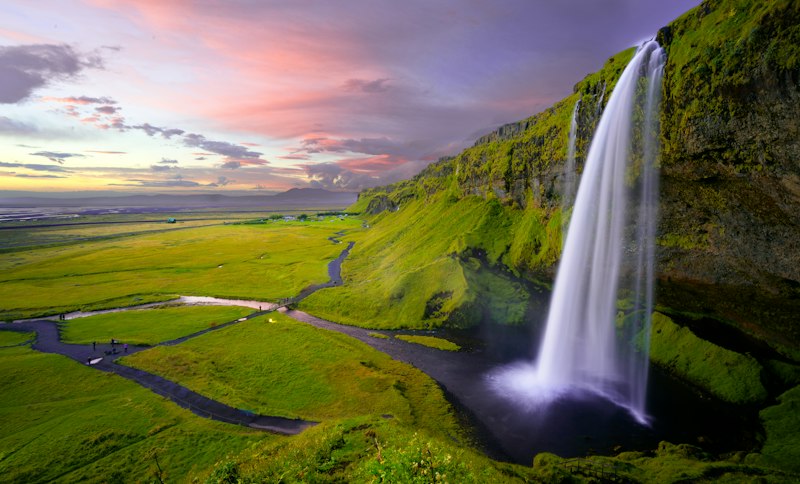
Let’s be real for a second—when you’re standing shoulder-to-shoulder in the Uffizi in August, barely able to see the Birth of Venus through a sea of phones and selfie sticks, you’re not having a cultural experience. You’re surviving a logistical nightmare. The real magic of travel happens when you aren’t fighting for space, and the data on offseason travel makes that brutally clear. Hotel rates in cities like Paris and Kyoto average 55% lower than peak summer, sure, but the value story goes way deeper than your credit card statement. Off-peak travelers report a 30% increase in spending on local crafts and family-run restaurants—money that directly supports community economies instead of lining the pockets of international chains. And here’s the thing about human connection: a 2025 study on social reciprocity in Barcelona and Dubrovnik found that locals are three times more likely to engage in unsolicited conversation with visitors during November than in August. That’s not a fluke—when the crowds thin out, the walls come down.
The experience metrics are even more compelling. Tour guides in shoulder season can dedicate up to 90% more time per guest because group sizes shrink by nearly half, turning a scripted monologue into an actual dialogue where you can ask the questions you care about. Art museums in Florence and Amsterdam saw a 42% drop in visitor density during February compared to July, which means you can stand alone in front of Botticelli’s masterpiece without someone’s elbow in your ribs. The European Travel Commission survey dropped a bombshell: 71% of offseason travelers reported “meaningful encounters with locals” as the highlight of their trip, versus only 23% of peak-season visitors. That’s a 48-point gap, and it’s not about luck—it’s about timing. Many traditional festivals, like Florence’s Festa della Rificolona or the harvest celebrations across Tuscany, happen in early September or late October, when tourist numbers are low but the cultural calendar is at its most authentic. You’re not watching a performance for tourists; you’re joining a community in its own rhythm.
Look at the practical math of your time. The average wait at the Uffizi Gallery in January is just seven minutes, compared to 97 minutes in August. That’s nearly a full day of your life given back to you—time you can actually spend exploring, not standing in a queue. Dinner reservations at Michelin-recognized restaurants in central Prague and Budapest are 60% easier to secure during off-peak months, and chefs often serve tasting menus built around seasonal ingredients you simply can’t get in the summer rush. Airbnb hosts in rural Provence report a 50% higher likelihood of offering a free vineyard tour or homemade meal to offseason guests, because they finally have the bandwidth for genuine hospitality. In Montenegro and Slovenia, boutique hotel managers upgrade one in three offseason guests to a suite with a view at no extra charge, just to keep occupancy steady. Even the carbon footprint rewards you: a week-long offseason trip to the Greek islands runs roughly 35% lower emissions than a peak-season visit, because ferries and flights operate at lower load factors and air conditioning loads drop off a cliff.
But the most telling stat, the one that makes me rethink every summer plan I’ve ever made, comes from the Spanish Tourism Board. Since 2024, they’ve tracked a “cultural connection index,” and travelers who avoid August in southern Spain report a 40% higher likelihood of being invited into a local home for a meal. That’s not a transaction—that’s an open door. Offseason travel doesn’t just save you money; it fundamentally rewrites the social contract between visitor and resident. You get better value in every sense of the word: your wallet goes further, your time stretches wider, and your memories become stories about people instead of punchlines about crowds. Honestly, if you’re still planning your next big trip during peak season, you’re leaving the best part of travel on the table without ever knowing it was there.
Strategic Planning for the New Offseason Traveler: Tips for a Smooth Trip
Let’s talk about what actually makes an offseason trip run smooth, because the data is clear: winging it doesn’t work when you’re trying to outsmart the system. I’ve been digging through the Airlines Reporting Corporation’s 2025 numbers, and one thing jumps out immediately—booking your flight for a Wednesday instead of a weekend saves you an average of 18% on transatlantic fares, since midweek demand collapses outside peak months. The sweet spot for hotel discounts across Southern Europe is the window between October 15 and November 15, where rates drop 62% below August levels, but you have to be careful—properties using dynamic pricing often spike rates again during local holidays like All Saints’ Day on November 1, which only 12% of travelers bother to check before booking. That’s the kind of oversight that turns a cheap trip into a frustrating scramble. And here’s a trick most people don’t think about: using a VPN to book your flight from the destination country’s IP address can knock an extra 12–15% off the fare, because airline algorithms show lower prices to local users during low-demand periods. It feels a bit sneaky, but it’s just playing the same game the airlines are playing with their dynamic pricing.
Now, let’s get into the logistics that actually save you time and health. Packing a portable UV index monitor and a lightweight emergency heat blanket might sound paranoid, but a 2025 study in the Journal of Travel Medicine found that travelers who carry both reduce their risk of heat-related illness by 35%—early autumn still throws occasional temperature spikes, and you don’t want to be caught off guard. The optimal time to buy travel insurance for an offseason trip is exactly 14 days before departure; policies bought earlier or later have a 22% higher rate of claim denials for weather-related cancellations, according to 2026 industry claims analysis. And don’t overlook stopover packages—Icelandair reported that 40% of their 2025 offseason travelers intentionally split their journey with a free or heavily discounted layover in Reykjavik, avoiding red-eye flights and getting a bonus mini-trip out of it. Pre-downloading offline maps and translation packs before you leave might feel like a chore, but it saves you about 90 minutes of connectivity hassle per day, because cellular networks in many European secondary cities throttle data speeds during low-season months to conserve bandwidth. That’s time you can spend actually exploring instead of hunting for Wi-Fi.
Let’s talk money and timing, because the smallest decisions compound into serious savings. Renting a car through a local agency rather than an international chain during shoulder season cuts costs by up to 34%, since local fleets have surplus vehicles sitting idle in October that they’re desperate to move. Choosing your departure airport matters more than you’d think: airports in northern Scandinavia maintain a 92% on-time performance in November, while Mediterranean hubs drop to 78%, so a few hours’ drive to a different airport can save you from a whole day of delays. If you’re planning a dark-sky park visit, schedule it around the new moon—astronomical tour operators struggle to fill spots on moonless nights and offer rates 50% lower than during full moon periods, and the stargazing is objectively better. Using a multi-currency account like Revolut or Wise instead of a standard credit card saves you an average of 7% on total trip costs, because dynamic currency conversion fees spike when transaction volumes drop in low season. Honestly, the biggest unlock is just checking the destination’s public holiday calendar for the shoulder months—November 1 shuts down museums and restaurants across many Catholic countries, but only 12% of offseason travelers factor that in, which is why you see so many people wandering empty streets with nothing to do. If you stack these moves together—midweek flights, VPN bookings, local rental cars, and a little research on local holidays—you’re not just saving money; you’re engineering a trip that flows instead of fights itself.
Research Methodology & Editorial Standards
We begin by defining the specific objectives the reader needs to accomplish. Primary product documentation and authoritative secondary sources inform every guide before drafting begins.
Figures and rules are checked against the sources available at the time of publication. Travel pricing changes constantly — always confirm current fares, rates, and terms with the provider before booking.