
What SSSS Means On Your Boarding Pass And How To Handle Additional Security Screening
If you’ve ever glanced at your boarding pass and noticed those four mysterious letters, you know the instant sinking feeling that follows.
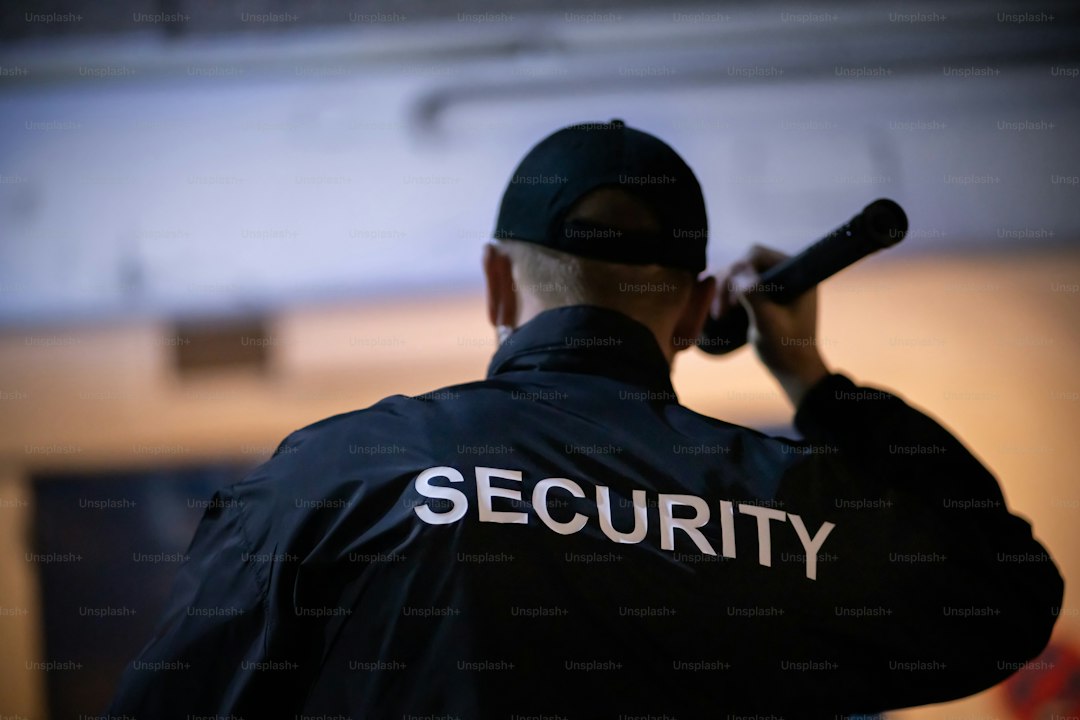
What Does SSSS Actually Stand For?
If you’ve ever glanced at your boarding pass and noticed those four mysterious letters, you know the instant sinking feeling that follows. SSSS officially stands for Secondary Security Screening Selection, and it is a specific designation managed by the Transportation Security Administration through their Secure Flight program. Think of it as a gatekeeper that compares your passenger data against government databases in real-time. It’s not just some random glitch, but a deliberate security measure that forces your airport experience to change entirely the moment you reach the terminal.
The system often triggers this status based on factors that might seem innocuous to you, like booking a last-minute international flight or buying a ticket with cash. I’ve seen enough travelers get flagged simply because their surname creates a false positive match with someone else on a watchlist, which honestly feels like a massive headache. You might also find yourself under this scrutiny if you’re traveling to or from regions currently flagged as high-risk by the Department of Homeland Security. Because the specific behavioral triggers are classified to prevent people from gaming the system, we’re left guessing why the algorithm singled us out on any given trip.
Once you're hit with that SSSS, you can forget about using those convenient mobile boarding passes or self-service kiosks. You’re effectively locked out of the digital process, which means a mandatory trip to the check-in counter is in your future for manual document verification. From there, your security experience moves beyond the standard X-ray machines to include a physical pat-down and a thorough search of your carry-on luggage. Officers will also use Explosive Trace Detection technology, swiping swabs across your hands and electronics to look for chemical residues. If this happens to you repeatedly, you can look into the Traveler Redress Inquiry Program to address potential identity mismatches, but for most, it’s just a frustrating reality of modern air travel.
Why Were You Selected for Secondary Screening?
You might be wondering why you’re the one stuck in this loop, especially if you’re a frequent flyer who’s never had an issue before. The reality is that the algorithm governing the Selectee List pulls from the FBI’s massive Terrorist Screening Database, which is a consolidated repository of both domestic and international intelligence. Often, you’re flagged simply because your name or date of birth shares a phonetic or orthographic similarity with someone on the No Fly List. The Secure Flight program uses a matching system that accounts for name variations and common aliases to make sure they don't miss a potential match, which unfortunately leads to a high volume of false positive identity matches for regular people.
If you happen to share a name with a person of interest, you’re statistically much more likely to be flagged over and over again. It’s an exhausting experience, but the Department of Homeland Security does offer the Traveler Redress Inquiry Program to help you get a Redress Control Number. This number is meant to distinguish you from the actual watchlisted individuals in their systems. Still, civil liberties groups have long argued that the criteria for this list lack transparency and have raised real concerns about the potential for discriminatory profiling based on your national origin or ethnic identity.
You also need to realize that your specific travel history plays a role in your risk score. If you visit countries that share borders with active conflict zones, it can trigger a reevaluation of your profile. Even things like booking an itinerary that looks totally different from your historical flight data can shift your status. And look, even if you’ve spent the money on Global Entry or TSA PreCheck, that SSSS designation acts as an override that completely supersedes those expedited programs. It’s frustrating, but the TSA updates these risk algorithms constantly based on new geopolitical intelligence, meaning you could be fine for years and suddenly find yourself getting pulled aside every single time you fly.
What to Expect During the Additional Security Process
When you are pulled aside for that secondary screening, the first thing you need to know is that your routine is effectively suspended. You should anticipate a mandatory, hands-on inspection of every electronic device larger than a smartphone, which often means you will need to power them on to prove they are functional rather than hollowed-out containers. Even if you have cleared the hurdle of TSA PreCheck, keep in mind that the SSSS designation acts as an absolute override, meaning you will be forced to undergo standard-level protocols, including the removal of footwear and belts. Officers will deploy ion mobility spectrometry to swab your hands and gear for explosive residue, a highly sensitive technology that can occasionally trigger a false positive if you have recently handled certain common fertilizers or even specific prescription medications. You really have to stay calm here, because these machines are incredibly sensitive to microscopic particles that might have hitched a ride on your clothes or luggage during your daily life.
Your carry-on items will undergo a complete manual search where every single compartment is emptied, probed, and inspected, often with specialized tools designed to test the structural integrity of your bags. It is a slow, methodical process that requires at least two officers to be present at all times to maintain a strict chain of custody, so don't expect to be in and out in five minutes. If you are traveling with liquids or gels that exceed the standard 3.4-ounce threshold, be prepared for these items to be strictly prohibited, even if they seemed fine during your initial check-in. In some instances, your checked luggage might even be pulled from the hold for a secondary inspection in a restricted area, and you might find a notice left inside your suitcase if inspectors decided to open it while you were waiting at the gate.
Beyond the physical search, you may be pulled into a supplemental interview where an agent asks pointed questions about your itinerary, the nature of your trip, and your direct knowledge of the bag contents. Agents might also perform a secondary identity verification by comparing your biometric data against the files held in the Secure Flight database to ensure the person standing in front of them is exactly who they claim to be. Because this entire procedure is labor-intensive and requires multiple officers to coordinate, it will consistently add thirty to sixty minutes to your transit time. If you suspect the officers are deviating from these established protocols, remember that you have the right to request a supervisor to oversee the remainder of your screening. It is also your right to ask for a private screening room for any pat-down procedures, which must be conducted by an officer of your same gender, so don't be afraid to voice that request if it makes you feel more comfortable in a tense situation.
How to Identify the SSSS Code on Your Boarding Pass
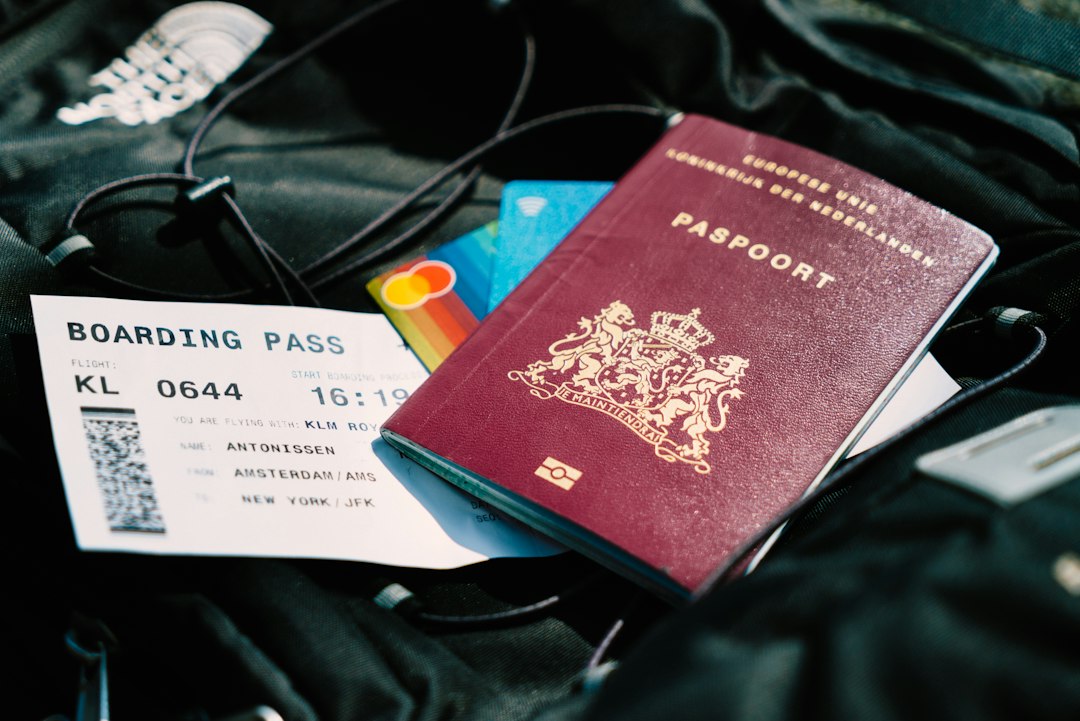
Spotting that four-letter mark on your ticket is honestly one of the most frustrating ways to start a trip, but identifying it isn't always as simple as reading a standard code. The SSSS designation is generated by the Secure Flight algorithm long before you reach the terminal, usually popping up on your boarding pass the second you wrap up your check-in process. While you’ll often see those four S characters printed boldly in a corner, don't assume you're safe just because they aren't staring back at you. Some airlines use proprietary software interfaces that might hide the designation within a unique barcode pattern, meaning the scanners at the gate see the red flag long before you ever do. It’s a bit of a digital shell game, and unfortunately, gate agents are legally barred from telling you exactly why the system flagged you.
The logic behind this is a weight-based scoring system that keeps shifting based on global threat levels, which is why it often feels completely random. Think about it this way: the algorithm might weigh your destination, your flight history, and even the quirks of a third-party booking site as combined risk variables. I’ve seen cases where a simple one-way ticket or a slight mismatch in your middle name compared to your government ID triggered the status instantly. Sometimes, it’s just an incomplete passenger profile that leaves the Secure Flight system unable to verify your identity, forcing the computer to default to a secondary screening. Because these triggers are intentionally unpredictable to keep the system secure, you might be flagged for an outbound flight but sail through the return leg without a single issue.
It really comes down to the fact that your boarding pass is essentially a communication bridge between your personal data and the Department of Homeland Security’s internal database. If you’re a frequent traveler, you might notice that the presence of the code can actually fluctuate based on the specific airline’s software interface. It’s worth noting that even minor technical glitches during booking can cause a mismatch that the system interprets as an unverified identity, automatically slapping that SSSS on your document. If you’re traveling from a visa-waiver country, any tiny discrepancy between your digital travel authorization and your flight manifest can also be the culprit. Just remember that this status is flight-specific, so if you see it once, it doesn't necessarily mean you're destined for a secondary search on every single trip you take from here on out.
Tips for Handling a Secondary Screening Experience
When you find yourself facing that secondary screening, the best thing you can do is breathe and stay composed, because tension honestly makes the whole ordeal feel longer than it actually is. It is easy to feel defensive, but keep in mind that the officers are just following a protocol triggered by a system that flags everything from name similarities to last-minute booking patterns. You should always be polite and direct in your answers, and if you feel like something is off, remember that you have the right to request a supervisor or a private room for any physical pat-downs. These screenings are often just administrative hurdles to verify your documentation, especially for students or visa holders, so try to view the process as a technical check rather than a personal accusation.
Make sure you have your documents organized and ready, and honestly, if this keeps happening, start keeping a detailed log of your travel dates and any specific questions the agents ask you. This record is surprisingly helpful if you decide to file a Freedom of Information Act request later to understand exactly why the algorithm flagged you, which often yields better data than the standard redress process. You can also look into getting a Redress Control Number if you suspect your name is causing consistent false positives due to the system’s orthographic matching engine. Just know that even with that number, a shift in your travel habits or a new, high-risk destination can still trigger the system again, so don't be shocked if it isn't a permanent fix.
Since ion mobility spectrometry is so sensitive, try to avoid handling things like garden fertilizers or specific chemicals right before a flight, as those can cause those annoying false positives that force a deeper search. When you're standing there, keep in mind that the policy requiring two officers to be present is there for your protection, too, ensuring a proper chain of custody for your belongings. If you’re ever unsure about what’s happening, just ask the officer to explain the next step; they aren't always chatty, but clarity goes a long way in managing your stress levels. It’s a frustrating reality of travel, but knowing how the game works definitely takes the sting out of the experience.
Can You Request to Have the SSSS Designation Removed?
I know it’s tempting to try and talk your way out of the SSSS designation once you spot it on your boarding pass, but I need to be real with you—there is no magic phrase or manager request that will make that status disappear at the gate. The SSSS flag is baked into the flight manifest by the government’s Secure Flight algorithm long before you even arrive at the terminal, which means the gate agent simply doesn't have the technical authority or the software access to override it for you. It’s an automated system, and while that feels cold and frustrating, it’s designed that way to ensure that security protocols are applied consistently without human interference at the point of departure.
If you’re stuck with it for your current trip, you really have to accept that the screening is going to happen, and trying to argue your way out of it usually just makes a tense situation even more stressful for everyone involved. I’ve seen people hope that checking in at different times or using different devices might trick the system, but there’s no evidence that those tactics actually work, so save yourself the energy. Instead, look at this as a temporary, flight-specific hurdle; being flagged once doesn't necessarily mean you’ll be on the list for your return flight or your next vacation.
That said, if you’re finding this happens to you every single time you fly, you don't just have to sit there and take it. The most effective way to address this long-term is by applying for a Redress Control Number through the Department of Homeland Security, which helps the system distinguish you from anyone else on a watchlist who might share your name. It’s a bit of paperwork, but it’s the only real, official way to try and stop the cycle of false-positive matches that the algorithm keeps throwing at you. It’s not an instant fix, but it’s a much smarter investment of your time than asking for an override that the airline legally cannot provide.
Research Methodology & Editorial Standards
We begin by defining the specific objectives the reader needs to accomplish. Primary product documentation and authoritative secondary sources inform every guide before drafting begins.
Figures and rules are checked against the sources available at the time of publication. Travel pricing changes constantly — always confirm current fares, rates, and terms with the provider before booking.