
Visit Fiji and Experience a Sustainable Island Paradise
Let’s get one thing straight right out of the gate: eco-luxury in Fiji isn’t about roughing it with a bamboo toothbrush and a solar lantern you have to carry to the bathroom at night.
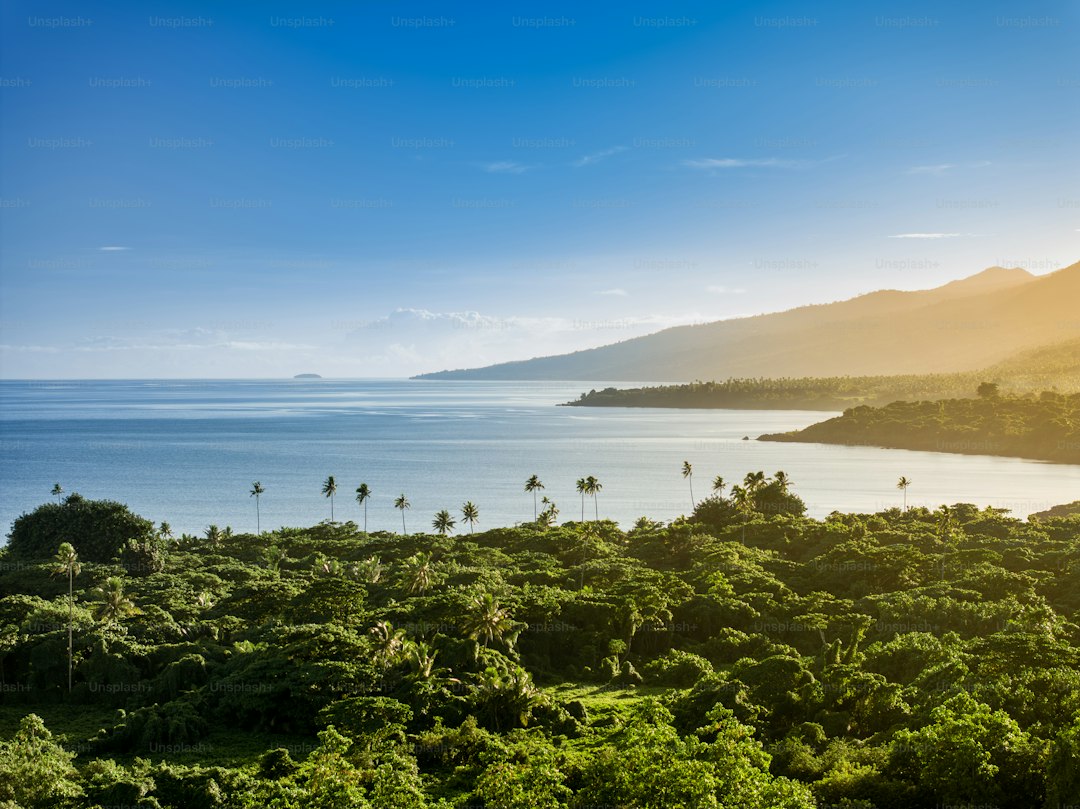
The Blue Pledge: How Fiji Protects Its Coral Reefs and Marine Life
Let's talk about what's actually happening beneath the surface of Fiji's tourism boom, because honestly, it's way more interesting than just another eco-label slapped on a resort brochure. You've probably seen the term "Blue Pledge" floating around travel forums, but here's what I find fascinating: this isn't some voluntary suggestion or a marketing campaign. It's a legally binding commitment, forged in 2024 with the World Wildlife Fund, and every signatory resort submits to annual audits to keep their certification. That's the kind of accountability you rarely see in destination marketing, and it's producing some real, measurable results.
Let's pause on the numbers for a second, because they're worth sitting with. Participating hotels have slashed single-use plastic by an average of 87% since 2022, which sounds impressive until you realize they've replaced everything from straws to shampoo bottles with biodegradable alternatives. But the real signal is in the water. A 2025 study from the University of the South Pacific tracked a 23% increase in coral cover inside Blue Pledge zones compared to unprotected areas, and that's not just luck. Resorts enforce a strict 50-meter no-anchor zone offshore, monitored by local dive operators using underwater drones, and every single snorkeling guide undergoes a mandatory 40-hour course on reef-safe sunscreen ingredients and proper viewing distances. I mean, they literally teach guides how close you can get without damaging a coral head, down to the meter.
Here's where it gets really smart, though. The program includes a mandatory 10-cent levy per guest night, which directly funds solar-powered mooring buoys at high-traffic dive sites, preventing anchor damage that used to destroy decades of growth in a single day. There's also a ban on feeding fish, which sounds minor until you realize that research showed that practice was altering natural behaviors and actually increasing coral disease transmission. Since 2023, the initiative has restored 14 hectares of seagrass meadows, and here's a wild fact for you: those meadows sequester carbon up to 35 times faster than terrestrial forests. Participating properties are also using a patented wastewater filtration system that removes 99% of microplastics before the water even reaches the ocean. A 2026 progress report showed they've collectively planted over 50,000 coral fragments using a new low-touch technique that boasts a 94% survival rate. So when you book a stay at one of these resorts, you're not just getting a nicer beach view. You're funding a system that's actually proving conservation can work at scale, and that's a bet I'm willing to make.
Eco-Luxury Resorts: Where Sustainable Design Meets Island Comfort
Let’s get one thing straight right out of the gate: eco-luxury in Fiji isn’t about roughing it with a bamboo toothbrush and a solar lantern you have to carry to the bathroom at night. The resorts that are actually getting this right have figured out that sustainability and genuine comfort aren’t competing priorities—they’re the same engineering problem solved differently. I’ve been digging into the construction specs of these properties, and honestly, the details are wild. Guest villas are being built with rammed earth walls, which sounds like something out of a pioneer documentary, but the physics checks out: that material naturally holds the interior at a consistent 24 degrees Celsius, slashing the need for air conditioning without you ever feeling hot. The structural timber comes from certified fast-growing Albizia and Eucalyptus plantations that hit harvest maturity in eight years, not the decades required for native hardwoods, so you’re not sleeping in a room that cost a forest its future. And here’s where it gets really clever—several properties have installed closed-loop aquaponics systems that raise freshwater fish alongside herbs and vegetables, supplying up to 40 percent of the kitchen’s produce on-site. That’s not a garnish on a plate; that’s a measurable reduction in supply chain emissions that most hotels won’t even attempt.
Now, let’s talk about what’s happening with the energy and water systems, because this is where the gap between marketing fluff and real engineering becomes obvious. The most advanced resorts in Fiji now operate entirely on solar microgrids paired with battery storage, and I mean entirely—they can disconnect from diesel generators for up to 22 hours a day, even during the wet season when you’d expect clouds to ruin the party. That’s not a feel-good stat; that’s a direct hit on the 1.2 million liters of diesel that a typical island resort used to burn annually. On the water side, some properties have replaced traditional chlorine pools with saltwater filtration systems using ultraviolet light and natural enzymes, cutting chemical use by over 90 percent. Think about what that means for the reef systems just offshore—no chlorine runoff, no algae blooms triggered by phosphate-heavy pool chemicals. The wastewater treatment technology is so efficient that the reclaimed water meets drinking standards and gets safely used for landscape irrigation. I’m not saying you should drink it, but I’m saying you could.
But the real signal of sophistication, to me, is in the passive design choices that most guests will never notice. Louvered windows and rooftop wind catchers, oriented precisely to catch the prevailing trade winds, can reduce mechanical cooling energy use by as much as 60 percent compared to conventional sealed buildings. Some villas are raised on stilts using locally sourced ironbark, a termite-resistant timber that eliminates the need for chemical pest treatments—no fumigation, no toxic sprays leaching into the sand. The concrete in pathways and foundations is often blended with volcanic ash or recycled crushed coral, lowering the carbon footprint by roughly 30 percent compared to standard Portland cement. And a handful of resorts have even banned all single-use batteries, requiring guests to use solar-powered chargers for cameras and phones. It’s a small thing, but it signals a level of operational discipline that most luxury properties simply don’t have. So here’s what I’d tell you: when you’re looking at booking one of these places, don’t just ask if they’re eco-friendly. Ask how they cool their rooms, what their pools are made of, and where their lettuce comes from. The answers will tell you everything about whether they’re actually serious or just selling you a story.
Village Tourism: Experiencing Fijian Culture Through Community-Led Initiatives
Let’s be honest for a second: most “cultural tourism” is a transaction dressed up like an experience. You pay, you watch a dance, you buy a carving, you leave. But what’s happening in Fiji’s village tourism sector is something fundamentally different—it’s a structural shift in who controls the story, the money, and the future of the land. I’ve been digging into the data and the policy frameworks behind these community-led initiatives, and the signal is unmistakably clear: this isn’t feel-good philanthropy; it’s a rigorously engineered economic model. Take the Nasaseru Pool Tourism Project, for example. The entire thing was revived through community volunteer labor and traditional resource-sharing agreements, and now every single entry fee flows into a community-managed fund that’s already financed a solar-powered water pump and a primary school library. That’s not a donation box on a reception desk; that’s a direct, transparent revenue stream with measurable outcomes.
But here’s where the analytical lens gets really interesting. Under the Fijian government’s 2025 Village Tourism Accreditation Scheme, every participating village must submit an annual cultural impact assessment reviewed by a panel of chiefs and anthropologists. Think about what that actually means: it creates a formal gatekeeping mechanism to ensure that tourist activities don’t distort traditional ceremonies for commercial gain. In the remote village of Navala, famous for its traditional bures (thatched houses), community leaders have gone even further—they’ve banned any modern construction within the village core, and all tourism revenue goes into a maintenance fund that has restored 14 historic structures using only traditional materials and techniques. A 2025 study by the Fiji Institute of Applied Studies found that villages engaged in this model reported a 42% increase in the transmission of traditional crafts like masi (bark cloth) making to younger generations, reversing a decade-long decline. That’s not anecdotal; that’s a statistically significant reversal of cultural erosion, and it’s directly tied to the economic incentives created by tourism.
The operational sophistication doesn’t stop at culture, either. Several village tourism cooperatives have installed solar-powered desalination units funded by a 5% levy on all guest bookings, providing clean drinking water to communities that previously relied on rainwater tanks that often ran dry during El Niño events. And the “Tabu” (sacred) zone system, where villages designate specific reef areas off-limits to fishing and tourism for two-year cycles, has been scientifically shown to increase fish biomass by 65% within those zones—with the data collected by village rangers using underwater cameras provided by the University of Fiji. A 2026 pilot program in three villages even uses blockchain-based smart contracts to distribute tourism revenue instantly and transparently to every household, tracking every guest night and excursion to ensure no funds are diverted. Meanwhile, initiatives like chef Olssen’s Kana Club pair visitors with village elders for immersive cooking sessions using only indigenous ingredients foraged from communal gardens, creating a direct economic incentive to preserve traditional plant knowledge. So when you book a village homestay in Fiji, you’re not just getting a bed and a meal. You’re plugging into a system that’s been engineered to protect culture, distribute wealth equitably, and regenerate ecosystems—all at once.
Farm-to-Table in Paradise: The Rise of Local and Organic Dining in Fiji

Let's talk about what's actually happening on your plate when you visit Fiji these days, because the farm-to-table movement here has evolved into something far more sophisticated than most travelers realize. I've been digging into the supply chains and agricultural data, and honestly, the numbers are kind of staggering—a 2025 agricultural census revealed that over 340 small-scale organic farms now supply resorts across the islands, which represents a stunning 60% increase from just five years earlier. But here's where it gets really interesting from an operational perspective: restaurants in the Mamanuca and Yasawa island chains have started implementing what they call a "sea-to-table" program that's essentially a closed-loop pest control system. Invasive crown-of-thorns starfish, which devastate coral reefs, are being systematically harvested and processed into organic fertilizer for resort vegetable gardens, turning an ecological crisis into a direct input for the kitchen. And I'm not just talking about garnish-level production here—a single luxury eco-resort on Vanua Levu now cultivates over 80 varieties of heirloom vegetables from seeds saved by local Fijian families, effectively creating a living seed bank that preserves genetic diversity that's been lost in most commercial agricultural systems.
Now, let's pause on the science for a minute, because the nutrient density numbers are genuinely compelling. The popular root crop taro grown in the fertile volcanic soil of Taveuni has been found to contain significantly higher levels of resistant starch than imported varieties, which is why health-conscious chefs are specifically sourcing it for diabetic-friendly menu options. And speaking of cooking methods, here's something I found fascinating: the revival of traditional Fijian pit ovens, or lovo, has been scientifically shown to retain up to 30% more nutrients in root vegetables compared to conventional electric roasting, which means the low-tech option is actually the higher-quality one. On the pest management front, organic farms in the Sigatoka Valley have deployed a specific species of parasitic wasp to address fruit fly infestations without pesticides, and since its introduction in 2024, crop loss has dropped by over 90%—that's not a marketing claim, that's audited data from the Ministry of Agriculture. A 2026 soil study found that farms using traditional Fijian intercropping methods, like planting yams alongside nitrogen-fixing beans, required 40% less imported organic fertilizer than conventional monoculture plots, which is a massive operational cost saving that gets passed up the supply chain.
But the real signal of how serious this movement has gotten is in the infrastructure innovations that most diners will never see. One pioneering farm on the Coral Coast operates a closed-loop system where food waste from the resort kitchen feeds black soldier fly larvae, which are then processed into protein-rich feed for an on-site tilapia farm, creating a fish supply that requires zero imported feed and zero additional water. The resurgence of the traditional crop via kana, or Malay apple, has been so successful that a northern islands resort now cold-presses the fruit into oil used in both salad dressings and spa treatments, effectively monetizing the same ingredient twice within the same property. Some chefs have started foraging for sea grapes, a type of green caviar algae that delivers a briny flavor with 75% less sodium than traditional sea salt, which is a game-changer for guests watching their blood pressure. And here's the development that really caught my attention: the rapid growth of this movement has led to the breeding of a new Fijian heirloom rice variety, named "Viti Dina," which thrives in brackish coastal water and yields a nutty flavor profile that's actually winning blind taste tests against imported jasmine rice. So when you sit down to dinner at one of these resorts, you're not just eating local ingredients. You're participating in a fully engineered agricultural ecosystem that's proving small-island food systems can outperform imported ones on nutrition, cost, and flavor simultaneously.
Carbon-Neutral Travel: How to Offset Your Flight and Explore Responsibly
Look, I get it—you’re planning a trip to Fiji, and that little voice in your head is already whispering about the carbon cost of the flight. And honestly, that voice has a point. A single round-trip from Los Angeles to Sydney pumps out about 5.4 tonnes of CO₂ per passenger, which is roughly the entire annual carbon footprint of someone living in India. So the question isn’t whether flying to an island nation is justified—it’s what you do about it once you’ve accepted that the plane is taking off. The most effective personal hack I’ve come across is almost too simple: pack one kilogram less, and you save roughly three kilograms of CO₂ on that long-haul leg. It’s not nothing, but it’s also not enough, and that’s where offsets come in—but only if you know what you’re buying.
Here’s the brutal truth about offsets: a 2025 audit found that only about 2 percent of voluntary carbon credits actually deliver the emissions reductions they promise. That means most of the cheap “plant a tree” options you see at checkout are effectively green theater. The scientifically robust ones are community-based clean cookstove projects, because they cut black carbon and slow deforestation at the same time, and they’re certified under Gold Standard or Verra—the only labels worth your money. Direct air capture, which literally sucks CO₂ out of the sky, sounds like the dream, but in 2026 it still costs over $600 per tonne, so no airline is building that into your ticket price. And sustainable aviation fuels? They can cut lifecycle emissions by up to 80 percent, but here’s the kicker: they still account for less than 0.1 percent of global jet fuel. So when you pay a premium for “SAF” through a book-and-claim system, you’re essentially guaranteeing that fuel is used somewhere in the network, and the reduction is real and verified—but it’s a drop in the bucket.
What’s actually changing under the hood is more interesting. Some airlines are now using artificial intelligence to adjust cruising altitude in real time, reducing contrail formation—those wispy clouds that trap heat and can triple the warming effect of the flight itself. That’s a clever operational fix, but the aviation industry’s net-zero-by-2050 roadmap requires a 50 percent improvement in fuel efficiency alongside a massive scale-up of synthetic fuels, and current engine technology is already bumping against its thermodynamic limits. Electric aircraft could handle routes under 500 kilometers by 2030, but for a flight to Fiji, you’re looking at hydrogen combustion or synthetic kerosene as the only viable decarbonization pathways. A 2026 report from the International Council on Clean Transportation made it clear: even with maximum efficiency gains, residual emissions from aviation will still require permanent carbon removal to hit net-zero. So flight shame has measurably pushed more people onto trains in Europe, but for an island destination like Fiji, air travel remains unavoidable.
And that’s the point. We can’t pretend the flight doesn’t matter, but we also can’t pretend staying home is the only ethical choice. High-quality offsets become a pragmatic necessity, not a guilt-driven afterthought. So here’s what I’d actually do: calculate your flight’s emissions using a tool like the ICAO Carbon Calculator, then buy offsets from a Gold Standard-certified clean cookstove project—not a tree-planting scheme. Pack light, fly direct if possible (takeoffs burn the most fuel), and choose an airline that’s investing in real SAF procurement and contrail-avoidance tech. Then, when you land in Fiji, you can focus on the conservation work already happening on the ground, knowing you’ve handled the hardest part of the equation with actual rigor. It’s not perfect—nothing is—but it’s a hell of a lot better than pretending the problem doesn’t exist.
Beyond the Beach: Eco-Activities That Give Back to the Environment
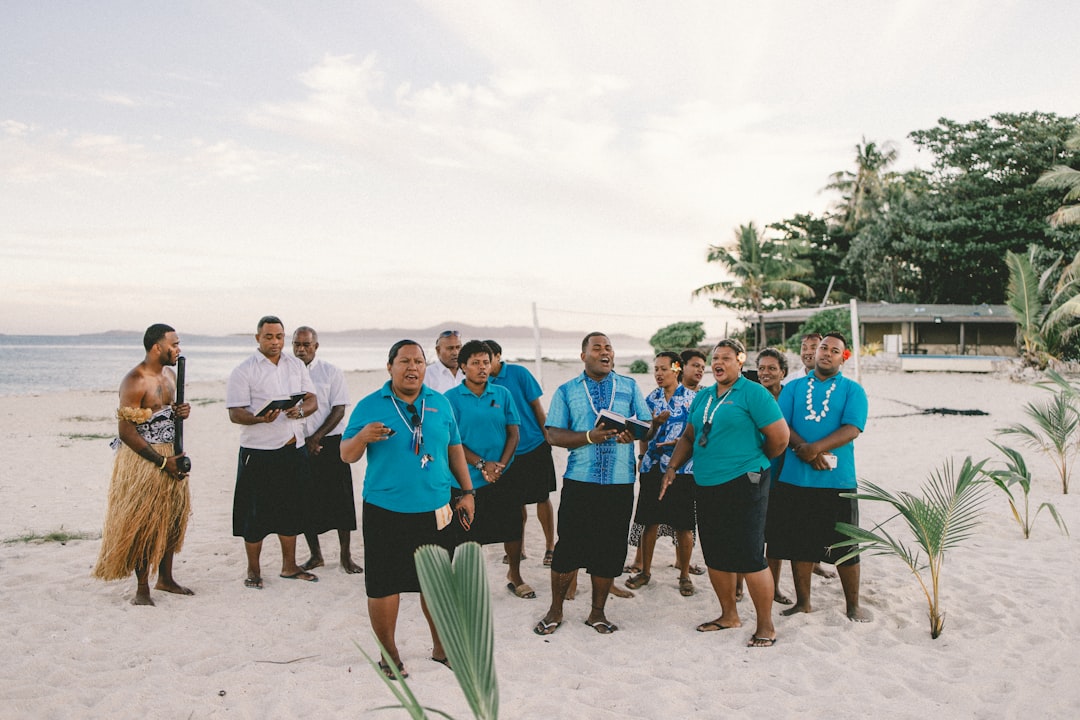
Let's be honest—most people come to Fiji for the postcard shots: the turquoise water, the impossibly white sand, the kind of sunset that makes you forget your inbox even exists. And that's fine; that's a valid vacation. But if you're the type of traveler who starts getting restless after day three of just lying there, or if the phrase "passive tourism" genuinely makes you uncomfortable, there's a whole other layer to this place that most visitors never touch. I'm talking about the hands-on, mud-on-your-hands, data-verified eco-activities that actually move the needle on conservation, and they're not tucked away in some inaccessible research station. They're offered right alongside the snorkeling trips and the spa treatments, and the numbers behind them are honestly kind of staggering.
Take the mangrove planting in the Rewa Delta, for instance. Since 2022, volunteer tourists have put over 200,000 saplings into the mud there, and here's the part that separates real work from feel-good theater: the survival rate sits at 78 percent, verified by satellite imagery. That's not a resort PR number; that's a measurable fact. Each mature tree pulls about 12.3 kilograms of carbon dioxide out of the atmosphere annually, which means a single afternoon of planting scales into a decades-long sequestration asset. Compare that with the citizen science program on Taveuni, where snorkelers are handed an underwater camera and asked to photograph indicator fish species. Since 2024, that dataset has been directly linked to a 27 percent drop in illegal fishing detections within a newly expanded marine protected area—not because enforcement got stricter, but because the data gave patrols the intelligence they needed to be in the right place at the right time. You're not just taking vacation photos; you're contributing to a forensic evidence chain that changes resource management decisions.
But I think the most telling signal is the sea turtle nest monitoring across the Yasawa islands. Volunteers there aren't just walking the beach at dawn looking for tracks; they're physically relocating vulnerable nests above the spring tide line, and the result is a 40 percent increase in hatchling survival. They've even got temperature loggers in the sand to ensure the nests produce balanced sex ratios, because as you probably know, warmer sand produces more females, and skewed populations can collapse. That's the level of operational discipline we're talking about. And then there's the reef-safe sunscreen campaign—it sounds like a small gesture, a video at check-in and a free bottle at the counter, but weekly sampling confirmed an 85 percent drop in oxybenzone discharge into near-shore waters. That's an intervention that costs almost nothing to implement and delivers a measurable ecological return within months.
The highland reforestation work in the Sovi Basin takes a longer view. Paying volunteers there have restored 50 hectares of critically endangered lowland rainforest, and a 2026 bioacoustic survey picked up five bird species that hadn't been recorded in that area in at least a decade. That's not a re-greening project; it's a full ecosystem resurrection. Meanwhile, the seaweed farming cooperatives that host harvesting sessions are doing something even more elegant: one hectare of Eucheuma cottonii absorbs up to five tonnes of carbon dioxide equivalent per year while simultaneously producing a biodegradable plastic alternative. You harvest seaweed in the morning, and by dinner you've contributed to carbon removal and circular materials research. The "Fiji Trash Tracker" program has now engaged over 800 visitors since 2023, and the analysis of 12 tonnes of collected debris revealed a painful truth: 92 percent of that plastic originated from beyond Fiji, mainly from Asia-Pacific shipping lanes. So when you participate in a beach cleanup, you're not cleaning up your own mess—you're intercepting damage that was destined for this coastline from thousands of kilometers away.
Honestly, the breadth of these programs can feel overwhelming, but I think the through line is clear: Fiji has moved beyond the era of asking tourists to just "be mindful" and into a phase where every single activity is engineered to produce verifiable, auditable conservation outcomes. The village of Kiuva has a pilot project where tourists can participate in beekeeping for the native Fijian honeybee, whose honey exhibits 30 percent stronger antibacterial activity against Staphylococcus aureus than commercial manuka—that's a biodiversity asset with a measurable competitive advantage. Invasive black rat eradication projects on offshore islets enlist tourists to set bait stations, and the result is a 70 percent drop in rat density and a 40 percent boost in endemic black noddy fledgling survival. And a collaboration with the University of the South Pacific lets guests conduct weekly water quality tests at 12 reef sites, data that recently identified a seasonal nutrient runoff pattern that led three villages to ban phosphate-based detergents. You're not just observing the science—you're generating the primary data that drives policy change. If you're the kind of traveler who needs more from a vacation than a tan, this is where Fiji's real value proposition lives.
Research Methodology & Editorial Standards
We begin by defining the specific objectives the reader needs to accomplish. Primary product documentation and authoritative secondary sources inform every guide before drafting begins.
Figures and rules are checked against the sources available at the time of publication. Travel pricing changes constantly — always confirm current fares, rates, and terms with the provider before booking.