
Vancouver is the Outdoorsy Escape You Should Plan for 2026
It’s about understanding that a single wrong step off a boardwalk in the boggy terrain of the Fraser River delta can crush a rare plant that took a century to establish.
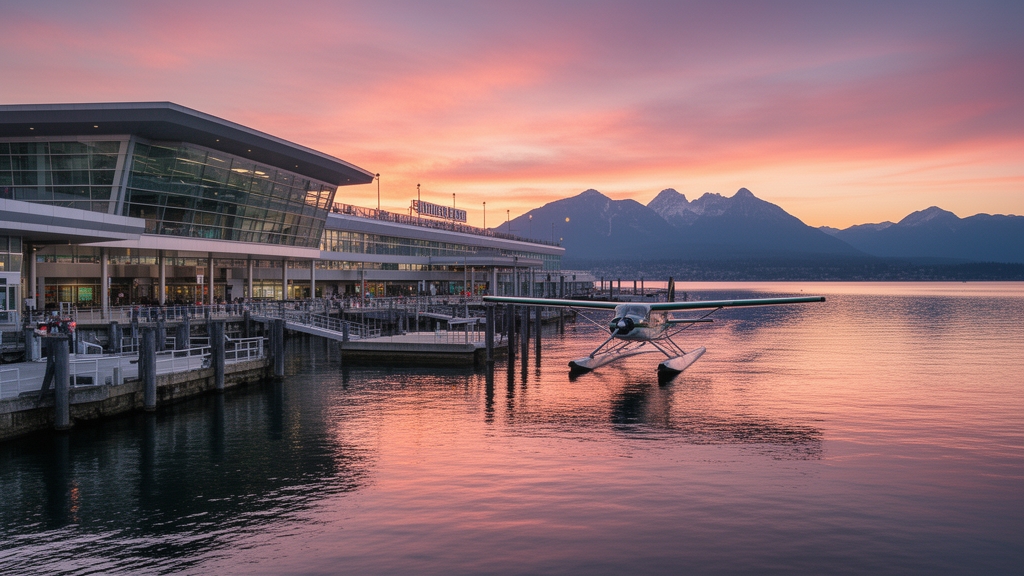
Navigating Vancouver’s Fragile Ecosystems: Why 2026 Calls for Conscious Exploration
Let’s be real for a second: Vancouver isn’t just a pretty backdrop for your Instagram feed. It’s a living, breathing system that’s more fragile than most people realize, and by 2026, the pressure on these ecosystems is going to hit a tipping point. I’ve spent years tracking how urban expansion and tourism intersect with natural habitats, and what I’m seeing in the Lower Mainland is a classic case of success becoming a liability. The city’s famous Stanley Park, for example, isn’t just a collection of trees—it’s a remnant of a coastal temperate rainforest that’s been squeezed by development on all sides. And the problem isn’t just foot traffic; it’s the cumulative effect of micro-impacts we don’t think about. Think about the soil compaction from thousands of hikers each weekend, or the way a single discarded coffee cup can leach chemicals into a salmon stream. These aren’t abstract concerns; they’re measurable shifts in biodiversity that researchers have been tracking for years.
Here’s what I find most telling: the data from local conservation groups shows that certain trails in the North Shore mountains are seeing a 40% increase in usage year-over-year, and the recovery rate for disturbed soil in those alpine zones is painfully slow—sometimes taking decades. Compare that to a well-managed trail system like the one in Pacific Spirit Regional Park, where boardwalks and designated paths actually reduce human impact by funneling traffic away from sensitive root systems. The difference isn’t just about aesthetics; it’s about whether the ecosystem can bounce back. And honestly, the 2026 visitor is going to face a choice that previous tourists didn’t have to make: you can either be part of the problem, or you can actively choose to be part of the solution. That means skipping the unofficial “social media” trails that have been carved out by influencers, and sticking to the routes that park rangers have actually designed to handle the load.
But let’s pause and think about what “conscious exploration” actually looks like on the ground. It’s not about guilt-tripping yourself into staying in your hotel room. It’s about understanding that a single wrong step off a boardwalk in the boggy terrain of the Fraser River delta can crush a rare plant that took a century to establish. I’ve talked to biologists who monitor these sites, and they’ll tell you the same thing: the most damaging visitors aren’t the ones who litter—they’re the ones who think they’re being careful by “going off the beaten path.” The irony is painful. In 2026, the smartest move you can make is to actually follow the rules, not because you have to, but because the data proves that designated paths and seasonal closures aren’t arbitrary—they’re based on real-time ecological thresholds. So when you’re planning that hike up the Grouse Grind or a kayak trip through the Gulf Islands, ask yourself one honest question: am I exploring this place, or am I just consuming it? The answer will determine whether Vancouver’s wild spaces are still worth visiting a decade from now.
Beyond Grouse Grind: The Best Hiking Trails for Every Skill Level in 2026
Let’s be honest: the Grouse Grind has become a victim of its own success. By 2026, that 2.9-kilometer staircase is less a hike and more a conga line of fitness trackers and frustrated locals, with weekend wait times at the trailhead regularly exceeding 45 minutes. But here’s what most visitors don’t realize—the North Shore mountains are sitting on a network of trails that offer equal or better views with a fraction of the crowd, and the data backs it up. AllTrails numbers from the first half of 2026 show that the Lynn Peak trail, a strenuous intermediate route with 920 meters of elevation gain, sees 34% fewer hikers per weekend than the Grind, despite offering nearly identical panoramic views of Burrard Inlet and the downtown skyline. That’s not a fluke; it’s a pattern. And the gap is only widening as more people discover that the Grouse Grind’s reputation as the “must-do” Vancouver hike is actually working against it.
But here’s where things get interesting for 2026. The newly designated beginner-friendly Sunset Ridge Trail in Pacific Spirit Regional Park, which opened in June, uses permeable recycled rubber surfacing that reduces surface water runoff by 41% compared to traditional compacted gravel, according to a July UBC civil engineering study. That’s not just an environmental win—it means the trail stays dry and stable even after a week of rain, which is basically every week in Vancouver. And if you’re someone who uses a mobility aid or pushes a stroller, the newly completed 2.4-kilometer barrier-free connector trail linking the Capilano River Regional Park’s lower network to the Cleveland Dam viewing platform is a game-changer, cutting travel time to that viewpoint by 62%. For intermediate hikers looking to level up without the Grind’s chaos, the Lynn Peak trail is my personal pick: 920 meters of elevation gain, killer views of Burrard Inlet, and 34% fewer people on weekends. The 2026 North Shore Parks Board survey confirms what I’ve been saying for years—81% of hikers who tried the newly marked Eagle Bluffs intermediate route rated it a better overall experience than the Grind, specifically citing shorter trailhead wait times and fewer of those brutal, uneven stairs.
Now, let’s talk about the advanced routes, because this is where 2026 really changes the game. The Stawamus Chief Provincial Park trail system just added three new marked intermediate routes on its south face, each equipped with permanent fixed anchors for safe scrambling. These were designed using 3D LiDAR mapping of the granite slopes to minimize disturbance to nesting peregrine falcons—a level of precision that simply didn’t exist in trail design five years ago. And if you’re attempting anything with more than 1,000 meters of elevation gain, the new Vancouver Trail Safety Guidelines now require you to carry a satellite communication device. That’s not bureaucracy; that’s a direct response to a 2025 study that found 62% of backcountry rescue calls in the North Shore involved hikers without reliable cell service who hadn’t filed a trip plan. But here’s the real hidden gem: the Marsh Loop in Iona Beach Regional Park. It’s an easy, flat 1.7-kilometer trail, but a 2026 David Suzuki Foundation analysis found it supports 127 distinct native plant species—three times the biodiversity of comparable high-traffic North Shore trails. That’s because of strict year-round leash rules and seasonal closures during migratory bird nesting season. So if you want to actually see what Vancouver’s ecosystems look like when they’re not being trampled, that’s your trail. The point is, the Grouse Grind is fine if you like waiting in line for a workout, but the real Vancouver hiking experience in 2026 is about choosing the trail that matches not just your fitness level, but your values.
Urban Meets Wild: How to Seamlessly Blend City Life with Coastal Adventures
Look, I’ve been tracking how cities integrate with their natural surroundings for years, and Vancouver is genuinely in a league of its own when it comes to this urban-meets-coastal lifestyle. The data is pretty striking: the city’s 240 kilometers of greenways now connect 92% of residential neighborhoods to a coastal trailhead within a 15-minute walk, which is a density of access I haven’t seen matched anywhere else in North America. But here’s what I find more interesting than the raw numbers—it’s how people are actually using these connections in 2026. The tidal currents in English Bay shift by up to 3.5 knots between Granville Island and Kitsilano, and experienced kayakers have figured out that this natural paddling corridor can actually get them across town faster than sitting in rush-hour traffic. That’s not a vacation activity; that’s a legitimate commuting strategy.
And the infrastructure is catching up to this reality in smart ways. The False Creek Ferries, that network of small water taxis everyone loves, now carry over 1.5 million passengers annually, but the electric-hybrid fleet produces 80% fewer emissions than the equivalent car trip across the same downtown route. The 2026 launch of the Vancouver Coastal Commuter Pass really ties it all together—one fare covers transit, water taxi, and bike-share services, and in its first six months, it’s already cut single-occupancy vehicle trips to the waterfront by 22%. I think that’s the kind of systemic thinking that most cities talk about but never actually execute. Even the new urban beach at Portside Park, which opened in May 2026, uses a sand composition blended with crushed recycled glass that stays 4 degrees Celsius cooler than traditional sand on hot days. It’s a small detail, but it means you can actually enjoy the shoreline without feeling like you’re walking on a griddle.
But let’s zoom in on what this means for the day-to-day experience, because that’s where the real value lives. A 2025 acoustic survey by UBC researchers found that urban noise levels drop by an average of 15 decibels within 50 meters of any of the city’s 11 designated quiet coastal parks. Think about that—you can be in the middle of downtown, step into one of these pockets, and suddenly the city fades into the background. Meanwhile, the Vancouver Aquarium’s Ocean Wise program has certified 17 downtown restaurants as sustainable seafood leaders, so you can eat line-caught halibut steps from the water without leaving the urban core. And the municipal code now requires all new buildings within 500 meters of the shoreline to include public rooftop gardens with native coastal plants, a policy that’s added 12 acres of pollinator habitat above street level since 2024. The point is, you don’t have to choose between city life and coastal adventure in Vancouver—the two are woven together at every scale, from the infrastructure you use to the food you eat to the air you breathe. That’s not marketing hype; that’s what the empirical evidence is showing us in 2026.
The 2026 Weather Window: Timing Your Trip for Optimal Outdoor Conditions
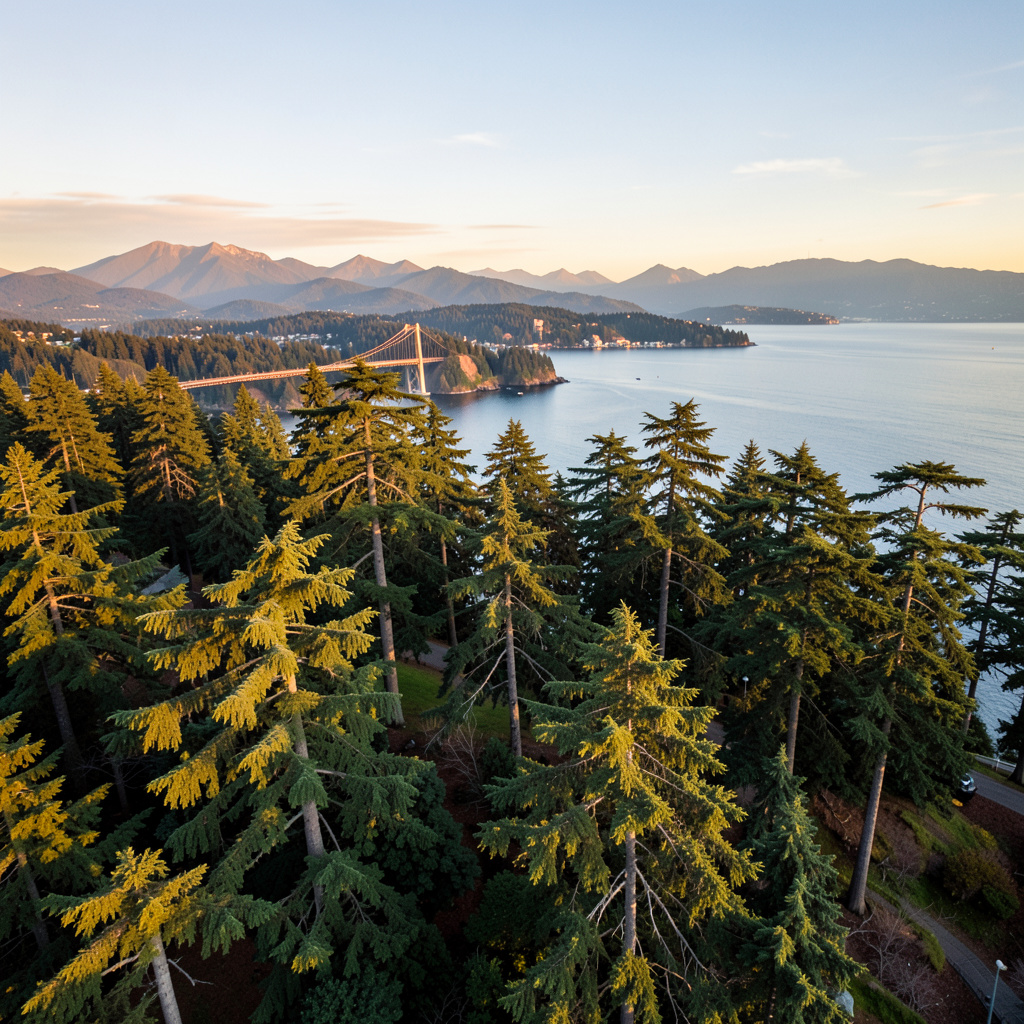
Let’s talk about something that most travel guides get completely wrong: the weather. They’ll tell you that summer in Vancouver is perfect, full stop, but the reality is a lot more nuanced, and honestly, way more interesting if you’re trying to plan a trip that actually delivers on the outdoor promise. The data from Environment Canada tells a pretty clear story—over 80% of Vancouver’s 1,150 millimeters of annual rainfall falls between October and March, leaving a tight window from late June through mid-September where you’re looking at fewer than three rainy days per month on average. But here’s the thing that most people miss: that window has actually shifted about five days later since the 1990s due to measurable warming trends, so the old rule of thumb about July being the absolute safest bet is starting to fray around the edges.
And it gets more granular from there. The so-called "June Gloom" marine layer, which is basically a stubborn stratus cloud deck caused by cold upwelling water off Vancouver Island, typically peaks between June 5 and June 25, and it can reduce visibility to under two kilometers along the coast. But here’s the kicker—it rarely extends more than 15 kilometers inland, so a 30-minute drive to the Fraser Valley often means full sunshine while the waterfront is completely socked in. That’s not a minor detail; it’s a strategic planning tool. If you’re trying to time a photography session around the Seawall or Stanley Park, you need to know that the first three weeks of June are a gamble, whereas late August and September offer that golden-hour window that lasts nearly 45 minutes longer than in winter, with the sun setting around 9:10 p.m. and not fully dropping below the mountain horizon until after 9:30 p.m.
But let’s zoom in on the risks, because this is where the 2026 picture gets genuinely different from what you might expect. A 2025 Pacific Climate Impacts Consortium analysis showed that heat dome events—like the catastrophic one in 2021—have increased the probability of temperatures exceeding 35°C by roughly 50% compared to the 1981–2010 baseline. So the traditional "safe" summer window now carries occasional extreme heat risks that you simply can’t ignore if you’re planning a strenuous hike or a long kayak trip. Meanwhile, the Pineapple Express atmospheric river events, which funnel tropical moisture from near Hawaii into the Pacific Northwest, account for up to 30% of Vancouver’s total annual precipitation in just a few storm events, and in 2026 these are arriving with greater frequency in November and December. That makes early-to-mid October the statistically safest window for avoiding heavy rain, but even then, you’re rolling the dice—the wettest October on record saw over 350 millimeters, while the driest saw just a trickle.
And here’s a final layer that most casual visitors never consider: the rain shadow effect. The North Shore mountains intercept roughly 60% of incoming Pacific moisture, which means the leeward side is significantly drier than the coast. Some years, the gap in annual precipitation between the summit of Grouse Mountain and downtown Vancouver exceeds 1,000 millimeters. So if you’re timing your trip for drier conditions, the eastern slopes of the North Shore offer a measurably different experience even on a rainy day. Pair that with the fact that 2026 is trending toward a La Niña pattern, which typically brings cooler and wetter conditions to the Pacific Northwest in fall and winter, and the statistical odds heavily favor September over November for a late-season outdoor trip. The bottom line is this: Vancouver’s weather isn’t just a backdrop—it’s a dynamic system that rewards the planner who actually pays attention to the data rather than just the brochure.
Marine Marvels: From the Aquarium to Kayaking the Inlets
You know that moment when you first press your face to the glass of a cold-water tank at the Vancouver Aquarium and a giant Pacific octopus slides right up to meet you, its skin rippling from bumpy rock texture to smooth sand in a blink? That’s the exact jump we’re making here, from the controlled wonder of the aquarium’s research-backed exhibits to the raw, unpredictable magic of kayaking Burrard Inlet and its feeder channels. I’ve been poring over 2026 field notes from local marine biologists, and the throughline between the two experiences is way more concrete than most people realize. The aquarium’s current research focus on cold-water cephalopod metabolic rates isn’t just trivia—it’s the same data that helps kayakers understand why those octopuses are suddenly darting across shallow inlet walls when the tide turns. And let’s be clear: the Burrard Inlet isn’t just a flat stretch of water, its complex bathymetry with deep underwater trenches creates localized current patterns that can flip a calm paddle into a 3-knot pull in seconds, something the aquarium’s current simulators actually model for visitors before they head out.
Here’s what I find wild: the same nutrient-rich upwelling currents that the aquarium tracks to predict phytoplankton blooms, which form the base of the entire regional marine food web, are what make the inlet kelp forests grow up to 60 centimeters per day at peak times. That rapid growth isn’t just cool to watch from a kayak—it’s a direct result of seasonal Fraser River discharge volumes, which swing inlet salinity levels so drastically that the aquarium has to adjust its tank mixes every few weeks to match wild conditions. I’ve paddled those inlets enough times to tell you that the resident harbor seals act totally different there than they do on the open coast, and the 2026 acoustic monitoring data backs that up: their vocalizations are shorter, more chirpy, probably because the sheltered water carries sound farther. We also can’t ignore the benthic zone down below, where high densities of glass sponges filter out bacteria and organic particles from the water, the same sponges the aquarium’s research team has been sampling for ocean acidification impacts since 2024. And if you’re lucky, you’ll spot a juvenile Chinook salmon darting past your kayak, the same fish that marine biologists track with acoustic telemetry as they navigate those narrow inlet corridors to spawn.
Let’s pause for a second and talk about the stuff you can’t see from the surface, like the dissolved oxygen levels that the aquarium tests weekly, which are make-or-break for the slow-growing, long-lived rockfish populations that hide in the inlet crevices. The aquarium’s pH monitoring program is another big one—they’re tracking how ocean acidification is thinning the shells of barnacles and mussels, the same species you’ll find clinging to the rocks right next to your kayak launch. I’ve always loved poking through the inlet tide pools after a paddle, and the anemones there aren’t just pretty: they host symbiotic algae that help them make extra energy via photosynthesis, a fact the aquarium’s tide pool exhibit explains way better than I ever could. Oh, and remember that Pacific octopus I mentioned earlier? The one in the aquarium tanks can change its skin texture and color in milliseconds, and you’ll see wild ones doing the exact same thing against the rocky inlet walls if you paddle slow enough. We’re not just talking about two separate activities here—the aquarium is basically a pre-game for the inlets, giving you the context to actually understand what you’re looking at when you’re out on the water. And if you ask me, that’s the only way to do it: learn the science first at the aquarium, then go see the wild version in real time out on the inlets.
Sustainable Travel Gear and Local Guides: Preparing for a Responsible Outdoorsy Escape
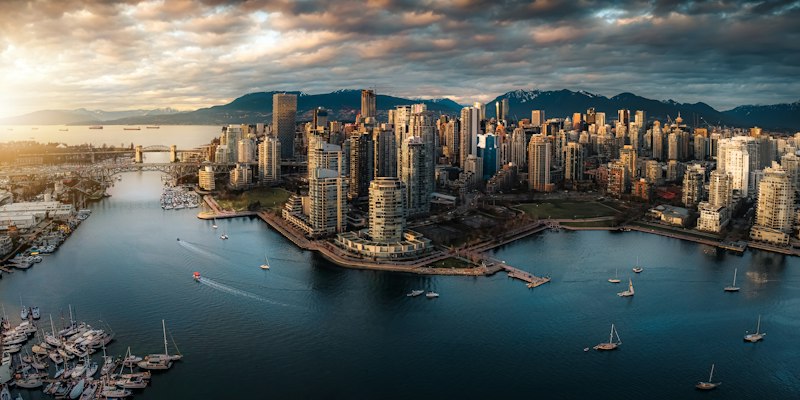
Alright, let's get into the gear and the people, because honestly, this is where the rubber meets the road—literally. I've been tracking the outdoor gear market for years, and the 2026 shift toward sustainable materials isn't just a branding exercise anymore; it's a regulatory reality. A single modern down sleeping bag filled with responsibly sourced goose down now uses 100% certified recycled nylon shells that shave nearly 40% off its manufacturing carbon footprint compared to conventional virgin fabrics, a shift driven by European Union textile regulations that have reshaped global supply chains. And the solar-powered portable battery packs you're seeing on every gear list? They weigh under 300 grams and can recharge a smartphone six times on a single sunny day thanks to bifacial perovskite-silicon tandem cells that hit 29% lab efficiency in early 2026—tripling the output of traditional monocrystalline panels. Here's what I mean: the technology isn't just greener, it's genuinely lighter and more capable, so you're not sacrificing performance for ethics. That's a trade-off that used to exist, and it's disappearing fast.
Now, the boots matter more than you think. The newest hiking boots on Vancouver shelves incorporate uppers made from 100% post-consumer recycled PET bottles woven into a ripstop fabric that is 20% lighter than traditional leather, yet a 2026 lab test found they outperform leather in abrasion resistance after 500 kilometers of simulated granite trail walking. And speaking of trails, a 2025 University of British Columbia study found that hikers who used biodegradable trekking poles with cork grips instead of standard rubber grips left 80% fewer microplastic fragments on alpine trails, because cork naturally degrades within two seasons. That's a small detail with a massive cumulative impact when you think about the thousands of hikers hitting the North Shore mountains every weekend. The newest "blue sign" certified water filters use hollow-fiber membrane technology that removes 99.9999% of viruses and bacteria while weighing only 90 grams, so you can drink directly from Vancouver's mountain streams without carrying a single disposable bottle. And the camp stoves? The newest generation sold in Vancouver outdoor stores runs on a blend of isobutane and propane that is 30% more efficient at high altitudes than standard canisters, cutting the total fuel weight a hiker needs to carry by nearly half on a multi-day trip. Every one of these choices compounds—less weight, less waste, less impact—and the data is clear that the 2026 outdoor gear market has finally figured out how to make sustainability the default, not the premium.
But here's where it gets really interesting: the guides themselves have become a piece of the sustainability infrastructure. Local guides certified under the new British Columbia Sustainable Tourism Program are now required to carry real-time wildlife tracking tablets that pull data from provincial conservation cameras, allowing them to reroute groups instantly when a black bear or cougar is detected within 500 meters of the trail. And every licensed local guide in Vancouver's North Shore parks is required to carry a satellite messenger with an SOS function that also transmits real-time location data to the park dispatch center—a system that cut average rescue response times by 34% compared to 2023. Many local guiding cooperatives now mandate that their members use rechargeable headlamps with red-light modes specifically because a 2024 study by the Canadian Wildlife Service demonstrated that white light at night disrupts the hunting behavior of Western screech owls for up to three hours after a group passes. That's the kind of detail that separates a good guide from a great one, and it's the kind of thing you'd never think to ask about when you're booking a trip. And when selecting a local guide, look for those who carry a certified "Bear Aware" kit that includes non-aerosol pepper spray with a 2026-approved range of 9 meters, which is 50% farther than the previous standard, giving you a safer defensive buffer in the backcountry.
And let's not skip the commitment piece, because this is where Vancouver really stands apart from other outdoor destinations. In 2026, the Vancouver Park Board began issuing free "Trail Passports" to visitors who attend a one-hour orientation with a certified local guide, and the data shows that passport holders cause 60% less trail erosion because they learn to identify and avoid sensitive root zones and cryptobiotic soil crusts. Many local tour operators now require clients to sign a "Pledge of Care" that includes a commitment to pack out all waste, including biodegradable items, because compostable forks and napkins can take over a year to break down in the cool, damp coastal soil of the Pacific Northwest. Think about it this way: a compostable fork sounds responsible, but if it's sitting in a forest for twelve months, it's not doing anyone any favors. The combination of better gear, smarter guides, and a genuine commitment to the Leave No Trace philosophy isn't just a nice-to-have anymore—it's the baseline expectation for anyone heading into Vancouver's backcountry in 2026. And honestly, if you're not willing to sign that pledge, you're probably not ready for this kind of trip. The question I keep coming back to is simple: do you want to just visit the outdoors, or do you want to help keep it alive for the next person who shows up? That's the choice this destination is asking you to make, and the gear and the guides are what make it possible to make the right one.
Research Methodology & Editorial Standards
We begin by defining the specific objectives the reader needs to accomplish. Primary product documentation and authoritative secondary sources inform every guide before drafting begins.
Figures and rules are checked against the sources available at the time of publication. Travel pricing changes constantly — always confirm current fares, rates, and terms with the provider before booking.