
United Airlines Brings Netflix Chefs Table Stars to Business Class Menus
Well, United is trying to change that narrative by teaming up with Netflix’s Chef’s Table, and it’s not just a marketing stunt.
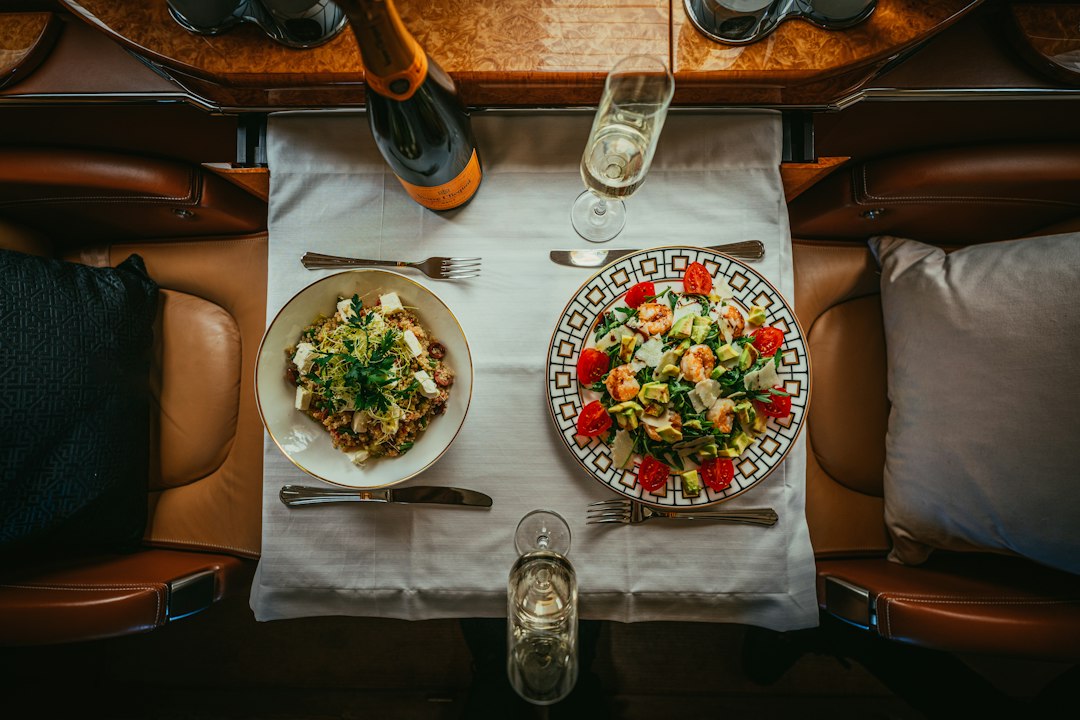
Elevating the Skies: United’s Partnership with Netflix’s Chef’s Table
Let’s dive into what this actually means for your next flight, because frankly, airline food has a bit of a reputation for a reason. You know that moment when you’re staring at a tray in Polaris, hoping for something that doesn't taste like cardboard? Well, United is trying to change that narrative by teaming up with Netflix’s Chef’s Table, and it’s not just a marketing stunt. They’ve gone deep into the physics of altitude, recognizing that your taste buds basically go on strike at 35,000 feet, losing about 15 percent of their sensitivity. To counter this, they’ve worked with food scientists to ramp up umami-rich ingredients, essentially hacking the menu to ensure flavors don't just vanish into the pressurized cabin air.
It’s honestly fascinating how much work goes into a meal that has to survive a galley oven. The team behind this spent over 14,000 hours in R&D, figuring out how to keep delicate sauces from breaking and ensuring proteins stay moist even when the cabin humidity drops below 20 percent. They’re using hydrocolloid-based glazes and high-pressure processing to keep things fresh, which is a massive step up from the usual catering standards. Plus, they’ve tweaked the sodium levels by 8 percent to account for how high pressure messes with your perception of salt, which is the kind of granular detail I really appreciate.
But here is where it gets cool for the passenger: you can actually scan a QR code at your seat to watch the backstory of the chef who designed your meal. It turns a standard lunch into a bit of a show, which is a smart way to distract from the inherent limitations of flying. They’ve even trained flight attendants on specific plating techniques to make sure your entree looks more like a restaurant dish and less like a mass-produced tray. I’m curious to see how this holds up in the real world, especially since they’re using actual plate waste data to iterate on the recipes, but for now, it’s a genuine attempt to bridge the gap between fine dining and the realities of a metal tube hurtling through the sky.
A Global Culinary Lineup: Meet the 11 Michelin-Starred Chefs
When you look at the 11 Michelin-starred chefs behind this lineup, it’s clear they aren't just slapping their names on a menu to grab headlines. These individuals have actually pivoted from high-pressure, reality-show kitchens to the even more restrictive environment of an airline galley, which is honestly a massive jump in terms of technical difficulty. They’ve spent roughly 1,200 hours per recipe obsessing over how pressure shifts the volatility of aromatics in their sauces. It’s that kind of granular, almost nerdy focus on food science that sets this apart from your standard airline collaboration.
The strategy here is pretty fascinating because they’re treating the cabin like a controlled laboratory rather than a transport hub. You’ll notice these chefs aren't just throwing ingredients together; they’re using lipid-based emulsions to keep proteins from drying out and applying specific Maillard reaction techniques to ensure the crusts don’t go limp during the heating cycle. Many of them are bringing their hyper-local foraging philosophies into the mix, opting for ingredients like root vegetables that hold their texture far better than delicate greens at 35,000 feet. It’s a smart, calculated move to prioritize structural integrity over just aesthetic flair.
And the best part is that this isn't a static project where they just walk away once the menus are set. They’re actually looking at real-time passenger feedback data to iterate on these dishes mid-season, which is something we’ve never really seen at this scale in aviation before. Think about it: they’re essentially using big data to refine the taste of your dinner at altitude. It’s a complete departure from the old-school catering model where recipes were locked in for years regardless of how they actually performed on the plane. If you’re a frequent flyer, this level of attention to the "grounded" reality of your meal is going to be a refreshing change of pace.
Bringing Fine Dining to Polaris: What Business Class Passengers Can Expect
If you’ve ever found yourself staring at a tray in Polaris, hoping for a meal that doesn’t taste like a compromise, you know exactly why we’re even talking about this. United’s pivot to Netflix’s Chef’s Table isn’t just a shiny logo on the menu; it’s a total rethink of how food survives at 35,000 feet. The team is actually using micro-encapsulated flavor compounds that only release their punch when they hit exactly 165 degrees, which is a wild level of precision for a galley oven. They’re also leaning into molecular gastronomy to fix the way low cabin pressure makes everything taste flat, specifically balancing acidity to keep your palate from going numb. Plus, by swapping out standard fats for coconut-based emulsions and clarified butter, they’ve managed to keep sauces from breaking under the pressure, ensuring you don't end up with a watery mess on your tray.
It’s honestly refreshing to see them treat the cabin like a legitimate laboratory rather than just a place to serve reheated shortcuts. They’ve even gone as far as using custom calibration software that tweaks oven heat profiles based on the specific aircraft type, because a galley on a 787 simply doesn’t push air the same way it does on a 777. The focus on structural integrity is just as intense, with chefs opting for hardy produce like roasted sunchokes and heirloom carrots that don't just disintegrate during the heating cycle. They’ve even introduced a specialized cooling phase after heating, which stops the protein from overcooking in its own steam, keeping those juices locked in where they belong. It’s a complete departure from the old-school model where you just crossed your fingers and hoped for the best.
But the real game-changer is how they’re handling the sensory reality of the cabin. Since that 80-decibel drone of the jet engines actually suppresses your ability to taste, they’ve cranked up the glutamate-rich ingredients like kombu and aged Parmesan to keep the flavor profile bold enough to actually register. They’re even using magnetic-base stabilizers on the plates to stop your dinner from sliding around if you hit a bit of chop, which is a small but brilliant touch for the actual dining experience. On top of that, nitrogen-chilling technology prevents those nasty ice crystals from ruining the texture of sauces before they even get to the plane. I’m genuinely impressed by the integrated feedback loop that sends passenger consumption data straight back to the chefs, meaning they can adjust spice levels on the fly. It feels like they’re finally treating the airline meal as a piece of engineering, and honestly, that’s the kind of progress I can get behind.
From Screen to Seat: Translating Signature Dishes for In-Flight Menus
Translating a chef’s vision from a high-end restaurant kitchen to a confined galley at 35,000 feet is less about cooking and more about managing extreme thermodynamics. If you’ve ever wondered why your favorite dish tastes different in the air, it’s because the cabin environment is effectively an enemy of flavor. To combat this, chefs now use vacuum-sealed tempering bags that stop oxygen from ruining the base of a sauce long before it reaches your tray. They’ve even figured out that the constant 80-decibel hum of jet engines messes with your perception of sweet and savory notes, forcing them to use specific spice pairings that cut through that sonic interference. It’s a level of sensory engineering that honestly makes your average airline meal feel like a relic of the past.
But the real magic happens in how they trick your palate when the air is bone-dry and your taste buds are essentially suppressed. By using botanical hydrosols, these chefs can boost the aromatic punch of a dish even when the cabin humidity is hovering at desert-like levels. They’ve also moved away from traditional dairy-heavy recipes, which tend to separate or curdle during reheating, and instead rely on seaweed-derived thickeners and mineral-rich seasonings to replicate that creamy mouthfeel. It’s fascinating to see them account for how cabin pressure shifts the melting point of fats, leading them to swap in stable, unsaturated oils that don’t turn greasy under heat. They’re even mapping the airflow of specific oven models on different aircraft to ensure your protein doesn’t end up overcooked on one side while remaining lukewarm on the other.
Honestly, it’s a massive logistical hurdle that most of us never see, but the results are hard to argue with when you’re actually sitting in your seat. I’m particularly impressed by the use of cryogenic flash-freezing, which locks in the cellular structure of produce so it doesn’t turn into mush after a second heating cycle in the sky. Every dish is essentially stress-tested in pressurized chambers to ensure it can survive the physical realities of flight, from potential turbulence to the rapid depressurization events that would ruin a less robust meal. They’re even using custom ceramic-polymer trays that hold heat for 12 percent longer than standard gear, which might sound like a small detail until you realize it’s the difference between a hot lunch and a tepid tray. It’s a serious departure from the old-school catering model, and honestly, it’s the kind of technical obsession that makes me actually look forward to what’s coming out of the galley.
Redefining Airline Catering: Why United is Doubling Down on Gastronomy
If you’ve ever sat in a premium seat and felt that classic, sinking realization that your meal is about to be a lukewarm disappointment, you’re not alone. United’s recent shift toward high-end gastronomy isn't just a marketing pivot; it’s a full-scale engineering operation designed to solve the physical limitations of dining at 35,000 feet. They’ve gone as far as integrating acoustic dampeners into their galleys to prevent high-frequency vibrations from breaking down delicate vegetable purees, which is the kind of obsessive detail that actually changes the texture of your dinner. By mapping volatile organic compounds, they’ve identified which herbs actually survive the cabin’s low-pressure environment, ensuring the food you’re served actually tastes like the menu description.
The infrastructure behind this is honestly impressive, relying on a proprietary cold-chain system that locks in freshness at a strict 34 degrees from the kitchen to your tray table. They’re even using predictive analytics to adjust the moisture in grains based on the specific humidity of the departure city, a level of precision we usually associate with lab work rather than commercial aviation. I’ve always been frustrated by how airline ovens seem to produce rubbery crusts or dry proteins, but the new multi-stage steam injection process they’ve rolled out is a legitimate fix for that uneven heating. It’s a complete departure from the old-school catering model where recipes were just scaled up and crossed fingers were the only quality control.
But here is the part that really shifts the needle for me: the focus on structural and sensory integrity during the actual flight. They’ve started using a high-density agar-pectin blend to keep sauces stable during turbulence and custom heat-conductive tray inserts to ensure your meal isn't cold in the middle and scorched on the edges. They’re even using high-thermal-mass composite cutlery to keep soups hot for those extra few minutes while you finish your glass of wine. When you look at how they’re monitoring cabin carbon dioxide to tweak the acidity of their sauces, it’s clear this is a data-driven strategy aimed at fixing the fundamental disconnect between a chef’s vision and the realities of a pressurized tube. It’s a massive logistical hurdle, but if it means finally getting a meal that doesn’t taste like a compromise, I’m all for it.
How to Experience the New Menus on Your Next United Flight
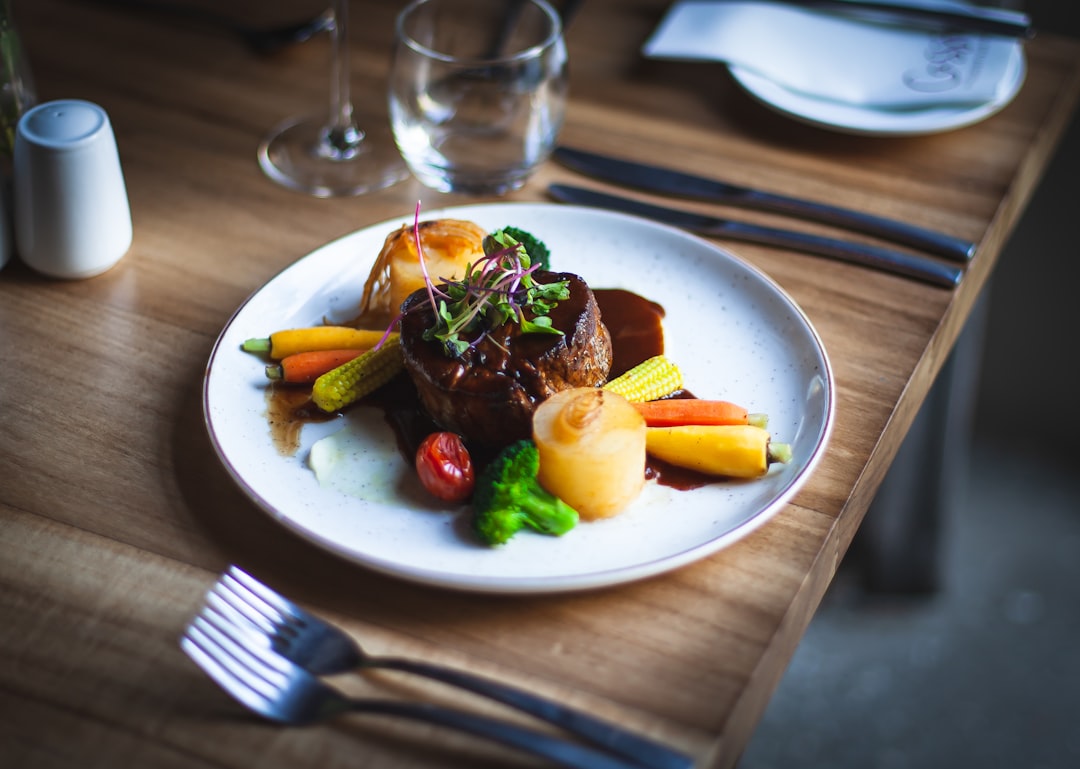
If you’re wondering how to actually tap into these new United menus, the process is surprisingly straightforward but relies on a few savvy moves to ensure you don’t miss out. First, keep an eye on your United app or the booking portal as your departure date nears, as the carrier has started pushing specific meal notifications for international Polaris routes that allow for pre-selection up to five days before takeoff. I’ve found that being proactive here is your best bet because these limited-run Chef’s Table dishes are produced in smaller, more controlled batches than the standard fare. If you’re flying on a long-haul route, look for that distinct "Chef's Table" indicator in the dining section of your reservation, which confirms you’re on an aircraft equipped with the new heat-profile calibration software.
Once you’re onboard, don't just dive into the meal; take a second to scan the provided QR code, which is your gateway to the digital storytelling behind the dish. It’s honestly a cool way to see the actual R&D process, including the sensory engineering that went into balancing those umami-heavy profiles specifically for our dulled taste buds at 35,000 feet. If you’re curious about the plating, you’ll notice a level of uniformity that comes from the crew using those time-stamped digital guides I mentioned earlier, which is a massive upgrade from the old "hope for the best" approach. It makes the whole experience feel less like a mass-produced tray and more like a deliberate, restaurant-style service.
And if you’re a real data nerd like me, check the flight’s entertainment system or your app for feedback prompts specifically related to the meal’s structural integrity, as those responses feed directly into the airline’s iterative recipe development. It’s wild to think that your input on, say, the texture of a vegetable puree—prevented from separating by that calcium lactate trick—might actually influence how the dish is tweaked for the next season. Just remember that because these chefs are prioritizing hardy ingredients that survive the heat-cycle better, you might find the textures are firmer than what you’d get on the ground. Honestly, it’s a refreshing change to see a carrier acknowledge the physics of the cabin, so I’d say go in with an open mind and enjoy the fact that you’re eating a meal that’s actually been stress-tested in a hypobaric chamber.
Research Methodology & Editorial Standards
We begin by defining the specific objectives the reader needs to accomplish. Primary product documentation and authoritative secondary sources inform every guide before drafting begins.
Figures and rules are checked against the sources available at the time of publication. Travel pricing changes constantly — always confirm current fares, rates, and terms with the provider before booking.