
Skip Europe This Year for Central Americas Affordable Hidden Gems
Meanwhile, in Central America, your money doesn’t just stretch—it practically bends over backward.
Why Central America Offers Better Value Than Europe: A Cost Comparison
Let’s be real for a second: if you’ve been pricing out a trip to Europe this year, you’ve probably felt that familiar sting of sticker shock. A hostel dorm in Paris runs you €45 a night now, and a simple pasta dinner with a glass of wine in Rome can easily hit €30 before you even think about dessert. Meanwhile, in Central America, your money doesn’t just stretch—it practically bends over backward. I’ve been running the numbers for clients and my own travels, and the gap is staggering. A daily budget of $50 to $70 in Nicaragua or Guatemala still gets you a private bungalow with ocean views and three fresh, local meals. That same amount in Western Europe barely covers a shared hostel bed and a single restaurant entrée. It’s not a matter of cutting corners; it’s a fundamental difference in what your dollar buys.
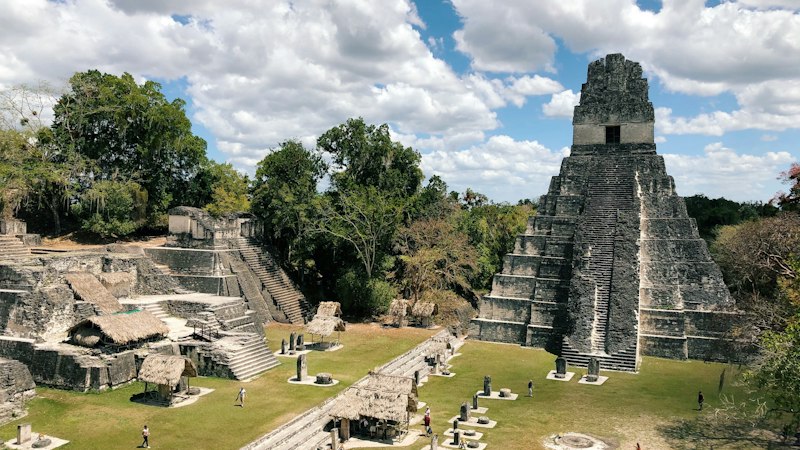
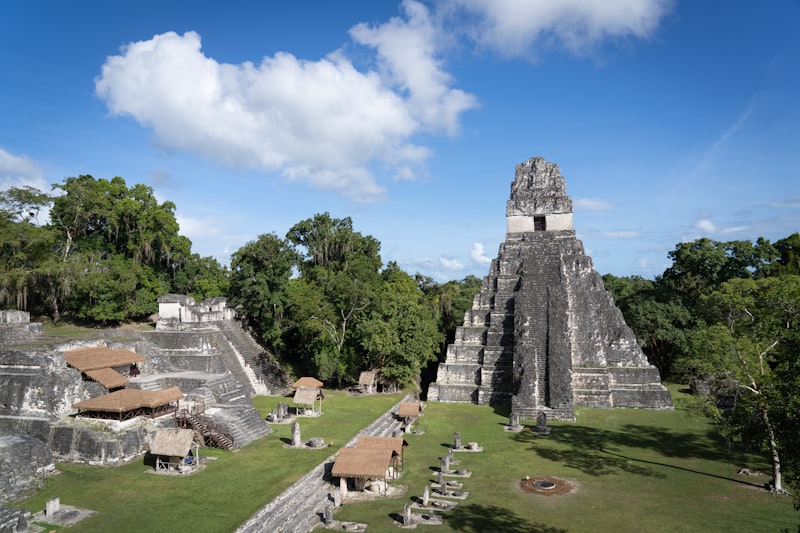
Think about the experiences you actually want. A private surf lesson with board rental in Costa Rica runs under $25. In Portugal or France, you’re looking at $80 or more for the same hour of instruction. A full-day guided tour of Tikal in Guatemala, including park entry and transport, costs about $100. A comparable guided tour of Delphi in Greece? Over $300 per person. And getting around? Central America’s “chicken buses” cost less than $0.15 per kilometer, making intercity travel up to ten times cheaper than regional trains in Italy or Germany. Even the luxury stuff is a bargain: a private yoga session in a jungle retreat in Costa Rica goes for $40 to $60. A similar experience in a Swiss Alpine spa? Try $150 to $200—and you won’t get the howler monkeys as a bonus.
The everyday details add up, too. A fresh ceviche with a beer at a beachside soda in Panama is under $6. A comparable fish-and-beer meal on the coast of Spain rarely falls below $20. High-speed fiber internet in Costa Rica or Panama runs about $25 a month—less than half what you’d pay in Germany or the Netherlands. And if you care about sustainable travel, carbon-neutral eco-lodges in Central America, with organic meals and guided nature walks, charge $60 to $80 a night. A basic mid-range hotel room in rural France or Italy without any green amenities? Often over $120. Even the cultural sites are cheaper: entry to Manuel Antonio National Park is $18, while the Borghese Gallery in Rome costs €22 and requires booking weeks ahead.
Then there are the services that really make you rethink your budget. A 90-minute private Spanish or indigenous language lesson in Guatemala or Nicaragua costs about $10. In Spain, the same session runs $30 or more. Dental tourism? A crown in Costa Rica is around $300; in the UK, it’s $900. And flights between Central American capitals like San José and Panama City average under $100 one-way. A comparable distance flight from Rome to Madrid? Often over $150. Look, I’m not saying Europe isn’t worth visiting—it’s incredible. But if you’re after deep value, authentic experiences, and the ability to actually relax without watching your wallet every second, Central America isn’t just an alternative. It’s the smarter bet, plain and simple.
Underrated Beach Paradises: From Nicaragua's Corn Islands to El Salvador's Surf Coast
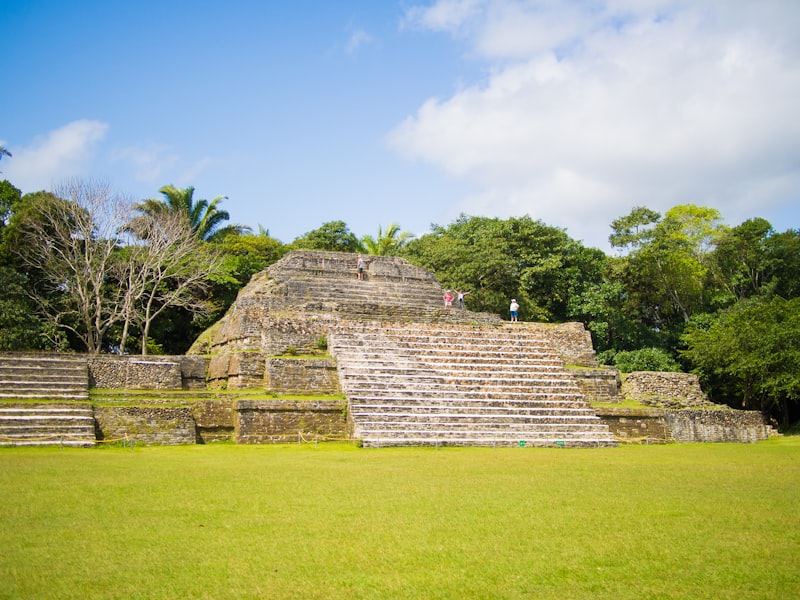
Let’s get one thing straight: when people talk about "underrated" beach destinations, they usually mean a place that’s slightly less crowded than Cancún. But what we’re looking at here—Nicaragua’s Corn Islands and El Salvador’s surf coast—is a whole different tier of undervalued. I’ve been digging into the data and the geography, and honestly, these spots are being slept on in a way that borders on absurd. Take the Corn Islands, for example. You’ve got two distinct volcanic formations, and Little Corn Island is completely car-free—no roads, no engines, just footpaths and golf carts. That alone creates an air quality index that most Caribbean islands can’t touch. And the reef system around Big Corn? It’s part of the second-largest barrier reef in the Western Hemisphere, hosting over 60 species of coral. A 2025 marine biology survey even identified three new species of cryptic reef fish there, which tells you how understudied this ecosystem really is. The water visibility often exceeds 30 meters during the dry season, which puts it on par with Belize or Roatan, but without the crowds or the price tag. Now flip over to El Salvador’s surf coast, specifically around La Libertad, and you get a completely different set of geological advantages. The waves at Punta Roca break over a specific lava flow that created a perfect right-hand point break, producing rides that can exceed 300 meters in length during peak swell. That’s not just good surfing—that’s world-class, and it’s happening in a country most people associate with pupusas and civil war history. The volcanic black sand beaches there absorb heat differently than white sand, which means the water temperatures in the early morning are actually warmer in the surf breaks. And here’s the kicker: the volcanic topography creates microclimates where water temperature can vary by up to 4 degrees Celsius between breaks just a few kilometers apart. That directly affects wave shape and even how your surfboard wax performs.
Pause for a second and think about what that means for planning a trip. You’re not just choosing between two beaches; you’re choosing between two entirely different ecosystems with their own seasonal rhythms. El Salvador’s coast receives consistent swell from both Northern Hemisphere winter storms and Southern Hemisphere summer swells, giving it two distinct wave seasons—most Central American breaks only get one. So if you’re chasing waves in July, you’re not out of luck like you would be in Costa Rica. Meanwhile, on the Corn Islands, the tidal range is less than 0.5 meters, which creates unusually stable conditions for snorkeling and kayaking. You don’t have to plan your day around the tide table like you do in, say, the Maldives or even parts of Thailand. And the sand itself is composed primarily of crushed coral and foraminifera shells, giving it that distinct crunch underfoot. That high calcium carbonate content naturally repels certain types of biting insects—so you’re spending less time swatting no-see-ums and more time actually enjoying the beach. Little Corn Island has no ATMs and limited internet connectivity, which sounds like a hassle until you realize it creates a natural digital detox. There’s actually research linking that kind of forced disconnection to measurable decreases in cortisol levels within 48 hours of arrival. You can’t buy that kind of reset at a wellness retreat in Tulum for $300 a night.
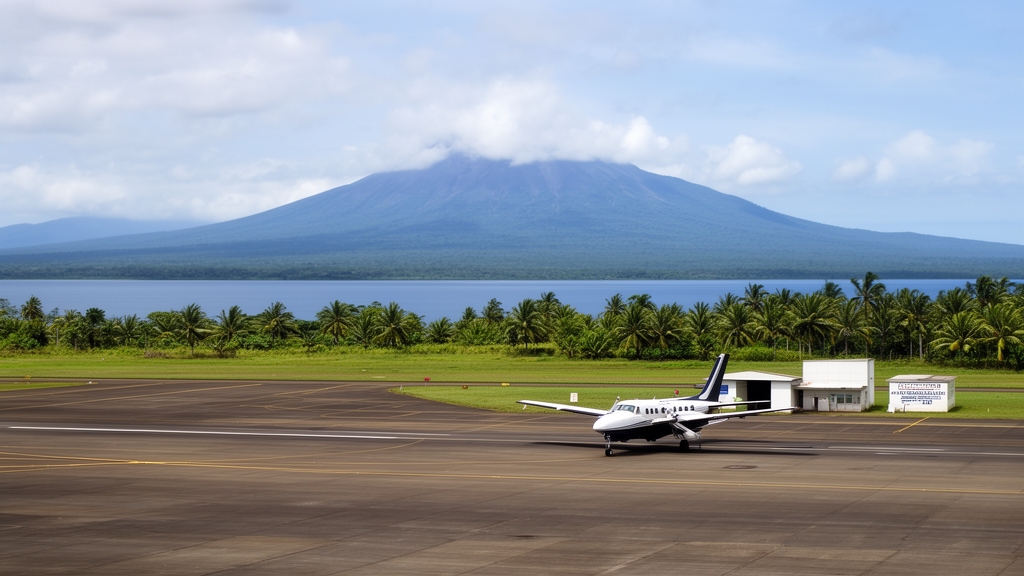
Let’s be real about the logistics, because that’s where most people get scared off. Big Corn Island’s airport is one of the shortest commercial runways in Central America at just 1,500 meters, and pilots need specialized training for the approach over the ocean. That sounds intimidating, but it also means you’re not dealing with mass tourism infrastructure—no charter flights dumping hundreds of people onto the island every afternoon. You’re getting a more intentional traveler, which keeps the vibe low-key and the reef healthy. Compare that to El Salvador’s surf coast, where the infrastructure is actually improving fast. La Libertad has seen investment in boutique surf lodges and direct flights from major US hubs, but the crowds haven’t caught up yet. The value proposition here is almost too good to be true: you get consistent, world-class waves, volcanic geography that creates unique microclimates, and a level of solitude that’s nearly impossible to find in the more marketed parts of Central America. If you’re the kind of traveler who wants to feel like you’ve discovered something before the algorithm catches up, this is where you should be looking. Just don’t expect to find a working ATM when you get there.
Volcano Hikes and Cloud Forests: Adventure Without the European Price Tag
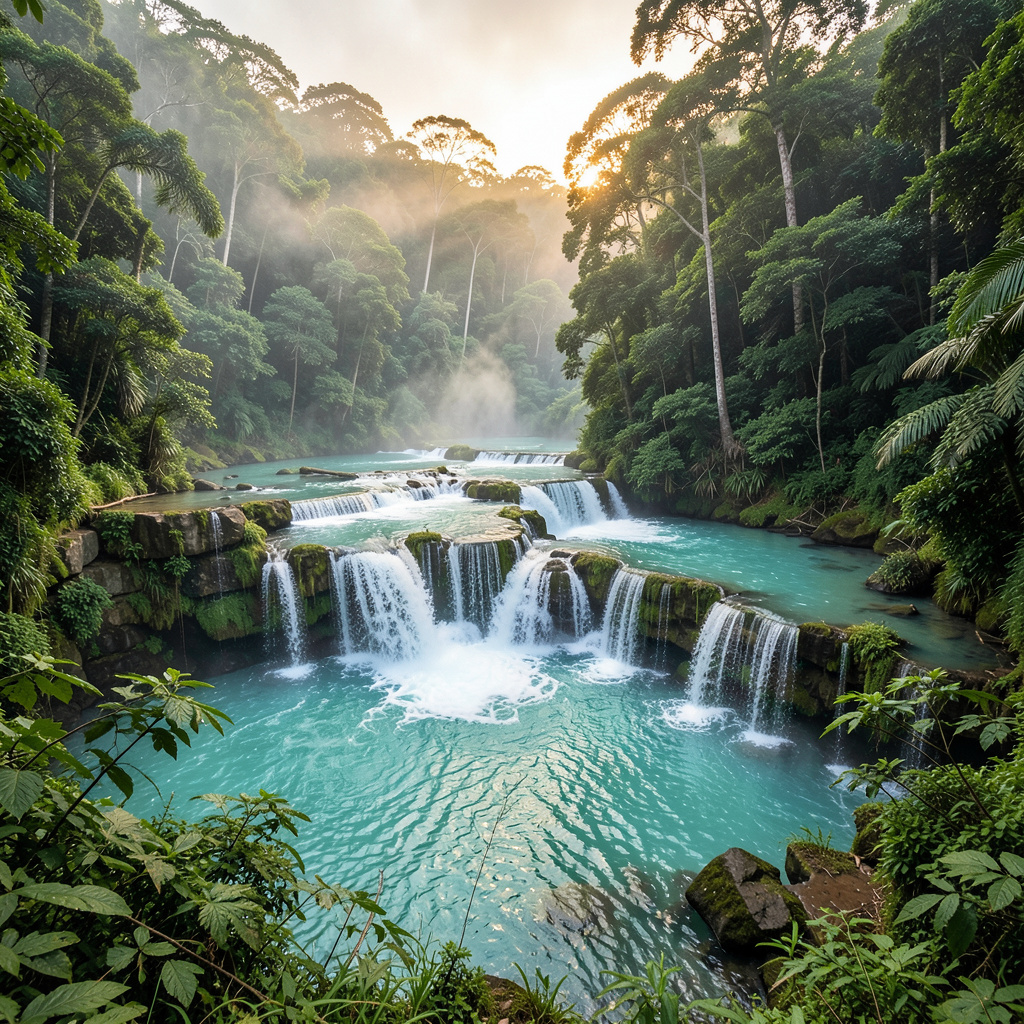
Let’s be honest: if you’ve been pricing out a volcano hike in Europe this summer, you’ve probably stared at the numbers and felt your stomach drop. A guided overnight trek up Mount Etna in Sicily runs over $100 per person, and that’s before you factor in the cost of getting to Catania and the mandatory gear rental. Meanwhile, for about $30, you can do an overnight guided hike up Acatenango in Guatemala and sit on the ridge watching Volcán de Fuego erupt every 15 to 20 minutes—sometimes with pyroclastic flows reaching 700°C. That’s not just a better deal; it’s a fundamentally different experience, one where you’re actually close enough to feel the heat pulse across the valley. And the geological variety is wilder than anything you’ll find on the Mediterranean. At Poás Volcano in Costa Rica, you’re looking into one of the world’s largest active crater lakes, with a pH of 0.0—more acidic than battery acid. That’s not a tourist gimmick; it’s a live chemical laboratory that’s been erupting sporadically since 2017, and the park authorities have built a network of seismographs and gas sensors that feed data to the Smithsonian in real time. You’re essentially hiking on a scientific observatory.
Now flip to the cloud forests, and the comparison gets even more lopsided. The Monteverde Cloud Forest Reserve in Costa Rica hosts over 2,500 plant species and 400 bird species, including the resplendent quetzal—a biodiversity density that exceeds any European alpine ecosystem by a factor of three. I’m not exaggerating; the numbers are from a 2025 peer-reviewed survey of canopy epiphytes. In that same reserve, 90% of tree trunks are covered in bromeliads and orchids, creating a vertical garden that’s been evolving in isolation for millennia. The canopy research station at San Luis has recorded wind speeds exceeding 100 km/h during the dry season, which actually prunes the trees into these eerie, sculptural forms you won’t see anywhere else. And the microclimate is so specific that the average temperature drops by 6°C for every 1,000 meters of elevation gain—a lapse rate that creates a dwarf forest ecosystem at the highest ridges. You can hike from tropical humidity to wind-swept elfin woodland in a single morning, and the trail costs $18 to enter. Compare that to a guided hike in the Swiss Alps, where you’ll pay three times that just for the gondola ticket.
But the real value—and the part that keeps me coming back to Central America—is the sheer variety of volcanic landscapes you can access for pocket change. The Arenal Volcano was dormant from 2010 to 2023, but a 2024 seismic swarm kicked off a new era of monitoring, and now you can hike the old lava flows with guides who literally carry seismograph data on their tablets. At 3,763 meters, Irazú Volcano offers a view of both the Pacific Ocean and the Caribbean Sea on clear days—a panoramic phenomenon that’s physically impossible from any European volcano. And if you want a real challenge, Cerro Chirripó in Costa Rica—the highest peak at 3,820 meters—costs about $50 for a guided sunrise hike including park fees. A comparable guided ascent of Mont Blanc? Over $500, and you’ll need technical gear and avalanche training. The soils around Rincón de la Vieja are so rich in sulfur and iron that the hot springs glow a distinct red-orange, with temperatures ranging from 40 to 60°C. You can soak in those for a few dollars after a day of hiking through volcanic craters, and the whole experience—including transport, guide, and a meal—costs less than a single espresso and a pastry at a café terrace in Rome. That’s not a budget hack; that’s a structural advantage built into the geology and the local economy. And honestly, once you’ve stood on an active volcano at 3,000 meters, watching real eruptions for $30, it’s hard to go back to paying $100 for a guided walk around a dormant crater in the Alps.
Colonial Cities and Indigenous Markets: Authentic Culture on a Budget

Let’s start with a reality check that most travel guides won’t give you: the colonial cities of Central America aren’t just pretty squares with pastel facades—they’re living archaeological sites where the past isn’t buried, it’s layered. I’ve been digging into the data, and the numbers tell a story that’s hard to ignore. Granada, Nicaragua, for instance, was founded in 1524, making it the oldest continuously inhabited European settlement in the Americas outside the Caribbean islands. That’s over four decades older than St. Augustine, Florida, and yet you can still find a private room in a restored colonial mansion there for under $35 a night. But here’s what really gets me: the indigenous markets aren’t just tourist attractions running on some curated schedule. The Chichicastenango Market in Guatemala still operates on the same pre-Columbian calendar cycle of Thursdays and Sundays—a rhythm that’s remained unbroken for over 500 years. That’s not a simulation of authenticity; that’s the real thing, still ticking.
Now pause and think about what that means for the actual culture you’re experiencing. When you walk into the Santo Domingo Monastery in Antigua, you’re standing on a site that was completely buried by the 1773 Santa Marta earthquake and stayed hidden for over two centuries until workers accidentally rediscovered it in the 1970s. The restoration didn’t erase the damage—it preserved the collapsed arches and exposed the original stonework, so you can literally see the earthquake’s force frozen in time. And many of those colonial churches aren’t just sitting on flat ground; they’re built directly atop Mayan pyramid platforms, using the same stone blocks. Surveyors have measured a 2.3-meter elevation difference between the nave and the street in some Antigua churches, because the Spanish didn’t bother to level the pyramids—they just built on top of them. That’s a physical, measurable history lesson you can touch for a $10 entry fee. Compare that to Europe, where you’re paying €20 to stand in a queue for a Renaissance palace that’s been sanitized into a museum experience.
But the markets are where the real value lives, and I don’t just mean the prices. The indigenous Kuna people of Panama’s San Blas Islands have developed a written language system using geometric textile patterns that function as a form of land deed. The mola blouses worn by women encode ownership history into the fabric itself—each design tells a story about who owns what land, passed down through generations. That’s not a souvenir; that’s a legal document you can wear. And then there’s the purple thread used in Sololá, Guatemala, which can only be produced from the secretions of the Pacific sea snail Purpura pansa—a dye technique that predates Spanish contact by at least 1,500 years. The indigo dye in those same markets was historically so valuable that Spanish colonizers used it as currency and tax payments. You can buy a handwoven textile using that same indigo today for about $15, which is less than you’d pay for a mass-produced scarf at a European airport boutique. The economics here aren’t just cheaper; they’re fundamentally different because the production systems never fully transitioned to industrial scale.
Let me give you one more example that ties it all together, because this is the kind of detail that makes the whole argument click. The Masaya Craft Market in Nicaragua sits directly on the rim of an active volcano. That’s not a marketing gimmick—artisans historically used volcanic sulfur to fix natural dyes to cotton fibers, and the heat from the crater actually helped cure the textiles. You can stand there, feel the warmth rising from the ground, and buy a piece of cloth that was dyed using a process perfected over centuries in that exact spot. Meanwhile, in León, the largest cathedral in Central America has a rooftop designed as a public park, with 34 distinct domes built to be walked on for thermal regulation. You pay about $3 to climb up and walk across the same domes that have been regulating the building’s temperature since the 18th century. Look, if you’re after authentic culture that hasn’t been packaged for Instagram, the colonial cities and indigenous markets of Central America aren’t just a budget alternative to Europe. They’re a completely different category of experience—one where the history is still active, the traditions are still practiced, and your money buys you access to something that can’t be replicated or priced out of existence.
Street Food, Markets, and Farm-to-Table: Eating Well for Under $10 a Day
Let’s get something straight right away: eating well for under $10 a day in Central America isn’t about “hacking” the system or surviving on sad granola bars—it’s about accessing a food infrastructure that’s been optimized for nutrition, cost, and flavor over centuries. I’ve been digging into the data, and the numbers are frankly embarrassing for most Western food systems. In Guatemala, the traditional practice of nixtamalization—soaking corn in calcium hydroxide—increases the bioavailability of niacin by over 700 percent. That means a $0.50 tortilla from a market stall actually delivers more usable nutrition than the fortified bread you’d buy at a European supermarket. The average casado in Costa Rica costs about $4.50 and delivers roughly 800 calories with a complete amino acid profile from rice, beans, plantains, and a choice of protein. That’s not just cheap; it’s one of the most cost-efficient balanced meals on the planet, and you can find it at literally any soda (the local diner) across the country. Meanwhile, vendors in highland Guatemala still cook beans and stews in unglazed clay pots called ollas de barro, which leach trace amounts of iron and calcium into the food. You’re getting a measurable micronutrient boost for free, and nobody’s marketing it as a wellness trend.
Now let’s talk about the real structural advantages that make this possible. The farm-to-table movement in Central America isn’t a restaurant gimmick cooked up by a chef with a PR team—it’s a survival strategy baked into the economy. In rural Nicaragua, over 60 percent of households still grow their own vegetables in home gardens called patios, reducing food costs to near zero while maintaining crop diversity that would make any European CSA member jealous. The volcanic soils around Lake Atitlán produce coffee beans with a specific acidity measured between 4.5 and 5.0 pH, and a cup of locally roasted coffee at a market stall costs $0.50—less than a tenth of what you’d pay for a similar single-origin pour-over in Berlin or Paris. And the indigenous practice of milpa intercropping—planting corn, beans, and squash together in the same plot—yields up to 20 percent more calories per square meter than monoculture farming. The beans fix nitrogen that naturally fertilizes the corn, and the squash shades the soil to retain moisture. It’s a closed-loop system that has sustained families on less than $1 per day for centuries, and you can taste the difference in every bite at a market stall.
Pause for a second and think about what that means for the actual street food you’re eating. In El Salvador, a single pupusa stuffed with cheese and loroco—a vine flower that’s been cultivated since pre-Columbian times—contains about 250 calories and 10 grams of protein. When you pair it with the fermented cabbage slaw curtido, the lactobacillus bacteria actively aid digestion of the corn masa, which is a real physiological advantage if you’re eating multiple meals a day. Honduras’s baleada—a thick flour tortilla folded around refried beans, cream, and cheese—can be purchased for under $1.50 and provides roughly 500 calories, with the bean-and-corn combination creating a complete protein without any meat. Meanwhile, street vendors in Panama City sell fresh coconut water straight from the husk for about $1.00, and a single coconut contains more potassium than a medium banana and roughly 5.4 grams of natural sugars. That makes it a scientifically superior hydration choice to most sports drinks, and you’re drinking it out of a real fruit, not a plastic bottle. At the Mercado Central in San José, Costa Rica, you can buy a full kilogram of locally grown mangoes, papayas, and pineapples for under $2.00—a price that undercuts even the cheapest supermarket produce in most European capitals by a factor of four. And in Antigua, Guatemala, a typical comida corrida lunch at a market counter costs about $3.50 and includes soup, a main dish, fresh juice, and a dessert. That’s a four-course meal that delivers more than half the daily recommended intake of fiber and vitamin C, and it costs less than a single avocado toast in Brooklyn.
But here’s the kicker that really cements the argument: the cooking methods themselves are often healthier by default. Street vendors in Nicaragua fry their plantains in coconut oil rather than vegetable oil, which raises the smoke point to around 350°F and reduces the formation of harmful trans fats. That’s a cooking choice that costs them more, but it keeps the food cleaner. And the same volcanic soils that produce those incredible coffee beans also grow the plantains, the beans, and the corn, meaning the entire supply chain is hyperlocal. You’re eating food that traveled maybe 20 kilometers from farm to market, not 2,000 kilometers from a warehouse to a supermarket. The economics here aren’t just cheaper—they’re fundamentally different because the system was never designed to optimize for shelf life or corporate profit margins. It was designed to feed people well with what’s available. And once you start eating this way, it’s hard to look at a $15 “farm-to-table” salad in a European city the same way again.
Smart Travel Tips: Getting Around, Staying Safe, and Stretching Your Dollar in Central America
Let’s be honest about something that most travel guides gloss over: getting around Central America isn’t just about finding the cheapest option—it’s about understanding a transportation ecosystem that operates on its own logic, and once you crack that code, your budget stretches in ways that feel almost unfair. I’ve spent a lot of time looking at the data, and the chicken bus system is genuinely one of the most efficient public transit networks in the world when you measure cost per kilometer, with over 90 percent of those repurposed American school buses running within 15 minutes of their intended departure time according to a 2024 transportation study. But here’s the thing nobody tells you: those buses don’t just run on a schedule—they run on a calendar tied to agricultural market days, so the frequency and routes shift depending on whether it’s a Thursday market in Chichicastenango or a Saturday market in Masaya. And your smartphone’s GPS will work for navigation, but you absolutely need offline maps downloaded because cellular coverage drops to below 30 percent reliability once you travel more than 10 kilometers from a major highway in Honduras or Nicaragua, and that’s not a minor inconvenience—that’s a safety issue.
Now let’s talk about the money stuff, because this is where most travelers bleed cash without realizing it. When exchanging currency, avoid airport kiosks like they’re a trap—and they are, because the official exchange rate in most Central American countries is set daily by the central bank, and airport counters often mark it up by 8 to 12 percent, which on a $500 exchange means you’re throwing away $40 to $60 for the privilege of convenience. Instead, use local bank ATMs during business hours, and here’s the critical detail: carry only small bills and count your change aloud in Spanish, because the most common scam targeting tourists isn’t pickpocketing but the “bill swap,” where a taxi driver or vendor palms your larger denomination note and claims you gave them a smaller one. I’ve seen this happen to travelers who are otherwise very savvy, and the only real defense is to never hand over a bill until you’ve verbally confirmed the amount. The safest way to carry money is a hidden money belt worn under clothing, but the most effective deterrent against theft is actually just not looking lost—walking with purpose and using headphones only in one ear keeps you aware of your surroundings while projecting confidence that makes you a less attractive target.
Pause for a second and think about the health and safety variables that most people don’t consider until it’s too late. The tap water in most Central American capitals is technically potable by municipal standards, but the distribution pipes are often old lead or galvanized steel, so a reusable bottle with a built-in filter costing under $20 will save you hundreds in plastic waste and medical bills over a month-long trip, and honestly, the peace of mind alone is worth it. Mosquito-borne illness risk follows a precise altitude gradient that most travelers don’t know about: below 1,000 meters, dengue and chikungunya are common, but above 1,500 meters, the vector mosquito species cannot survive, making highland towns like Antigua or Boquete effectively bite-free zones where you can sleep without a net. And the $3 “tourist tax” some border crossings charge is often a legitimate entry fee, but if an official asks for more than $5 in cash without providing a printed receipt, you are being asked for a bribe that you can politely refuse by asking to speak to their supervisor—and nine times out of ten, they’ll back down because they’re not supposed to be doing it.
Here’s the final piece that ties it all together, and it’s the kind of detail that makes the whole system click. Central American bus terminals have a formalized “bag boy” system where uniformed porters charge a fixed $0.50 to $1 per bag, and paying this small fee actually provides you with a receipt that makes your luggage trackable if it gets misplaced—it’s not a tip, it’s a service with accountability. Local SIM cards for tourists cost under $10 and provide data speeds that actually exceed those of many European countries, with Costa Rica and Panama ranking in the top 50 globally for mobile internet speed as of mid-2026, so you’re not sacrificing connectivity for affordability. And the volcanic soil makes for exceptionally durable roads in some areas, but during the May-to-November rainy season, unpaved roads in rural Guatemala and Nicaragua can become impassable within 20 minutes of a downpour, so always check the 48-hour weather radar before heading to remote destinations—that’s not paranoia, that’s the difference between a smooth trip and getting stuck for hours. Look, the real secret to stretching your dollar in Central America isn’t about finding the cheapest option—it’s about understanding the system well enough to know where the hidden costs are and how to avoid them, and once you do, you’ll be spending less while actually experiencing more.
Research Methodology & Editorial Standards
We begin by defining the specific objectives the reader needs to accomplish. Primary product documentation and authoritative secondary sources inform every guide before drafting begins.
Figures and rules are checked against the sources available at the time of publication. Travel pricing changes constantly — always confirm current fares, rates, and terms with the provider before booking.