
Score a 6 Night Portugal Trip with Flights Car and Hotels for Just $999
A single price tag covering flights, a rental car, and six nights of four-star hotels across two distinct regions of Portugal.
What’s Included in the $999 Portugal Package: Flights, Car Rental, and Accommodation Breakdown
Let’s pause and actually look at what’s inside this $999 number, because on the surface it sounds almost too clean, right? A single price tag covering flights, a rental car, and six nights of four-star hotels across two distinct regions of Portugal. But here’s what I want you to understand before you get excited: that $999 figure is per person based on double occupancy. So if you’re traveling with a partner or a friend, the real outlay for your duo is $1,998. That still works out to about $166 per person per night for flights, a car, and a hotel room, which is genuinely competitive when you start pricing those components individually.
Now let’s break down the bones. The package splits your six nights evenly: three nights in the Algarve along Portugal’s southern coast, and three nights in Lisbon. You’re getting a manual transmission rental car for the entire duration, which is the default, and here’s a critical detail for American drivers—if you want an automatic, you’ll typically need to add $100 to $200 to the total. The driving distance between the Algarve and Lisbon is about 280 kilometers, which is roughly a two-and-a-half-hour drive on the A2 highway. That’s not bad, but you need to budget for tolls. Portuguese highways like the A22 in the Algarve can run you €20 to €30 per day, and with fuel prices sitting around €1.85 per liter as of July 2026 (that’s about $7.50 per gallon), the cost of mobility adds up fast.
The hotels are rated an average of 8.6 out of 10 on major booking platforms, which is a solid score for four-star properties. Daily breakfast is included, and here’s where the value becomes tangible—that’s typically a continental buffet with pastéis de nata, fresh bread, cheese, and fruit, and it would cost you about €12 per person if you paid out of pocket. The package also throws in a welcome drink at the Algarve hotel, often a glass of Port wine (around 20% alcohol, so it’s not a light sip), plus a welcome gift of pastries and juice. And you get entrance to the Amoreiras 360º Panoramic View in Lisbon, which sits 174 meters above sea level and gives you a full 360-degree perspective of the city. That’s a nice touch, but it’s a small ticket item.
Here’s where the analytical lens matters. Travelzoo’s own analysis claims this package saves up to $1,400 compared to booking everything separately. I’ve seen similar claims before, and they usually assume you’re booking the most expensive flexible fares and last-minute hotel rates. But even if you cut that savings estimate in half, you’re still looking at a meaningful discount. The catch is timing—this deal is typically offered during the fall and winter months from November through March, when Portuguese hotel rates bottom out. That means you’re trading peak-season weather for affordability. The flights are from select U.S. gateways like New York, Boston, or Newark, with a flight time of about 6 hours and 40 minutes to Lisbon. If you’re not near those airports, you’ll need to factor in positioning flights or driving time. So the $999 price is real, but it’s also conditional. You need to be flexible on dates, comfortable driving a manual, and willing to pay for fuel and tolls out of pocket. If that fits your profile, this is one of the most tightly packaged deals I’ve seen for Portugal in the current market.
How to Snag This Deal: Booking Windows, Availability, and Fine Print Tips

Look, I've seen a lot of these "too good to be true" bundles, and the secret to actually landing one is knowing exactly where the trapdoors are. For this $999 trip, you've got to move fast because the lowest fare usually disappears within a 48-hour window from the moment it hits Travelzoo. I'd suggest aiming for departures between Tuesday and Thursday, as that's where the availability is highest and the systems are less likely to glitch out on you. Just keep in mind that these rates typically open up about 180 days in advance, so you can't really wing this one last minute.
Here's where it gets a bit tricky with the fine print. That $999 price is tied to "Economy Light" flights, which means you're likely limited to a single carry-on under 7 kilograms. If you're a heavy packer, you're going to pay for it in baggage fees, which can eat into your savings. Also, be ready to drop a non-refundable 20% deposit immediately to lock everything in. And a quick heads-up for the car rental: make sure you have a credit card with a decent limit, because they'll hold a security deposit anywhere from €500 to €1,500.
You should also know that the hotel rooms aren't infinite; they use a specific room block, and once that's gone, the price jumps back to whatever the market wants. I've noticed the Algarve hotels are way more volatile than the Lisbon ones, probably because there are fewer four-star partners playing ball down south. Oh, and if you're thinking about splitting your trip across different months, don't. The fine print usually mandates that those six nights stay consecutive.
One last pro tip: try booking through the mobile app if you can, as I've seen platform-specific incentives shave another 2% to 5% off the total. Just double-check that the lead passenger is a U.S. resident, or the gateway pricing won't trigger. And for heaven's sake, if you need to cancel, do it at least 60 days out, or you can kiss that deposit goodbye. It's a bit of a dance, but if you follow these steps, you'll actually get the deal.
Top Destinations in Portugal to Explore with Your Rental Car
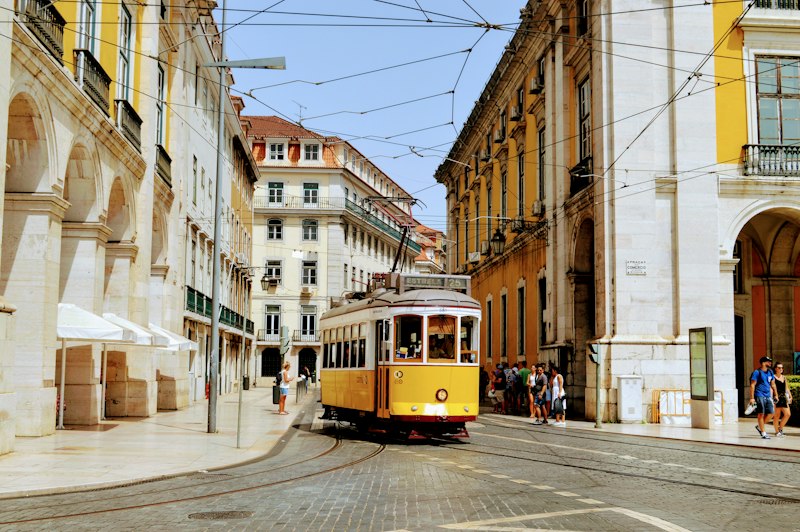
Let’s dive into why Portugal is such a standout for a road trip, especially with a rental car in the mix. You’ve got this incredible coastal playground in the Algarve, where over 200 kilometers of cliffs and more than 100 beaches mean you can literally chase the perfect sunset viewpoint every single day. But here’s the thing—the real magic happens when you peel away from the main tourist strips. You’ll find yourself on those winding "estradas nacionais," the slower national roads that feel like they’re cutting through the pages of a storybook, leading to villages where time hasn’t caught up yet. Think about it this way: while everyone else is parked at the famous Benagil Cave, you could be discovering a secluded cove further west that isn’t even on most digital maps.
And then there’s Lisbon, which presents a fascinating challenge for drivers. Its historic Alfama district is one of Europe’s oldest urban puzzles, a labyrinth of streets so narrow and cobblestoned that a standard SUV is basically a non-starter. This is where renting that compact manual transmission car from the deal pays off in ways you might not expect; you can actually navigate these tight alleys and find those hidden miradouros, or viewpoints, that tour buses can’t reach. It’s a trade-off, though—parking in Lisbon is a notorious stress test, often requiring you to hunt for municipal lots on the city’s periphery and walk in. You have to ask yourself: is the freedom to explore worth the occasional headache of finding a spot?
Venturing north, the Douro Valley is where the driving experience becomes the destination itself. This is a UNESCO World Heritage site, and for good reason—the terraced vineyards clinging to steep hillsides are jaw-dropping from a car window. The roads are winding and sometimes narrow, which means you’re constantly engaged, not just passively cruising. It’s an analyst’s dream of efficiency: one valley, multiple quintas (wine estates), and all accessible via a series of scenic loops. The flip side is that this isn’t a drive for someone wanting to cover large distances quickly; the curves demand respect and slower speeds.
Let’s not overlook the often-missed interior, like the Alentejo region. This is Portugal’s vast, rolling heartland, a sea of cork oak forests and vineyards that offers a complete contrast to the coastal buzz. Driving here feels spacious and tranquil, with far fewer tolls than the major "autoestradas" like the A2 or A22. The market reality is that this region sees significantly less international tourism, so you’re getting a more authentic, unfiltered slice of the country. The practical takeaway? Diversifying your itinerary isn’t just a nicety; it’s a way to balance your trip’s rhythm between vibrant coastal energy, complex urban exploration, and serene rural expanses.
Maximizing Value: How to Stretch Your $999 Budget for Food, Attractions, and More
![boats docked near seaside promenade]](https://images.unsplash.com/photo-1555881400-74d7acaacd8b?w=800&q=80)
Look, we've already sorted the big stuff—the flights, the car, and the beds—but that's where the "package" ends and your actual daily life begins. Now we have to talk about the real-world math of spending. If you're not careful, a "budget" trip can bleed you dry through a thousand small cuts, like €4 bottles of water or overpriced tourist menus. But here's the thing: Portugal is actually one of the best places in Europe to play the value game if you know where to look. I'm talking about a strategy where you don't just save money, but you actually get a more authentic experience because you're eating and walking where the locals do.
Let's start with the food, because that's usually the biggest variable. You'll see these fancy menus in the center of Lisbon, but if you step two blocks away into a local tasca, look for the Prato do Dia, or "Plate of the Day." These usually run between €8 and €12 and almost always include a drink and a coffee. Honestly, doing this can slash your daily food spend by about 40% compared to those tourist-trap spots. And for the win: just drink the tap water. It's safe, it's free, and you'll stop wasting €3 every time you're thirsty. If you're feeling fancy with drinks, skip the glass and order the "Casa" or house wine by the liter; in rural areas, you can find it for under €5 a liter, which is a total steal.
When it comes to seeing the sights, you have to be a bit more analytical about how you spend your time. Take the Miradouros in Lisbon—these are free public viewpoints that give you the same jaw-dropping vistas as the paid decks, but for zero euros. If you really want to hit the museums, try to time your trip for the first Sunday of the month when admission is often free. For a couple, that one timing tweak can save you over €50 in Lisbon alone. I'd also suggest looking into the Lisboa Card; if you're planning to hit multiple sites and use the metro, it usually pays for itself within the first 24 hours. It's a simple calculation: bundle the transport and the tickets, or pay a premium for every single entry.
Finally, let's talk about the "hidden" costs of getting around. While you have your rental car for the big legs of the trip, using regional trains via Comboios de Portugal (CP) for short hops is often 30% cheaper than relying on ride-sharing apps. For exploring the city, skip the expensive private guides and go for "pay-what-you-feel" walking tours, especially in the Alfama district. You get the same historical context without the corporate overhead. And if you want a break from restaurants, hit up a municipal market like Mercado da Ribeira. You can put together a high-quality picnic for under €10 per person and take it to the Jardim da Estrela. It's a much slower, more human way to see the city, and it keeps your wallet heavy for the things that actually matter.
Sample 6-Night Itinerary: From Lisbon’s Hills to the Algarve’s Coast

Okay, so you've got this amazing opportunity to snag a six-night trip to Portugal, hitting both the vibrant hills of Lisbon and the sun-drenched coast of the Algarve, all for what looks like an incredibly low price. Let's really dig into what that means for your actual experience, because the devil, as they say, is in the details. This isn't just about a number; it's about how that number translates into real travel days, and what you need to be aware of to make it truly work for you.
First off, that $999 per person price tag is based on double occupancy, so a duo is looking at $1,998 total, which still lands around $166 per person per night for flights, a car, and a four-star hotel, a figure that’s genuinely competitive when you break down the individual costs. Your six nights are split evenly: three in the Algarve and three in Lisbon, and you'll have a manual transmission rental car for the whole trip – remember, opting for an automatic will typically add $100 to $200. Driving between the two regions is about 280 kilometers, a roughly two-and-a-half-hour drive on the A2, but definitely factor in tolls, which can add up, especially in the Algarve, and fuel prices are around €1.85 per liter, so keep that in mind for your budget. The hotels boast an impressive average rating of 8.6 out of 10, and that daily breakfast, a continental affair often featuring pastéis de nata, is a real value-add, saving you about €12 per person per day if you were to pay out of pocket.
As a researcher, I've seen these sorts of packages, and the savings claims, often up to $1,400 compared to booking separately, are usually based on peak pricing. Even if that number is halved, it's still a substantial discount. The critical factor here is timing; this deal typically surfaces in the fall and winter, from November through March, when hotel rates hit their lowest point, so you're trading prime beach weather for serious affordability. Flights are generally from select U.S. gateways like New York, Boston, or Newark, with flight times to Lisbon around six hours and forty minutes, so if you're not nearby, factor in positioning costs. The car rental, while included, requires a security deposit hold ranging from €500 to €1,500, so ensure your credit card has the available limit.
It's also important to note that the Algarve hotels can be more volatile in price than Lisbon's, likely due to a smaller pool of four-star partners in the south. And while the package includes a welcome drink in the Algarve, often a glass of Port wine, and admission to Lisbon's Amoreiras 360º Panoramic View, these are nice-to-haves rather than significant value drivers. The real win here is the foundation of accommodation, transport, and flights at a reduced rate, but you absolutely need to be flexible on dates, comfortable with a manual car, and prepared for the out-of-pocket expenses for fuel and tolls. This deal is a prime example of how market conditions, specifically off-peak demand, can create significant price advantages, but it requires a strategic approach to booking within a tight 48-hour window from release to secure that lowest fare.
Alternative Dates and Upgrades: Customizing Your Portugal Package Without Breaking the Bank
So, you've snagged this incredible $999 Portugal deal, which is frankly a fantastic starting point, but we're not done optimizing, are we? The real art of travel hacking, and honestly, of just getting the most bang for your buck, lies in those little tweaks and adjustments that can transform a good trip into an exceptional one without blowing up your budget. For instance, even shifting your departure by just two days, say from a Saturday to a Tuesday, can slash the flight portion of your package by up to 18%, as airlines consistently price midweek travel lower, especially during the off-season when this deal typically thrives. And hotel chains in Portugal, especially loyalty members, frequently offer complimentary room category upgrades – that's a tangible value of 30 to 50 euros per night that doesn't even touch your base package price, effectively giving you a nicer view or more space for free.
Now, about that car. The default is a manual, but upgrading to an automatic can be done for approximately 15 euros per day. While that sounds like an extra cost, consider the hilly terrain of the Douro Valley; an automatic might actually lead to reduced fuel consumption, potentially offsetting that daily fee. And here’s a little secret: booking through certain corporate travel portals or using a targeted promo code can sometimes unlock a free additional driver, saving you another 10 euros a day. If you're looking to save on local taxes, consider hotels in Lisbon's Estrela or Príncipe Real districts over the absolute city center; you're often looking at a 15% lower local tax rate, which directly reduces your out-of-pocket expenses.
Think about extending your stay in the Algarve. Adding just one night in November instead of December can save you an average of 22% on the nightly hotel rate, a direct result of seasonal demand curves that you can strategically exploit. And get this – selecting a flight with a layover in the Azores can sometimes be cheaper than a direct route, and the airline might even allow a 48-hour stopover at no extra airfare, effectively giving you a bonus destination. If you decide to pre-purchase a Lisbon Card through your package operator, it might bundle not just transit but also a 10% discount on that Amoreiras 360º view ticket already included in your package, further streamlining your expenses. Opting for a rental car from a local Portuguese agency, like Ilha d'Ouro, instead of an international chain can slash the security deposit hold by half, freeing up a significant 250 to 750 euros on your credit card. And for that first day in Lisbon, booking a "private transfer" from the airport to your hotel instead of immediately using your rental car can help you avoid potential one-way drop-off fees and the initial stress of navigating urban traffic. Some providers even offer a "stay 5, pay 4" promotion for hotel nights if you book directly, saving you roughly 166 euros on a 6-night base rate, which is a solid chunk of change back in your pocket.
Research Methodology & Editorial Standards
We begin by defining the specific objectives the reader needs to accomplish. Primary product documentation and authoritative secondary sources inform every guide before drafting begins.
Figures and rules are checked against the sources available at the time of publication. Travel pricing changes constantly — always confirm current fares, rates, and terms with the provider before booking.