
Save Money on Your Next Adventure by Using Local Gear Libraries
Think about it: you want to try bikepacking or maybe take the kids fishing, but then you see the price tags on the gear and suddenly that weekend trip feels like a bad financial move.
Understanding the Gear Library Concept: Borrowing Over Buying
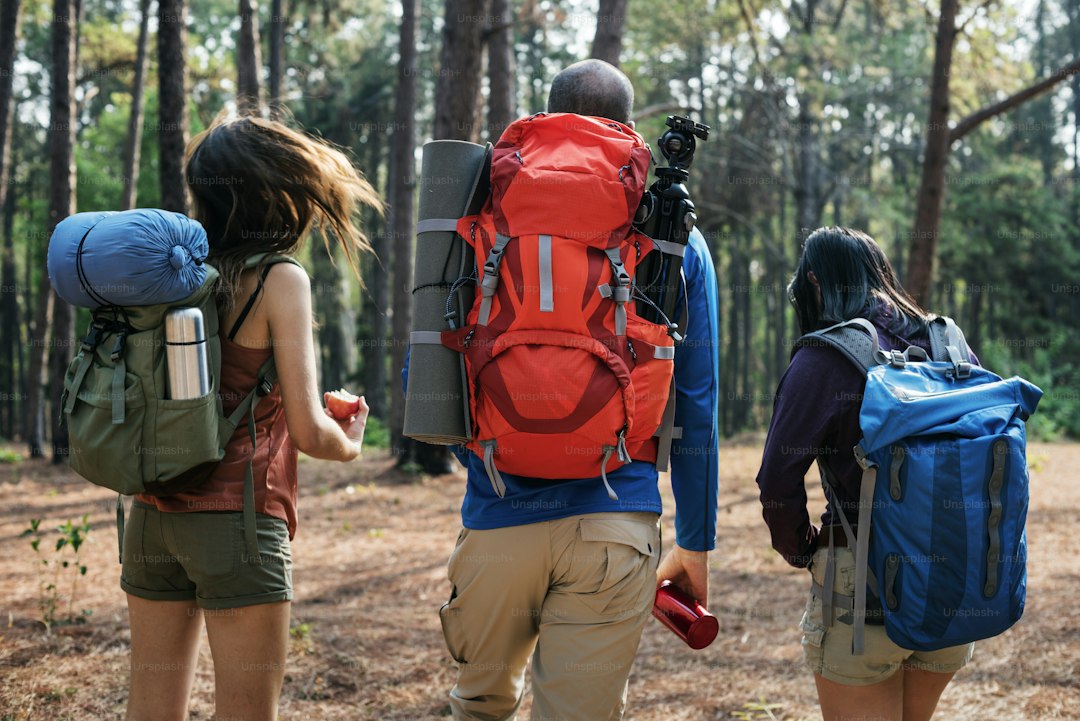
I’ve always found that the biggest hurdle to trying a new outdoor hobby isn't the skill required, but the sheer cost of the hardware. Think about it: you want to try bikepacking or maybe take the kids fishing, but then you see the price tags on the gear and suddenly that weekend trip feels like a bad financial move. That’s exactly where gear libraries come in, effectively changing the game by letting you borrow equipment just like you’d check out a book. These aren't just rental shops; they are circular economy powerhouses, like the Swedish Fritidsbanken, which takes donated gear and keeps it circulating rather than letting it rot in a landfill. It’s a smarter way to move through the world, and honestly, it’s about time we stopped buying things we only use once a year.
What’s really fascinating is how this model is evolving to help you make better buying decisions later. High-end brands like Arc'teryx are now putting libraries right inside their stores, letting you take their top-tier technical jackets and packs out into the actual elements for a test run before you drop hundreds of dollars. It’s a low-pressure way to see if that expensive shell actually performs the way you need it to. Plus, for niche sports, many libraries now provide pre-configured kits—think full bikepacking setups with repair tools included—which solves the massive headache of trying to figure out which specific parts are compatible with each other. You aren't just getting the gear; you're getting a curated, functional kit that’s ready to go.
The impact here goes way beyond just saving you a few bucks on a tent or a rod-and-reel kit. These libraries act as local data collectors, showing city planners where people actually want to go, which often pushes them to build better trails or bike paths. By centralizing all this inventory, we’re also collectively lowering the carbon footprint that comes with everyone owning their own redundant, dust-gathering equipment. Sure, some spots might charge a small sliding-scale fee, but that money usually goes right back into professional cleaning and safety inspections, so you aren't stuck with grimy or broken gear. It’s a shift toward stewardship, where we take care of the items we share, ultimately making the outdoors more accessible for everyone regardless of their budget.
Significant Cost Savings: Why Renting Beats Retail
Let’s talk about the math for a second, because the depreciation curve on high-end outdoor gear is honestly brutal. If you’ve ever bought a carbon-fiber mountain bike or technical climbing hardware, you know that sinking feeling when it loses about 30 percent of its market value the second it leaves the store floor. When you borrow instead, you’re effectively passing that massive hit onto the library, shielding your own wallet from that immediate loss of capital. Plus, think about the hidden maintenance costs that nobody mentions when you’re standing in the checkout line. Technical shells need regular waterproofing and high-end reels need bearing overhauls, which can easily run you 15 percent of the original price every single year.
It’s helpful to look at this through the lens of the price-to-rent ratio, a concept usually reserved for real estate but just as vital here. In many technical sports, buying a full kit costs upwards of 20 times the daily rental rate, which is a massive, unnecessary drain on your liquidity. By choosing to rent, you’re keeping those funds available for things that actually grow, like high-yield investments or better travel experiences. And we can't ignore the hidden tax of storage; in an urban apartment, your gear is essentially paying rent for its own square footage. Offloading that storage to a local library effectively helps you reclaim your living space while skipping the recurring cost of keeping your hobby in your closet.
Then there’s the issue of obsolescence, which is moving faster than ever these days. Manufacturers update safety standards and materials every couple of years, which means your gear can become outdated or even unsafe before you've really gotten your money's worth. Renting ensures you’re always using the latest, safest tech without feeling the pressure to constantly upgrade your personal collection. You also skip the logistics headache of airline baggage fees, which for oversized items like kayaks or ski bags can often be more expensive than just renting the equipment when you actually reach your destination. It’s about being smarter with your money and realizing that you don’t need to own the hardware to own the experience.
How to Locate and Access Gear Libraries in Your Destination
Finding the right gear at your destination can feel like a scavenger hunt, but it’s actually getting much easier if you know where to look. Honestly, the most reliable starting point is your own local library card; many municipal systems now integrate outdoor equipment into their standard circulation databases, letting you reserve a tent or a stove with the same digital account you use for books. I’ve found that checking non-traditional directories—specifically those managed by local sustainability or public health departments—is often more effective than searching standard retail listings. If you’re into cycling, you should definitely bookmark the Bikepacking Roots Resource Hub, a centralized mapping project that went live earlier this year to aggregate inventory data across the country. It’s a game-changer for avoiding that panicked, last-minute search for a compatible rack or repair kit.
When you’re eyeing specialized equipment like climbing hardware, look for facilities embedded within local non-profits or mountaineering clubs, as these spots often keep meticulous maintenance logs you can review before committing to a reservation. Some of these locations operate on a subscription model where a one-time fee grants you access for months, while others lean into the Library of Things model that ties access directly to your library card. And don't be discouraged by membership requirements; if you’re traveling near a university, check if their gear room participates in inter-institutional reciprocal borrowing agreements, which can often bypass those exclusive sign-up hurdles. It’s a bit of extra homework, sure, but it’s the kind of research that saves you from hauling your own bulky gear across state lines.
Just keep in mind that for technical safety items like avalanche beacons, you’ll likely need to account for a brief, in-person proficiency check. It might seem like a chore, but it’s a necessary barrier to ensure everyone stays safe in the backcountry. If you’re worried about availability during peak seasons, I’d prioritize libraries that use centralized, real-time digital booking platforms over those relying on manual email requests or walk-ins. These systems are statistically more accurate and prevent the frustration of showing up to a shelf that’s already been picked clean. And if you’re planning a longer trip, definitely look for regional coalitions; many smaller libraries are now networking together, allowing you to return gear at a different branch to lighten your logistical load.
Essential Equipment You Can Borrow for Camping and Hiking
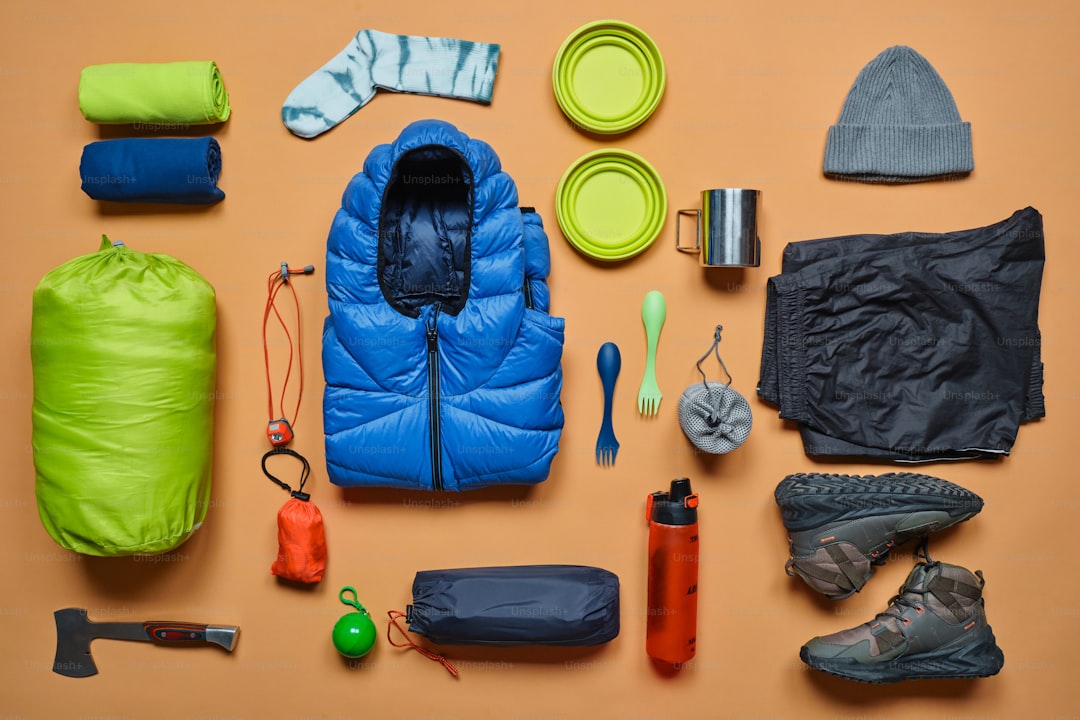
When you’re first starting out, you might feel the urge to buy every piece of gear on a checklist, but here is what I’ve learned: you really don’t need to own the heavy hitters to have a fantastic time outside. Think of the essentials like high-end sleeping quilts; if you borrow, you’re often getting gear with an 800-fill power rating or higher, which gives you a much better warmth-to-weight ratio than the synthetic bags you’d probably buy on a budget. You’ll also find that many libraries now stock trekking poles with flick-lock mechanisms rated for over 150 pounds of force, providing stability that cheaper, entry-level gear just can’t touch. And for those overnight trips, borrowing allows you to snag an adjustable backpack with a customizable suspension system, which is honestly the single best way to avoid nerve compression and back fatigue on your first long hike.
It’s also worth considering the technical side of safety and navigation, which can get expensive fast. Modern gear libraries frequently loan out personal locator beacons that operate on the 406 MHz frequency for global distress alerting, and you’ll often find headlamps with at least an IPX4 water-resistance rating, meaning they won’t quit on you if you get caught in a downpour. If you’re heading into water-heavy terrain, look for rental filtration systems using hollow-fiber membranes; they’re incredibly effective at removing nearly 100 percent of bacteria without the weird taste of chemical additives. Plus, borrowing a professional-grade, bear-resistant canister—which is certified to handle over 300 pounds of pressure—is a much better move than trying to jerry-rig food storage yourself.
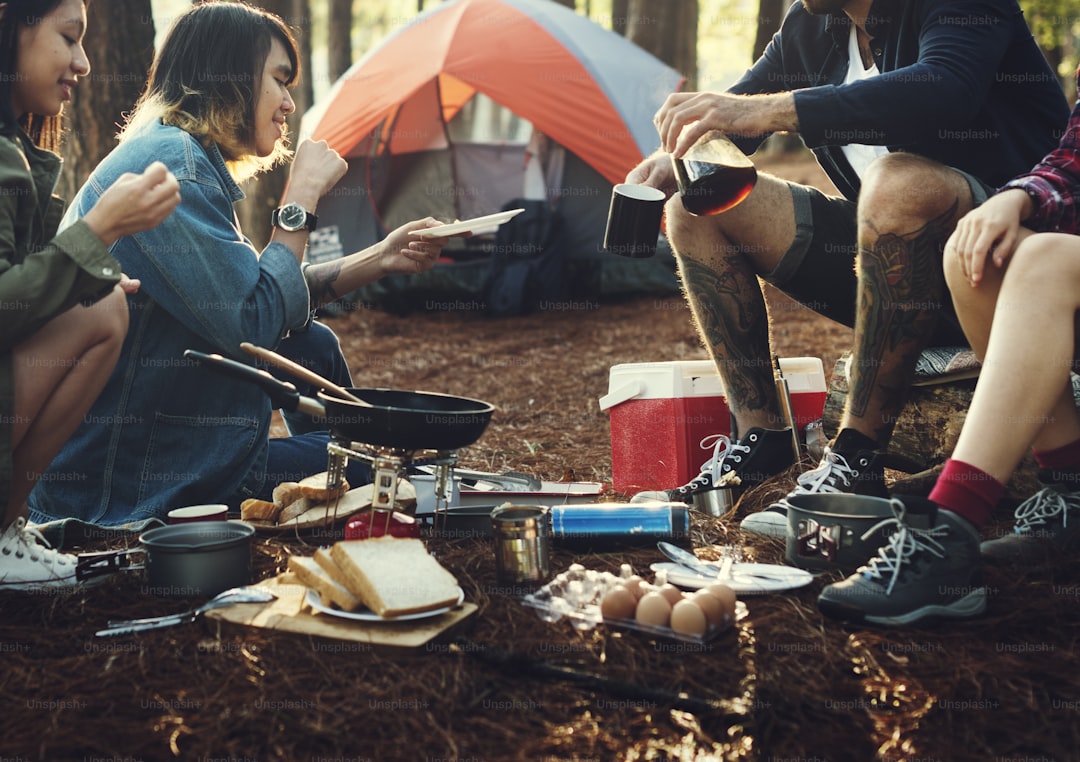
When you start digging into camp life, you’ll see why experienced hikers often prefer to rent their kitchen setups. Many loaner cook systems now feature integrated heat exchangers that boost thermal efficiency by about 30 percent, which means you’re carrying less fuel weight while still getting consistent BTU output even when temperatures drop at higher altitudes. Even your navigation game gets a boost when you borrow, as you can often get your hands on an altimeter watch that uses barometric sensors for far better elevation tracking than standard GPS triangulation. It’s all about getting access to pro-level reliability without the upfront cost, so don't be afraid to ask exactly what’s in the kit before you head out.
Reducing Your Environmental Footprint Through Gear Sharing
Let’s pause for a moment and reflect on the real environmental cost of that gear closet we all seem to have. You know that feeling when you buy a new piece of kit, use it once for a trip, and then watch it collect dust for the next three years? It’s not just taking up space; it’s an environmental debt that’s already been paid, yet remains largely underutilized. When we talk about gear sharing, we’re not just being thrifty; we’re fundamentally changing the math on carbon emissions. Think about it: the production of a single high-end technical jacket generates over 20 kilograms of CO2, but that cost is effectively amortized across dozens of users when that item enters a sharing ecosystem. By extending the lifespan of a piece of equipment by just two years, you can slash its total lifetime environmental impact by roughly 82 percent compared to buying new.
It’s wild to consider that most outdoor equipment is used for less than 10 percent of its total functional life, leaving the vast majority of gear sitting idle while still carrying the heavy resource burden of its manufacturing phase. Research indicates that gear sharing models can reduce the per-capita demand for raw materials like virgin polyester and aluminum by up to 60 percent within a local community. And honestly, we can't ignore the logistics side of things. The transportation of items from global manufacturing hubs to retail shelves contributes significantly to a product's carbon intensity—a footprint that is largely bypassed when localized libraries circulate existing regional inventory. Plus, many of these libraries use industrial cleaning systems that consume 40 percent less water and energy than the standard laundry setup you have at home.
When you really dig into the lifecycle of these products, the case for sharing becomes even more compelling. Sharing systems allow for the precise decommissioning of damaged gear into specific material streams, recovering up to 90 percent of recyclable nylon and metal components that would otherwise end up in a landfill. When libraries partner with local repair workshops, they can successfully divert nearly 70 percent of supposedly worn-out equipment from the trash through simple, modular part replacements. Consider that the energy required to manufacture a single titanium camping stove is roughly equivalent to the energy used by a standard household refrigerator for three weeks. By choosing to borrow rather than purchase, you’re effectively opting out of that hidden energy debt. It’s a smarter way to move through the world, and honestly, it’s about time we stopped treating high-performance gear as disposable.
Expert Tips for Getting the Most Out of Your Borrowed Gear
When you’re relying on borrowed equipment, the most responsible move you can make is to treat that gear with even more care than you would your own. Before you even walk out the door, take a moment to document the condition of seams, zippers, and structural frames with time-stamped photographs, which serves as a critical, high-signal safeguard against liability for any pre-existing wear. You should also perform a quick function test on mechanical buckles and tensioners under partial load to ensure internal springs haven't lost their calibrated resistance before you’re miles away from civilization. It’s a simple, analytical step, but verifying the battery contacts on electronics for signs of oxidation or corrosion is just as essential, as those components are typically the first to fail in high-humidity environments.
Once you’re out in the field, keep in mind that microscopic debris acts like sandpaper; rinsing equipment with neutral pH water is significantly more effective at extending textile life than harsh scrubbing with detergents, which can strip away protective coatings. When it comes to drying, always keep synthetic fabrics out of direct UV light, as intense exposure can degrade polyurethane coatings and DWR treatments in just a few hours. I’ve found that packing tents with a loose fold rather than a tight roll is the secret to preventing the permanent creasing and delamination of waterproof membranes that usually shortens the integrity of the material. If you’re using borrowed cooking systems, make it a habit to check the O-ring seals on fuel canisters for grit, as even a tiny obstruction can cause dangerous leaks when you’re dealing with high-altitude pressure changes.
When you finally return home, the work isn't quite over, and honestly, this is where most people trip up. You have to store moisture-sensitive gear in a climate-controlled environment immediately to prevent mildew, which can permanently bond with synthetic fibers in as little as 48 hours. Always check the integrity of shock-corded tent poles by feeling for loss of elasticity, as degraded cords are the primary cause of field-expedient failures that leave you scrambling in the dark. If you’ve borrowed technical footwear, take a second to inspect the sole for hardening or separation, as thermal cycling in storage often causes rubber compounds to lose their friction coefficient. Finally, using a dedicated gear checklist to verify every small component—like guy-lines or repair patches—ensures you don't face a logistical failure that could compromise your next adventure, or worse, the person who borrows the kit after you.
Research Methodology & Editorial Standards
We begin by defining the specific objectives the reader needs to accomplish. Primary product documentation and authoritative secondary sources inform every guide before drafting begins.
Figures and rules are checked against the sources available at the time of publication. Travel pricing changes constantly — always confirm current fares, rates, and terms with the provider before booking.