
Safety Tips for Travelers Visiting Beach Resorts With Crocodile Habitats
They love slow-moving, murky water because it hides them perfectly, so if you notice a line of bubbles moving through the reeds, that’s almost certainly a crocodile swimming just below the surface.
Recognizing the Signs: How to Identify Crocodile Habitats Near Your Resort
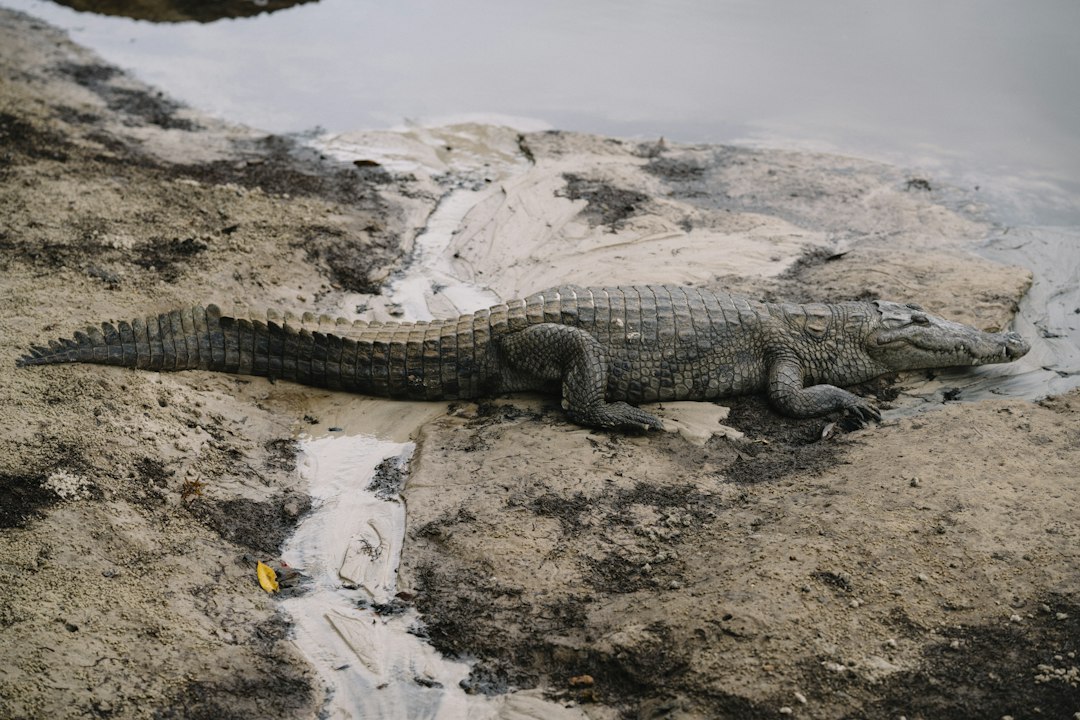
When we’re picking a resort, we usually look for the clearest water or the most private stretch of sand, but sometimes that gorgeous, untouched scenery is exactly where you need to be the most careful. I’ve spent enough time around tropical water to know that nature has a way of telling you when an apex predator is nearby, provided you know how to read the signs. For starters, look for brackish spots like mangroves and estuaries where the salinity is just right for them. If you see sliding marks in the mud along the banks, that’s not just random debris; it’s a dedicated haul-out route they use for thermoregulation. And honestly, if the local birds suddenly go quiet, don’t ignore it. That unnatural silence is often the most reliable biological alarm system you’ll find in the wild.
Think about how these animals actually live; since they’re ectothermic, they’re going to be out on mudflats or logs during the early morning to soak up the sun. If you see U-shaped depressions or flattened grass near the water, keep your distance, as those are textbook indicators of a nesting or resting site. They love slow-moving, murky water because it hides them perfectly, so if you notice a line of bubbles moving through the reeds, that’s almost certainly a crocodile swimming just below the surface. It’s also worth watching the smaller creatures. If you see crabs or little fish frantically scrambling toward the shore, it’s usually because something big is hunting them from below.
I’ve also learned to trust the behavior of other animals, because they’re way better at sensing danger than we are. If you see local wildlife or domestic animals refusing to go near the water’s edge, that’s a massive red flag that they know something you don't. Keep an eye out for floating vegetation mats, too, because they provide the perfect camouflage for an ambush. And if you catch a strange, musky smell that reminds you of rotting plants, that might be their scent glands signaling a territory. It’s not about being paranoid, but being observant really changes how you interact with the environment. Next time you’re walking near the water, just take a second to look for these patterns before you get too comfortable.
The Danger of Night Swimming: Why Dusk and Dawn Are High-Risk Periods
You might think that taking a quick dip at twilight is the ultimate way to wind down, but after looking into the biology of apex predators, I really don't recommend it. When the sun starts to dip, crocodiles aren't just lounging around anymore; they're actually hitting their stride. See, they have this specialized reflective layer behind their retinas that makes them masters of low-light movement, giving them a massive visual advantage that we just don't have. While we're struggling to see shapes in the fading light, they're essentially operating with high-definition night vision. It’s honestly a sensory mismatch where the predator is at their absolute peak and we're at our most vulnerable.
Think about the water itself during these transition hours. As temperatures shift, crocodiles often move from their daytime basking spots into the channels where we tend to swim. They’re ambush hunters by nature, and the dim light helps them close the distance without us ever catching a glimpse of them. Plus, that low-angle glare from a rising or setting sun creates a perfect blind spot on the water's surface. It’s like they’re using the environment as a cloak, and if you’re in the water, you’re essentially walking into their preferred hunting theater.
Beyond just their sight, there’s a metabolic surge that happens at dawn as they shift from resting to active foraging. They become much more sensitive to the vibrations and pressure changes we create when we splash around. Even the smaller aquatic life starts to behave differently at dusk, which acts like a dinner bell for larger predators moving toward the shallows. Honestly, it’s not about being paranoid, but when you look at how these animals hunt, it becomes clear that dawn and dusk aren't just "quiet times"—they’re the most dangerous windows of the day. If you’re ever near a habitat where they live, just stay on dry land until the sun is fully up.
Respecting Signage and Barriers: Why You Should Never Ignore Local Warnings
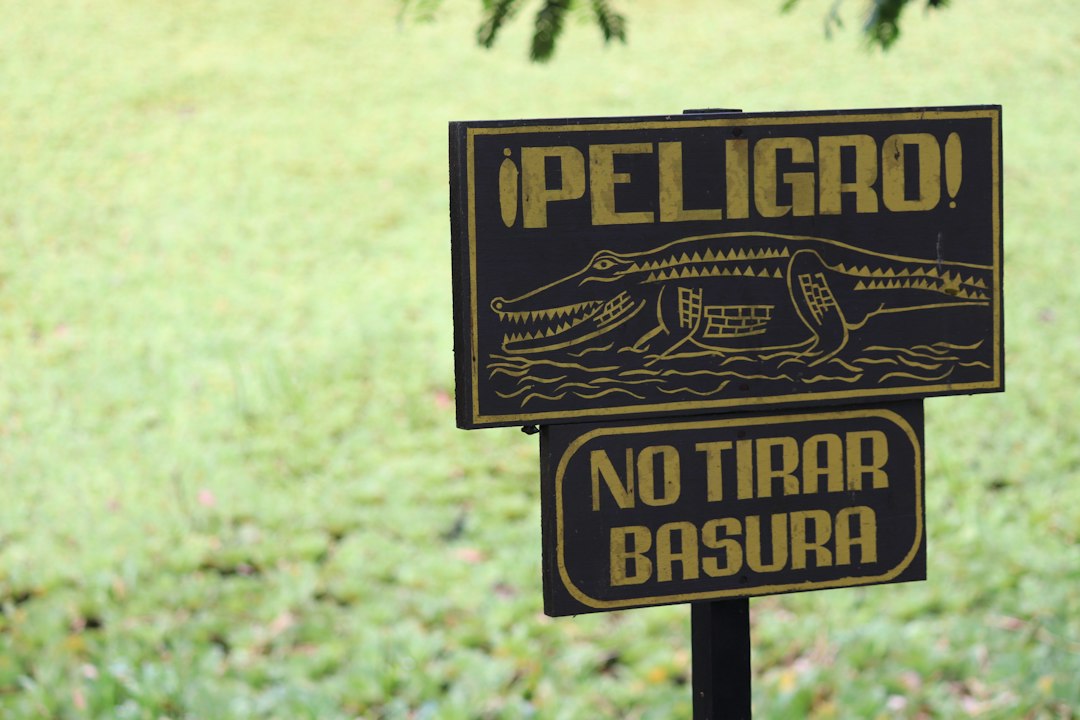
I’ve seen it happen more times than I care to admit—a group of travelers decides that a "do not enter" sign is just a suggestion, or that a rope barrier is an invitation to find a better view. Let’s be real for a second: those warnings aren't there to ruin your vacation vibe; they’re the product of complex hydrological modeling and real-time data that you simply don’t have access to while you’re walking the beach. When authorities close off an area, they’re often accounting for flash flooding that can physically displace crocodiles from inland burrows directly into the spots where you’re planning to swim. It’s wild, but ignoring those signs is basically like walking into a known hunting channel without a map, and the stats back this up—most negative encounters happen within just 50 meters of a posted prohibition zone.
Think about the psychological trap we fall into, which experts call optimism bias. We assume that because we haven't personally seen a croc, the danger isn't real, but that’s a dangerous game to play against an apex predator. Those physical barriers like fences or ropes aren't just aesthetic; they’re often placed along known transit corridors that these animals use daily. Even when a barrier looks like a minor obstruction, it’s usually enough to deter a crocodile from entering a designated human-use zone. And if you’re thinking about wandering past those lines, just know that your presence there can actually habituate the animals, causing them to lose their natural, healthy fear of us.
Honestly, it’s about trusting the folks on the ground who are monitoring things like seasonal migration patterns and nesting cycles. When a resort closes a beach because a mother is nearby, they’re reacting to the fact that maternal aggression is statistically higher during that phase than at any other time of year. I know it’s tempting to think you know better because the water looks calm, but those signs are often updated based on rainfall and turbidity metrics that change by the hour. It’s so easy to feel like you’re missing out, but I’d much rather you have a slightly less "perfect" photo than become a data point in a rescue report. Just stick to the safe zones, keep your eyes on the signs, and let the wildlife keep their space—it’s the only way to make sure you’re actually making it home to tell the story.
Keeping a Safe Distance: Essential Rules for Shoreline and Water Activities
It’s honestly easy to forget that the water's edge is a boundary line between two very different worlds, especially when you're caught up in the vacation mode of a resort stay. You might think that standing a few feet back from the waves is enough, but from a purely biological standpoint, that distance is dangerously thin. Crocodiles possess specialized sensory organs along their jaws that pick up even the smallest pressure changes in the water, meaning they know you’re there long before you see them. I’ve always found it helpful to keep a buffer of at least five meters from the water line, simply because their lunge speed is fast enough to bridge that gap in a literal fraction of a second. Think about it: they aren't the slow, lumbering creatures we see in cartoons; they’re capable of explosive, short-range bursts that can easily outpace you on solid ground.
And if you’re wondering about the gear you have on, it’s worth being mindful of the small details that might grab their attention. Refractive light is a major factor here, so leaving the shiny watches and dangling jewelry in your room isn't just about fashion—it’s about not mimicking the glint of struggling prey that might trigger an investigative strike. You also want to be careful with where you stand, as docks and overhanging tree branches are often used as high-ground lookouts for predators waiting to drop into the water or lunge at a target. Beyond that, keep an eye on your surroundings when the tides shift. During spring tides, water can surge into areas that were perfectly dry moments before, potentially cutting off your escape route and trapping you against an impassable bank.
I’d also suggest being really intentional about your path when you’re walking the shoreline. Stick to the hard-packed sand whenever possible, because those soft, muddy banks that look so inviting are often riddled with hidden tunnels and haul-out dens that you definitely don't want to stumble upon. If you're out on the water with a kayak or paddleboard, remember that you’re essentially appearing as a large, floating object that a territorial animal might view as either a rival or a potential snack, so it's smart to maintain a much wider berth than you would on foot. And, honestly, keep your food and bait in truly airtight, scent-proof containers. Their olfactory sense is incredibly sharp, and they can track organic matter from over a kilometer away, which is just not a dinner guest you want to invite to your beach chair.
If you ever find yourself in the water and catch sight of one, the worst thing you can do is start splashing or thrashing in a panicked effort to reach the shore. That kind of erratic movement perfectly mimics the distress signals of injured animals and actually confirms their instinct that you’re a target worth securing. Instead, try to remain as calm as possible while moving toward safety, because giving them a reason to shift into hunting mode is exactly what we’re trying to avoid. It might sound like a lot to track, but once you start looking at the shoreline as a dynamic habitat rather than just a place to sunbathe, these habits start to feel like second nature. It’s really just about being a respectful guest in their environment so you can get back to your trip without any unnecessary drama.
Understanding Crocodile Behavior: Why Areas Near Estuaries and Mangroves Are Risky
If you’re wondering why estuaries and mangroves are such hotspots for crocodile activity, it really comes down to their biology being perfectly calibrated for these complex, brackish environments. These animals have specialized salt glands on their tongues that let them thrive in water conditions that would quickly dehydrate most other reptiles, giving them an exclusive, low-competition hunting ground. What I find fascinating is their extreme site fidelity; they’ll occupy the same home range for years and, even after major storms, they almost always navigate back to those exact same spots. You have to consider that these aren't just roaming animals but creatures that view these mangroves as a long-term, high-value asset.
Think about the sheer physical advantage they have when they’re sitting in that murky, silt-heavy water. They’ve got nictitating membranes—basically clear, built-in goggles—that keep their vision sharp while submerged, and their integumentary sensory organs can pick up the tiniest pressure waves from a swimmer nearby. If they’re waiting in ambush, they can even shunt blood away from their lungs to stay underwater for over an hour, effectively turning into invisible, living traps. And if you think you’re safe because you don’t see them, remember they use low-frequency infrasonic rumbles to communicate across the water, meaning they’re often signaling to each other about your presence long before you realize you’re in their territory.
It’s also worth noting that their metabolism is designed for long-term patience, so a croc that looks like it’s just resting in the reeds is actually in a highly efficient, ready-to-strike state. They’ve even been known to use cooperative hunting, corralling prey into shallow bottlenecks, which is why those narrow estuary channels are so notoriously risky for humans. I’ve noticed that people often underestimate them because they look heavy and slow, but they can perform a move called spy-hopping, lifting their heads straight out of the water to track your movement with incredible stability. Honestly, if you’re seeing a change in the weather, be extra cautious; their activity levels spike when barometric pressure drops, making them move and hunt more aggressively just before a storm hits.
Emergency Preparedness: What to Do If You Spot a Crocodile Near the Beach
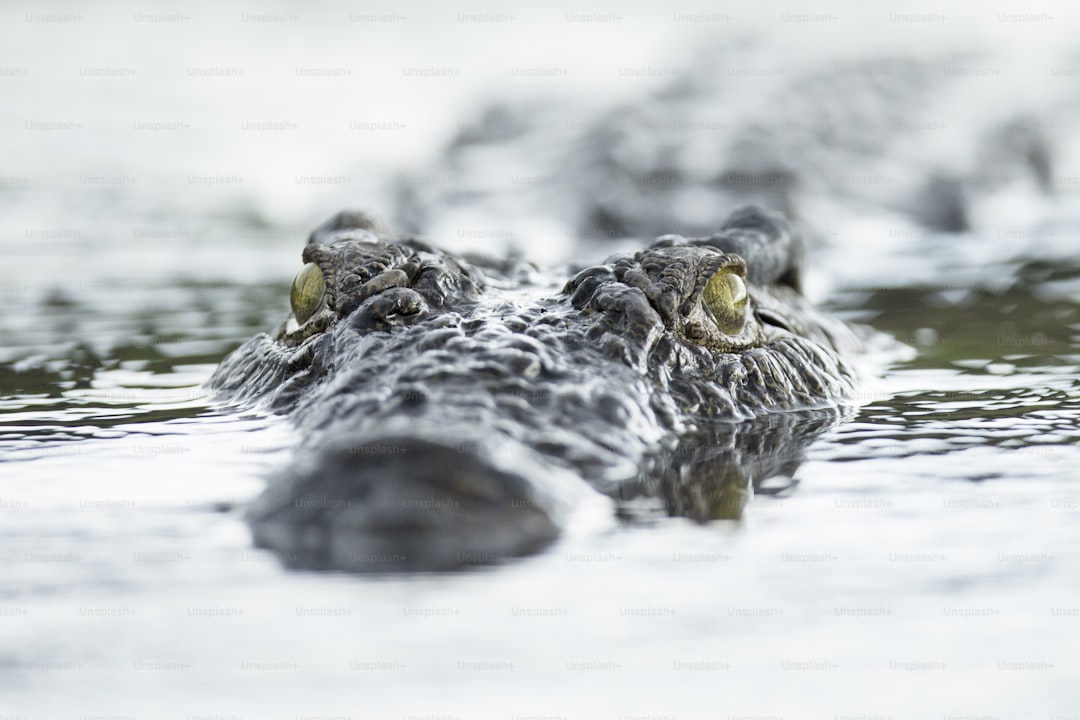
It’s one thing to admire the raw power of nature from a distance, but the reality shifts the moment you realize you’re sharing a beach with an apex predator. Let’s be honest: if you spot a crocodile while you’re out for a swim or a stroll, your heart is going to race, and that’s a normal reaction. But here is what I think you need to prioritize: don't panic, and definitely don't try to test your luck by getting a better look. You’ve got to understand that these animals are masters of the surprise, and if you’re near the water’s edge, you’re already in their range. The most important thing you can do is back away slowly and steadily, keeping your eyes on the animal without making any sudden movements that could trigger their predatory instinct.
Think about it this way: their anatomy is literally built for an ambush. They aren't just sitting there; they’re using those super-sensitive jaw sensors to track your every vibration in the water. If you see one, the last thing you want to do is create a splash or thrash around, as that just mimics the distress signals they look for during a hunt. Even if you think you’re at a safe distance on the sand, remember that they can bridge a five-meter gap in a literal blink of an eye. You’re essentially in a high-stakes game where they have the home-field advantage, so keep your distance—farther than you think is necessary—and get to higher, solid ground immediately.
And please, if you see one, don't just keep it to yourself. Once you’re in a secure spot, alert the resort staff or local authorities immediately. They have the data on site fidelity and regional patterns that can help keep other travelers safe, and your report could genuinely be the difference between a close call and a serious incident. It’s also worth remembering that weather plays a massive role here, so if the barometric pressure is dropping or a storm is rolling in, be even more cautious, as those are times when their activity and aggression levels tend to spike. I know you’re on vacation to relax, but staying alert in these habitats is the best way to ensure you actually get to enjoy the rest of your trip.
Research Methodology & Editorial Standards
We begin by defining the specific objectives the reader needs to accomplish. Primary product documentation and authoritative secondary sources inform every guide before drafting begins.
Figures and rules are checked against the sources available at the time of publication. Travel pricing changes constantly — always confirm current fares, rates, and terms with the provider before booking.