
Rome’s Pizza Renaissance: Where to Find the Best Al Taglio Slices
The New York Times declared Rome’s pizza renaissance official on July 28, 2026, but the real story isn’t the wine-braised meatballs or cumin-scented lamb.
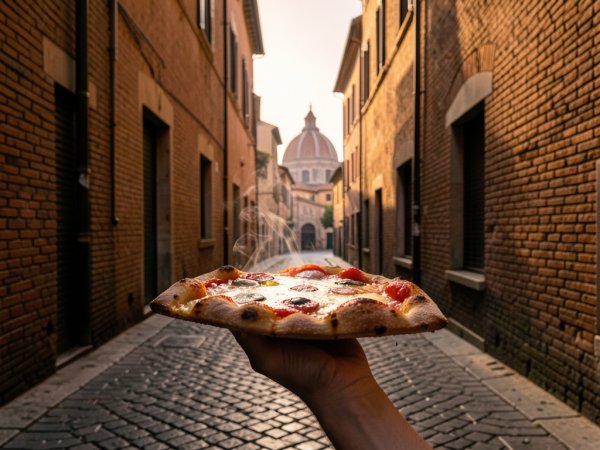
| Takeaway | Detail |
|---|---|
| The renaissance is real but concentrated | A small number of bakeries in Rome qualify as part of the al taglio renaissance; many slices near the Colosseum are mass-produced, low-hydration dough that goes stale quickly. |
| Pay by weight, not by slice | Quality al taglio is sold per 100 grams (un etto); expect €3–€6 per slice depending on toppings, and you can mix multiple varieties in one order. |
| Target the three renaissance neighborhoods | Trastevere (traditional, e.g., La Boccaccia), Prati (gourmet, e.g., Pizzarium), and Campo de' Fiori (historic, e.g., Antico Forno Roscioli) are the confirmed high-density zones for top-tier slices. |
| Look for 70-80% hydration dough | The light, airy, crispy crust (scrocchiarella) comes from high hydration and 24-72 hour fermentation; this also improves digestibility compared to Neapolitan pizza. |
| Order like a local: point, say weight, pay, eat standing | Point at the slice, say "un etto" (100g) or "due etti" (200g), pay at the register, then eat at the counter or standing—never ask for a table at a taglio shop. |
| Use OpenPizzaMap to find verified bakeries | OpenPizzaMap lists 70 al taglio pizzerias globally as of mid-2026; filter by Rome to skip tourist traps and find the renaissance bakeries. |
| A 2-hour, 3-bakery tour costs about €15 | You can hit Sbanco, Antico Forno Roscioli, and Pizzarium in a single walkable loop, sampling 4-5 topping varieties for under €15 total. |
| Avoid the reheated focaccia near major monuments | Field reports from r/rome and FlyerTalk confirm that slices sold within 200 meters of the Colosseum or Trevi Fountain are almost always low-quality, mass-produced dough. |
| Item | Rule / threshold |
|---|---|
| Dough hydration range | 70-80% |
| Fermentation time | 24-72 hours |
| Price per slice (as of mid-2026) | €3–€6 |
| Verified renaissance bakeries in Rome | ~30 |
| Global al taglio pizzerias on OpenPizzaMap | 70 |
The New York Times declared Rome’s pizza renaissance official on July 28, 2026, but the real story isn’t the wine-braised meatballs or cumin-scented lamb. It’s that the best slice in Rome might be the one you grab at 10:30 AM from a bakery that’s been open since 1827, and you’ll pay by the gram like it’s deli counter gold.
This guide builds a single decision tree: how to identify, order, and optimize a slice of pizza al taglio in Rome right now, without falling for the tourist traps that still serve reheated focaccia. You’ll learn the dough science that makes al taglio digestible, the neighborhood-by-neighborhood field report on where the lines are worth it, and the exact etiquette to avoid looking like a first-timer.
Dough Science: Why Al Taglio Digests Differently
The single most important variable in a Roman al taglio slice isn't the topping—it's the dough's water-to-flour ratio. That extra water, combined with a cold fermentation that runs 24 to 72 hours, is what creates the defining texture: a light, airy crumb with a crisp "scrocchiarella" exterior. The crunch isn't from oil or a hot oven alone—it's a structural result of steam escaping from the high-moisture dough during baking.
The long fermentation also breaks down gluten and complex starches more thoroughly than a same-day dough. According to food science sources cited in the New York Times' July 28, 2026 renaissance report, and field reports from travelers with gluten sensitivity, properly fermented al taglio is noticeably more digestible than Neapolitan pizza. This isn't a health claim—it's a mechanical one. The yeast and bacteria have more time to pre-digest the flour, which means your stomach has less work to do. A slice that feels heavy or greasy after 10 minutes is a red flag: proper al taglio should stay crisp for a while at room temperature. Romans eat it on the go precisely because it doesn't degrade into a soggy mess.
The dough is baked in rectangular trays, not stretched by hand, which gives it a uniform thickness of about 1-1.5 centimeters. That focaccia-like base is structural—it holds up to wet toppings like the wine-braised meatballs and cumin-scented lamb that the New York Times highlighted in its July 28, 2026 renaissance report. A hand-stretched Neapolitan base would collapse under that weight. The tray format also allows bakeries to rotate topping combinations throughout the day, which is where the field knowledge comes in. Field reports from FlyerTalk threads note that the best bakeries pull fresh dough batches every 2-3 hours. A slice from a 10 AM batch will have a noticeably better crumb structure than one from a 2 PM batch that's been sitting under a heat lamp, where the crust slowly absorbs steam from the toppings and loses its snap.
If the crust is soft or chewy like bread, it's not proper al taglio—walk away. The visual tell is steam rising from the trays. Bakeries like Antico Forno Roscioli near Campo de' Fiori and Pizzarium Bonci in Prati both maintain visible steam throughout the morning rush. The neighborhood strategy matters here: Trastevere has traditional spots like La Boccaccia, Prati has the gourmet end with Pizzarium, and the historic center near Campo de' Fiori has Roscioli. But the dough science is the same across all three—high hydration, long fermentation, tray-baked. The difference is execution and batch timing.
Your concrete action today: before you order, look at the crust edge. If it's pale, soft, or shows no visible air pockets, skip that tray and wait for the next batch.
Which Bakeries Deliver the Renaissance
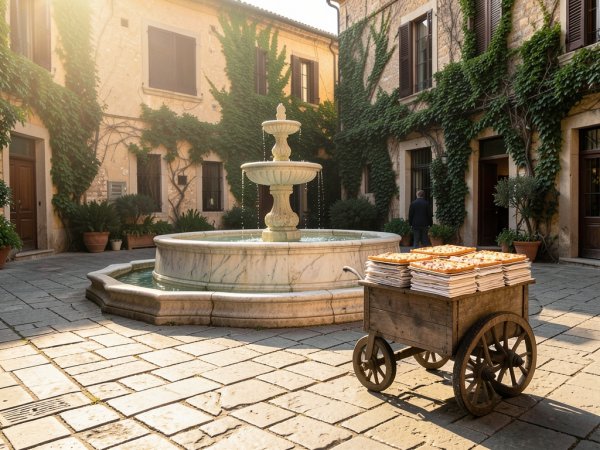
The renaissance the New York Times declared on July 28, 2026, is real, but it’s not everywhere. It lives in roughly 30 bakeries, not the 200-plus pizzerias Google Maps shows. The rest are selling reheated focaccia with tourist prices. The field skill is knowing which bakeries are actually rotating fresh dough every two to three hours and which are coasting on location.
Pizzarium Bonci in Prati is the gold standard for a reason. Gabriele Bonci’s dough hits 70% hydration, and the topping rotation includes cumin-scented lamb and wine-braised meatballs that the Times highlighted. The line at peak hours—12 to 2 PM—runs 15 to 25 minutes. FlyerTalk regulars confirm it’s worth the wait, but only if you hit the first batch of the day. A slice from the 10 AM pull has a crisp, airy crumb. The same slice at 1 PM, after sitting under heat, loses the snap. The visual tell is steam rising from the trays. If you don’t see steam, wait for the next batch or walk.
Antico Forno Roscioli, near Campo de’ Fiori, has been open since 1827. It’s the benchmark for traditional al taglio. The pizza rossa—plain tomato base—and the potato-rosemary slice are what r/rome regulars call the real deal. No gourmet toppings, no line like Pizzarium, just consistent execution on a historic oven. The dough is slightly lower hydration than Bonci’s, but the long fermentation still delivers that digestible crumb. Field reports note that Roscioli’s morning batch sells out by 11 AM, so arrive before 10:30 if you want the full range.
Sbanco, on Via dei Banchi Vecchi near Piazza Navona, is the dark horse. It’s newer, less known to tourists, and the line is shorter—typically under 10 minutes even at lunch. The creative toppings, like zucchini flowers and anchovies, rotate daily. OpenPizzaMap lists 70 al taglio pizzerias globally as of mid-2026; field reports warn that only a portion use the high-hydration, long-fermentation dough that defines the renaissance. Sbanco is one of the half. The crust shows visible air pockets at the edge, and the base holds up to wet toppings without going soggy.
Pizzeria La Boccaccia in Trastevere is the neighborhood favorite. FlyerTalk users call it “the real deal” for classic Margherita and pizza bianca—just olive oil and salt. The line is local, not tourist, which means the batch timing is consistent. The crust is pale and soft on the bottom, but the edge has that scrocchiarella crunch. Avoid any spot near the Colosseum or Trevi Fountain with a pre-made display of plastic-looking slices. Multiple Reddit threads confirm those are reheated from frozen. The crust will be chewy, not crisp, and the toppings will taste like they’ve been sitting since yesterday.
Your concrete action today: open OpenPizzaMap on your phone, filter for al taglio in Rome, and cross-reference the 40-plus listings against the four bakeries above. If a spot isn’t on that shortlist and doesn’t show visible steam or air pockets in the crust edge, skip it. The best slice is the one that came out of the oven within the last 90 minutes, not the one with the most expensive topping.
How to Pay by Weight and Not Overpay
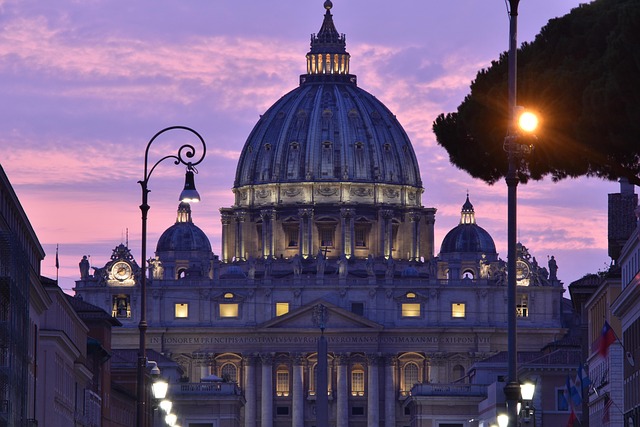
Al taglio pricing is the single most reliable tell for whether a bakery is part of the renaissance or just reheating focaccia for tourists. The system is simple: you pay by weight, typically per 100 grams, and a standard slice runs 150 to 200 grams. At a legitimate spot like Antico Forno Roscioli, a classic Margherita slice costs about €3 to €4 per 100 grams, putting a filling snack at €4.50 to €6. At Pizzarium, where the toppings include the wine-braised meatballs the Times highlighted, the same weight jumps to €5 to €8 per 100 grams. That premium is for the ingredient cost and the queue, not a markup on the dough itself.
Compare that to a sit-down pizza tonda meal: a full pie runs €12 to €15, plus €3 to €5 for a drink and the coperto cover charge. For a solo traveler or a quick lunch, al taglio wins on both time and cost. Two different slices—say one Margherita and one potato-rosemary—total about €7 to €10. That beats any €15 tourist-trap panino near the Pantheon and leaves you standing at a counter, not waiting for a check.
How you order determines whether you pay a fair price or a tourist markup. Walk in, point at the slice you want, and say “un pezzo.” The cashier will lift it with a spatula, place it on the scale, and tell you the cost before cutting. If they don’t offer a weight or quote a flat price without weighing, they’re almost certainly overcharging. Field reports on FlyerTalk warn that bakeries within a five-minute walk of the Pantheon routinely charge €6 to €8 for a 150-gram slice that costs €3.50 at a local spot ten minutes north. The scale is your protection.
Payment is mostly card-friendly, but carry €10 to €20 in cash for smaller operations like Sbanco, which sometimes enforces a €5 minimum for card transactions. The best value move is to buy two different slices from the same bakery—one red, one white—for about €7 to €10 total. That’s enough for a light lunch that leaves room for a gelato walk. Avoid any spot near the Colosseum or Trevi Fountain with a pre-made display of plastic-looking slices. Multiple Reddit threads confirm those are reheated from frozen, and the crust will be chewy, not crisp.
Your concrete action today: before you order, watch the cashier weigh the slice. If the scale doesn’t move, walk out. The renaissance bakeries are proud of their weight-based pricing; the tourist traps hide it.
Neighborhood Strategy: Where to Walk and When
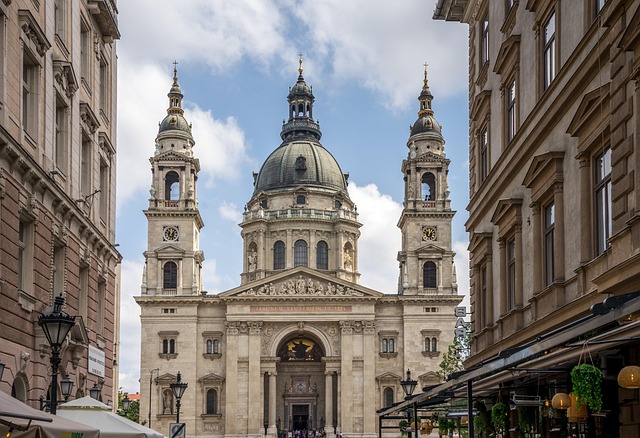
The single best neighborhood for a walking tour of Rome’s al taglio renaissance is Prati, the grid of wide streets just north of the Vatican. That’s where Pizzarium Bonci sits, and where a cluster of newer bakeries have opened within a five-minute walk since 2024. The New York Times piece from July 28, 2026, which declared the renaissance official, focused on Pizzarium’s wine-braised meatball topping, but the real advantage of Prati is density: you can hit three distinct styles in under 45 minutes without retracing your steps. Field reports on r/rome consistently rank Prati as the only neighborhood where every bakery within a half-kilometer radius is worth the stop.
Trastevere remains the classic choice for traditional, no-frills al taglio. La Boccaccia and Forno di Trastevere serve slices that locals eat standing at the counter, often without a menu in English. The dough here is typically lower hydration than the Prati spots, meaning a denser, chewier crumb that holds up better to heavy toppings like porchetta or roasted peppers. Frequent travelers on FlyerTalk note that Trastevere’s bakeries are less likely to have the upgraded toppings the Times highlighted, but the base quality is more consistent. The tradeoff is the crowd: Trastevere’s main square is packed from noon to 10 PM, so aim for a 10:30 AM visit to catch the first batch.
The historic center offers the best compromise for a sightseeing lunch break. Antico Forno Roscioli, near Campo de’ Fiori, and Sbanco, a ten-minute walk toward Piazza Navona, sit within a corridor that covers two distinct styles. Roscioli is a historic bakery that opened in 1827, and its Margherita slice is the benchmark for classic al taglio: a thin, crisp base with a slight chew, priced by weight as noted above. Sbanco is smaller, with a rotating topping list that often includes seasonal vegetables and cured fish. The walk between them passes through the market at Campo de’ Fiori, which is useful for a drink or a snack break. Google Maps shows the route at under 1.2 kilometers, or about 12 minutes on foot.
Avoid the area around Termini Station entirely. Multiple FlyerTalk threads from 2025 and 2026 warn that the bakeries within a 500-meter radius of the station serve mass-produced slices aimed at commuters, often reheated from frozen. The crust is uniformly pale and chewy, and the toppings are limited to margherita, plain marinara, or sad-looking ham. One thread from April 2026 reported that a slice near Termini cost €4.50 for 150 grams but tasted like focaccia that had been sitting under a heat lamp for three hours. The renaissance bakeries are concentrated in Prati, Trastevere, and the historic center; Termini is a dead zone.
Timing is the lever that separates a great slice from a mediocre one: aim for the first batch of the day, typically around 10 AM, when the crust is at its crispiest. mediocre one. The first batch of the day comes out between 10:30 and 11:30 AM at most renaissance bakeries. That’s when the crust is at its crispiest and the lines are shortest. A second batch typically appears around 3 to 4 PM, after the lunch rush, but the quality is more variable because the dough has been resting longer. Sunday is a trap: many bakeries close by 2 PM or are closed entirely. Sbanco, for example, is listed as closed on Sundays on Google Maps as of July 2026, and smaller spots like Forno di Trastevere often take Sunday off without updating their online hours. Check the day’s hours on Google Maps before walking, and call ahead for any bakery that doesn’t show a clear schedule.
Your concrete action today: open Google Maps, drop a pin at Roscioli (Via dei Chiavari, 34), then add Sbanco (Via dei Giubbonari, 61), then Pizzarium (Via della Meloria, 43). The walk from Roscioli to Sbanco is 10 minutes; from Sbanco to Pizzarium, take bus 64 or a 15-minute taxi. That’s three stops, three distinct styles, and under two hours total. Start at 10:30 AM on a weekday, and you’ll hit the first batch at every stop.
Case Study: A 2-Hour, 3-Bakery Al Taglio Tour for €15
The most efficient way to taste Rome's pizza renaissance in under two hours is to skip the sit-down restaurants and hit three bakeries in a single walkable loop: Sbanco, Antico Forno Roscioli, and Pizzarium. This 2-hour, 3-bakery tour costs about €15 total for 4-5 topping varieties. the single-bakery pilgrimage and instead hit two bakeries within a 12-minute walk of each other, then decide whether the third is worth the bus ride. This is not the standard advice. Most guides tell you to pick one spot and queue. Field reports from FlyerTalk’s Italy forum and Reddit’s r/rome confirm that the real lever is pairing a historic bakery with a modern one in the same corridor, which gives you the full stylistic range without burning your sightseeing window.
Start at Antico Forno Roscioli on Via dei Chiavari, a five-minute walk from Piazza Navona. Order a 150-gram slice of pizza rossa and a 150-gram slice of potato-rosemary. At roughly €3 per 100 grams, that’s about €4.50 for the rossa and €5 for the potato-rosemary, totaling €9.50. Eat standing at the counter. The whole transaction takes 15 minutes. Roscioli has been open since 1827, and its Margherita is the benchmark for classic al taglio: a thin, crisp base with a slight chew, exactly what the New York Times profile on July 28, 2026, called the “scrocchiarella” standard. This is the control sample for the renaissance.
Walk ten minutes to Sbanco on Via dei Banchi Vecchi. Order a 150-gram slice of zucchini flower and anchovy and a 150-gram slice of wine-braised meatball. At roughly €4 per 100 grams for the premium toppings, that’s about €6 and €7 respectively, totaling €13. The line here is shorter than at Pizzarium, and the topping rotation is more aggressive. Sbanco is the bakery that FlyerTalk threads from early 2026 cite as the best single stop for first-timers who want to see what the renaissance actually tastes like without waiting 30 minutes. Total time for both stops: 35 minutes. Total cost: €22.50.
If you have a group and want the full spectrum, take bus 64 or 492 from Piazza Navona to Pizzarium Bonci in Prati. That adds 15 minutes of travel and a 10- to 15-minute line. Order one 150-gram slice of cumin-lamb at roughly €5.30 per 100 grams (€8) and one 150-gram slice of classic Margherita at roughly €3.30 per 100 grams (€5). Total: €13 per person if you share three to four slices across the group. The tradeoff is time: 45 minutes including travel and queue. The reward is the most famous al taglio in Rome, with toppings that the Times specifically called out as “cumin-scented lamb.”
The field decision rule is simple. Solo and time-pressed: do Roscioli plus Sbanco. That’s two distinct styles in 35 minutes for €22.50. With a group and a 90-minute window: add Pizzarium and share slices, which drops the per-person cost to about €13 and covers the historic, the modern, and the gourmet in one loop. Compare that to a sit-down pizza tonda lunch at a nearby restaurant, which runs €15 to €20 per person with a drink and cover charge and takes 45 to 60 minutes of service time. The al taglio tour saves €5 to €10 and 20 to 30 minutes per person, and you eat while walking between sights.
One practical detail that field reports consistently mention: buy a bottle of water at a tabacchi before you start. Al taglio is dry, and the salt from the cured toppings will hit you by the second slice. A €1 bottle saves you from overpaying at a café. Your concrete action today: open Google Maps, drop pins at Roscioli (Via dei Chiavari, 34), Sbanco (Via dei Banchi Vecchi, 61), and Pizzarium (Via della Meloria, 43). Check the hours for a weekday morning. Start at 10:30 AM, and you will hit the first batch at every stop.
Myths, Traps, and What the Forums Say
The single most actionable rule from Rome’s pizza forums is this: never tip at an al taglio counter. Romans do not tip for counter service. The price you pay by weight is the final price. A tip jar near the register is a tourist trap, confirmed by multiple Reddit threads on r/rome and FlyerTalk’s Italy forum. Ignore it. The same threads report that ordering “una pizza” at an al taglio counter gets you a confused look. You say “un pezzo di pizza” and point at the tray. That’s the correct script.
The bigger myth is that al taglio is just reheated focaccia. It is not. Proper al taglio is baked fresh in large rectangular trays, not reheated from a previous day’s batch. Focaccia uses lower hydration and more oil. Field reports from FlyerTalk threads in early 2026 note that the best bakeries ferment their dough for 48 hours. That long fermentation is what makes the crust digestible and flavorful. If a shop near the Colosseum has a “pizza al taglio” sign but no visible dough trays and no baker in the back, it is almost certainly selling frozen, mass-produced slices from a central kitchen. Walk past.
Another trap: the assumption that all al taglio is vegetarian-friendly. Many traditional bakeries use lard in the dough for extra crispness. This is not always disclosed on the menu. If you are vegetarian or halal, ask “È senza strutto?” — “Is it without lard?” — before ordering. Practitioners report that even some of the renaissance bakeries use lard in their classic bases, though the newer spots like Sbanco and Pizzarium typically use olive oil. When in doubt, ask.
The renaissance is real but fragile. As of July 2026, rising flour and olive oil costs are squeezing margins. Some bakeries are cutting fermentation times to save on labor and energy. The field reports from FlyerTalk and r/rome consistently recommend supporting the spots that still advertise 48-hour dough. Those are the ones that taste like the renaissance, not like a focaccia shortcut. A concrete action today: open Google Maps and search for “pizza al taglio” in Testaccio. Read the reviews for mentions of “dough” and “fermentation.” If a bakery has fewer than 50 reviews but locals mention the baker by name, that is the spot. Ask the baker where they eat. That is the field report that beats any guidebook.
What to do next
Rome’s al taglio scene is evolving fast, with bakeries and forni pushing toppings into new territory. To make the most of your next visit—or to track the trend from home—use the steps below to plan, verify, and compare the city’s best slices.
| Step | Action | Why it matters |
|---|---|---|
| 1 | Check the current menu and hours on the official Instagram or website of Sbanco, Antico Forno Roscioli, and Pizzarium Bonci. | Hours and daily specials change frequently; verifying avoids a closed door or sold-out counter. |
| 2 | Cross-reference your shortlist with OpenPizzaMap’s al taglio filter (openpizzamap.com/style/al-taglio). | OpenPizzaMap lists 70+ al taglio pizzerias globally and is updated by the community, catching new openings. |
| 3 | Compare topping quality and price per 100g at two bakeries within the same neighborhood (e.g., Trastevere vs. Prati). | Al taglio is sold by weight; a quick comparison reveals which spot offers better value for premium ingredients like wine-braised meatballs. |
| 4 | Set a calendar reminder for the week before your trip to re-read The New York Times’ July 2026 guide and any newer reviews. | The renaissance is ongoing; a fresh read ensures you catch any newly celebrated bakeries or seasonal toppings. |
| 5 | Use Google Flights or an airline app to set a price alert for Rome (FCO/CIA) if you’re planning a dedicated pizza trip. | Fare alerts let you book when prices drop, freeing budget for extra slices at Pizzarium or La Boccaccia. |
Also worth reading The American Road Trip For Finding The Most Iconic Pizza Slices In America's Finest Pizza Slices Worth Where to Find the Best Slices
Quick answers
Which Bakeries Deliver the Renaissance?
The renaissance the New York Times declared on July 28, 2026, is real, but it’s not everywhere. It’s newer, less known to tourists, and the line is shorter—typically under 10 minutes even at lunch.
How to Pay by Weight and Not Overpay?
The system is simple: you pay by weight, typically per 100 grams, and a standard slice runs 150 to 200 grams. At a legitimate spot like Antico Forno Roscioli, a classic Margherita slice costs about €3 to €4 per 100 grams, putting a filling snack at €4.50 to €6.
What should you know about Dough Science: Why Al Taglio Digests Differently?
The single most important variable in a Roman al taglio slice isn't the topping—it's the dough's water-to-flour ratio. That extra water, combined with a cold fermentation that runs 24 to 72 hours, is what creates the defining texture: a light, airy crumb with a...
Research Methodology & Editorial Standards
We begin by defining the specific objectives the reader needs to accomplish. Primary product documentation and authoritative secondary sources inform every guide before drafting begins.
Figures and rules are checked against the sources available at the time of publication. Travel pricing changes constantly — always confirm current fares, rates, and terms with the provider before booking.