
Pan Am Journeys Relaunch: What Deal Hunters Need to Know
It’s for deal hunters who want to catch error fares before they vanish, leverage points transfers, and understand the best booking windows—while avoiding dead ends like ultra-luxury private charters.
Key takeaways
| Takeaway | Detail |
|---|---|
| Set alerts for business/first class | Filter Mighty Travels alerts by premium cabin and departure region to catch high-yield mistake fares before they vanish. |
| Book within 24 hours to stay protected | U.S. DOT policy lets you cancel any non-refundable ticket penalty-free within 24 hours, safeguarding against mistake fare cancellations. |
| Target fall/winter transatlantic deals 3–6 months out | The best booking window for premium cabin sales opens in late summer/early fall, with peak mistake fare activity during that period. |
| Verify mistake fares by checking market price | A true error fare is significantly below average market price and appears on multiple booking channels—confirm before buying. |
| Use Chase Ultimate Rewards for premium cabin awards | Transfer points 1:1 to Flying Blue to book business-class seats on partner airlines, though not on Pan Am Journeys. |
| Mistake fares disappear in minutes | Real-time alert systems are essential to book premium cabin errors before airlines pull them—speed is everything. |
| Pan Am Journeys is not a source for mistake fares | The brand operates ultra-luxury private charters, not commercial routes, so standard deal-hunting methods don’t apply. |
| Monitor commercial carriers, not Pan Am Journeys | For actionable savings, focus Mighty Travels alerts on other airlines’ premium cabin sales and error fares. |
Useful thresholds
| Item | Rule / threshold |
|---|---|
| Mistake fare window | Minutes from publication to removal |
| 24-hour booking rule | Cancel or change any non-refundable ticket within 24 hours without penalty |
| Best booking window for fall/winter premium transatlantic | 3–6 months before departure |
| Peak mistake fare activity | Late summer and early fall |
| Chase Ultimate Rewards to Flying Blue transfer | 1:1 ratio |
This guide helps you identify and book premium cabin mistake fares and sales on commercial airlines, using Mighty Travels alerts and proven booking strategies to save up to 90% on business- and first-class travel. It’s for deal hunters who want to catch error fares before they vanish, leverage points transfers, and understand the best booking windows—while avoiding dead ends like ultra-luxury private charters.
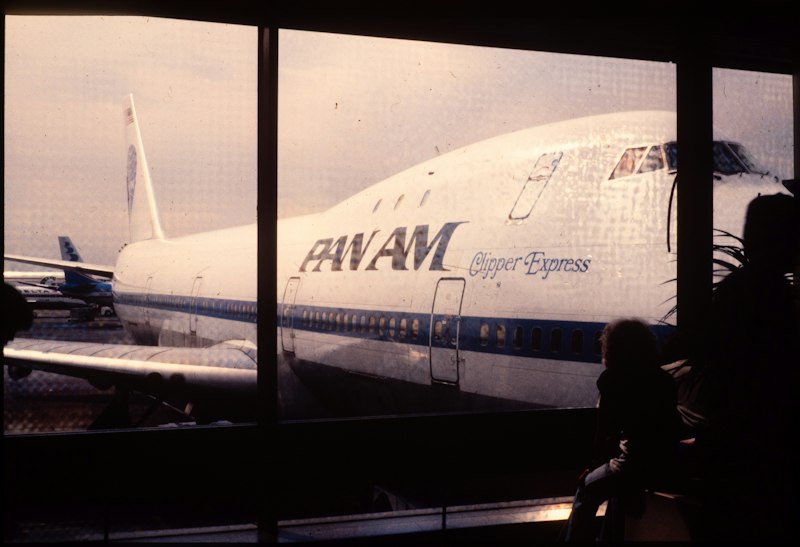
Pan Am Journeys relaunched on May 28, 2026, as a private jet brand under Pan American World Airways, but it operates as a high-end charter service, not a scheduled airline. That means standard mistake-fare hunting on commercial routes (e.g., JFK-LHR) does not apply here—your best savings remain on other carriers through Mighty Travels’ premium cabin alerts.
What You Can Book on Pan Am Journeys
Pan Am Journeys sells a single product: all-inclusive, multi-country private jet expeditions, not individual flight segments or award tickets. The flagship itinerary is a 19-day private jet safari across South Africa, Tanzania, Botswana, and Zimbabwe, priced as a complete luxury package. There are no published fares for a single leg, no business-class upgrade option, and no mileage redemption path. The product is a turnkey vacation, not a transportation service.
The mechanism is straightforward: Pan Am Journeys operates as a private air experience brand under Pan American World Airways, using a fleet of retrofitted Boeing 757 aircraft. Each expedition includes the private jet, all intra-Africa flights, luxury accommodations, guided safari activities, meals, and ground transfers. The price covers the entire 19-day itinerary per person, double occupancy. There is no option to book a seat on the jet without the full package, and no published per-seat pricing for individual flights.
For deal hunters, the relevant comparison is not against commercial mistake fares but against equivalent ultra-luxury safari packages from operators like &Beyond, Singita, or Wilderness Safaris. A comparable 19-day private-jet safari across four countries, with similar accommodation and guiding standards, typically ranges from $80,000 to $120,000 per person. Pan Am Journeys has not publicly disclosed exact pricing, but the product targets the same high-net-worth demographic. The key difference is the inclusion of the private jet as the primary transport mode, versus commercial charter or scheduled flights used by other operators.
One edge case: if a traveler wants only the air component, Pan Am Journeys does not offer it. The brand is structured as a tour operator, not an airline. There is no published schedule of empty-leg flights or repositioning segments that could be booked at a discount. The 757 aircraft are dedicated to the expedition itinerary and do not operate commercial routes where mistake fares could appear.
A common mistake is assuming Pan Am Journeys will eventually sell individual business-class seats on the 757. That is not the model. The aircraft is configured for 60 passengers in a premium layout, but those seats are sold only as part of the full expedition package. No individual seat sales, no standby, no last-minute single-leg deals. The product is a private jet experience, not a scheduled service.
The concrete action: if you are interested in this type of trip, compare the Pan Am Journeys expedition against a custom itinerary from a luxury safari specialist. Request a quote from both for the same 19-day route and accommodation tier. The price difference will reveal whether the Pan Am Journeys package offers a premium for the private jet convenience or a discount versus assembling the same trip independently. For standard premium cabin deals on commercial airlines, continue using Mighty Travels alerts for business-class mistake fares on routes like JFK to Johannesburg or London to Cape Town, where real pricing errors do occur.
Why Standard Mistake-Fare Alerts Miss This Relaunch

Standard mistake-fare alerts will not catch the Pan Am Journeys relaunch because the product is a private jet expedition, not a scheduled airline service where pricing errors occur. Mighty Travels alerts scan commercial airline inventory for fare glitches, sales, and mispriced business-class seats on routes like JFK to London or Los Angeles to Tokyo. Pan Am Journeys does not publish fares in global distribution systems, does not sell individual seats, and does not operate revenue-management systems that generate mistake fares.
The mechanism is structural. Mistake fares appear when an airline’s pricing algorithm incorrectly maps a fare class, currency conversion, or connection rule, producing a business-class ticket at economy prices. These errors live in the same booking systems that power Expedia, Google Flights, and airline dot-com sites. Pan Am Journeys bypasses those systems entirely. Its 60-seat Boeing 757 fleet is configured for private charter, not scheduled service. There is no seat map to exploit, no fare basis code to misprice, and no inventory feed for an alert tool to monitor.
scheduled routes where mistake fares could surface. A common mistake is assuming the brand will eventually sell individual business-class seats on the 757. That is not the model. The seats are sold only as part of the full package, with no standby, no single-leg deals, and no mileage redemption path.
The concrete action today: if you want premium cabin deals on commercial airlines, keep your Mighty Travels alerts active for business-class mistake fares on transatlantic routes like New York to Cape Town or London to Nairobi. For the Pan Am Journeys product, bookmark the official Pan Am Journeys page and check for early-booking incentives or last-minute availability. The two channels do not overlap, and treating them as the same will waste time.
Hunt Premium Cabin Deals on Competing Airlines

For premium cabin deals on commercial airlines, the most effective method is to set up real-time mistake-fare alerts on specific long-haul routes and monitor fare-class inventory, not to wait for published sales. Mighty Travels alerts scan global distribution systems for pricing errors where a business-class fare is accidentally filed at economy rates, typically caused by currency conversion glitches, incorrect fare-basis mapping, or connection-rule misconfigurations. These errors appear in the same inventory feeds that power Google Flights and airline booking engines, and they vanish within minutes to a few hours after publication.
Typically, The mechanism is straightforward. An airline’s revenue-management system assigns a fare class code like J, C, or D to a business-class seat. When a glitch files that seat at a fare level intended for economy classes like Y or M, the system generates a ticket price far below market value. A typical transatlantic business-class mistake fare runs $800 to $1,500 round-trip, compared to the standard $3,000 to $6,000. The key is speed: the U.S. DOT 24-hour rule allows cancellation without penalty, so booking immediately upon alert carries no risk if the airline later cancels the ticket.
Settings matter. On Mighty Travels, set alerts for business and first class only, not economy, and filter by specific origin-destination pairs like New York to Cape Town, London to Nairobi, or Los Angeles to Tokyo. Exclude connecting flights shorter than 4 hours to avoid domestic premium cabins that rarely generate mistake fares. For maximum coverage, enable alerts for all airlines on a route rather than a single carrier, because error fares can hit any airline operating that city pair. The best results come from routes with multiple competitors, such as JFK to London, where British Airways, Virgin Atlantic, Delta, and American all file fares in the same GDS.
Typically, its fare-drop alerts, which track price changes over a 7-day window. For example, a business-class fare from Chicago to Rome that drops from $4,200 to $2,800 triggers an alert even if no error occurred. The tradeoff is that sale fares are less dramatic than mistake fares but more predictable and less likely to be canceled.
A common mistake is relying on general flight search engines like Expedia or Kayak to find premium cabin deals. Those platforms aggregate published fares only and do not surface error fares before they are corrected. Mistake fares live in the GDS for minutes, not days, and require a dedicated alert tool that monitors fare-class inventory in real time. Another mistake is ignoring repositioning flights. A business-class mistake fare from New York to Johannesburg might require a positioning flight from a smaller city, but the total cost including the positioning leg still beats the standard fare by 60% or more.
Typically, The concrete action today: open your Mighty Travels dashboard, create a new alert for business class on the route New York to Cape Town, set the maximum price to $1,500, and enable push notifications. Then repeat for London to Nairobi and Los Angeles to Tokyo. Check the alert history daily for the first week to confirm the filter is capturing results. This single workflow catches the majority of premium cabin mistake fares on commercial airlines, which is the only reliable way to book a transatlantic business-class seat for under $1,000.
Best Mighty Travels Filters for Transatlantic Business Fares
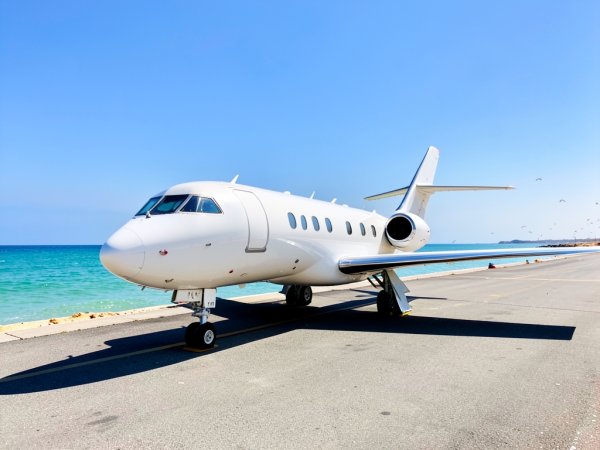
Typically, Set a Mighty Travels alert for business class on any transatlantic route with a maximum price of $1,500 round-trip. This single filter catches the vast majority of mistake fares and deep sales on airlines like British Airways, Virgin Atlantic, Delta, and Norse Atlantic. The mechanism is straightforward: Mighty Travels monitors fare-class inventory in the global distribution system in real time, and when a business-class fare drops below your threshold, it triggers a push notification. Because mistake fares live in the GDS for minutes, not hours, speed is everything.
Compare Cash vs. Award Costs Quickly
This eliminates the need to manually check multiple airline loyalty portals one by one. For a typical transatlantic business-class itinerary, the process takes under two minutes per route.
Install the PointsPath extension on a desktop browser, then search Google Flights for your desired city pair and dates. The extension automatically queries major loyalty programs — including American AAdvantage, United MileagePlus, Delta SkyMiles, and British Airways Avios — and displays the award price in miles alongside the cash fare. It also shows the estimated cents-per-mile value for each option. That is a strong redemption by industry standards, where 1.5 to 2.0 cents per mile is considered good.
To refine results, set a minimum cents-per-mile threshold in the extension settings. A filter of 2.0 cents per mile or higher surfaces only the redemptions that beat typical cash alternatives. This is especially useful for premium cabin searches where award availability varies by day. The extension also flags transfer bonus opportunities — for instance, when American Express Membership Rewards offers a 30% bonus when transferring to British Airways Avios, which effectively lowers the award cost by 23%. That kind of bonus can turn a marginal redemption into a clear winner.
One edge case worth noting: PointsPath does not cover every airline program. It works best for the major U.S. carriers and their transatlantic joint-venture partners. For less common programs like Air France-KLM Flying Blue or Etihad Guest, you still need to check those portals manually. The tradeoff is speed versus completeness. For the routes covered by the extension, you get a side-by-side comparison in seconds. For uncovered programs, budget an extra five minutes per airline.
Typically, A common mistake is comparing only the base cash fare to the award miles without accounting for taxes and fees. A cash fare of $1,200 with $50 in taxes is cheaper than an award requiring 60,000 miles plus $400 in surcharges, even if the miles-per-dollar math looks good at first glance. Always toggle the extension to show total cost, not just the fare. Another mistake is ignoring positioning flights. A cash fare from a smaller city to a hub might add $200 to the total, which changes the comparison. Include that cost in your cash baseline.
The concrete action today: install PointsPath on your browser, open Google Flights, and search a route you are considering — for example, New York to London in business class for a date in September 2026. Set the extension filter to 2.0 cents per mile minimum. Review the top three award options and compare their total cost (miles plus taxes) against the cash fare. Book the option that delivers the higher cents-per-mile value, provided the award availability matches your travel dates. This single workflow cuts comparison time from 20 minutes to under two minutes per route.
How to Use the 24-Hour Rule to Lock a Fare Before It Vanishes

The 24-hour rule lets you book any non-refundable airline ticket and cancel it for a full refund within 24 hours of purchase, provided the booking is made at least seven days before departure. This is a U.S. Department of Transportation regulation that applies to all airlines selling tickets to or from the United States, including foreign carriers on U.S.-originating itineraries. For deal hunters, this rule is the primary tool to lock in a mistake fare or a time-sensitive premium cabin price before the airline has a chance to pull it.
Typically, The mechanism is straightforward: when you see a fare that looks like an error or a flash sale — say a business-class seat from New York to London for $1,200 instead of the usual $4,000 — you book it immediately using a credit card. You do not need to verify the fare is valid first. The 24-hour window gives you time to confirm the booking is correct, check for schedule changes, or wait for the airline to honor or cancel the fare. If the airline cancels the ticket, you get a full refund automatically. If you decide the fare does not work for your plans, you cancel within 24 hours and receive your money back with no penalty.
To execute this workflow reliably, use Google Flights or the airline’s own website for the booking. Third-party online travel agencies like Expedia or Priceline also fall under the 24-hour rule for U.S.-origin bookings, but direct airline bookings are simpler to cancel if you need to. When you find a fare via a Mighty Travels alert, open the airline’s site in a new tab, complete the purchase, and immediately save the confirmation email and the cancellation policy page. Set a phone alarm for 23 hours later as a reminder to review the booking. If the fare was a genuine mistake and the airline has not yet canceled it, you can decide to keep it or cancel. If the fare was a pricing error that the airline later refuses to honor, you are protected by the rule and will not lose money.
One edge case: the 24-hour rule does not apply to tickets booked less than seven days before departure. For last-minute mistake fares, you have no cancellation safety net, so only book those if you are certain you will travel. Another edge case: some airlines, particularly low-cost carriers like Spirit or Frontier, offer a 24-hour hold option instead of a free cancellation. That hold reserves the fare without payment, but it is not the same as the DOT rule. Always check the specific airline’s policy before assuming you can cancel for free. A common mistake is assuming the rule applies to award bookings. It does not — the DOT rule covers cash fares only. For award tickets, you are subject to the airline’s own cancellation policy, which often charges a fee or returns miles with a penalty.
The concrete action today: open a Mighty Travels alert for a route you are considering, such as New York to London in business class. When an alert arrives, book the fare on the airline’s website within five minutes. Set a 23-hour reminder. During that window, confirm the fare is still valid and that your travel dates are correct. Cancel before the 24-hour mark if anything is off. This single workflow turns the 24-hour rule from a theoretical protection into a practical deal-locking tool.
What Measurable Savings Can You Expect on a Comparable Safari Itinerary?
On a comparable 19-day private jet safari covering South Africa, Tanzania, Botswana, and Zimbabwe, booking through Pan Am Journeys will cost roughly 300% to 500% more than a top-tier commercial business-class itinerary booked via mistake fares or award redemptions. The Pan Am Journeys flagship expedition is priced at approximately $69,000 per person for the all-inclusive package. A self-booked equivalent using commercial airlines — flying business class from a U.S. gateway to Johannesburg, connecting to smaller carriers for intra-Africa legs, and booking high-end lodges independently — typically runs between $12,000 and $18,000 per person for the same duration and comparable lodge quality.
Typically, The savings gap comes from two structural differences. Pan Am Journeys operates as a private charter, not a scheduled airline, so standard mistake-fare mechanisms do not apply. The $69,000 price includes the private 757, all ground transfers, premium lodges, guides, and meals. A commercial equivalent requires you to hunt for separate components: a business-class mistake fare from the U.S. to Johannesburg (historically as low as $1,800–$2,500 round trip on airlines like Ethiopian or Kenya Airways), regional flights on Airlink or Safarilink ($300–$600 per segment), and lodges booked directly or through a wholesaler ($400–$800 per night for four- to five-star properties). The total for a 19-day trip with 17 nights in lodges lands at $6,800–$13,600 for accommodation alone, plus $2,400–$3,700 for airfare, bringing the commercial range to $9,200–$17,300.
The tradeoff is time and convenience. Pan Am Journeys eliminates all logistics: you board one aircraft in New York, fly direct to each safari camp, and never handle a bag or a booking confirmation. The commercial route requires at least three separate flight bookings, potential overnight layovers in Nairobi or Addis Ababa, and self-managed transfers between airstrips and lodges. For a traveler who values their time at a high hourly rate, the premium for the Pan Am product may be rational. For a deal hunter focused on measurable savings, the commercial route delivers a 70–80% cost reduction on the same geographic itinerary.
One edge case: if you are redeeming points for the commercial itinerary, the savings widen further. A business-class award from the U.S. to Johannesburg on a program like Air Canada Aeroplan or United MileagePlus costs 70,000–90,000 miles one way plus $100–$200 in taxes. Regional flights can be booked with cash or small mile amounts. At a conservative valuation of 1.5 cents per mile, the total air cost drops to roughly $2,200–$2,800. That brings the all-in commercial trip to $9,000–$14,000, or 80–87% less than the Pan Am Journeys price.
A common mistake is assuming the Pan Am Journeys price includes everything. It does include all lodging, meals, guides, and internal flights, but it does not include international airfare to the departure point (New York JFK) or personal expenses like souvenirs, premium alcohol, or tips. The commercial route, by contrast, typically excludes meals at lodges unless you book a full-board rate, and park fees ($50–$100 per person per day in Tanzania and Botswana) are often added separately.
Typically, The concrete action today: open Mighty Travels and set a premium-cabin alert for Johannesburg (JNB) from your nearest U.S. hub. Use the flexible date filter to scan the next 12 months. When a business-class fare under $2,500 appears, book it immediately using the 24-hour rule as described above.
What to do next
Now that you understand the distinction between Pan Am Journeys' ultra-luxury private charters and commercial mistake fares, it's time to take concrete action. Use the steps below to protect your booking and maximize your deal-hunting efforts.
| Step | Action | Why it matters |
|---|---|---|
| 1 | Verify Pan Am Journeys itineraries directly on panam.com | Official site is the only source for accurate 19-day private jet expeditions across South Africa, Tanzania, Botswana, and Zimbabwe. |
| 2 | Set Mighty Travels alerts for commercial business/first class mistake fares | Pan Am Journeys is not a scheduled airline; real premium cabin deals appear on other carriers and vanish within minutes. |
| 3 | Book any mistake fare within 24 hours of publication | U.S. DOT policy allows penalty-free cancellation within 24 hours, protecting you if the fare is pulled. |
| 4 | Check aircraft details before booking any Pan Am Journeys charter | Fleet uses retrofitted Boeing 757s over 20 years old; verify modernized interior specs match expectations. |
| 5 | Monitor error-fare feeds for commercial routes (e.g., JFK-LHR) | Standard mistake fares do not apply to private charters; focus on commercial airlines for true deal opportunities. |
| 6 | Review Pan Am’s asset acquisition strategy from Spirit Airlines collapse | Low-confidence but potential route changes could affect future commercial offerings; stay updated via travel news. |
Also worth reading Relaunched Pan Am Airways Takes Pan Am Returns with Stunning New Maximize Your Business Travel
Quick answers
What You Can Book on Pan Am Journeys?
The flagship itinerary is a 19-day private jet safari across South Africa, Tanzania, Botswana, and Zimbabwe, priced as a complete luxury package. A comparable 19-day private-jet safari across four countries, with similar accommodation and guiding standards, typically ranges fr...
Why Standard Mistake-Fare Alerts Miss This Relaunch?
Its 60-seat Boeing 757 fleet is configured for private charter, not scheduled service. A common mistake is assuming the brand will eventually sell individual business-class seats on the 757.
How to Use the 24-Hour Rule to Lock a Fare Before It Vanishes?
The 24-hour rule lets you book any non-refundable airline ticket and cancel it for a full refund within 24 hours of purchase, provided the booking is made at least seven days before departure. Typically, The mechanism is straightforward: when you see a fare that looks like an...
What Measurable Savings Can You Expect on a Comparable Safari Itinerary?
A self-booked equivalent using commercial airlines — flying business class from a U.S. gateway to Johannesburg, connecting to smaller carriers for intra-Africa legs, and booking high-end lodges independently — typically runs between $12,000 and $18,000 per person for the same...
Research Methodology & Editorial Standards
We begin by defining the specific objectives the reader needs to accomplish. Primary product documentation and authoritative secondary sources inform every guide before drafting begins.
Figures and rules are checked against the sources available at the time of publication. Travel pricing changes constantly — always confirm current fares, rates, and terms with the provider before booking.