
How to find the best hotels for escaping summer heatwaves in Paris
You might wonder why these hotels don't just add a unit to the window like a motel, but that’s where the city’s preservation laws come in.
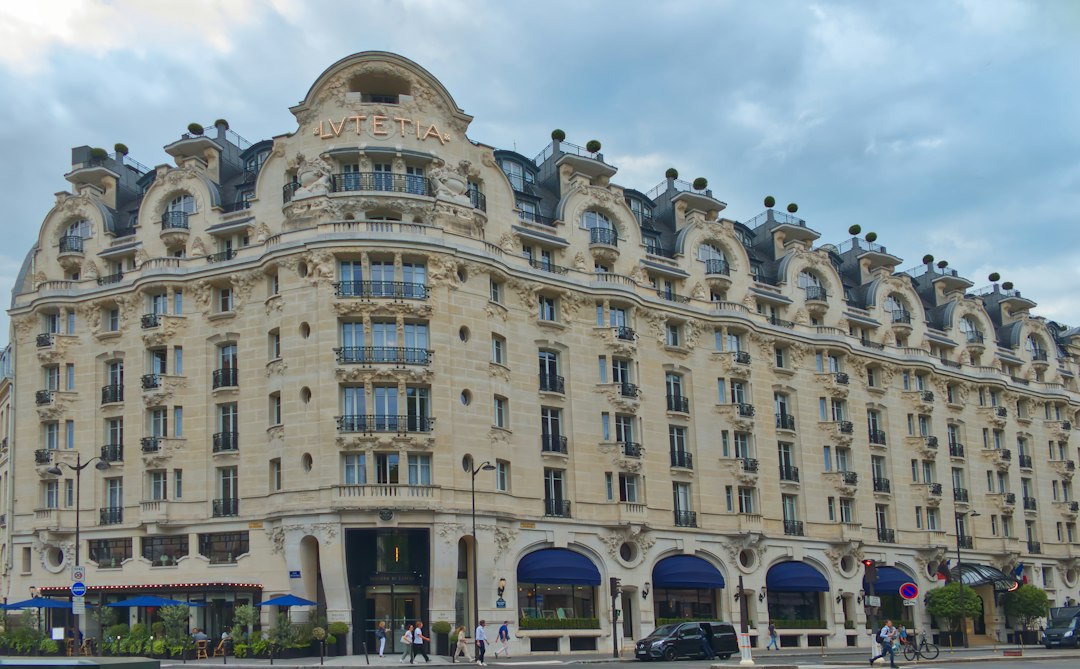
Why Centralized Air Conditioning Is Non-Negotiable in Historic Paris Hotels
Look, I know we all love the charm of a centuries-old Parisian hotel, but let’s be real about the physics of those Haussmann-style limestone buildings. Those thick stone walls are beautiful until you realize they act like giant thermal batteries, absorbing solar radiation all day and dumping that heat back into your room long after the sun goes down. If a hotel isn't using centralized air conditioning, you’re basically sleeping inside a radiator that refuses to shut off. Honestly, it can take up to three days of constant cooling just to get those stones back to a livable temperature once they’ve hit their saturation point. You just can’t fight that kind of thermal mass with a portable fan or an open window.
It gets even worse when you look at the roofline, because those iconic zinc roofs aren't just for show. During a July heatwave, those metal surfaces can hit temperatures over 70 degrees Celsius, turning the attic levels into literal ovens. Combine that with the single-pane glass on those gorgeous floor-to-ceiling windows, and you’ve got a greenhouse effect that no amount of heavy drapery can fix. Plus, those small internal courtyards that look so quaint in photos? They’re actually traps that prevent any real breeze from moving through the building. Without a mechanical system to circulate air, the humidity just hangs there, making the heat feel twice as heavy.
You might wonder why these hotels don't just add a unit to the window like a motel, but that’s where the city’s preservation laws come in. You can’t just bolt machinery onto a historic facade, which is why the best properties invest in complex, hidden water-cooled systems or silent chilled beam technology. These setups aren't just about your comfort, either. They’re actually protecting the building’s gilded moldings and antique wood paneling from the warping effects of high humidity. And let’s not forget the air quality; when the city gets stagnant, you really want a system with proper filtration to pull out the ozone and particulate matter. It’s a massive engineering challenge to retrofit this stuff into load-bearing walls, but trust me, if you’re staying in a historic building this summer, that centralized climate control is the only thing keeping your stay from becoming an endurance test.
How to Verify Hotel Cooling Systems Before You Book
If you’re staring at a booking page, wondering if that classic Parisian hotel will actually keep you cool, it’s time to look past the pretty photos and start thinking like an engineer. Most people just cross their fingers and hope for the best, but I’ve learned the hard way that you really need to scrutinize the technical specs before hitting reserve. First off, keep an eye out for mentions of Variable Refrigerant Volume—or VRV—systems in the property details, as these are lightyears ahead of old-school central chillers when it comes to keeping individual rooms at a steady temperature. If you can, check the hotel’s renovation year, because any facility updated after 2023 is likely meeting much stricter energy efficiency codes that prioritize robust climate control. And honestly, don't be afraid to email the front desk and ask if they maintain indoor relative humidity below 50 percent; it’s a pro move that tells you exactly how well their air handling units are actually performing.
It’s also worth considering the building’s orientation, which is something most travelers totally overlook. You should try to request a room on the north-facing side of the building, where the peak solar heat gain coefficient is naturally lower, keeping you out of the direct blast of the afternoon sun. If you spot a hotel that mentions smart glass technology, jump on it, as those windows automatically tint to block infrared radiation before it even turns your room into a greenhouse. I’ve found that even checking the property’s public permit history can be revealing; if they’ve secured a permit for modern exterior heat exchangers, it’s a solid indicator they’ve gone to great lengths to manage the cooling load despite strict historic building regulations.
But here’s the catch you need to watch out for: motion-activated sensors. They sound fancy and efficient, but they can be an absolute nightmare during a heatwave if the system cuts the power the moment you stop moving to read or sleep. When I’m vetting a place, I also look for signs of high-volume air movement, like acoustic baffles in the ducts, because that’s a clear signal they’ve invested in systems that can actually move air without sounding like a jet engine taking off. Think about it this way—if they’ve bothered to install sound dampening for the airflow, they’ve almost certainly optimized the entire cooling loop for the comfort of the guest rather than just cutting costs. It’s a bit of extra homework, but trust me, knowing these details is the difference between a restful night and a miserable sweat-fest.
Selecting Hotels with Private Gardens or Courtyards for Natural Shade
When you’re looking at hotels in Paris during the summer, a private garden can look like a nice bonus in the brochure, but I like to think of it as a genuine piece of climate-control engineering. You might be surprised to learn that dense, broad-leafed canopy cover can actually pull ambient temperatures down by as much as five degrees Celsius through evapotranspiration. I always look for hotels that prioritize these larger trees over just pretty ornamental shrubs, because that extra leaf surface area does a much better job of intercepting solar radiation before it hits the building. It’s also worth checking if the ground in that garden is covered in gravel or soil instead of light-colored limestone. Believe it or not, that stone can reflect heat and actually negate the cooling benefits of the shade, so you really want those porous, moisture-retaining materials to keep the ground cool.
If you can see the layout of the courtyard, look for a deep and narrow configuration rather than a wide, open space. That geometry gives the area a lower sky view factor, which basically just means the space stays in the shadows for way longer throughout the day. I’ve noticed that when a hotel incorporates vertical greenery on those courtyard walls, it can drop the surface temperature of the facade by up to ten degrees, which is a massive win for keeping your room from heating up. And if there’s a water feature, keep an eye out for moving water. Stagnant pools might look serene, but they often just ramp up the humidity, which is the last thing you want when the city is already feeling sticky.
One final thing I always check is whether the garden layout avoids that "canyon" effect where high walls trap hot air. You want a design that allows for natural cross-ventilation so the air doesn't just sit there getting hotter by the hour. I also keep an eye out for deciduous trees, because they’re honestly the smartest choice for these historic buildings; they provide that thick, necessary shade during the heat of July while still letting in some much-needed warmth once winter rolls back around. It might seem like a lot to analyze, but spotting a high-density canopy—what the pros call a leaf area index of three or higher—is usually a sign that the hotel has really thought through how to create a cooling microclimate in the middle of a dense, hot city.
The Benefit of Staying in Hotels Near Paris’s Coolest Public Parks and Rivers

When you're trying to escape a sweltering July in Paris, where you choose to drop your bags matters way more than just the star rating on the door. I’ve spent enough time walking the city’s hot pavement to know that location acts as your first line of defense against the urban heat island effect. Think about it this way: massive green spaces like the Bois de Boulogne or the Bois de Vincennes aren't just pretty backdrops for a morning stroll, they’re essentially giant thermal sponges. Because these areas are packed with managed grasslands and mature trees, they can keep the surrounding blocks as much as four degrees Celsius cooler than the rest of the city. When you book a hotel within a couple hundred meters of these zones, you’re tapping into that natural air drainage that pushes cooler air into the city center once the sun finally dips below the horizon.
Beyond the parks, you really want to pay attention to how the Seine works as a massive thermal reservoir. It’s not just for boat tours; the river banks act as a natural wind corridor that facilitates a steady breeze, often lowering the ambient temperature along the water by several degrees compared to the dense, stifling streets just a few blocks inland. I’ve noticed that when you’re staying near the river, the localized convective currents help stabilize the air, which makes a world of difference when you're trying to sleep through a heatwave. If you can find a hotel that’s positioned to catch that river breeze, you’re basically getting free, natural air conditioning that keeps your room from hitting those brutal peak heat levels.
Honestly, the real pro move is looking for hotels that lean into the city's recent urban greening strategies, like properties that use greywater recycling to keep vertical gardens lush. These living walls aren't just aesthetic; they’re high-performance cooling layers that stop the building’s limestone facade from soaking up solar radiation like a battery all day. When you combine that with proximity to the city's newer, permeable public plazas, you’re avoiding the radiant heat trapped by traditional asphalt and stone. It’s amazing how much of a difference that shift in surface material makes when you’re walking back to your room at 3 p.m. If you prioritize these spots, you’re not just booking a room; you’re strategically placing yourself in a microclimate that’s actually designed to breathe.
Leveraging Hotel Concierge Services for Last-Minute Heatwave Escapes
When you’re staring down a last-minute trip to Paris during a heatwave, the standard booking process often feels like a complete gamble against the elements. Most of us just hope for the best, but I’ve found that the real secret to staying comfortable isn't found on a travel site—it’s sitting right at the front desk. High-end concierges in the city frequently have direct access to internal building management systems, and they can actually adjust your room’s thermal setpoints before you even set foot in the lobby. I always suggest emailing them ahead of time to request a "preemptive cooling" service, where they can deploy blackout curtains and blast the ventilation two hours before your arrival to purge that stagnant heat. It sounds like a small detail, but it’s the difference between walking into an oven and stepping into a sanctuary.
Think about it this way: these teams often maintain real-time heat maps of their own properties to track which rooms experience the lowest solar gain during those brutal afternoon hours. They know exactly which units are shielded by the building’s own shadow profile—rooms that are almost never listed on public booking engines. You should explicitly ask them to verify the status of the hotel’s heat-exchange maintenance logs, as they can confirm if the cooling loop was serviced within the last six months. It’s a bit of a pro move, but it’s the most reliable way to ensure you aren't stuck with a system that’s wheezing under the strain of the city’s extreme temperatures.
And don't be afraid to lean on their expertise to solve specific problems, like the dreaded motion-activated sensors that cut power the second you stop moving. You can use the concierge as a go-between to have the building engineer override those specific settings, ensuring your AC runs continuously throughout the night. If the room is still feeling a bit heavy, they can often arrange for moisture-wicking linens or phase-change material pads, which are usually hidden away in climate-controlled lockers for guests who know to ask. They can even help you time your arrival or departure to avoid the 2 p.m. to 6 p.m. solar peak when the limestone walls are at their absolute hottest. It’s about being precise with your requests, and honestly, a good concierge will appreciate that you’re treating their building like the complex machine it actually is.
Smart Booking Strategies: Choosing Accommodations with Rooftop Pools and Water Features
When you’re booking a stay in Paris during the peak of summer, a rooftop pool can seem like a luxury, but from a thermal engineering perspective, it’s actually a brilliant piece of climate-control infrastructure. These pools act as massive heat sinks, absorbing solar radiation that would otherwise penetrate the top-floor ceiling slabs and turn your room into a sauna. I always look for hotels with infinity-edge designs because the constant water circulation prevents the formation of a stagnant, heat-trapping surface layer. If you can find a spot with a light-colored or white-tiled pool floor, you’re in luck; those surfaces reflect significant amounts of infrared radiation away from the building, whereas dark-bottomed pools unfortunately store that energy.
It’s also smart to pay attention to the materials surrounding the water, as they play a huge role in your comfort. I’d advise you to steer clear of decks finished in dark slate or asphalt, which hold onto heat well into the night and create a radiant heat source right above your head. Instead, look for properties that use high-albedo materials like light-colored stone or modern composite decking, which can keep surface temperatures up to 20 degrees Celsius cooler than their darker counterparts. If you notice a hotel features water curtains or trickling wall elements, that’s a massive plus because they increase the surface area for evaporative cooling, which is far more efficient at dropping ambient temperatures than a single, still basin of water.
If you’re really digging into the specs, try to verify if the hotel runs its filtration cycles at night. Running pumps during the nocturnal hours allows the water to shed the heat accumulated throughout the day without dumping that energy back into the building’s power load during peak afternoon heat. You should also look for setups where the pool is paired with vegetated roof decks, as the plants provide natural shade for the water while the water keeps the root zone from overheating. I’ve found that hotels with misting systems integrated into the deck offer the best relief, as they use the latent heat of vaporization to drop the air temperature significantly when the mercury hits those uncomfortable 30-degree marks. It’s definitely extra homework, but choosing a room beneath a well-engineered water feature is a total game-changer for surviving a Parisian heatwave.
Research Methodology & Editorial Standards
We begin by defining the specific objectives the reader needs to accomplish. Primary product documentation and authoritative secondary sources inform every guide before drafting begins.
Figures and rules are checked against the sources available at the time of publication. Travel pricing changes constantly — always confirm current fares, rates, and terms with the provider before booking.