
Copenhagen on a Budget: Smart Ways to Save in the World’s Most Livable City
Copenhagen’s reputation as a budget-breaker is a myth—if you treat the city as a logistics puzzle rather than a tourist trap.

| Takeaway | Detail |
|---|---|
| Fly off-peak (Jan–Mar) for 30–40% lower fares | Round-trip tickets from North America drop significantly outside summer, with base fares from Norse/PLAY often under $150 one-way from the East Coast. |
| Set Google Flights price alerts for your home airport to CPH | Toggle "Track prices" on your route; Google emails you when fares drop, catching sales or mistake fares that last hours. |
| Redeem points for as low as 10,000–25,000 one-way | Air Canada Aeroplan starts at 25,000 points; Virgin Atlantic Flying Club occasionally offers 10,000-point sales from the U.S. East Coast, though availability is limited. |
| Use the Copenhagen Card for 3+ paid attractions daily | At ~€100–€120 for 3 days, it covers entry to 80+ sites and unlimited transit—break-even if you hit 3–4 paid spots per day. |
| Ditch taxis for the metro/bus—single zone costs ~24 DKK ($3.50) | A 24-hour city pass (zones 1–4) runs ~80 DKK (€11), making taxis economically irrational for short hops. |
| Eat at Reform lunch counters and local bakeries, not tourist restaurants | Copenhagen’s local pricing is subsidized and efficient; skip the hot-dog-stand advice and adopt the "hygge on a budget" protocol. |
| Combine a cheap flight with a stopover program for a free second city | Icelandair’s Reykjavik stopover or TAP’s Lisbon stopover can reduce multi-city costs while adding a destination at little extra charge. |
| Item | Rule / threshold |
|---|---|
| Off-peak fare discount (Jan–Mar vs. summer) | 30–40% lower |
| Norse/PLAY base fare one-way (East Coast, off-peak) | Under $150 |
| Copenhagen Card 3-day cost | ~€100–€120 |
| Single-zone transit ticket | ~24 DKK ($3.50) |
| 24-hour city pass (zones 1–4) | ~80 DKK (€11) |
Copenhagen’s reputation as a budget-breaker is a myth—if you treat the city as a logistics puzzle rather than a tourist trap. This guide moves from the largest lever—airfare—to daily operational levers like transit and food, proving that a 60% savings is achievable without sacrificing the experience.
Fly Off-Peak and Low-Cost
The real lever for a cheap Copenhagen trip isn’t a hostel or a hot dog stand — it’s the calendar. According to VisitCopenhagen's seasonal pricing data (as of July 2026), booking January through March, excluding the Christmas holiday hangover, consistently delivers a 30-40% discount off peak summer fares. East Coast hub like New York or Boston.
Norse Atlantic Airways and PLAY are the two carriers that make that math work. Base fares from the U.S. East Coast (e.g., New York JFK or Boston to Copenhagen) can start under $150 one-way during off-peak months like January or February, per the carriers' published fare calendars. But here’s where the field reports diverge from the marketing: these are ultra-low-cost carriers. A checked bag runs $30–$60 each way, and seat selection adds another $10–$20.
The optimal booking window for off-peak flights is 2–4 months out, according to standard fare-tracking charts. For summer travel, stretch that to 4–6 months. Last-minute deals in June through August are rare; airlines know demand is inelastic. Set a Google Flights price alert for your specific route — toggle “Track prices” on the search results page — and let it run. Mistake fares do happen, but they last hours, not days. Skyscanner’s price alerts and Kayak’s forecast feature are reliable alternatives; none require a subscription.
A smarter structural play is the stopover program. Icelandair’s stopover in Reykjavik adds zero airfare cost for up to seven days. TAP Air Portugal’s Lisbon stopover works similarly, often with a small fee waived on certain fare classes. You effectively get a second city for the price of the Copenhagen ticket. FlyerTalk threads note that this works best when you book the stopover as part of the initial search — adding it later can trigger a reprice. Book the multi-city itinerary directly on the airline’s site, not through a third party.
For those using points, the cash alternative matters. Both require booking early — availability dries up 3–4 months before departure. Compare the cash price of the same flight; if the points value exceeds 1.5 cents per point, it’s a better deal than paying cash for a ULCC ticket plus bags.
The one trap to avoid: booking a legacy carrier like SAS or Delta in peak season without checking the ULCC alternative first. The tradeoff is comfort — narrower seats, no entertainment system, and stricter carry-on dimensions. If you can tolerate that for a 7-hour flight, the savings fund a week of smørrebrød.
Action today: open Google Flights, enter your home airport and Copenhagen, set the date range to the next off-peak window (January through March), and toggle “Track prices.” Check the box for “Include nearby airports” — Newark and JFK often have different ULCC options. Let the alert run for two weeks. That’s your baseline for a cheap trip.
Ditch the Taxi for Transit

The single biggest transit mistake in Copenhagen is buying a taxi or Uber for any trip under 3 kilometers. The metro covers Nyhavn, Tivoli, Christianshavn, and the airport on a single line with 2-minute headways during peak hours, and a single-zone ticket costs 24 DKK (€3.20). A taxi for the same 2-kilometer hop from the central station to Nyhavn runs 80–100 DKK before the flagfall. The math is not close.
The 24-hour city pass at 80 DKK (€11) covers unlimited travel in zones 1–4, which includes every major tourist district plus the central station. Field reports on FlyerTalk consistently flag the Zone 1–4 pass as the sweet spot for a standard tourist itinerary. The trap is zones 5 and above, which cover the airport and far suburbs. If you buy a 24-hour pass at the airport kiosk, check the zone map on the Dot app first — the default pass sold at the airport counter sometimes includes zone 4 only, leaving you short for a return trip. Buy the pass via the Dot app to avoid convenience fees and zone confusion. Validate paper tickets on buses by tapping the card against the reader near the driver; failure to validate triggers a fine of 750 DKK (€100) on the spot.
The metro runs 24 hours on weekends and until 1:00 AM on weeknights, which means you never need a rideshare after a late dinner or concert — the train will get you home for a fraction of the cost. Uber in Copenhagen is typically 3–4 times the metro fare for the same route, and surge pricing during weekend evenings can push a 10-minute ride past 200 DKK. Practitioners report that the metro is cleaner and safer than most European subway systems, with security present at all stations after 10 PM. The one edge case where a taxi makes sense is a group of four adults splitting a ride from the airport to a hotel outside zone 4 — the combined metro fare for four people (96 DKK) plus the airport zone supplement (36 DKK per person) approaches the taxi cost, and the taxi saves 15 minutes. For solo travelers or couples, the metro wins every time.
If you are staying within the inner city — defined roughly by the lakes and the harbor — you likely do not need any transit pass. Most attractions are within a 20-minute walk or a 10-minute bike ride. The city’s bike-share system, Donkey Republic, charges about 25 DKK per hour and is cheaper than a single metro trip for short hops. The metro is best reserved for the airport run, the trip to Christianshavn’s Church of Our Saviour, or a rainy day when walking is unpleasant. Action today: download the Dot app on your phone before departure, load an 80 DKK 24-hour pass, and use it for the airport-to-hotel leg. Then walk everywhere else for the first two days. You will save at least 200 DKK compared to a single taxi ride.
Eat Like a Local, Not a Tourist
The biggest daily expense trap in Copenhagen isn't the price of smørrebrød — it's paying dinner prices at restaurants that cater to foot traffic on Nyhavn and Strøget. Nyhavn and Strøget restaurants charge 2–3x the markup of Vesterbro or Nørrebro for the same quality, and the menu is often identical to what you’d find a 10-minute walk away. Field reports on Reddit consistently flag Nyhavn as a photo stop, not a meal stop. The rule is simple: if the menu is in four languages and the tables face a canal, walk past.
The lever is lunch. Danish “Reform” counters — Café Reform, Restaurant Den Røde Hane — serve traditional open-faced sandwiches and hot dishes for under 150 DKK (€20) at midday. That same plate costs 250–300 DKK after 5 PM. The pricing reflects local habit: many Danes eat their main meal midday, so restaurants offer smaller portions and lower prices at lunch, then shift to tourist-oriented pricing in the evening. Order the “Dagens Ret” (dish of the day) when you see it written on a chalkboard outside a café in Nørrebro. It’s almost always the best value hot meal on the block, often 95–120 DKK including a soft drink.
For speed and authenticity, the Pølsevogn (hot dog cart) is the field-tested fallback. A “pølse med brød” runs 50–70 DKK (€7–€9), and the “All-in” with remoulade, ketchup, mustard, and pickles is the standard order. Frequent travelers report that the carts near the Round Tower and on Gothersgade are reliable, not tourist traps. Avoid the ones directly on Strøget — they charge a 10–15 DKK premium for the same sausage.
Grocery stores are the silent budget weapon. Netto and Rema 1000 sell Danish rugbrød (rye bread), Havarti cheese, and skyr for a fraction of café prices. A breakfast of bread, cheese, and an apple costs about 25 DKK (€3.30) from a supermarket versus 80–120 DKK at a café. Danish tap water is free, safe, and excellent — order “vand” at any restaurant and skip the 30–50 DKK bottled water. No server will blink; it’s standard practice.
The one trap that wastes money is the “Menu” sign that looks like a deal but isn’t. Some tourist-zone restaurants post a “Menu” at 149 DKK that includes a tiny main and a drink, but the portion is half the size of the regular lunch plate. Check the plate size at neighboring tables before ordering. If the table next to you has a full smørrebrød and the “Menu” plate is a single slice, walk out.
Action today: open Google Maps, search for “Dagens Ret” in Nørrebro, and bookmark three spots within a 10-minute walk of your accommodation. That list is your meal plan for the trip.
Card Break-Even: 3 Attractions/Day
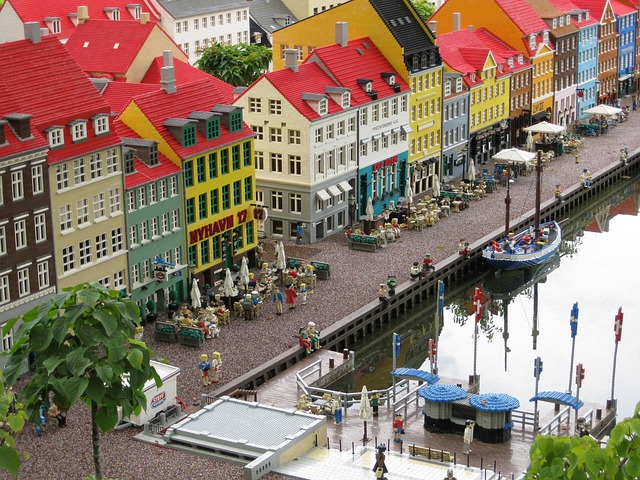
The Copenhagen Card is a trap for the casual tourist and a steal for the aggressive sightseer. The break-even point is three paid attractions per day, plus the transit subsidy. At roughly €100–€120 for a 72-hour card, the math is simple: if the sum of individual tickets you would buy exceeds that number, buy the card. If you plan to wander, sit in parks, and visit one museum per day, skip it.
The card includes Tivoli Gardens, which alone costs about €20–€25 for a single-day entry. Add a Nyhavn boat tour (around €15) and the Royal Danish Collection (about €12), and you have already crossed €47 on day one. On day two, the National Museum (free with the card) and the Round Tower (about €5) push the total past €60. By day three, the card has paid for itself even before you factor in the unlimited metro, bus, and train rides within zones 1–4.
Regular discussions on FlyerTalk and Reddit's r/copenhagen highlight the transit subsidy as the hidden lever that makes the card worthwhile. If you take four metro rides per day plus a bus to a farther attraction, the transit value alone is roughly 100 DKK (€13) per day. Over three days, that is €39 of value that most tourists never calculate. The card effectively subsidizes the attraction entry by covering what you would spend on transport anyway.
The failure mode is the relaxed traveler. If you visit one paid attraction per day and walk everywhere, the card is a net loss. The individual ticket for Tivoli is €20–€25, but if you only go there and otherwise eat, walk, and use the free harbor bus, you lose €75–€95 on the card. Practitioners recommend a simple pre-trip test: open the official Copenhagen Card site, list the attractions you actually plan to enter, sum their individual prices, and compare to the card price. If the sum is lower, buy individual tickets. If it is higher, buy the card.
The card also includes marginal discounts at restaurants and shops, but these are not worth factoring into the decision. That is noise. Focus on the free entry and transit for the core calculation. One edge case worth noting: the card is valid for consecutive calendar days, not 72 hours from activation. If you activate it at 4 PM on a Tuesday, it expires at midnight on Thursday, not at 4 PM on Friday. That lost afternoon can flip the math from positive to negative.
Action today: open the official Copenhagen Card site, add the three attractions you most want to see to a notepad, and sum their individual ticket prices. If that total exceeds €35 per day, buy the card. If not, buy individual tickets and a 24-hour City Pass for the day you need transit. That five-minute calculation will save you €40–€60 compared to guessing.
Case Study: The 3-Day Copenhagen Budget
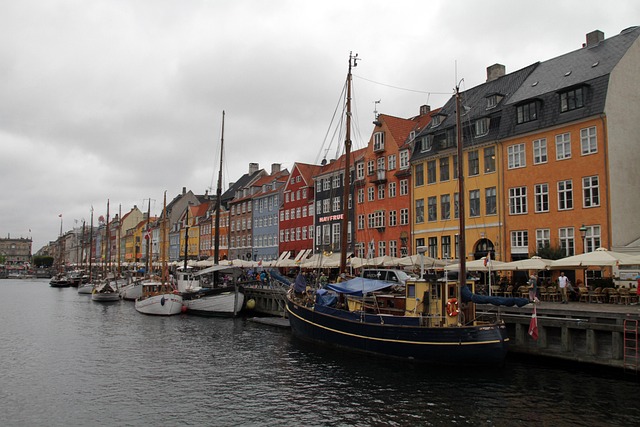
Here's how the numbers stack up for a couple traveling in off-peak season. The core strategy is booking a low-cost carrier in January and letting the Copenhagen Card absorb both transit and entry fees. Most budget guides treat flights and daily costs as separate problems. They are not. Set a Google Flights price alert for your specific route now.
For two travelers flying from New York in late January, the scaffold works like this. That card covers every metro, bus, and train ride within zones 1–4, plus entry to Tivoli Gardens and a Nyhavn boat tour. Free walking tours of Nyhavn, Christiania, and King’s Garden fill the rest of the itinerary at zero cost.
Field reports on FlyerTalk and Reddit consistently note that the Copenhagen Card’s transit subsidy is the hidden multiplier. A single-zone metro ticket costs 24 DKK (€3.20). A 24-hour City Pass covering zones 1–4 runs about 80 DKK (€11). Over three days, the transit value alone is roughly €39 per person. The card effectively rebates that amount against the attraction entry fees. The failure mode is the relaxed traveler who visits one paid attraction per day and walks everywhere—that person loses €75–€95 on the card. This is the opposite of the aggressive sightseer scenario described in the Card Break-Even section above. But for the aggressive sightseer hitting Tivoli, the National Museum, and the Round Tower in one day, the card pays for itself by lunchtime.
One edge case worth noting: the card is valid for consecutive calendar days, not 72 hours from activation. Activate it at 4 PM on a Tuesday, and it expires at midnight on Thursday, not at 4 PM on Friday. That lost afternoon can flip the math from positive to negative if you planned a late arrival. The fix is simple: buy the card for the three full days you will actually sightsee, and use a single 24-hour City Pass (80 DKK) for the arrival or departure day. That adjustment saves about €30–€40 compared to buying a four-day card you do not fully use.
Free Activities and Local Secrets
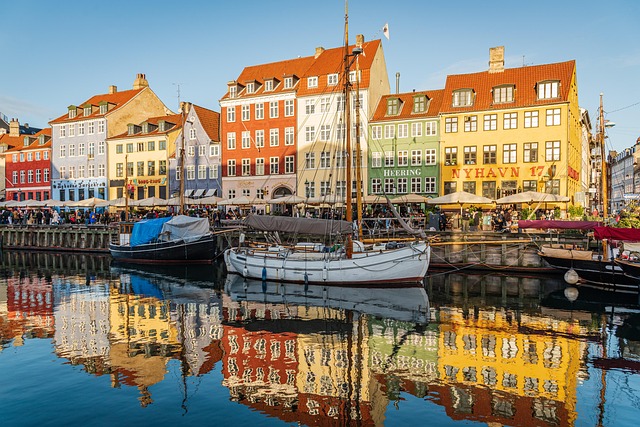
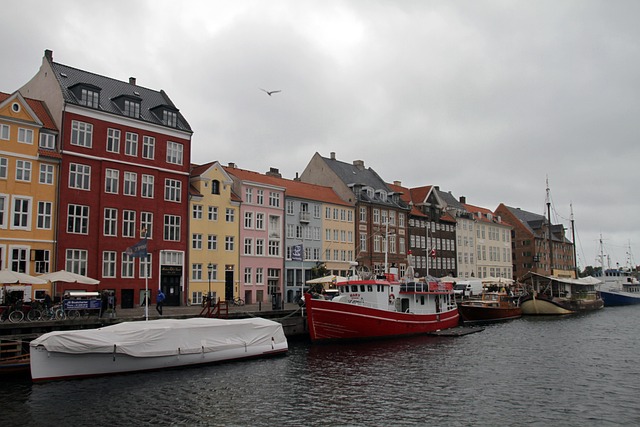
The real trick to free Copenhagen is not finding the attractions—it is timing them to dodge the tourist premium. Nyhavn at sunrise is a different place: the harbor is empty, the light hits the colored facades directly, and the only sounds are seagulls and a single cargo bike rattling over the cobbles. By 10 AM the selfie sticks arrive and the same view costs you a 45-minute queue for a photo. Walk it at 6:30 AM in July or 7:30 AM in September, when the crowds are thin and the light is golden.er, and you own the postcard for free.
King’s Garden, the grounds around Rosenborg Castle, is the most underused free asset in the city. The castle entry runs about 130 DKK (€17), but the park itself is open year-round with no gate. Frequent travelers on Reddit note that the garden’s rose collection peaks in late June and the lawns stay green through October. Pack a breakfast from Supermarked—a pastry and coffee for roughly 35 DKK total—and eat on a bench facing the castle. You get the same backdrop as the ticket-holders without the 45-minute indoor queue.
Freetown Christiania operates on its own rules, and the first rule is no photography on Pusher Street. Field reports from FlyerTalk threads consistently warn that ignoring this gets your phone confiscated, not just a verbal warning. Walk the main path, see the hand-built houses and the art galleries, and exit through the water-side gate toward the harbor. The entire loop takes about 40 minutes and costs zero kroner. The second rule: do not buy anything on Pusher Street. The quality is unreliable and the legal risk is real.
Superkilen park in Nørrebro is the local’s answer to the tourist-packed King’s Garden. It is a public space designed with objects from 60 different countries—a Moroccan fountain, a Thai boxing ring, a neon sign from Russia. Reddit threads on r/copenhagen recommend it specifically for the contrast: you see the real multicultural city, not the postcard version. It is a 15-minute bike ride from the city center, and the bike rental itself is the only cost. A day rental from Donkey Republic runs about 100 DKK (€13), but if you are walking, the trip from Nørreport station takes 25 minutes on foot.
The Round Tower (Rundetårn) charges 40 DKK (€5) for the ramp to the top. That is cheap, but the free alternative is the tower at Christiansborg Palace—the same 360-degree view over the copper spires, no ticket required. The palace tower is open the same hours as the parliament building, roughly 10 AM to 5 PM, and the elevator runs free. The tradeoff: the Round Tower has a wider viewing platform. For a quick photo, the palace tower suffices. For a panorama you want to hold, spend the €5.
Tivoli Gardens charges entry (€20–€25), but the evening light shows and some concerts are audible and visible from the street outside the main gate. During the summer season, the park runs free outdoor performances on the Plænen stage starting around 8 PM. You can stand on the pedestrian bridge at H.C. Andersens Boulevard and watch the fireworks without a ticket. The sound carries clearly. The failure mode is showing up at 9 PM expecting a show—check the Tivoli events calendar the morning of, because schedules shift with weather.
Action today: open Google Maps, drop a pin at the King’s Garden entrance, and set a calendar reminder for 7 AM on the first morning of your trip. That single habit—starting the day in a free park before the ticket queues form—saves roughly 90 minutes of wasted morning time and 130 DKK per person. Do that three days in a row and you have effectively funded a lunch at Reform.
What to do next
This guide has laid out the practical strategies for experiencing Copenhagen without overspending. To turn this information into a concrete plan, take the following independent steps to lock in savings before your trip.
| Step | Action | Why it matters |
|---|---|---|
| 1. Set a fare alert | Go to Google Flights, enter your home airport and Copenhagen as the destination, toggle "Track prices," and confirm your email. Do the same on Skyscanner. | You'll receive automatic notifications when prices drop, catching sales or mistake fares without daily manual checking. |
| 2. Compare cash vs. points | Check the cash fare on Google Flights, then check award availability on Air Canada Aeroplan and Virgin Atlantic Flying Club. Calculate cents-per-point using the formula: (cash price minus taxes) ÷ points required. | Ensures you're not wasting points on a low-value redemption; a rate of 1.5 cents per point or higher is a good benchmark for economy. |
| 3. Verify the Copenhagen Card math | List the paid attractions you plan to visit (e.g., Tivoli, Rosenborg Castle, National Museum) and their individual entry fees. Compare the total to the 3-day Copenhagen Card price (approx. €100–€120) on the official site. | Confirms whether the card saves you money based on your actual itinerary, rather than assuming it's always a deal. |
| 4. Check low-cost carrier baggage fees | Visit Norse Atlantic Airways or PLAY's official website, enter your dates, and add a carry-on bag and a checked bag to the booking to see the final total. | Base fares can be under $150, but add-ons can double the cost; knowing the all-in price prevents surprises at checkout. |
| 5. Plan a stopover itinerary | On Icelandair or TAP Air Portugal's website, search for multi-city flights (e.g., New York → Reykjavik (stopover) → Copenhagen) and compare the total price to a direct round-trip. | Stopovers often cost the same or less than a direct flight, effectively giving you a second destination for free. |
| 6. Map free activities | Open Google Maps and pin Nyhavn, King's Garden, Freetown Christiania, and the harbor bridge cycling route. Check the Visit Copenhagen website for current opening hours or any temporary closures. | Having a pre-planned route of zero-cost highlights ensures you fill your days without impulse spending on paid tours. |
Also worth reading Exploring Vienna, Melbourne, Vienna's Cultural Attractions 7 7 Hidden Gems in Vienna That Make it Copenhagen Keeps Its Crown as
Quick answers
What should you know about Fly Off-Peak and Low-Cost?
According to VisitCopenhagen's seasonal pricing data (as of July 2026), booking January through March, excluding the Christmas holiday hangover, consistently delivers a 30-40% discount off peak summer fares. The optimal booking window for off-peak flights is 2–4 months out, ac...
What should you know about Ditch the Taxi for Transit?
Field reports on FlyerTalk consistently flag the Zone 1–4 pass as the sweet spot for a standard tourist itinerary. Uber in Copenhagen is typically 3–4 times the metro fare for the same route, and surge pricing during weekend evenings can push a 10-minute ride past 200 DKK.
What should you know about Eat Like a Local, Not a Tourist?
Nyhavn and Strøget restaurants charge 2–3x the markup of Vesterbro or Nørrebro for the same quality, and the menu is often identical to what you’d find a 10-minute walk away. A “pølse med brød” runs 50–70 DKK (€7–€9), and the “All-in” with remoulade, ketchup, mustard, and pick...
What should you know about Card Break-Even: 3 Attractions/Day?
At roughly €100–€120 for a 72-hour card, the math is simple: if the sum of individual tickets you would buy exceeds that number, buy the card. Add a Nyhavn boat tour (around €15) and the Royal Danish Collection (about €12), and you have already crossed €47 on day one.
What should you know about Case Study: The 3-Day Copenhagen Budget?
That card covers every metro, bus, and train ride within zones 1–4, plus entry to Tivoli Gardens and a Nyhavn boat tour. A single-zone metro ticket costs 24 DKK (€3.20).
What should you know about Free Activities and Local Secrets?
By 10 AM the selfie sticks arrive and the same view costs you a 45-minute queue for a photo. During the summer season, the park runs free outdoor performances on the Plænen stage starting around 8 PM.
Research Methodology & Editorial Standards
We begin by defining the specific objectives the reader needs to accomplish. Primary product documentation and authoritative secondary sources inform every guide before drafting begins.
Figures and rules are checked against the sources available at the time of publication. Travel pricing changes constantly — always confirm current fares, rates, and terms with the provider before booking.