
Why This Iconic Los Angeles Trail Is The Ultimate Destination For The Summer Solstice
When you’re looking at the calendar, you really have to consider why the summer solstice is more than just a date on the wall for us hikers in L.
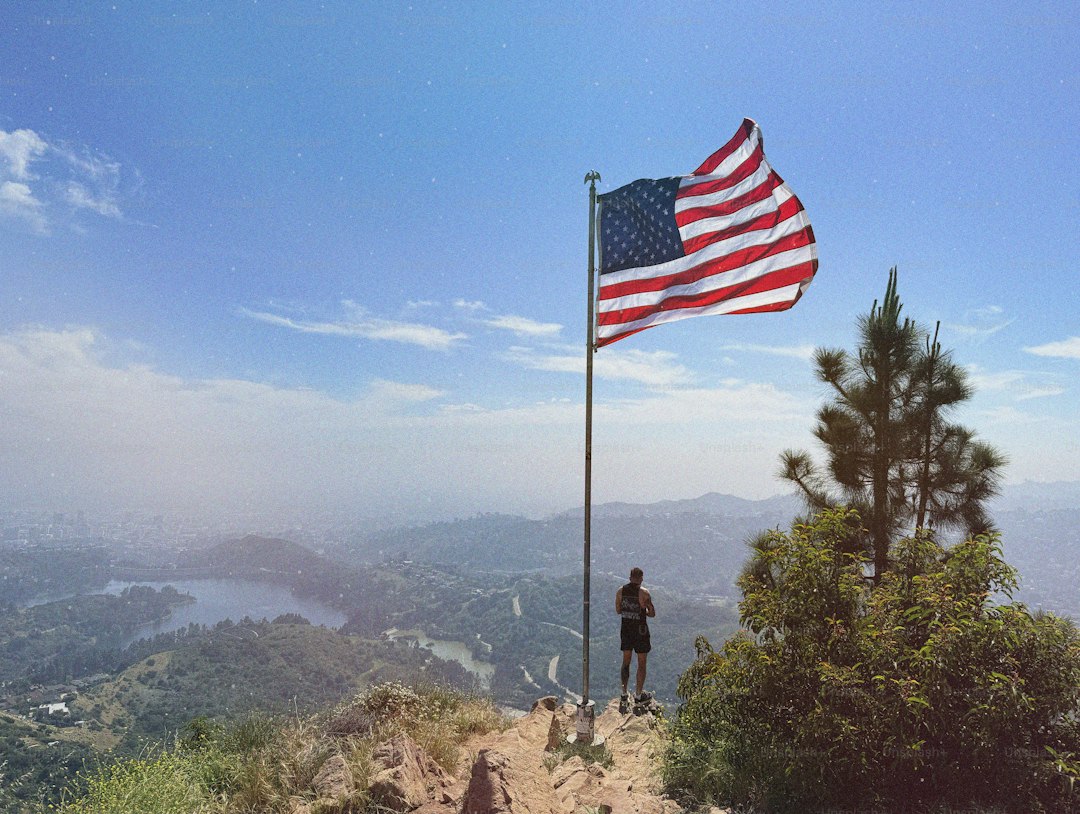
Why the Summer Solstice is the Peak Time to Experience L.A. Trails
When you’re looking at the calendar, you really have to consider why the summer solstice is more than just a date on the wall for us hikers in L.A. It’s honestly the only time of year where the sun hits that peak 79-degree angle, which completely changes how the Santa Monica Mountains look underfoot. You get nearly 14 and a half hours of daylight, giving you a massive window to tackle those longer ridges that usually feel impossible to finish before dusk. I’ve found that because the sun is sitting so high, those deep canyons that are usually swallowed by shadows in the winter suddenly reveal all their hidden rock strata and geological details. It’s like the trail is finally showing you its full anatomy, and if you’re a fan of photography or just want to actually see where you're stepping, this is your moment.
But here’s the trade-off you need to be ready for. Because that solar intensity is at its absolute annual max, you’re dealing with serious heat—we’re talking surface temperatures on exposed trails that can easily climb north of 130 degrees Fahrenheit. It’s wild, but that same heat actually helps burn off the marine layer way faster than usual, giving you that crystal-clear, panoramic visibility over the entire basin that you just don't get in the gloomier months. I always suggest timing your climb for the early morning because the local wildlife, like the Western fence lizards, are already shifting their schedules to beat that midday solar zenith. You’ll notice the coastal scrub looks different too, as the specific light scattering really makes the blue-green pigments of the sagebrush pop against the dry earth.
Also, think about the wind patterns; the Pacific High pressure system typically locks in around this time, which means those high-altitude ridge hikes become much more predictable and stable. You get this unique phenomenon where thermal updrafts keep moving well into the evening, which is the perfect setup if you want to watch the raptors soaring as the sun dips toward the horizon. And because the sun is setting at its most northerly point, you get a completely different perspective looking out toward Santa Monica Bay than you would at any other time of the year. I’m not saying it’s the easiest day to be out there, but if you’re prepared for the heat, it’s arguably the most visually rewarding, high-visibility day you’ll find in the local mountains all year.
Navigating the Terrain: What Makes This Iconic Hike Unique
Navigating this specific stretch of the Santa Monica Mountains requires a bit more than just a sturdy pair of boots, and frankly, it’s the geology that makes it stand out from any other hike in the basin. You’ll notice the trail’s soil has become impressively compacted from years of heavy foot traffic, creating a non-porous surface that turns simple summer monsoonal rain into surprisingly fast runoff. If you look closely at the sandstone, you’ll spot that iconic honeycomb weathering known as tafoni, which really pops when the solstice sun hits the rock faces at that perfect, low-angle oblique. The way the light catches the trail dust often creates this subtle, hazy Tyndall effect during the early dawn hours that you just don't see elsewhere. It’s a fascinating, high-contrast environment where the ground itself feels like it has a memory of the Pacific floor, evidenced by the tiny fragments of ancient marine shells embedded in the limestone along the ridgeline.
And then there’s the way the trail physically interacts with the weather, which honestly surprised me the first time I really paid attention. The corridor acts like a natural wind tunnel thanks to the venturi effect; when air gets squeezed through these narrow canyons, wind speeds can jump by fifteen miles per hour compared to the ridges just a few hundred yards away. You’ll also want to keep an eye on your navigation here, because the local magnetic declination sits at about 12 degrees east. This is a big deal if you’re relying on a compass, especially since the steep, metallic-rich canyon walls have a habit of bouncing GPS signals around like a pinball machine. I always tell friends that if you're going to get technical with your map work, this is exactly the kind of terrain that demands you actually understand your gear.
But the most incredible part is how the landscape survives the intense heat we get this time of year. Those deep-reaching chaparral roots can dig down twenty feet to pull water from subterranean pockets, keeping the plants hydrated even when the surface feels like a furnace. Meanwhile, the high silica content in the metamorphic rocks acts like a thermal battery, holding onto the day's warmth and creating a microclimate that stays cozy for hours after the sun goes down. If you catch the canyon at the right moment, the acoustic properties are wild too, as the summer silence lets sound travel three times further than it would in the muffled, damp winter. It’s a true biodiversity hotspot where coastal and inland species overlap, and knowing that you're walking through a space defined by such specific biological and geological markers honestly changes the whole experience for me.
Timing Your Trek: Maximizing Daylight on the Longest Day of the Year
When you’re planning to tackle a long-distance trek on the summer solstice, you’re essentially working with a massive, albeit deceptive, window of opportunity. Atmospheric refraction actually makes the sun appear slightly higher than its geometric position, which grants you a few extra minutes of light that you wouldn't otherwise account for on a standard map. Because the Earth hits its slowest orbital speed this time of year, that day length remains remarkably stable for several days, giving you a bit of a buffer if the weather forces you to shift your plans by twenty-four hours. Just keep in mind that the solar zenith hits its peak so directly that shadows in the canyons almost vanish, which can mess with your depth perception when you’re trying to navigate rocky or uneven terrain.
You really have to watch the UV index, as it spikes to extreme levels well before the midday heat settles in. That intense solar energy creates a localized pressure differential that triggers the sea breeze front earlier than usual, which is a lifesaver because it pushes cooler, moist air inland to keep the higher elevations from becoming completely unbearable. It’s a fascinating dynamic where the sun’s northernmost declination reaches deep into north-facing slopes, illuminating plants that typically stay in the dark all year. You’ll notice the light scatters differently too, creating that persistent twilight glow that keeps the ridgelines visible long after the sun has technically dipped below the horizon.
Think about the way the ground itself reacts to all that energy. The high silica content in the rocks absorbs that direct radiation and starts emitting long-wave infrared heat, which creates that classic, shimmering distortion you see when looking out across a long vista. It’s also worth noting that the air density changes under this much heat, which somehow makes the trail acoustics sharper; you might catch the sound of wildlife movements that are usually masked by the denser, cooler air we see in winter. If you’re pushing for extra miles, take advantage of the fact that astronomical twilight lasts so much longer now, leaving you a generous window for post-sunset navigation without needing to fumble with a headlamp. It’s honestly the best time to see the trail’s true colors, provided you’re smart about managing that early morning start.
Essential Gear and Safety Tips for Solstice Hiking in Southern California
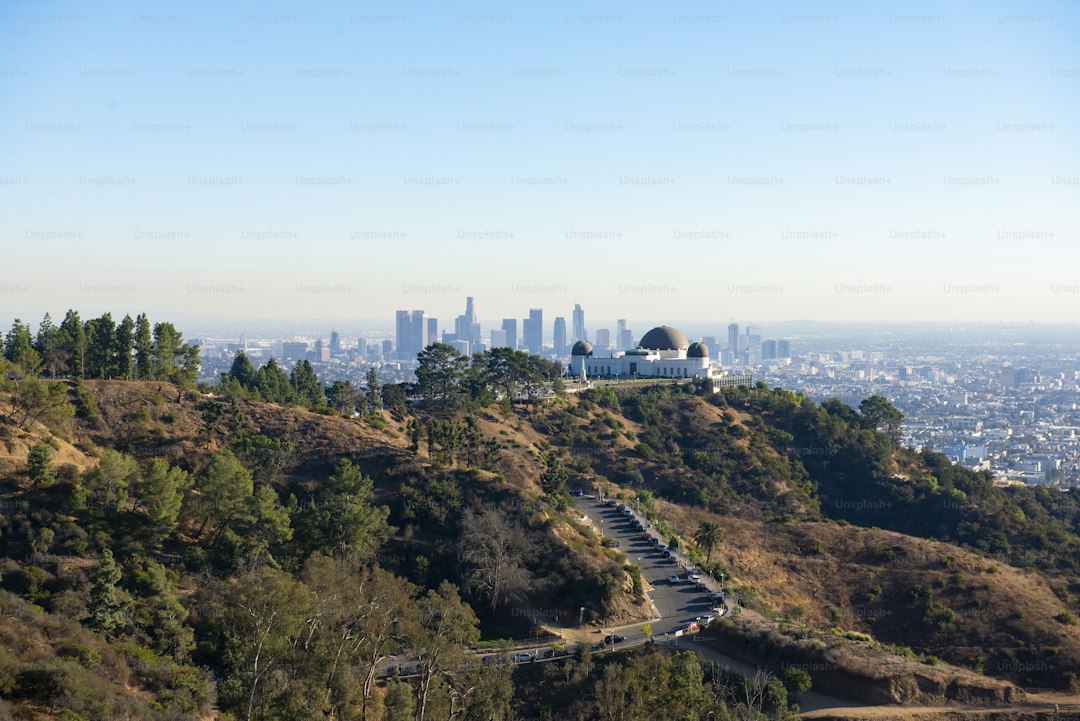
When you’re prepping for a solstice trek, you have to treat your gear like a survival kit rather than just standard hiking supplies. Honestly, the most important move you can make is swapping out your regular cotton tees for shirts with a UPF 50+ rating, as they’ll block roughly 98 percent of those intense UV rays hitting the Santa Monica ridgelines. I’ve found that sticking to synthetic, moisture-wicking fabrics is a game changer; they dry fast enough to keep your body temperature stable, which is a major win when you’re pushing through that dry, scorching canyon air. And don’t even think about skipping a wide-brimmed hat—aim for at least three inches of coverage—because that extra shade for your ears and neck is the only thing standing between you and a nasty burn from the sun reflecting off the light-colored rock.
When it comes to your skin, I’m a huge advocate for mineral-based sunscreens featuring zinc oxide or titanium dioxide. These create a physical barrier that just holds up way better against the extreme UV index we see in late June compared to chemical alternatives. You should also be packing at least three liters of water, and keep it in an insulated reservoir; trust me, the way those silica-heavy rocks radiate heat makes the air feel much hotter than what your weather app is telling you. If you’re like me and tend to get a bit shaky on loose, sun-baked scree, trekking poles are non-negotiable for distributing your weight and saving your ankles from those sudden, awkward rolls.
It’s also worth keeping a few specific, often-overlooked items in your pack to handle the unique physics of the solstice. I always carry an emergency signaling mirror because, with the sun at its absolute zenith, those reflections are incredibly easy for search teams to spot against the exposed ridgelines. Don't forget polarized sunglasses with a high light transmission rating; they’re the only way to cut through the intense, metallic-looking glare bouncing off the canyon walls. I also swear by electrolyte tabs, since the solar radiation forces you to dump minerals through sweat much faster than you’d expect, and a cooling neck gaiter that you can soak in water will provide a much-needed micro-climate effect against your pulse points.
Finally, treat your navigation with the respect it deserves, because those metallic-rich canyon walls are notorious for bouncing GPS signals around like a pinball. You really need a device with pre-loaded, offline maps to account for the local magnetic declination, or you might end up way off-trail. And here’s a small detail that’s saved my snacks more than once: store your energy gels in an insulated sleeve. Otherwise, the radiant heat from the ground will turn them into a messy, melted soup before you’re even halfway through your climb. It sounds like a lot, but when you’re out there in the heat, having the right tech and gear turns a grueling slog into something you can actually manage and enjoy.
Capturing the Golden Hour: Best Photo Spots Along the Route
If you’re planning on hitting the trail for the solstice, you’ve got to appreciate that the golden hour here doesn't just happen; it lasts nearly 20 percent longer than it does in winter because of that shallow, oblique angle of the sun’s descent. You’ll notice the Rayleigh scattering effect is seriously intensified by the high atmospheric moisture common in coastal air, which creates a rich, atmospheric quality for your shots. I’ve found that the local sedimentary rock is a secret weapon here, as its specific albedo reflects about 35 percent of incoming solar radiation, acting like a built-in fill light that softens those typically harsh canyon shadows. Your camera sensors are going to pick up a warmer 2800 Kelvin color temperature as the sun dips low, so expect those reds and oranges to really pop.
Honestly, the best way to handle this is to watch for the late-afternoon thermal activity; it kicks up enough particulate matter to act as a natural diffusion filter, which is a massive help for getting that perfect depth of field in your wide-angle landscapes. If you get lucky and a coastal fog bank rolls in, don't pack your gear away—it acts like a giant softbox, turning the entire basin into a professional studio environment. Because this is the longest day, the sun hits its peak declination, finally lighting up those deep, north-facing alcoves that are usually lost in darkness for the rest of the year. If you’re really tracking the math, you can spot the exact solar zenith by watching the shadows on the flat ridge sections; they basically vanish right before your eyes.
When it comes to getting that shot, I’d suggest being ready around 7:30 PM when the high-altitude winds finally stabilize, giving you the calm air you need for long-exposure tripod work without the annoying risk of camera shake. Since the sun sets at its absolute northernmost point, it hits the western slopes at a perfect perpendicular angle, which is huge for saturating the blue-green pigments of the local flora. Just a heads up, though: digital cameras can really struggle with the massive dynamic range of these views, so I’d strongly recommend packing a graduated neutral density filter to keep your highlights from clipping against the bright Pacific horizon. It’s worth the extra weight in your pack, especially since the ionized air particles from all that June radiation actually seem to sharpen the clarity of distant coastal landmarks, making for some truly incredible high-resolution captures.
Post-Hike Recovery: Where to Cool Down After Your Solstice Adventure
Once you finally crest that last ridge and the adrenaline of the solstice climb starts to fade, your priority has to shift immediately toward managing your body’s intense thermal load. Honestly, don't make the mistake of jumping into a hot shower right away; the sudden heat can trigger vasodilation, leaving you feeling lightheaded and even more overheated than when you started. Instead, I’ve found that placing a damp, cold cloth on your carotid arteries or pulse points acts like a radiator, using your own circulatory system to drop your internal temperature before it hits your vital organs. You’re essentially resetting your thermal set point, which can stay elevated for up to two hours after a high-heat trek. It’s a simple fix, but it makes a massive difference in how you’ll feel once you’re back in the car.
If you’re really looking to speed up recovery, think about shifting your hydration strategy as well. Plain water just doesn't cut it when you’ve been sweating out minerals for hours under the summer sun. You’ll want a solution that packs both sodium and glucose, which actually accelerates fluid absorption in the small intestine nearly three times faster than water alone. Pair that with some magnesium-rich snacks like almonds or a banana, and you’ll go a long way toward stopping those nasty post-hike cramps. I also always make time to elevate my legs above my heart for about fifteen minutes; it uses gravity to help with venous return, which is honestly the best way to handle the swelling and inflammation that usually hits after a long day on the trails.
And let’s talk about that lingering muscle tension, especially in your hips and psoas, which take a beating on our steep local grades. After a trek like this, those muscles are typically stuck in a shortened, contracted state, so spending time on active recovery—like a slow, ten-minute walk on flat, shaded ground—is far more effective than just collapsing into a chair. If you can manage a cold immersion soak in water between 50 and 59 degrees Fahrenheit, you’re basically fast-tracking your recovery by flushing out metabolic waste and constricting those peripheral blood vessels. It’s a bit of a jolt, sure, but it’s the gold standard for reducing delayed onset muscle soreness. Finally, try some deep, diaphragmatic breathing to kick in your parasympathetic nervous system; it helps your body move out of that high-alert, fight-or-flight mode and into a proper, restorative rest state before you even leave the trailhead.
Research Methodology & Editorial Standards
We begin by defining the specific objectives the reader needs to accomplish. Primary product documentation and authoritative secondary sources inform every guide before drafting begins.
Figures and rules are checked against the sources available at the time of publication. Travel pricing changes constantly — always confirm current fares, rates, and terms with the provider before booking.