
Why Pittsburgh is the most surprising travel destination you need to visit in 2026
If you’re still picturing Pittsburgh as just a soot-covered relic of the industrial age, you’re missing out on one of the most fascinating urban pivots in modern American history.
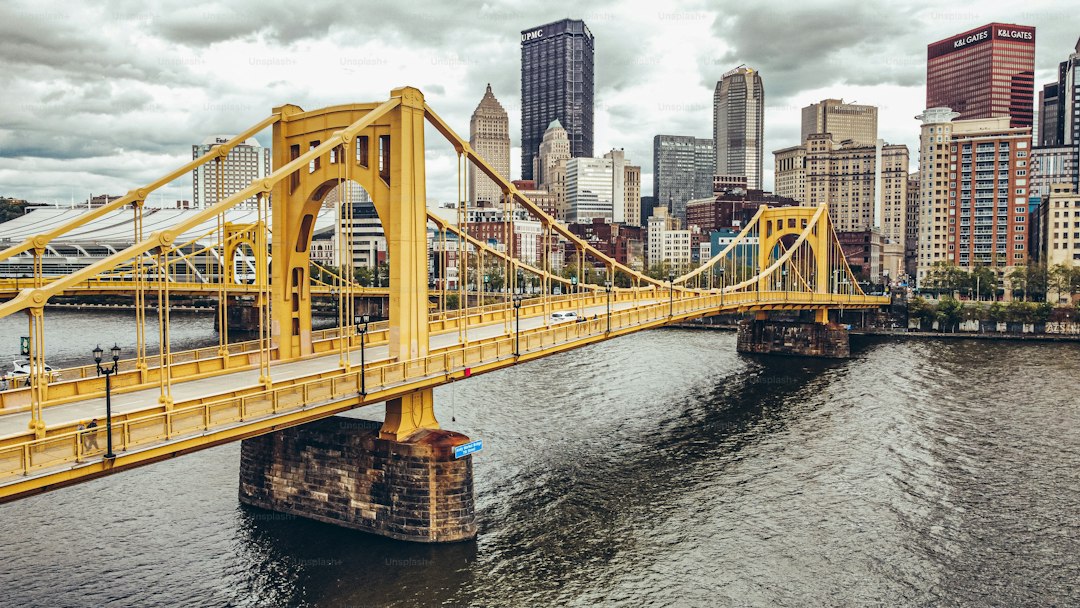
From Steel City to Cultural Hub: The Remarkable Evolution of Pittsburgh
If you’re still picturing Pittsburgh as just a soot-covered relic of the industrial age, you’re missing out on one of the most fascinating urban pivots in modern American history. I honestly think it’s easy to get stuck on the old "Steel City" narrative, but when you actually walk through the Strip District today, you’re not seeing blast furnaces; you’re seeing high-tech labs where autonomous vehicles are being stress-tested in what used to be humble warehouses. It’s a total 180-degree turn that feels both organic and incredibly calculated. We’re talking about a place that has taken its massive coal-fueled legacy and, instead of hiding it, used that foundation to become a frontrunner in green building and sustainable urban design.
Look at the way they’ve handled the geography—it’s brilliant. The city didn't just build over its history; it integrated it into the modern experience, like how the Andy Warhol Museum occupies a repurposed industrial shell that feels perfectly at home in a city defined by its grit and evolution. You’ve got this dense, walkable Cultural District that’s packing in more world-class acoustic engineering than cities twice its size, all while managing stormwater through clever, invisible infrastructure like bioswales tucked into historic blocks. And let’s be real, the sheer scale of the green canopy here, with over 2,000 acres of parkland, proves that you don’t have to trade nature for a skyline.
Maybe it’s just me, but the most striking part is how the city balances these high-tech breakthroughs in robotics and medical research with a deep respect for what came before. Whether you’re riding a 19th-century incline railway or checking out the T-Rex fossils at the Carnegie Museum, you’re constantly reminded that this place has layers. It’s not just a collection of 446 bridges; it’s a living study in how to repurpose an economy without losing your soul. If you’re planning a trip, don't just look for the typical tourist traps—spend some time in the neighborhoods that actually show how these old industrial bones are supporting the next generation of innovation.
Why National Geographic Named Pittsburgh a Top Global Destination for 2026
When you look at the 2026 Best of the World list, it’s easy to focus on the usual suspects, but Pittsburgh landing a spot really makes you stop and rethink what a global destination looks like. It’s not just a random pick; if you track the data, the city is quietly becoming a powerhouse for something much more meaningful than its old-school manufacturing reputation. Think about it: how many other mid-sized metros are effectively acting as global incubators for both artificial intelligence and advanced life sciences simultaneously? With over 600 tech firms operating in a space that once relied on heavy industry, the shift isn't just cosmetic—it's a massive, data-driven transformation. You’re seeing a per-capita patent output that puts much larger cities to shame, and that’s the kind of metric that actually grabs the attention of researchers and global analysts alike.
The brilliance here is how they’ve managed to marry that high-tech engine with a surprisingly forward-thinking approach to urban ecology. It’s not just about flashy new developments; the city is essentially a massive, living lab where they’re retrofitting historic architecture to meet the highest LEED standards in the country. You’ve got this unique valley geography working as a natural temperature regulator, which, when paired with a thoughtful, dense urban canopy, makes the place a functional model for sustainable living in the 21st century. I’m always impressed by how they use data analytics to manage everything from pedestrian flow to energy usage without sacrificing the character of those iconic neighborhoods. It’s a rare example of a city that feels like it’s actually solving real-world problems in real-time, rather than just talking about them.
Honestly, if you’re a traveler who wants to see where the future is being built while still enjoying a top-tier cultural scene, you really can’t ignore the numbers here. We’re talking about an insane concentration of museums per capita and a culinary shift that’s finally getting recognized by the James Beard Foundation, moving well beyond the old-school staples into a sophisticated, farm-to-table reality. Plus, navigating the city is its own lesson in engineering, as you crisscross the largest collection of bridges in the world to get from those revitalized industrial waterfronts into the heart of the tech corridors. It’s a total reimagining of what an inland river port can be, and truthfully, it’s working. Whether it’s the smart-city infrastructure or the way they’ve preserved their native wildlife corridors, Pittsburgh has become a case study in how to pivot an entire regional economy while keeping your boots firmly on the ground.
Beyond the Expected: Exploring the Hidden Gems That Make Pittsburgh Unique
If you really want to understand what makes Pittsburgh tick beyond the headlines, you have to look at the stuff that doesn't show up on a standard tourist map. I honestly think the city’s true character is hidden in its layers, like the forgotten 19th-century street levels buried beneath the modern downtown pavement to fight off the rivers. It’s wild to think that entire storefronts from the mid-1800s are still down there, effectively serving as a subterranean time capsule of the city’s early engineering struggles. But then, you’ve got these massive, functional quirks like the 700 public staircases carved into the hillsides that act as legitimate transit infrastructure, which tell you more about the city’s grit than any museum plaque ever could. It’s this weird, beautiful collision of geology and human necessity that you just don't see anywhere else.
Then there’s the way they treat history as an active, living thing rather than just a dusty display. Take the Nationality Rooms inside the Cathedral of Learning; they’re not just replicas, but functional classrooms built by local ethnic communities to keep ancestral crafts alive, all housed in the tallest educational building in the Western Hemisphere. You can also walk through Bicycle Heaven, which isn't just some quirky shop but a massive archive of over 6,000 vintage bikes that mirror the city’s own industrial evolution. I’m always struck by how these places feel less like attractions and more like evidence of a city that refuses to throw anything away, whether it's a 1920s movie palace like the Harris Theater or a room full of vintage pinball machines that you can actually play.
If you’re the type of person who loves seeing how the past informs the future, you have to check out how they’ve managed to turn the city into a literal laboratory. The Mattress Factory is a perfect example—they’ve been inviting global artists to create immersive, site-specific installations inside repurposed industrial buildings since the seventies, and it just feels so authentic to the local spirit. Or look at the Phipps Conservatory, which is operating as a net-zero, "Living Building" that treats its own wastewater through botanical filters while sitting right in the middle of a historic park. Honestly, it’s that specific mix of high-tech ambition and a deep, tactile connection to their physical environment that makes this place so compelling to me. You aren't just visiting a city; you're walking through a real-time experiment in how to build a future without losing the bones of the past.
A Renaissance in Reality: How Pittsburgh’s Industrial Past Shapes Its Modern Identity
When you start digging into how Pittsburgh actually functions today, you quickly realize it’s not just a collection of cool neighborhoods, but a masterclass in urban problem-solving that feels lightyears ahead of most major metros. Look at the way they’ve handled the geography; they’ve taken the same rugged, vertical landscape that once challenged the logistics of steel production and turned it into a rigorous testing ground for modern technology. We’re talking about a place where local labs have mapped over 100,000 miles of city streets for autonomous vehicles, using those notoriously complex river valleys to stress-test sensors in ways that flat cities just can't replicate. It’s wild to think that the same terrain that once made moving raw materials a massive headache is now the specific asset drawing in the world's leading robotics engineers.
But the shift goes even deeper when you look at the city’s actual metabolism, specifically how it manages its own footprint. Take their smart traffic signal network as an example—it uses artificial intelligence to adjust timing in real-time, which has slashed vehicle idling and carbon emissions by nearly 40 percent. It’s not just tech for the sake of it; it’s a direct response to the city’s dense, historic grid, and it’s actually working. They’ve even managed to retroactively solve their early 19th-century drainage issues by integrating porous pavement and bioswales throughout the city to handle runoff, essentially turning the entire urban landscape into a massive piece of green infrastructure. It’s pretty rare to see a city so effectively blend these high-level, data-driven solutions with the physical, often stubborn, realities of its own layout.
Honestly, the most impressive part is seeing how this pivot from heavy metallurgy to high-precision manufacturing is actually playing out on the factory floor. You’ve got local facilities now churning out complex aerospace components using 3D printing techniques that cut raw material waste by 90 percent compared to traditional casting. It’s a complete reversal of the old extractive model, and it’s backed by a workforce that’s effectively transitioned from pouring molten metal to mastering advanced additive manufacturing. When you walk through these districts, you’re not just seeing the shell of an industrial past; you’re witnessing a real-time, high-stakes experiment in how to build a sustainable, tech-heavy economy while keeping your feet firmly planted in the history that defined you. It’s a blueprint for other post-industrial hubs, and frankly, it’s refreshing to see a city that’s actually building the future instead of just talking about it.
The Ultimate Weekend Itinerary: Must-Visit Spots in America’s Most Underrated City
If you’re planning to spend a weekend in Pittsburgh, let’s be honest, you aren't just visiting another mid-sized American city; you’re stepping into a real-time masterclass on how to reinvent an industrial legacy. Most people fly in expecting steel mills, but the real magic here is in the quiet, high-tech pivot that’s happening right under your nose. I’d suggest starting your Saturday by grabbing coffee and heading straight for the hills, where you’ll find over 700 public staircases that serve as genuine pedestrian highways. These aren't just charming shortcuts; they’re a perfect example of how the city’s rugged, vertical geography dictates its own unique rhythm of life. It’s that exact same challenging terrain that has made these streets a global testing ground for over 100,000 miles of autonomous vehicle research, which is frankly something you won't see anywhere else.
After you’ve soaked in the views, take a moment to consider the sheer scale of the engineering beneath your feet. It’s easy to overlook, but downtown is literally built on layers, with a hidden network of 19th-century storefronts sitting just beneath the street level to handle those historic river floods. When you walk toward the Cathedral of Learning, you’re looking at the tallest educational building in the Western Hemisphere, a massive landmark that houses the Nationality Rooms—a series of functional, ethnically designed classrooms that feel more like a time-travel experience than a university tour. If you’re a fan of the technical details, you’ll appreciate how the city manages its metabolism, too. Their smart traffic grid uses artificial intelligence to coordinate flow, cutting idling and emissions by 40 percent, while the Phipps Conservatory is quietly operating as a net-zero building that treats 100 percent of its own water through botanical filters.
And let’s not forget the smaller, quirkier side of this evolution. You really have to make time for Bicycle Heaven, where a collection of over 6,000 vintage bikes offers a tactile, visual timeline of how American transit has shifted over the last century. It’s a bit of a contrast to the high-stakes world of modern aerospace manufacturing nearby, where local shops are now using 3D printing to cut material waste by 90 percent compared to the old-school casting methods. Honestly, it’s that blend of the gritty, industrial past and this sophisticated, sustainable future that makes the city work so well. Whether you’re wandering through the dense canopy of the 2,000 acres of parkland or checking out a local lab, you’ll realize this isn't a place that’s just talking about innovation—it’s a place that’s actually building it while keeping its boots firmly on the ground.
Planning Your 2026 Trip: Essential Travel Tips for the Pittsburgh Experience
If you’re heading to Pittsburgh in 2026, you’re hitting the city at a fascinating time, especially with the U.S. Open returning to nearby Oakmont just 15 miles from the city center. It’s a massive event that’s going to bring a ton of energy, but don’t let the crowds keep you from digging into the city’s actual mechanics. If you’re riding the T light rail system, you’re basically traveling through a rare subterranean tunnel that cuts directly beneath the river, which is honestly one of the coolest engineering feats you’ll experience. Just keep in mind that the local topography creates some wild micro-climates, so don’t be shocked if the temperature jumps 10 degrees as you move from the river valleys up into the higher neighborhoods.
If you’re into the technical side of things, it’s worth noting that the city’s network of over 400 bridges is essentially an outdoor laboratory for civil engineering, featuring 15 distinct structural types that are fun to track as you move around. For getting up those infamous hills, the bike-share system is actually one of the few in the country equipped with electric-assist technology specifically tuned for these high gradients, so you won’t have to kill yourself pedaling. I also find the city’s commitment to dark-sky initiatives in the park system pretty impressive, as it lets you catch some surprisingly clear views of the stars just minutes from downtown. It’s that kind of thoughtful planning that makes the city feel more like a living, breathing machine than just another tourist destination.
When it comes to the local culture, look for the fermentation-focused food scene, which has exploded thanks to a really strong network of urban agriculture cooperatives. If you’re a bit of a nerd like me, keep an eye out for the public art registry that catalogs over 200 sculptures, many of which are tucked right into the foundations of the transit hubs you’ll be walking through anyway. And don’t skip the historic incline railways; they’re still using the original 19th-century counterweight physics, though they’ve been smartly upgraded with modern sensors to keep things running safely. It’s a city that manages to respect its grittier history while using data-heavy, modern systems to keep everything moving, and I think that’s exactly why it’s worth your time to explore beyond the obvious spots.
Research Methodology & Editorial Standards
We begin by defining the specific objectives the reader needs to accomplish. Primary product documentation and authoritative secondary sources inform every guide before drafting begins.
Figures and rules are checked against the sources available at the time of publication. Travel pricing changes constantly — always confirm current fares, rates, and terms with the provider before booking.