
Why Monterey Park is the ultimate destination for authentic Chinese cuisine in Los Angeles
You’re getting that variety in a tiny footprint, and it’s arguably the highest concentration of authentic Chinese cooking you’ll find anywhere in North America.
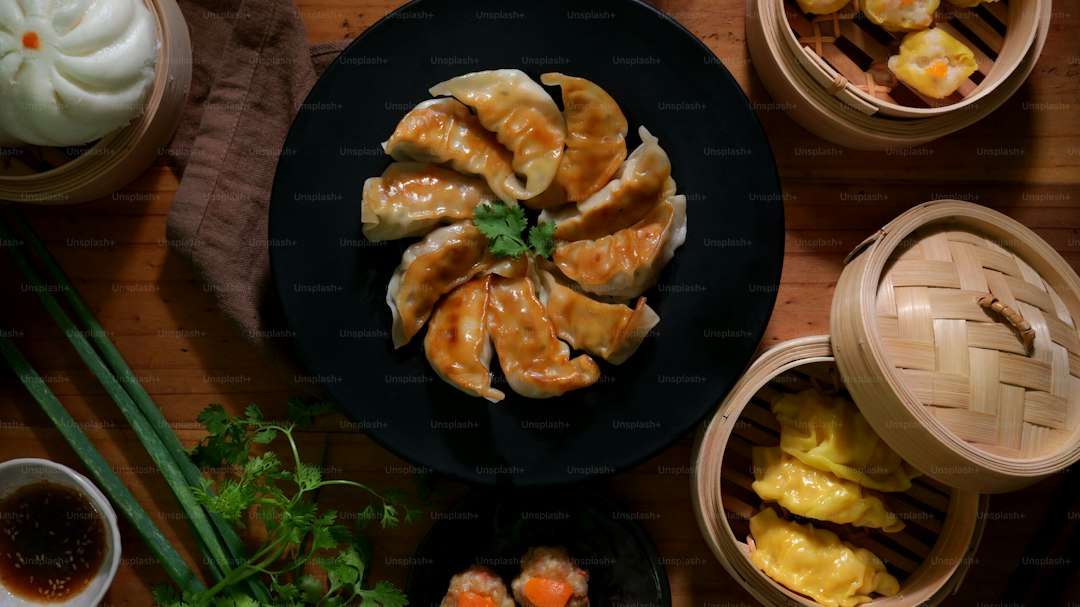
A Cultural Heartland: Understanding the Significance of Monterey Park
When you think about the typical American suburb, you probably picture quiet cul-de-sacs and generic strip malls, but Monterey Park completely flips that script. It’s honestly fascinating how this small city of just 7.7 square miles became the first place in the U.S. to reach a majority-Asian population, a shift that really kicked off back in the late 70s. You have to realize that this wasn't just a neighborhood change; it was a total reimagining of what an ethnic enclave could be. By moving away from the old-school urban Chinatown model toward a residential-focused hub, Monterey Park essentially created the world’s first suburban Chinatown. It’s a place where history feels alive, especially when you consider how the 1965 Immigration and Nationality Act opened the doors for the professional-class families who really built this community from the ground up.
If you look at the numbers, it’s clear this isn't just a trend that faded away. Census data from the 2020s shows that over two-thirds of the residents identify as Asian, with deep roots tracing back to China, Taiwan, and Vietnam. You can still see the ghosts of the 1980s real estate boom everywhere, back when the city was so influenced by international investment that people started calling it Little Taipei. And honestly, I think the most telling moment in the city's story was that 1986 fight over an English-only ordinance. It failed, and that decision basically cemented the city’s identity as a place that refuses to trade its linguistic or cultural diversity for a more conventional, assimilationist path. That commitment to keeping their identity intact is exactly why the food scene here feels so uncompromised today.
It’s pretty remarkable how those late-20th-century zoning laws actually set the stage for the incredible variety of food we see now. By allowing for those dense, mixed-use commercial plazas, the city created the perfect ecosystem for a massive concentration of regional styles, from fiery Sichuan dishes to delicate Cantonese classics. You’re getting that variety in a tiny footprint, and it’s arguably the highest concentration of authentic Chinese cooking you’ll find anywhere in North America. Plus, it’s not just about the dining; the local government has been fully integrated for decades, with city councils often entirely composed of Asian American members who actually reflect the people they represent. It’s a self-sustaining model where the tax revenue from all those busy restaurants goes right back into the local parks and infrastructure, keeping the community healthy and vibrant.
I think the best part is that you can actually taste the care that goes into this place. Public health records consistently show that restaurants here have some of the lowest violation rates in the entire county, which tells me that the pride in their craft goes way beyond just the flavor. When you walk through these plazas, you aren't just visiting a tourist trap; you're seeing a community that values its roots, supports its local schools with strong Mandarin-English immersion programs, and manages to hold onto its heritage while being a major economic powerhouse. It’s a rare example of a place that didn't just adapt to the world, but made the world adapt to it. So, let’s dive into why this specific density and history makes every meal here feel like you’re getting a genuine, unfiltered experience.
Regional Diversity: Beyond Cantonese to Szechuan, Hunan, and Beyond
If you’ve spent any time exploring the food in Monterey Park, you’ve likely noticed that the narrative often starts and ends with Cantonese classics, but that barely scratches the surface of what’s actually happening in these kitchens. Think about it this way: the culinary map of China is massive, and Monterey Park is one of the few places in North America where you can actually taste the science behind those regional distinctions. While Cantonese cooking leans on those twenty distinct techniques to highlight fresh, natural flavors, other regions bring a totally different chemistry to the table. Take Sichuan food, for example, which relies on hydroxy-alpha-sanshool to trigger that signature tingling sensation, or the sharp, direct heat of Hunan dishes that gain their punch from months-long chili fermentation processes.
It really comes down to the specialized equipment and history that these chefs bring with them. You’ll find kitchens here firing up burners at pressures high enough to trigger the perfect Maillard reaction, something you just can’t replicate on a standard home stove. This is where you see the real divide: while the north uses vinegar and scallions to cut through the richness of heavier proteins, southern styles might prioritize the mineral-heavy, slow-steaming methods seen in Fujian cuisine. Even the umami-rich fermented black beans you find in countless dishes act as a bridge, connecting the salty, wheat-based diets of the north with the fermented, rice-centric traditions of the south. It’s not just about heat levels; it’s about understanding how centuries of climate and trade shaped what ends up on your plate.
And honestly, watching how these styles coexist in a single city block is pretty wild. You have the imperial-court precision of Huaiyang cuisine—famous for its exacting knife work and seasonal vegetable focus—sitting right alongside the cumin-heavy, lamb-forward influence of Xinjiang cooking. These aren't just minor differences; they’re fundamentally different approaches to how we process fats and enzymes, like the way star anise and cinnamon in red-braising act as both a preservative and a flavor modifier. When you sit down for a meal here, you’re not just grabbing lunch; you’re engaging with the Eight Culinary Traditions of China, which were codified specifically to account for these massive technical gaps. It’s a level of variety that makes me feel like we’re getting a crash course in geography every time we order, and that’s exactly why you should look past the familiar menus and start asking what’s really being cooked in the back.
Dim Sum Delights: The Ultimate Weekend Brunch Experience
If you’ve ever sat down for a traditional weekend brunch, you know that the ritual of yum cha—literally drinking tea—is about so much more than just the food. It’s a practice rooted in the historical necessity of aiding digestion, but here in Monterey Park, it’s evolved into a masterclass of technique and sensory balance. When I’m looking at a menu, I’m not just thinking about hunger; I’m considering the science of those har gow wrappers, where the specific hydration of high-quality wheat starches must hit that perfect level of transparency to prove the chef’s skill. It’s these small, technical details, like the use of porous bamboo steamers that naturally pull excess moisture away from the dough, that keep the pastry skins from turning soggy before they ever hit your table.
You have to appreciate how these small portions, or tim sam, are designed to touch the heart by letting you sample a vast array of flavors without the fatigue of a single, heavy course. Take a closer look at the custard buns; the best kitchens here operate with such strict temperature control that the center arrives with that perfectly molten, set interior every single time. It’s also fascinating to watch the finger-tapping ritual during tea service, a silent sign of respect that’s been passed down since the Qing Dynasty. Even the texture, or what we call mouthfeel, is treated with as much academic rigor as the flavor profile itself, with chefs meticulously emulsifying fats in minced pork to ensure each bite stays succulent and juicy.
And honestly, don't overlook the role of chemistry in these kitchens, like how the lard-based shortcrust of an egg tart provides a higher melting point and a flakier structure than what you’d get with butter. The chefs here are also applying some serious knife work to vegetables to deactivate enzymes at the exact moment cell walls soften, which is why the greens stay so vibrant and crisp. Even the use of fermented black beans in sparerib dishes is a strategic play, acting as a natural salt substitute that releases amino acids for those deep, savory notes. Whether the dishes arrive by cart or are brought fresh from the kitchen, the goal is always to keep the integrity of that heat consistent. It’s a level of precision that makes every weekend visit feel like you’re finally getting the authentic, unhurried experience you’ve been searching for.
Hidden Gems and Strip-Mall Treasures: Finding Authenticity in Every Corner
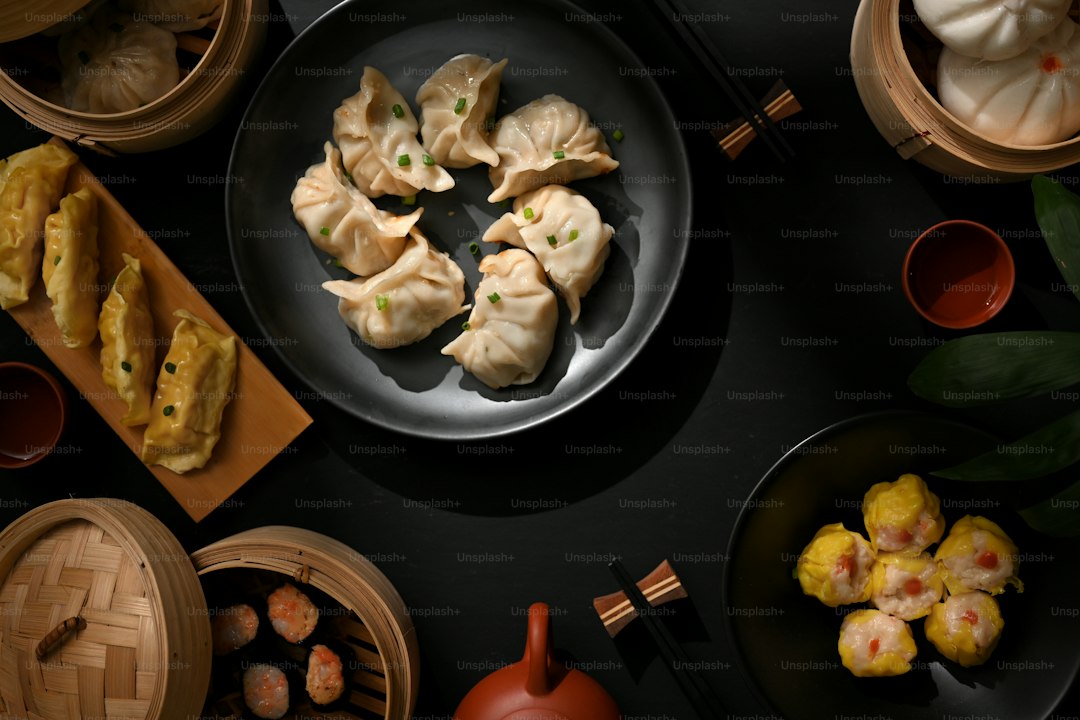
If you want to understand why Monterey Park is truly the gold standard for authentic Chinese cuisine, you have to look past the generic facades of these strip malls and recognize the engineering brilliance happening behind the scenes. It’s easy to dismiss these plazas as merely convenient, but the truth is their architecture was actually designed with deep, narrow floor plans specifically to house commercial-grade ventilation systems. These heavy-duty hoods allow chefs to fire up burners that consistently exceed 1,000 degrees Fahrenheit, a technical necessity for achieving that elusive wok hei that you simply cannot replicate on a residential stovetop. When you’re tasting a dish here, you’re experiencing the result of high-pressure heat that triggers the perfect Maillard reaction, keeping vegetables crisp and proteins succulent in a way that feels worlds apart from your typical takeout spot.
Think about the sheer level of technical rigor involved in the daily operations of these kitchens, which often function on a high-volume, low-margin model that demands total efficiency. You’ll find chefs utilizing traditional velveting techniques—the precise application of cornstarch and egg whites—to build a protective barrier around proteins, ensuring they never lose their moisture during that intense, rapid-fire stir-fry process. It’s not just the equipment, though; it’s the supply chain chemistry. Many of these spots rely on hyper-local produce sourced from family-run farms right here in the San Gabriel Valley, which significantly keeps the ingredient quality ahead of what you’d find in standard urban dining circles. Plus, when you see a restaurant using a dedicated humidity-controlled prep station for dim sum, you’re seeing a commitment to maintaining the cellular integrity of delicate wheat-starch doughs that would otherwise dry out and lose their signature texture.
And honestly, I think the most impressive part is the quiet, behind-the-scenes infrastructure that keeps this ecosystem alive and thriving. Many of these kitchens have gone the extra mile to calibrate their water filtration systems specifically to the mineral profile of local tap water, which makes a massive difference in the clarity and flavor of their tea and broth bases. Even the sourcing is handled with a level of academic scrutiny you won't find elsewhere; take the aged vinegars, some of which are fermented for over three years, providing a complex acidity that mass-produced options just can't match. There’s even a sophisticated, informal peer-review network among the local chefs where reputation is staked on the specific origin of ingredients like heirloom soy sauces or aged preserved vegetables. It’s this combination of traditional hand-milling for rice noodles and a modern, disciplined approach to supply chain management that transforms a simple strip-mall storefront into a legitimate destination for the serious diner.
From Lunar New Year to Everyday Feasts: Celebrating Chinese Traditions
When we talk about the Lunar New Year, specifically looking toward 2026 and the Year of the Horse, we’re really looking at a calendar system that acts as a blueprint for how we eat and how we gather. It isn’t just about the date on the wall; it’s a rigorous, tradition-heavy framework that dictates everything from the physical shape of our food to the specific order of service. You’ll notice that everything on the table serves a dual purpose: it’s nourishment, sure, but it’s also a symbolic hedge against misfortune. Take the longevity noodles, for example, where the physical integrity of the noodle is paramount because it mirrors the eater's desire for a long life, or the whole fish, which serves as a clever linguistic homophone for abundance. It’s fascinating how these culinary markers function as a kind of social technology to maintain household harmony and invite prosperity.
But let’s pause and look at why this matters for the everyday diner in a place like Monterey Park. While the big celebrations get the headlines, the principles of these feasts—the focus on seasonal, auspicious ingredients and the reliance on symbolic geometry—are baked into the daily operations of the best kitchens here. The dumplings aren't just snacks; they're shaped like ancient silver ingots to manifest economic success, and the nian gao cakes are essentially a phonetic play on achieving higher status year after year. It’s this constant, intentional connection between the plate and the abstract concept of growth that keeps the community’s food culture so vibrant. You’re essentially eating your way through a series of blessings, and that’s a pretty powerful way to look at a meal.
And here’s the thing that really stands out to me: the way these traditions intersect with modern logistics. In 2026, we’re seeing a unique alignment where Lunar New Year overlaps with other major global observances like Ramadan and Lent, which really highlights how these lunar-based traditions influence communal dining habits on a massive scale. Whether it’s the ritualized home cleaning to purge stagnant energy or the precise finger-tapping etiquette during tea service, these aren’t just archaic customs; they’re high-functioning social protocols. They keep the rhythm of the community steady, bridging the gap between the ancient, symbolic roots of the holiday and the fast-paced, high-standard demands of modern, authentic dining. When you sit down for a meal here, you’re participating in a cycle that’s been refined for centuries, and I think that’s why it hits so much harder than your average dinner out.
Late-Night Bites: Where the Food Scene Never Sleeps
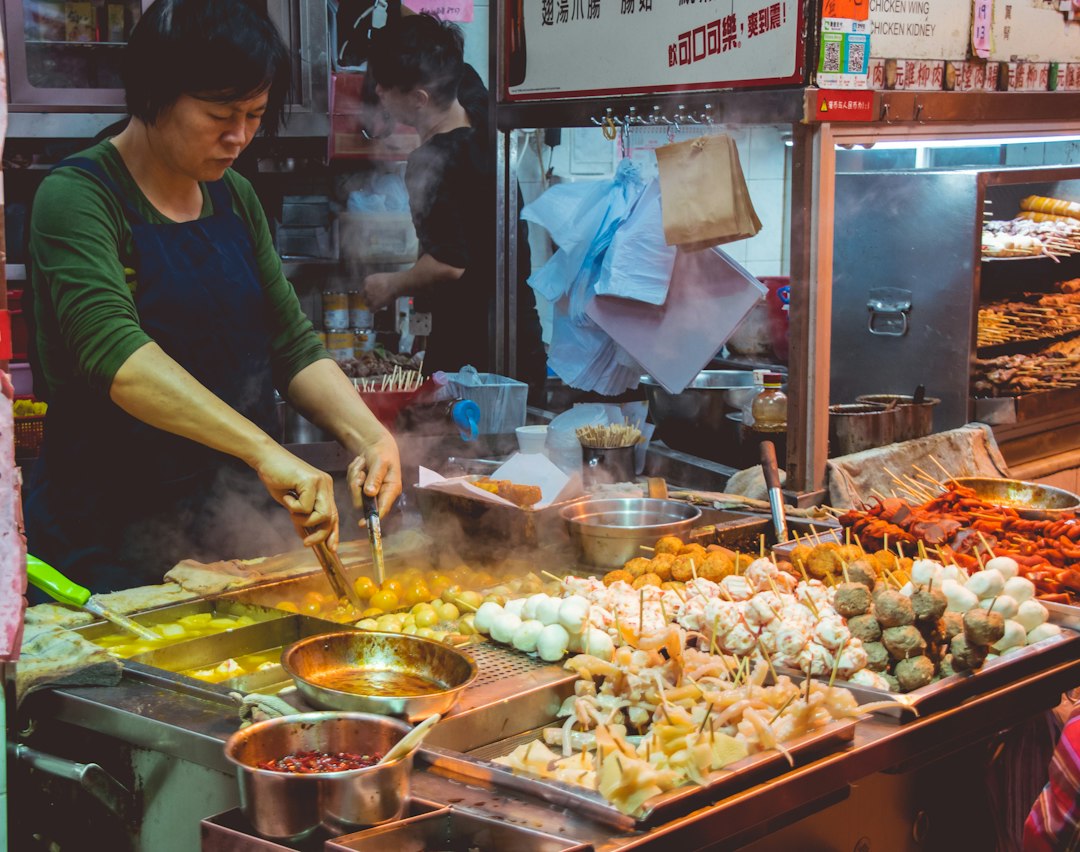
If you’re anything like me, you’ve found that the best meals often happen when the rest of the world is finally winding down. In Monterey Park, the late-night scene isn't just an afterthought; it’s a masterclass in operational efficiency and high-heat engineering that keeps the city running long after other suburbs have gone dark. Here is what I think sets these kitchens apart: they’re built on a foundation of specialized, high-pressure ventilation systems specifically designed to handle burners that hit temperatures over 1,000 degrees Fahrenheit. That kind of heat is the only way to achieve true wok hei, the elusive, smoky essence that defines the best late-night stir-fries. It’s honestly impressive how these restaurants manage to maintain such a high-volume, low-margin model while refusing to cut corners on the science of their craft.
Think about the technical discipline required to serve a perfect meal at midnight. To keep proteins succulent under that intense thermal stress, you’ll find chefs relying on the velveting technique—a precise cornstarch and egg white suspension that acts as a structural shield for the meat. Even the infrastructure is tuned for quality, with water filtration systems calibrated to the local mineral profile to ensure that late-night broths remain crystal clear and chemically balanced. It’s these small, almost invisible choices—like maintaining humidity-controlled stations for dim sum doughs so they never dry out—that make the difference between a grab-and-go meal and something truly special.
And don’t overlook the supply chain rigor happening behind the scenes, which I’ve always found to be the real secret sauce of this area. Chefs here rely on an informal, hyper-local network to source heirloom soy sauces and vinegars aged for three years or more, providing a depth of flavor you just can’t replicate with mass-market ingredients. Even the produce is sourced from nearby San Gabriel Valley farms, ensuring high turgor pressure so your greens stay crisp rather than wilting under the heat. It’s no surprise that the local health record, which consistently shows lower violation rates than the county average, reflects this level of professional pride. When you’re sitting in one of these narrow, deep-layout plazas at 1:00 a.m., you’re not just getting a snack; you’re tasting a level of logistical precision that makes the city a world-class destination for anyone who treats dinner as a serious pursuit.
Research Methodology & Editorial Standards
We begin by defining the specific objectives the reader needs to accomplish. Primary product documentation and authoritative secondary sources inform every guide before drafting begins.
Figures and rules are checked against the sources available at the time of publication. Travel pricing changes constantly — always confirm current fares, rates, and terms with the provider before booking.