
Why Lake Bohinj is the ultimate hidden gem for your peaceful summer escape
When we talk about finding a true escape in Europe, most people immediately default to the crowded, Instagram-saturated shores of Lake Bled, but there’s a much more compelling story just a few miles down the road at Lake Bohinj.
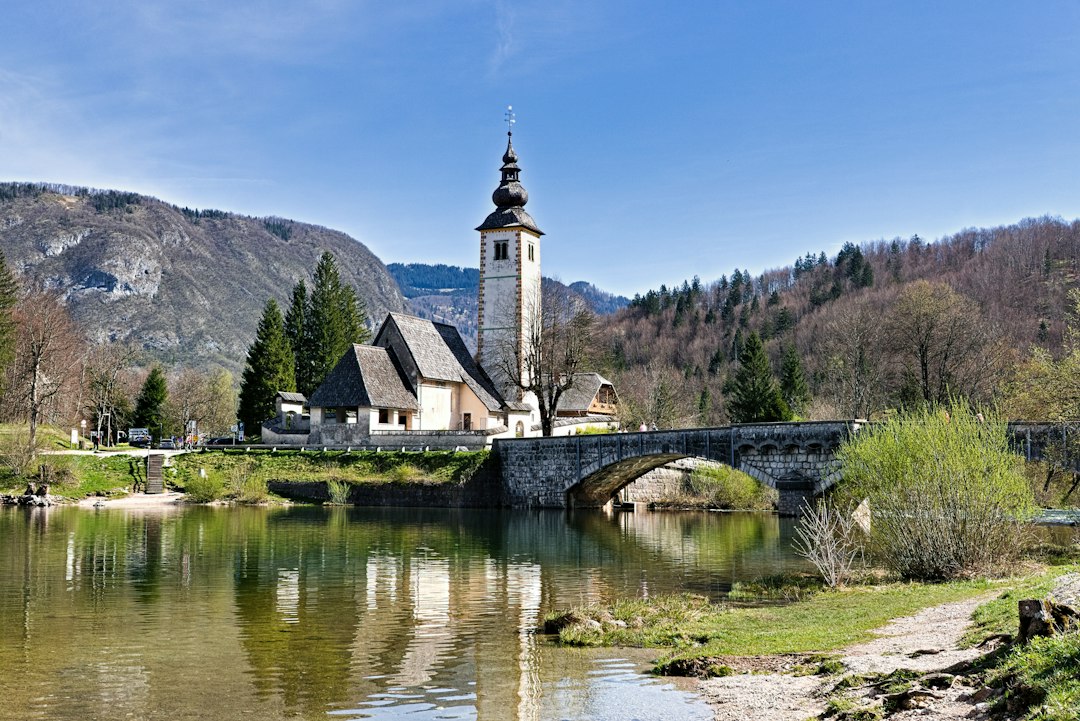
Why Lake Bohinj Remains Europe’s Best-Kept Alpine Secret
When we talk about finding a true escape in Europe, most people immediately default to the crowded, Instagram-saturated shores of Lake Bled, but there’s a much more compelling story just a few miles down the road at Lake Bohinj. It’s a glacial basin of tectonic origin reaching 45 meters deep, which gives it a completely different, more raw character than its tourist-heavy neighbor. The water quality is genuinely staggering, with transparency often hitting 10 meters, allowing you to gaze straight into the submerged limestone formations. Because it sits within the protected heart of Triglav National Park, those strict environmental regulations aren't just for show; they keep the industrial development and motorized boat noise completely at bay.
If you’ve ever felt like modern travel is just trading one crowded sidewalk for another, this is the corrective experience you’ve been looking for. The surrounding basin supports over 1,600 species of vascular plants, including the rare Zois bellflower that you really won't find anywhere else on the planet. I’ve always been fascinated by how the Savica Waterfall feeds into the system, acting as a massive karst spring that keeps the water moving and fresh. Because the lake is officially classified as oligotrophic—meaning it has remarkably low nutrient content—the water stays incredibly clear, lacking the murky biological activity you see in more stagnant lakes.
The real kicker for me is how the local administration maintains a "no-build" zone around the shoreline, preserving a visual landscape that looks nearly identical to 19th-century accounts. During those long July afternoons, the combination of limestone and marl on the lake bed turns the water a brilliant, vivid turquoise that feels almost impossible in person. And because there’s a total ban on jet skis and high-speed watercraft, the acoustic environment is dominated by wind in the trees rather than engines. It’s a rare, high-altitude microclimate where the air actually feels different to breathe. For anyone tired of the manufactured "hidden gems" you see on social media, Bohinj is the rare place that actually delivers on that promise of silence and scale.
Immersed in Nature: The Tranquil Beauty of Triglav National Park
When you step out of the lake basin and into the wider expanse of Triglav National Park, you’re looking at 840 square kilometers of protected wilderness that accounts for about four percent of Slovenia’s entire landmass. It’s the country’s only national park, and honestly, the scale of it hits you the moment you look up at Mount Triglav, which towers over the Julian Alps at 2,864 meters. I find the geology here fascinating because those jagged, iconic skylines are built from Triassic-era sedimentary layers often called triglavite. Unlike the manicured parks you might find elsewhere, this landscape feels like a living laboratory where the natural order is still very much in charge.
If you get curious about what’s happening beneath your feet, you’ll find over 600 registered caves forming a massive, hidden karst network that acts as a home for specialized, subterranean species. It’s also a success story for wildlife recovery; the Eurasian lynx, which was brought back in 1973, uses these valleys as a vital migratory corridor, while Alpine ibex populations have made a massive comeback from the brink of extinction. I’ve always thought it’s cool how the management here uses traditional Alpine dairy farming to keep the mountain pastures open, which keeps the scrubland from taking over and protects the meadows. You won’t find many places left that balance human history and wild nature quite this effectively.
The climate here is a bit of a quirk, too, thanks to a phenomenon where cool air pools in the valleys overnight, allowing mountain plants to grow much lower than they usually would. If you’re hiking the higher scree slopes, keep an eye out for the Julian poppy, which is an endemic species you literally won't find anywhere else on the planet. And because the park enforces strict dark sky initiatives, you’re avoiding the light pollution that messes with animals like the Ural owl and the local bat colonies. It’s a stark contrast to the modern world, especially when you consider that researchers are using these same pristine zones to track the retreat of the Triglav Glacier, which is now down to just a small ice patch. It’s a sobering reality, but being in such a well-managed environment makes you appreciate the fragility of these ecosystems even more.
Active Summer Days: Swimming, Hiking, and Watersports in the Julian Alps
When you’re looking to trade the typical crowded resort experience for something more tactile, the Julian Alps offer a masterclass in high-alpine activity. If you’re planning on hitting the water, keep in mind that Lake Bohinj exhibits a fascinating thermal stratification during July; while the surface layer warms up to a very swimmable 22 to 24 degrees Celsius, the deeper zones remain biting cold. For those who prefer being on the water rather than in it, it’s refreshing to find that you can still take a rowboat out without the bureaucratic headache of registration, which keeps the acoustic footprint remarkably low for the local waterfowl. If you find the lake’s stillness a bit too quiet, the nearby Sava Bohinjka river offers a sharp, invigorating contrast with its average summer temperatures hovering right around 10 to 12 degrees Celsius.
Beyond the shoreline, the verticality of the terrain is where things get truly interesting from an engineering and recreational standpoint. You can cheat the elevation gain on Vogel mountain by using the cable car, which is a fairly wild piece of infrastructure that clears a 1,000-meter ascent in under four minutes, depositing you directly onto high-altitude plateaus. Once you’re up there, the cycling network is massive, covering over 1,000 kilometers of marked trails that don’t discriminate between mountain or gravel bike setups. If you’re more into walking, the 12-kilometer loop around the lake isn’t just a scenic path; it’s actually a window into the past, as it incorporates segments of an ancient Roman road network that once served as a major trade artery through these peaks.
For those who crave a bit more adrenaline, the karst geology here is essentially a playground designed by water erosion. You’ll see this perfectly at Mostnica Gorge, where the limestone has been shaped into a distinctive, trunk-like formation affectionately called the Elephant. If you’re looking to go deeper into the landscape, canyoning in the nearby Suha and Grmečica gorges is the standard, though you’ll definitely need to pack specialized safety gear to handle those narrow, vertical chutes. It’s also worth noting that if you hike up toward the Seven Lakes Valley, you’ll witness a bizarre hydrological phenomenon where surface streams just vanish into the porous karst bedrock only to reappear miles away, a constant reminder of the complex plumbing system hidden beneath your boots.
Exploring the Surrounding Villages: Authentic Slovenian Culture Away from the Crowds
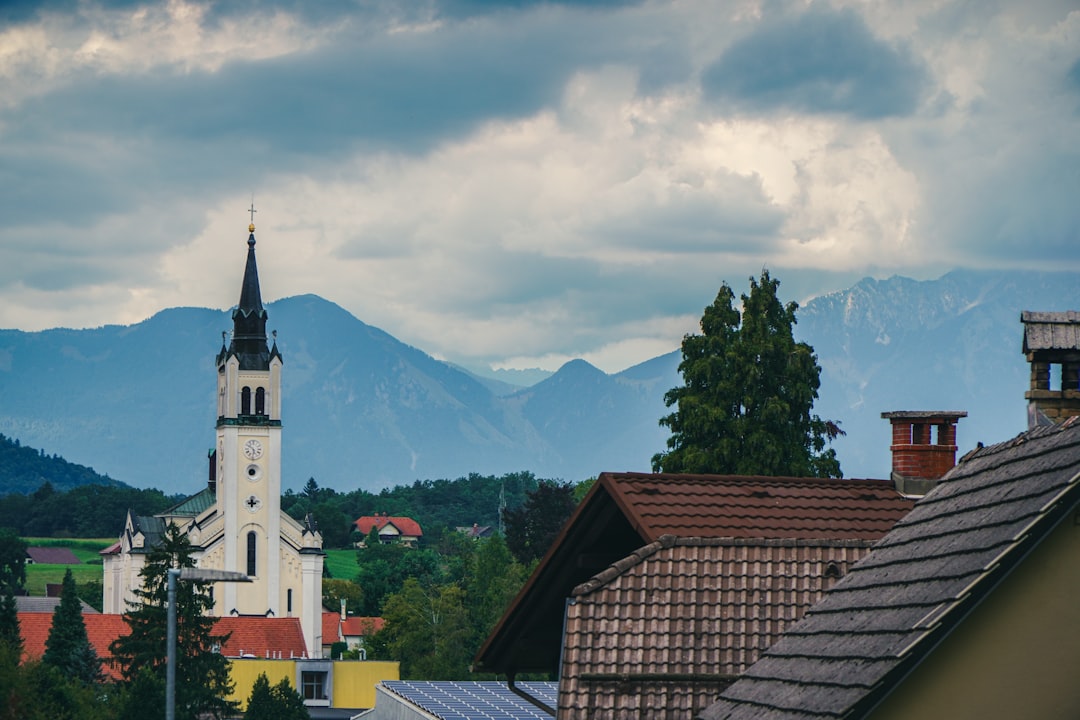
If you’re looking to peel back the layers of this region, you really need to step away from the shoreline and wander into the smaller villages tucked into the valley folds. These settlements aren't just scenic backdrops; they are functional, living remnants of an agricultural system that has been humming along since the Iron Age. Take Studor, for example, where you’ll see the iconic toplar—those massive, double-sided hayracks designed with such precise cross-ventilation that they’ve become a masterclass in vernacular engineering. It’s honestly fascinating how these structures were purpose-built to survive the heavy snow loads of high-altitude winters, using thick stone foundations that feel like they could stand for another thousand years.
When you spend time in places like Stara Fužina, you’re witnessing the practice of transhumance in real-time, as farmers move their livestock to mountain pastures to keep the meadows healthy and open. This isn't a show for tourists; it’s a rhythmic, seasonal necessity that has anchored the local social structure since the Middle Ages. You’ll find the same dedication to tradition in the way families produce Mohant, a pungent, protected cheese that still ferments in small wooden vessels just as it did generations ago. Even the local beekeeping here is specialized, focusing on the Carniolan honey bee, which is famous for its docility and efficiency in working the diverse alpine flora.
And if you’re into the finer details of history, you can’t skip the church of Saint John the Baptist in Ribčev Laz, where 15th-century frescoes have survived in remarkably good condition, largely thanks to the specific, stable humidity of the valley. It’s these little pockets—like the village of Češnjica, with its preserved archaic linguistic quirks, or Gorjuše, where folks once built their entire economy around crafting tobacco pipes from local briar—that actually define the soul of the region. There is a real, tangible sense of isolation here that the modern world has mostly eroded elsewhere. If you really want to understand the heartbeat of the Julian Alps, you have to look at how these communities have used their limited resources, from larch timber to mountain air, to build a life that feels completely disconnected from the noise of the 21st century.
A Sustainable Sanctuary: Preserving the Pristine Waters of Bohinj
When you start digging into why Lake Bohinj feels so different from every other body of water in Europe, you realize the secret isn't just luck; it’s a specific, aggressive cycle of renewal. I find it fascinating that nearly eighty percent of the water flowing into the basin doesn't come from streams you can spot on a map, but instead bubbles up from hidden subterranean karst springs. This means the entire volume of the lake is essentially swapped out three times every single year. Think about that for a second—it’s a self-cleaning mechanism that keeps the water moving and fresh in a way most stagnant lakes just can't compete with.
That constant turnover is what makes the water so incredibly clear, especially when you look at how the chemistry balances out. Because the drainage is so limited, the lake acts like a massive, natural filter where phosphorus levels stay well below five micrograms per liter. It’s an ultra-oligotrophic environment, which is just a technical way of saying the water is so low in nutrients that it simply doesn't support the murky biological growth you’d see elsewhere. Plus, the lake bed is lined with glacial marl that acts as a buffer, keeping the pH steady between 7.5 and 8.2 and ensuring the ecosystem doesn't swing wildly in acidity.
If you’re wondering why the lake feels like a total time capsule, it’s because the sedimentation rate is practically glacial, leaving a clear geological record of the last 10,000 years untouched at the bottom. Acoustic mapping has even uncovered unique underwater ridges that influence currents and create these tiny, protected micro-habitats for specialized species you won't find anywhere else. Even in the middle of a July heatwave, the lake’s sheer volume acts as a massive thermal sink, keeping the depths at a constant, biting 4 degrees Celsius. It’s a rare, stable sanctuary where nature has managed to keep its own records perfectly intact, shielded from the pollutants that have unfortunately drifted into so many other Alpine basins.
Practical Tips for Planning Your Peaceful Slovenian Lakeside Retreat
When you're mapping out your trip to Bohinj, the first thing I’d suggest is to lean into the local transit setup rather than bringing a car; the area’s electric shuttle fleet is surprisingly well-synced with the cable car schedule, and honestly, you’ll find it much easier to navigate the tight mountain roads without worrying about parking. It’s also worth keeping a close eye on the weather, because those afternoon thunderstorms are no joke—they can drop surface temperatures by several degrees in just a few minutes, so always pack a windbreaker even if the morning looks perfect. I’ve found that checking the real-time hydrological data from the Ukanc station is a game-changer if you’re planning a swim or a long boat session, as it gives you a much better read on the water temp than a generic forecast ever could.
And here’s a reality check on connectivity: you might notice your phone signal gets a bit spotty in the valley, but that’s actually by design to protect the local wildlife from electromagnetic interference, so I’d highly recommend downloading your offline maps and trail guides before you even leave home. When you’re choosing where to stay, look for properties that participate in the local energy-neutral certification; they’re using some really clever geothermal tech to pull heat from those deep karst springs, which makes for a much more sustainable footprint. If you’re a stickler for the environment, you’ll appreciate the regional zero-plastic policy in all public recreation zones, so do yourself a favor and pack a sturdy, reusable water bottle instead of buying single-use plastic when you arrive.
Also, don't miss the chance to wander the historical Roman road segments near the lake; they’re a masterclass in dry-stone engineering that handles mountain rainfall way better than any modern asphalt could. If you’re really into the science of why this place feels so pristine, the local research center puts out these fascinating biannual surveys on the native trout populations that offer a deep dive into how the cold, oxygen-rich depths are holding up. Just remember that the lake levels can shift by up to two meters depending on the season, which totally changes the look of the shoreline, so don't be surprised if your favorite sunning spot looks a bit different than the photos you saw online. It’s a delicate, living system, and the more you work with its natural rhythms rather than trying to force your own pace, the more you're going to get out of the experience.
Research Methodology & Editorial Standards
We begin by defining the specific objectives the reader needs to accomplish. Primary product documentation and authoritative secondary sources inform every guide before drafting begins.
Figures and rules are checked against the sources available at the time of publication. Travel pricing changes constantly — always confirm current fares, rates, and terms with the provider before booking.