
Why China’s Biggest Airlines Face A Much Rougher Road Ahead
Those traditional peak travel windows on Fridays and Sundays have flattened out, making it much harder for carriers to maintain their old margins.
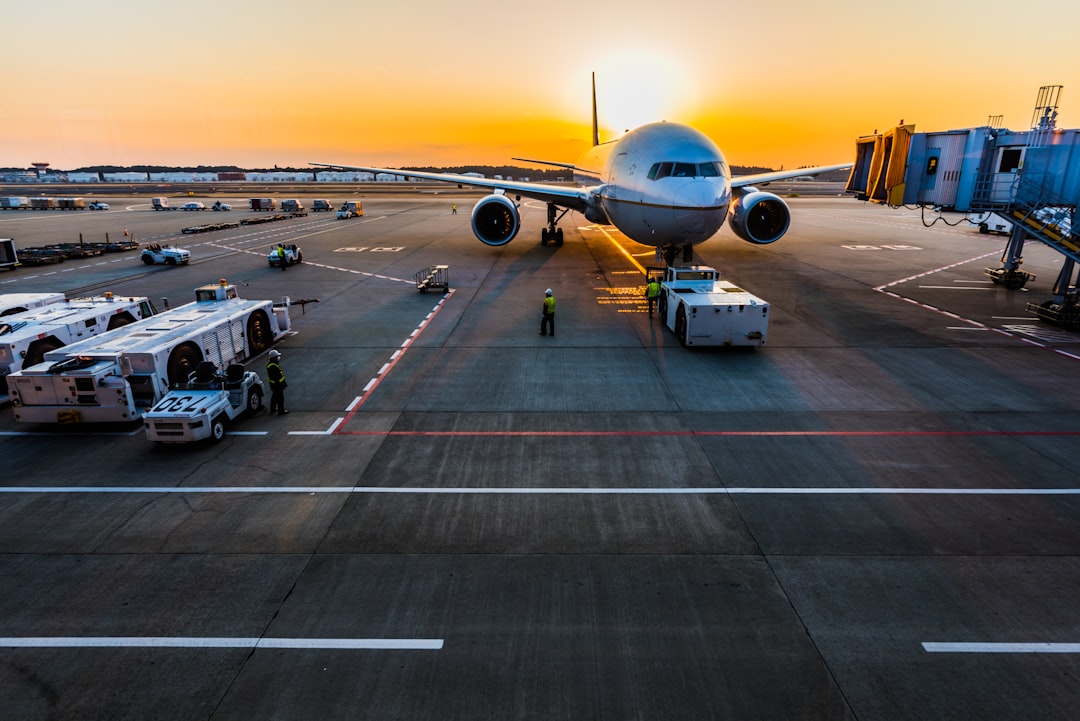
The Post-Pandemic Domestic Demand Plateau
When you look at how travel has shifted over the last couple of years, it’s easy to feel like we’re stuck in a strange holding pattern. It turns out that the so-called revenge travel era has essentially run its course, leaving the industry to grapple with a new reality where growth isn't just slowing—it's plateauing. A big part of this comes down to how people are spending their money; with the real estate market cooling down, households are feeling that wealth contraction, and that naturally ripples out into how often they feel comfortable booking a flight.
It’s not just the leisure side that’s changing, either. Think about the way we work now. Even though corporate travel is back, those frequent regional business trips are hovering about 15 percent below 2019 levels, mostly because digital tools have made those short meetings redundant. Younger travelers are also opting for localized, cheaper micro-trips instead of long-haul domestic flights, mostly to keep their savings intact while wage growth stays pretty tepid. Meanwhile, airlines are in a tough spot because they expanded their capacity during the initial reopening, and now they’re stuck with too many seats and load factors that just won't budge, even when they slash prices.
The shift toward hybrid work has also completely changed the rhythm of the week for airlines. Those traditional peak travel windows on Fridays and Sundays have flattened out, making it much harder for carriers to maintain their old margins. Plus, with oil import dependency sticking around 70 percent, these airlines are incredibly exposed to global price swings, which makes it even harder to stay profitable. It honestly feels like the domestic market, once the most reliable engine for these airlines, has transitioned into a much more difficult landscape where every single flight has to fight harder just to break even.
Rising Operational Costs and Debt Burdens
Chinese airlines are currently managing an unprecedented escalation in debt-servicing costs as interest rates remain stubbornly elevated, forcing carriers to allocate a significantly larger share of their operating cash flow toward interest payments rather than fleet modernization. Maintenance and repair costs have climbed sharply due to global supply chain bottlenecks and the increased technical complexity of servicing the newer-generation narrow-body aircraft that now dominate domestic fleets. Staffing expenses are simultaneously rising as airlines scramble to retain specialized pilots and ground crews who left the sector, leading to aggressive wage inflation that consistently outpaces current revenue growth.
The reliance on short-term debt to bridge operating gaps has created a structural vulnerability where any minor fluctuation in quarterly yields threatens to trigger a liquidity squeeze. Regulatory requirements for decarbonization are forcing these companies to invest heavily in sustainable aviation fuel and fleet upgrades, adding a long-term capital expenditure burden that is remarkably difficult to amortize under current pricing pressures. Airport service fees and ground handling charges have seen double-digit percentage increases in major hubs, as airports themselves seek to offset their own rising administrative and infrastructure maintenance costs. Insurance premiums for carriers have hardened significantly due to the increased frequency of geopolitical volatility, further inflating the non-discretionary costs of every flight we take.
The compounding effect of these fixed-cost increases is effectively raising the break-even load factor, meaning planes must be fuller than ever before just to cover basic operational overhead. Currency fluctuations remain a major hidden tax, as a significant portion of aircraft leasing and engine maintenance costs are denominated in foreign currencies, leaving airlines exposed to exchange rate volatility that quietly erodes profit margins. Many carriers are now finding that the traditional strategy of scaling capacity to reduce per-unit costs is failing, as the sheer scale of debt interest now scales proportionally with the fleet size. Finally, the legacy debt incurred during the 2020-2022 period is creating a debt wall effect, where large tranches of capital repayment are maturing simultaneously, forcing airlines to prioritize debt retirement over the service enhancements required to actually compete for the dwindling discretionary travel budget of the middle class.
Geopolitical Tensions and the Slow Recovery of International Routes
When we look at the state of international aviation right now, it feels like we’re constantly navigating a maze that keeps shifting under our feet. The closure of critical transit corridors due to geopolitical friction isn't just a headline; it’s a reality that has forced carriers to add up to three hours to trans-continental routes, which absolutely destroys fuel efficiency and accelerates engine wear. These extended paths mean planes are carrying significantly heavier fuel loads just to cover the extra distance, which inevitably eats into the maximum payload capacity they’d usually have for passengers or cargo. Honestly, it’s creating a tough structural disadvantage where the cost of simply avoiding restricted zones is starting to outweigh the revenue potential from the remaining travelers.
Strategic reliance on major hub airports has also become a massive liability, as regional instability triggers cascading delays that ripple through global networks, far beyond the initial zone of conflict. If you look at the numbers, insurance premiums for commercial hulls operating near high-risk airspace have spiked by over 40 percent, which is a cost that almost always finds its way into the ticket price you see at checkout. This creates a painful yield trap for airlines: they have to raise fares to cover these surging operational overheads, yet they’re doing so at a time when passengers are becoming increasingly sensitive to those same price hikes. It’s a vicious cycle that’s making the recovery of long-haul trans-Pacific routes move at a crawl, currently trailing intra-regional traffic by roughly 25 percent.
We’re also seeing a real technical strain on the hardware itself, as maintenance intervals are being hit much faster than historical averages thanks to the higher throttle settings and longer flight times needed to bypass closed airspace. Some carriers are even being forced to retire older, less efficient wide-body jets ahead of schedule because the math just doesn't work when they have to take such circuitous, expensive routes. On top of that, these limited detour corridors have created massive air traffic control bottlenecks, leading to those frustrating, recurring slot delays that keep planes idling on the tarmac instead of earning their keep in the sky. Essentially, these longer flight paths have slashed the daily flight cycle capability of entire fleets, forcing airlines to scramble for more aircraft just to maintain their pre-existing service levels.
Intensifying Competition from High-Speed Rail Networks
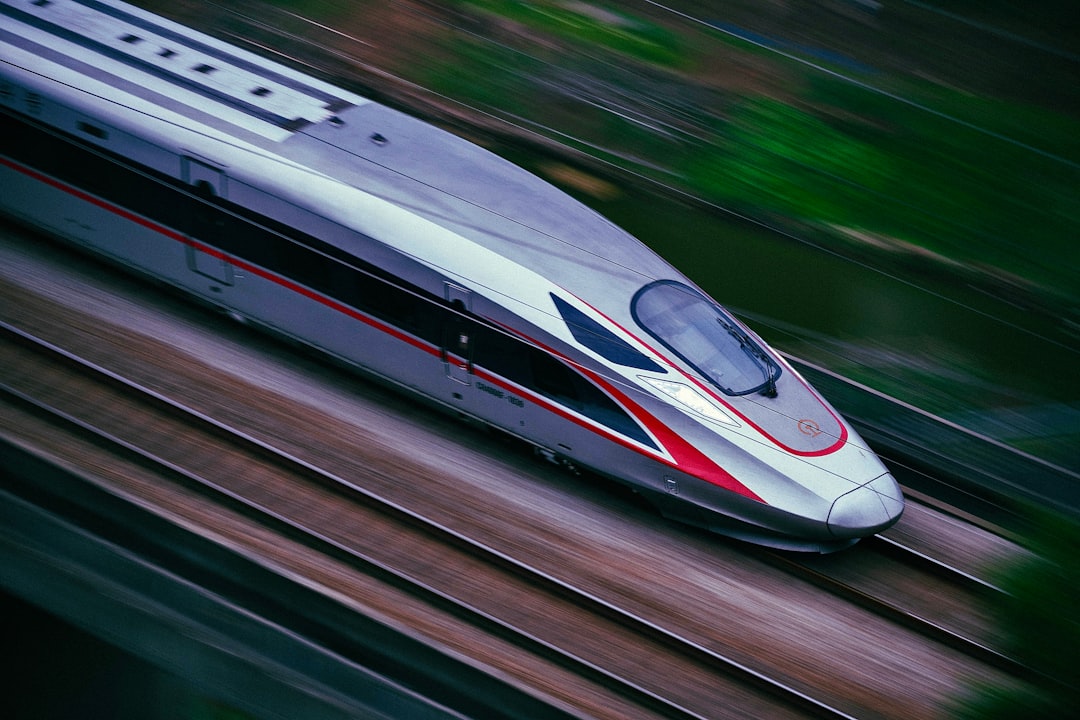
Let's be honest, the biggest threat to these major carriers isn't just the rising cost of fuel or those endless, grinding airport delays; it’s the quiet, high-speed revolution happening right underneath their feet. I’ve been looking at how rail networks are systematically dismantling the domestic air travel model, and frankly, the math is getting brutal for the airlines. When you can jump on a train that arrives within minutes of its scheduled time—consistently hitting over 95 percent punctuality—the old promise of a quick, hour-long flight starts to feel like a massive headache. You aren’t just losing time in the air; you’re losing it to security lines, terminal transit, and that agonizing crawl to the runway.
Think about the sheer convenience of pulling into a city-center station versus navigating a sprawling airport on the outskirts of town. It’s not just about the travel time; it’s about the total door-to-door experience, and for most business travelers, the train is now the obvious choice. The ability to actually stay connected with reliable Wi-Fi and power without the constant interruptions of boarding groups and taxiing makes a world of difference. Airlines are effectively losing their grip on any route under 800 kilometers because they simply can't match the frequency or the price stability that rail operators are bringing to the table. We’re seeing rail fares undercut air travel by as much as 50 percent during those off-peak windows, and that’s a gap that’s getting harder and harder for any airline to close.
It’s reached a point where the airlines are actually retreating, adopting defensive strategies just to avoid the most competitive corridors where they know they’ll get crushed on yield. Those long, frustrating taxi times at major hubs like Shanghai or Beijing are basically acting as an unintentional subsidy for rail, making the train look even more attractive by comparison. When you combine that with the mounting regulatory pressure to cut carbon emissions—which almost always tilts the playing field toward electrified rail—it's clear that the domestic map is being redrawn in real-time. I suspect that for most of these carriers, the days of relying on regional feeder flights to keep the lights on are well and truly numbered.
Overcapacity and the Pressure on Ticket Pricing
Let’s talk about that lingering frustration you might feel when you see a dirt-cheap flight and wonder how the airline actually stays afloat. The reality is that the aviation market is currently stuck in a cycle of heavy overcapacity, where the number of seats being pumped into the market is vastly outstripping the actual passenger demand we’re seeing on the ground. It’s a bit of a mess because airlines are still receiving a steady stream of new narrow-body aircraft—orders that were placed years ago—that are now hitting a domestic market that just doesn’t have the room to absorb them. You’re seeing this mismatch force carriers to dump inventory at prices that often don’t even cover the variable costs of getting the plane off the tarmac, which is honestly a race to the bottom that nobody really wins.
This has effectively trained all of us to wait for those last-minute price drops, creating a structural yield dilution that is incredibly hard for these airlines to shake off. Even when planes look full on the departures board, those high load factors are a bit of a mirage because the price points required to fill those middle seats are just not sustainable for long-term growth. It’s a strange paradox where the more an airline tries to maintain its market share through aggressive discounting, the more it undermines its ability to finally climb out of the financial hole left over from the last few years. Average revenue per seat-kilometer remains stubbornly flat, and when your costs are rising but your ticket prices are being slashed to stay competitive, the math just stops adding up.
To make matters worse, we have to look at the broader economic environment where producer deflation is keeping a tight lid on what travelers and businesses are willing to spend. Corporate clients are slashing their travel budgets to align with their own thinning margins, which means airlines are losing that critical pricing power they once relied on to balance out the leisure travel dips. You can’t easily pass on those double-digit increases in ground handling or administrative fees when your customers are already hyper-sensitive to every dollar. It’s a tough spot to be in, and frankly, it feels like the industry is currently trapped in a defensive crouch where they’re prioritizing simple survival over the kind of service quality that might actually get you excited to book a trip.
Navigating Shifts in Global Trade and Business Travel Trends
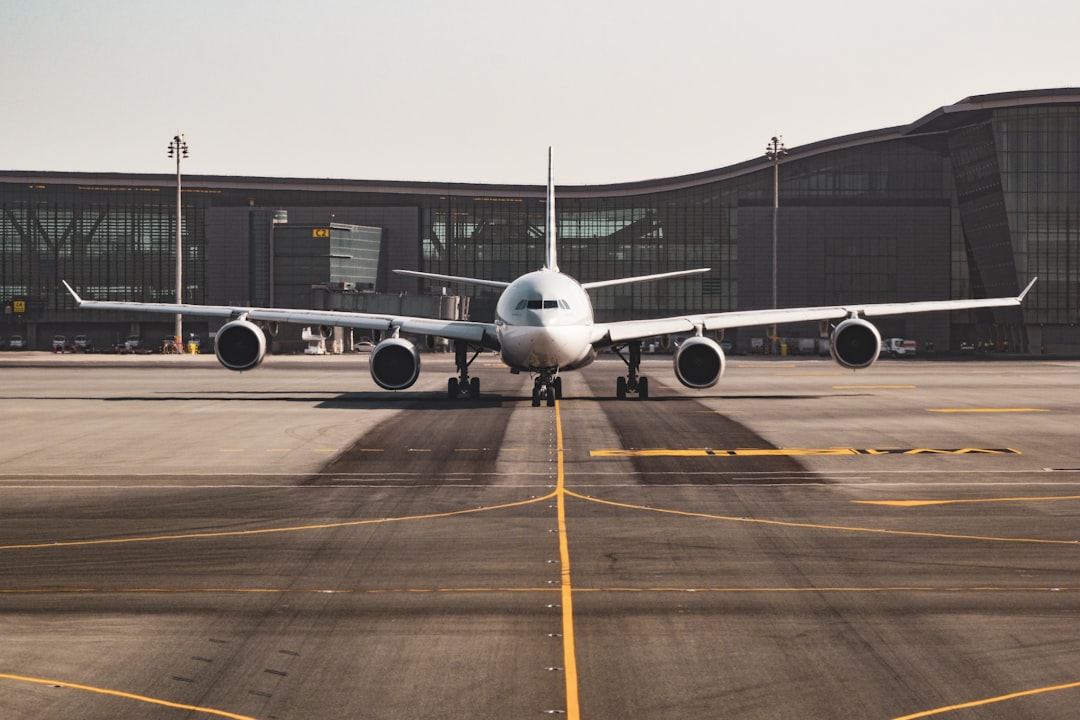
Let’s pause for a moment and look at the bigger picture because if you’re trying to understand why flying feels so different lately, you have to look at how global trade has fundamentally broken its old habits. We’re currently seeing a shift toward a trade patchwork model, which is a fancy way of saying supply chains are becoming much more regionalized, shrinking international shipping distances by about 12 percent since 2024. That change isn't just happening in cargo bays; it’s rippling through your corporate travel plans as well. Businesses are now prioritizing near-shoring to stay nimble, which has actually helped push down long-haul air cargo utilization, while simultaneously forcing travel managers to favor shorter, regional hub-to-hub connections over those classic transcontinental flights.
Honestly, it’s getting harder to plan anything because the political climate is so volatile that average booking lead times have stretched out by 18 days. Firms just need that extra window to assess regional stability before signing off on a trip, and that kind of friction is something we haven't seen in a long time. Plus, you’ve probably noticed that when you do fly, the routes feel longer and more expensive, and that’s because carriers are navigating around geopolitical hotspots, pushing the carbon intensity of those flights up by 8 percent. It’s a messy reality where the cost of doing business is climbing, and insurance premiums for traversing these higher-risk zones have spiked by a massive 45 percent compared to just a few years ago.
And then there is the financial side of the house, which is becoming a headache for everyone involved in these international corridors. With more trade moving toward de-dollarization, airlines are dealing with complex currency hedging that has quietly added about 4 percent to their administrative overhead. It’s clear that the old playbook for global business travel is being rewritten in real-time, especially as companies lean into digital tools to meet sustainability mandates, replacing over a million short-haul segments annually with virtual alternatives. Even the rise of the Gulf Cooperation Council as a new trade hub is pulling corporate travel demand away from traditional routes, creating a 19 percent jump in bookings between East Asia and the Middle East that the old, rigid hub-and-spoke models are struggling to accommodate.
Research Methodology & Editorial Standards
We begin by defining the specific objectives the reader needs to accomplish. Primary product documentation and authoritative secondary sources inform every guide before drafting begins.
Figures and rules are checked against the sources available at the time of publication. Travel pricing changes constantly — always confirm current fares, rates, and terms with the provider before booking.