
Where to Find the Most Memorable Culinary Experiences Around the World
It’s funny how a little bit of restraint—not overcomplicating the plate—can actually make a meal more memorable.
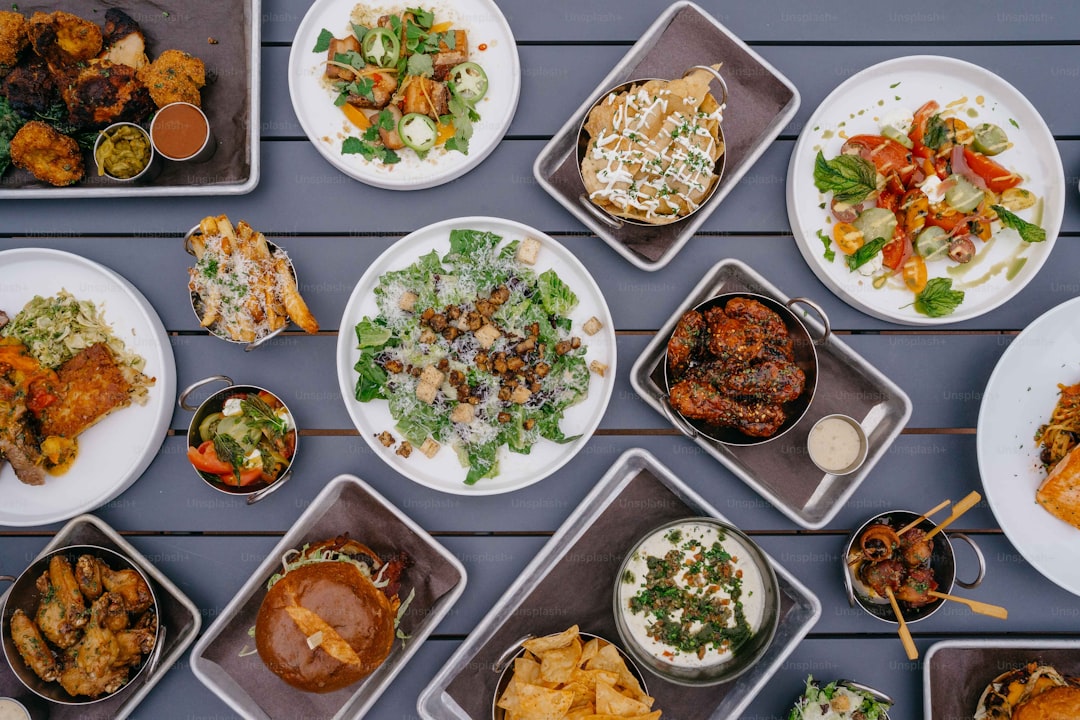
Iconic Meals That Stay With You: Lessons from Celebrity Chefs
We’ve all had that one meal that just refuses to leave our memory, haven't we? It’s not always the most expensive dinner or the fanciest service, but something about the balance of flavors sticks in your brain like a favorite song. When you look at what celebrity chefs are doing, they’re often leaning into the science of the amygdala, using high-acid hits or intense sensory contrasts to trigger a real, physical reaction. It’s that idea of being smacked in the face with flavor—a technique Warren Mendes and other innovators use to ensure the palate stays engaged. Think about it this way: if a dish is too uniform, your brain hits a plateau, and the memory just fades away. By shifting temperatures or textures, these chefs are literally hacking your dopamine response to make sure you’re still thinking about that bite years later.
But it isn't just about the shock factor or hitting the palate hard. There’s a quiet power in the way a dish is presented, especially when there’s a ritual involved, like tableside prep. I’ve noticed that when you remove the chaos of a loud room, your brain actually has the space to process those nuanced aromatics and seasoning notes. It’s funny how a little bit of restraint—not overcomplicating the plate—can actually make a meal more memorable. When a chef uses flavor bridging to weave a common note through an entire tasting, it creates a subconscious story that your brain finds incredibly satisfying. It’s less about how many ingredients they can cram onto a plate and more about how they guide you through a cohesive, meaningful experience.
Honestly, we can learn a lot from these experts about why we hold onto certain food memories. Whether it’s the way the Maillard reaction triggers deep emotional associations through specific volatile compounds or how hyper-local fermentation adds a layer of depth you just can't find elsewhere, the best chefs are essentially architects of our nostalgia. They know that if they can hit that perfect balance between umami and acidity, they’re not just feeding you; they’re anchoring a moment in your life. Next time you’re out, pay attention to those tiny shifts in intensity or the way a familiar aroma ties the courses together. It’s those little, deliberate choices that transform a standard dinner into something you’ll be talking about long after you’ve left the table.
Mastering Regional Specialties: From Buffalo Wings to Parisian Bistros
If you really want to understand how regional specialties define a culinary identity, you have to look past the menu and into the lab work happening behind the line. Take Buffalo wings, for example; it isn't just about tossing chicken in hot sauce. The authentic experience depends on a double-fry technique where the first stage dehydrates the skin’s surface, and the second high-heat fry creates that glassy, rigid texture we crave. That sauce itself is a study in fluid dynamics, relying on a precise ratio of melted butter to cayenne pepper vinegar so the liquid clings to the skin without pooling. Even the blue cheese dressing is a functional choice, as the high fat content acts as a solvent for capsaicinoids, giving your palate a necessary neurological cooling effect after that specific heat hit.
When we shift our focus to the Parisian bistro, the engineering changes but the precision stays remarkably high. Those classic copper pans aren't just for show; they provide the exact thermal conductivity needed to sear steak frites without turning the center into leather. I’ve noticed that modern kitchens are also using sous-vide techniques to manage the collagen breakdown in beef, which offers a consistency that traditional pan-searing sometimes misses. It’s also fascinating how they use high-butterfat emulsions to control mouthfeel, or how the specific heat capacity of their heavy porcelain bowls ensures your onion soup stays at the perfect temperature to keep those volatile aromatics releasing until your last bite.
Even the traditionalists in Paris are getting scientific as they adapt to new demands. I’ve seen a real push toward mapping plant-based umami sources like fermented koji and aged soy to recreate the depth of traditional stocks in new vegan bistros. They’re also getting obsessive about the pH levels of house-made pickles, carefully balancing acidity to cut through the heavy richness of confit de canard. Whether it is the four-hour caramelization process that turns onions into a complex, sugary base for soup or the simple geometry of a properly fried wing, these dishes are built on rigid, repeatable processes. It’s comforting to know that when you find a place that respects these technical underpinnings, you aren't just getting dinner; you're getting a masterclass in regional physics.
Etiquette and Authenticity: Navigating Cultural Dining Rituals
When you travel, there’s this specific tension between wanting to be yourself and wanting to honor the local rhythm of a place. Honestly, I’ve found that dining etiquette isn't just about following arbitrary rules to avoid embarrassment; it’s about understanding the silent language that keeps a culture’s social fabric intact. Think about it—the way you hold your chopsticks in Japan or which hand you use to pass a platter in West Africa carries so much unspoken weight. If you’re not careful, you might accidentally signal something entirely different from what you intended. It’s not just politeness; it’s about recognizing the psychological safety mechanisms these rituals provide for the people hosting you.
For instance, look at the way some cultures treat the act of sharing a meal as a biological synchronizer. When you share a single platter in Ethiopia or the Middle East, there’s a level of non-verbal bonding that just doesn't happen when we’re each stuck behind our own segregated plates. It’s almost like our brains realize we’re part of a unit rather than just individual consumers. I’ve noticed that when I mirror the pace of my companions in these settings, the whole energy of the table shifts. It feels less like a transaction and more like we’re actually participating in a shared experience that lowers everyone's guard.
But we have to be practical, too. Sometimes, these rituals are purely functional, even if they look like simple manners to an outsider. Take the Japanese tradition of slurping noodles; it’s not just a quirk, it’s a smart way to cool the broth while pulling enough oxygen into your mouth to really amp up those flavor aromatics. Or consider the nomadic tea-pouring rituals where height is used to aerate the brew and soften the tannins. These aren't just performances; they’re precise, physical acts designed to make the final product taste better. When you look at dining through this lens, you stop worrying about looking like a tourist and start appreciating the engineering behind the hospitality.
At the end of the day, I think the most important thing is to lead with curiosity rather than fear. If you’re unsure, just observe the room—the way the eldest at a Korean table starts the meal, or how diners in Italy signal they’re finished with their cutlery. It’s okay to get it wrong sometimes, provided you’re genuinely trying to respect the local social cues. My advice? Don’t view these rituals as barriers to your freedom. Instead, look at them as a masterclass in how different societies value connection, hierarchy, and sensory pleasure. When you lean into the process, you aren't just eating; you’re finally participating in the life of the place you’re visiting.
Culinary Tourism Beyond the Plate: Understanding Local Food Systems
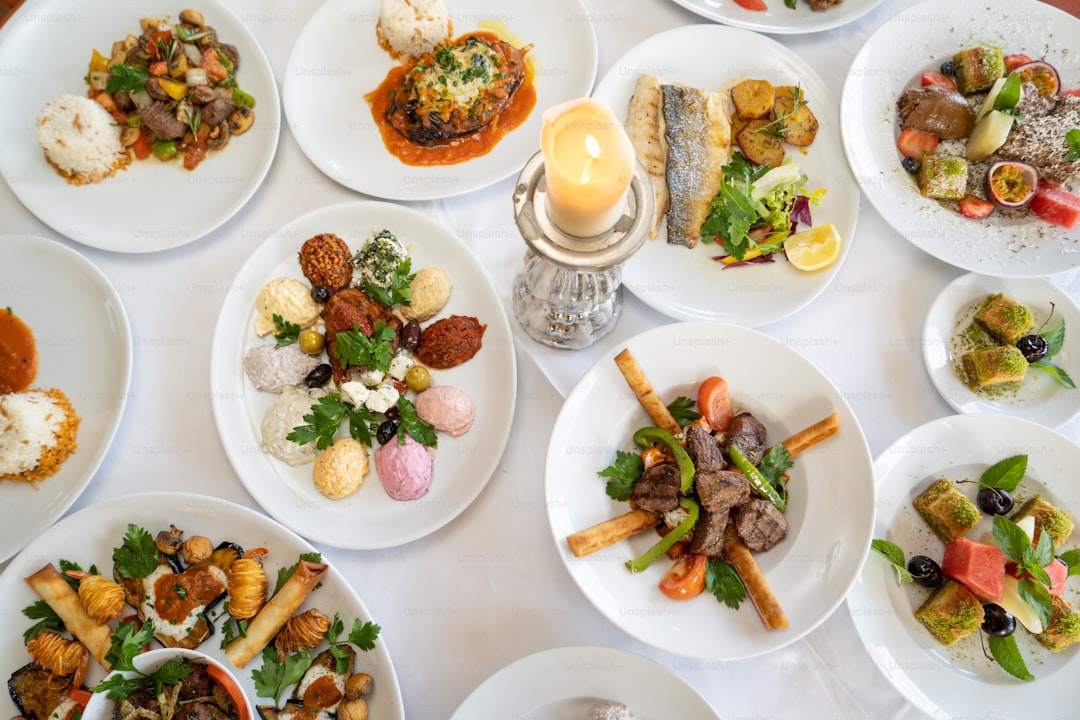
When you really start digging into where your food comes from, you realize that the most memorable meals are rarely just about what’s sitting on the plate. It’s about the entire ecosystem—the farms, the soil, and the centuries of labor that get those ingredients to your table. I’ve noticed that in places like Southern Italy, small-scale farmers are now leaning into agritourism not just as a side hustle, but as a primary pillar for survival. By tagging along for a harvest, you’re not just seeing the scenery; you’re helping protect heirloom crops that the big, global supply chains usually ignore. It’s a way to keep local biodiversity alive while getting a much clearer picture of what authentic, seasonal eating actually looks like.
But this isn’t just happening in rural pastures; it’s being re-engineered in some of the world’s most modern cities. Take Dubai, for instance, where high-end kitchens are now using on-site bioreactors to turn kitchen scraps into fertilizer for vertical herb gardens. It’s a closed-loop system that cuts down on the carbon footprint of transport and imported soil, proving that fine dining can actually be part of the solution rather than just another source of waste. Honestly, it’s a fascinating shift to watch because it forces us to rethink the logistics of how a restaurant functions behind the scenes. When you see a kitchen treating waste as a resource, it changes how you value every single bite you take.
The funny thing is that as the world gets more connected, the hunger for these hyper-local systems only seems to grow. We’re all kind of exhausted by the homogenization of mass-market products, so we’re actively hunting for those regional markers that tell a real story. Those traditional processing methods—like the specific, wild microbial ecosystems found in local fermentation—are basically impossible to replicate in a factory. They aren't just quirks or traditions; they are sophisticated ways of preserving nutrients and flavor that have been refined over generations. When you choose to support these systems while traveling, you’re essentially helping to preserve a living biological archive that keeps unique, resilient food cultures from fading away.
Balancing Indulgence and Health: Making Mindful Choices While Traveling
We’ve all been there—you touch down in a new city, and suddenly the excitement of being somewhere else turns into a total free-for-all at the dinner table. It’s easy to treat a vacation as a total pass to abandon every healthy habit you’ve built, but honestly, that usually leaves you feeling sluggish and disconnected from the experience by day three. I think the secret isn't about being rigid or counting every calorie, but rather finding a flow that respects your body’s needs while still letting you dive headfirst into local culture. It’s really about managing your energy so you can actually enjoy those long days of exploring without needing a nap every four hours.
Think about it this way: your gut-brain axis is already under pressure from travel stress, which can mess with how you digest even the best local meals. If you start by prioritizing fiber-rich starters or just staying hydrated with mineral-heavy water, you’re essentially prepping your system to handle those heavier, indulgent delicacies without the inevitable sugar crash. I’ve found that even small shifts, like eating within a consistent ten-hour window or just slowing down to actually taste the layers in a dish, can keep your metabolism from freaking out when your sleep schedule is already haywire from jet lag. It’s not about restriction; it’s about choosing your moments so you can savor them fully.
At the end of the day, you’re traveling to live, not to be a nutritionist, so don’t overthink it to the point of misery. Maybe it’s just me, but I’ve noticed that if I balance out one massive, unforgettable meal with a lighter, more intentional snack or breakfast, I end up feeling much sharper for the next adventure. It’s a bit of an experiment, right? You’re testing how your body responds to new environments and local ingredients, and honestly, that’s just another part of the journey. If you can keep that balance in check, you’ll find you have way more stamina to actually be present, whether you’re walking through a night market or sitting down for a three-hour bistro lunch.
Curating Your Own Foodie Itinerary: Tips for Discovering Authentic Flavors
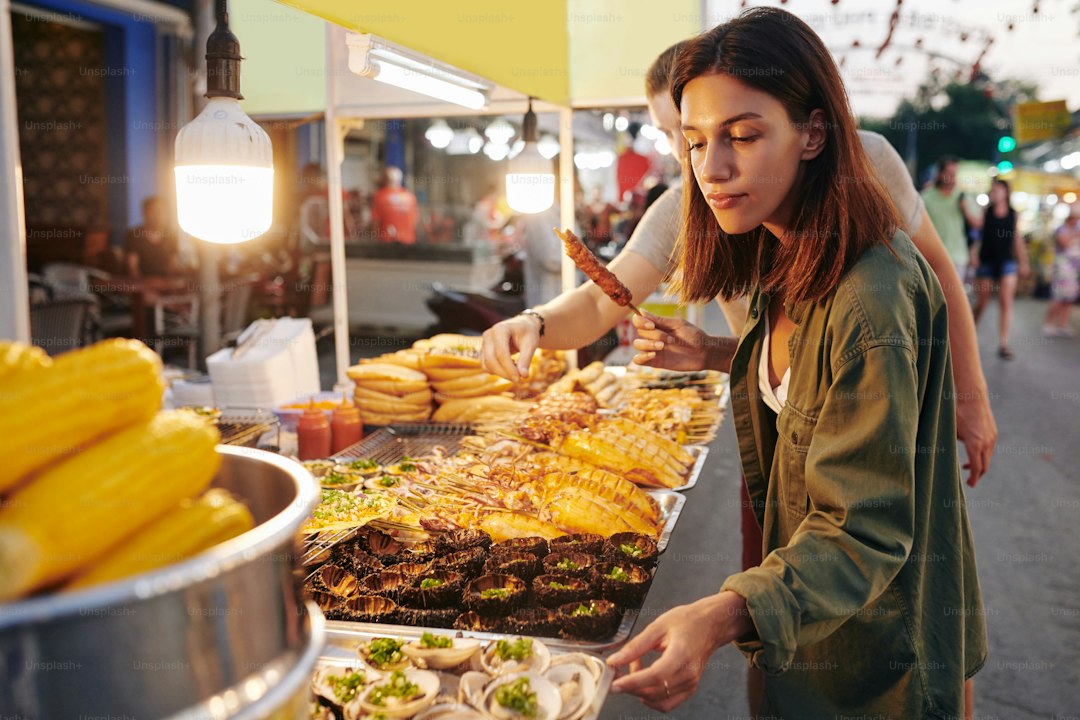
When you’re designing your own culinary roadmap, the secret isn't just picking a popular spot off a list, but looking for the technical markers that signal authentic craftsmanship. I’ve found that the most rewarding meals happen when you prioritize kitchens that truly respect the physics of flavor, like those using carbon steel or copper to hit that precise heat range where proteins sear perfectly without turning into leather. You should look for menus featuring fermented elements like koji or aged soy, as these aren't just trendy additions; they’re packed with glutamates that hit your umami receptors in a way mass-produced ingredients never will. It’s also worth checking if a place sources within a tight radius, as the enzymatic activity of produce harvested at peak maturity is simply superior to anything that has traveled thousands of miles on a truck.
Think about it this way: the environment itself dictates the flavor. If you’re at a high altitude, water boils at a lower temperature, meaning a local chef has to adjust their cooking times and methods to get that perfect texture in a stew or soup. Or take fermentation, where the specific indigenous yeast strains of a region create a flavor profile that is biologically impossible to replicate in an industrial lab. I always suggest paying attention to the acidity in house-made pickles or sauces, as a controlled pH level doesn't just keep you safe, it’s the primary tool for cutting through heavy fats and lifting those hidden aromatics. When you start observing these details, you’re not just eating; you’re effectively conducting your own field research on why a specific dish tastes the way it does in that specific corner of the world.
And don't overlook the utility of modern, precise technology like sous-vide in these traditional settings, as it’s often used to gently break down collagen into gelatin in ways that standard stovetop methods just can't match. It’s that intersection of ancestral knowledge and modern process that really defines a memorable food destination. If you find a place that’s obsessing over their water mineral content for coffee or the specific aeration of their tea, you know you've landed on something special. It might feel like a lot of variables to track, but honestly, it makes the whole process of discovery so much more satisfying. Just trust your gut—if you see a kitchen treating their ingredients with this kind of technical precision, pull up a chair, because you’re about to experience the absolute best of what that region has to offer.
Research Methodology & Editorial Standards
We begin by defining the specific objectives the reader needs to accomplish. Primary product documentation and authoritative secondary sources inform every guide before drafting begins.
Figures and rules are checked against the sources available at the time of publication. Travel pricing changes constantly — always confirm current fares, rates, and terms with the provider before booking.