
What travelers need to know about the hantavirus risk
When we start digging into the risks of hantavirus, it’s easy to get overwhelmed by the scary headlines, but I think it helps to look at the facts objectively to keep things in perspective.

Understanding Hantavirus: Origins, Transmission, and Rare Risks
When we start digging into the risks of hantavirus, it’s easy to get overwhelmed by the scary headlines, but I think it helps to look at the facts objectively to keep things in perspective. Most hantaviruses are actually host-specific, meaning they usually stick to a single species of rodent, like the deer mouse that carries the Sin Nombre virus. Think of it as a quiet, biological handshake between the virus and its host that rarely makes the jump to us. Unlike other viruses you might have heard of, it doesn't usually spread through bites, but rather through the aerosolization of dried urine, feces, or saliva—basically, you inhale the particles after cleaning up an area where rodents have been hanging out.
But here is the thing that really stands out when you look at the research: the Andes strain is the outlier here. It’s the only one we know of that can pass between humans through close contact, which is exactly why it’s caught the eye of global health researchers who worry about its potential for wider outbreaks. That said, even if you’re traveling, these incidents are incredibly rare. We’ve seen scenarios, like recent cases on cruise ships, where the virus pops up in unexpected, contained environments, reminding us that we should always be mindful of our surroundings, especially in poorly maintained spaces where dust might accumulate.
The illness itself, known as hantavirus pulmonary syndrome, is actually a bit of a trick on the body. It’s not just the virus causing the damage; it’s your own immune system overreacting, which leads to fluid leaking into the lungs and makes it hard to breathe. I find it fascinating—in a grim way—that the virus can circulate so silently in the wild for years without the rodents ever getting sick. Because the virus is actually quite fragile, it’s easily handled with standard disinfectants like bleach, which honestly makes me feel a lot better about the effectiveness of simple hygiene. You really don't need a hazmat suit to stay safe, just a bit of awareness about where you're staying and keeping your living space clean.
Assessing the Threat: Should Travelers Actually Be Worried?
I know it’s easy to spiral when you’re reading about rare diseases, but let’s pause and look at the actual numbers because the gap between the scary headlines and the reality of your trip is pretty massive. When we talk about assessing the threat, it’s helpful to remember that hantavirus isn’t something you catch in a bustling city or a typical hotel; it’s an environmental hazard that requires very specific, and frankly avoidable, circumstances. While the mortality rate for hantavirus pulmonary syndrome sounds terrifyingly high—often hovering between 30% and 40%—we have to keep in mind that the vast majority of travelers will go their entire lives without ever crossing paths with a carrier. You aren't dealing with a highly contagious virus that spreads through airport crowds; it’s a localized, environmental issue linked to direct contact with rodent habitats. Honestly, the risk is statistically negligible for almost everyone, provided you aren't spending your vacation clearing out long-abandoned, dusty sheds in rural wilderness areas.
The real challenge for clinicians is that the incubation period can drag on for up to eight weeks, which makes it tricky to connect a fever back to a specific hike or stay once you're already home. Because early symptoms look so much like a standard flu, it’s easy to dismiss them, but if you’ve been exploring remote, rustic spots, it’s just smart to mention that travel history to your doctor if you start feeling off. We know that these viruses are ancient, having co-evolved with rodents for millions of years, so they aren't some new, mysterious plague waiting to disrupt your life. They’re just part of the ecosystem in certain rural pockets, and knowing that is half the battle. You don't need to fear the outdoors, but you should respect it by being aware of where you’re hanging out, especially in places where dust has been sitting undisturbed for a long time.
Think about it this way: your best defense isn't a medical intervention or a specialized suit, but simple, common-sense behavior that breaks the chain of transmission. If you’re staying in a rustic cabin or visiting a remote area, skip the sweeping or vacuuming—which just kicks up dust—and opt for a damp cloth or disinfectant instead. Sunlight is your best friend here, as UV radiation is fantastic at naturally degrading these viral particles, which is why you’ll almost never hear about this risk in open, sunny spaces. It really comes down to being a bit more observant in places that look like they’ve been closed up for a while. We aren't talking about a massive public health crisis for the average traveler, but rather a small, manageable risk that you can pretty much eliminate just by keeping your space clean and staying out of rodent-heavy areas.
Lessons from Recent Outbreaks: Cruise Ships and Public Spaces
When we look at the recent headlines surrounding cruise ship outbreaks, it’s easy to feel like these massive vessels are just giant, floating petri dishes waiting for a disaster. But if you take a step back and really look at the mechanics of why these things happen, you realize it’s less about bad luck and more about the unique architecture of modern maritime travel. These ships are essentially closed-loop ecosystems; they rely on centralized ventilation systems that, while great for climate control, can potentially circulate aerosols across various cabins if they aren't equipped with top-tier filtration. Because we’re packing so many people into a high-density, contained environment, the proximity between passengers and crew is unlike almost anywhere else you’d travel. It’s a reality of the design—when you have shared piping, service corridors, and internal pathways, you’re creating potential highways for rodents to move throughout the vessel undetected.
Here is what I find most fascinating about the data: while we usually think of hantavirus as a "wilderness" issue, the Andes strain is a complete outlier because it’s the only one capable of human-to-human transmission. This turns a standard environmental risk into something far more dynamic and urgent, which is why health officials treat these ship-based outbreaks as a critical "dress rehearsal" for larger public health responses. The real danger isn't necessarily the ship itself, but the possibility of a single infected rodent or person entering a space where the air exchange is limited and the turnover of passengers is so rapid that contact tracing becomes a logistical nightmare. It’s the perfect storm for a pathogen, which is exactly why labs have shifted their focus to identifying these specific viral signatures much faster than we were capable of just a few years ago.
Honestly, the biggest lesson here for any of us traveling is to stop assuming that "clean" always means "sterile." Hospitality standards are often focused on the aesthetics—making sure the surfaces look polished for the next guest—rather than the deep, systematic disinfection needed to actually neutralize microscopic environmental reservoirs. It’s a bit of a wake-up call to realize that the same engineering that keeps our cabins perfectly cool might also be doing the heavy lifting in circulating particles if things aren't maintained properly. But don't let this turn you into a nervous wreck before your next trip. Most of these risks are becoming much more manageable as maritime engineering upgrades to better air filtration, and knowing that the virus is actually quite fragile gives me a lot of confidence that simple, rigorous protocols can keep us safe. Just stay observant, keep your space tidy, and remember that you’re dealing with a system that, while complex, is increasingly being designed to stay a few steps ahead of these risks.
Recognizing the Symptoms: What to Watch for During and After Your Trip
When we talk about tracking symptoms, I think it’s important to acknowledge that the early warning signs of hantavirus are deceptively mundane. You’re likely to start with what feels like a run-of-the-mill flu, characterized by fatigue, fever, and those deep, aching pains in your large muscle groups like your thighs, hips, and back. But here is the critical distinction: unlike a standard virus that lingers, this syndrome often features a rapid, alarming shift toward respiratory distress within four to ten days. You might notice a dry, non-productive cough that feels different—more like a tightening in your chest—that quickly escalates into real shortness of breath. It’s also worth noting that gastrointestinal issues, like nausea or abdominal pain, show up in nearly half of all cases, often appearing before the breathing trouble even starts.
If you’re monitoring your health after returning from a remote or rustic trip, you really need to be hyper-aware of how fast these symptoms can change. Clinicians often point to a specific pattern where a patient seems stable in the morning but faces significant respiratory failure by the afternoon, which is why waiting to see if things improve is never the right call. Beyond the obvious cough, medical professionals watch for subtle cues like a pulse rate that seems way too fast for the level of fever you’re running, or a general feeling of dizziness that creeps in as your body struggles to oxygenate properly. If you find yourself in this situation, don't rely on whether your travel companions are sick; because the virus is typically contracted from an environment rather than another person, their health status is irrelevant to your own risk.
Honestly, the most dangerous thing you can do is downplay these symptoms just because they started out mild. While the lab work that identifies things like low platelet counts or elevated hematocrit levels is for doctors to handle, you can act on your own intuition the moment breathing becomes even slightly labored. If you’ve spent time in a cabin or a space that felt a bit neglected and you suddenly experience rapid, shallow breathing, you need to head to an emergency department and explicitly mention your travel history. It’s not about living in fear of every sneeze, but it is about being smart enough to connect the dots when your body is signaling that something is fundamentally off. Trust your gut—if you feel like you're struggling to catch your breath, don't wait for the situation to resolve itself.
Practical Prevention Strategies for Travelers in High-Risk Areas
When you’re planning a trip to more remote areas, it’s easy to focus on packing lists and flight times while forgetting that your biggest health risks are often just environmental, not biological. Let’s dive into how you can actually protect yourself, because honestly, the best approach isn’t about being paranoid, but about being strategic. Think of it this way: the virus doesn't just hang out in the air waiting for you; it needs a specific environment—dark, cool, and undisturbed—to survive in rodent droppings or nesting materials. If you’re staying in a rustic cabin or a remote lodge, the single most effective thing you can do is avoid kicking up dust in spaces that haven’t been occupied for a while. Instead of grabbing a broom or a vacuum, which just sends those particles flying into the air for you to inhale, grab a damp cloth or a standard household disinfectant to wipe things down.
It turns out that sunlight is one of your greatest allies here, as UV radiation breaks down those viral particles surprisingly fast. If you’re checking into a cabin, leave the windows and doors open for a bit to let the fresh air and light circulate, which honestly does more to neutralize the area than a frantic scrubbing ever could. If you absolutely have to clean a space that looks like it’s been closed off for months, wearing an N95 respirator is the gold standard for a reason. It sounds a bit intense for a vacation, I know, but it’s the only way to ensure you aren't inhaling concentrated particles during that initial, messy disturbance of dust.
Also, don't overlook the simple physics of these structures. Rodents are impressive little climbers, and they can squeeze through gaps as small as a quarter-inch, so if you notice obvious holes or chewed-up wiring in your accommodation, maybe consider asking for a different room or just being extra cautious about where you store your food. Since the virus is essentially encased in a lipid envelope, it’s actually quite fragile and easily dismantled by basic soap or standard bleach solutions. You don't need expensive gear or complex protocols; you just need to keep your living space tidy and be mindful of where you’re hanging out. It’s all about breaking the chain of transmission before it ever gets a chance to start, so keep things clean, keep the air moving, and enjoy the adventure without the unnecessary worry.
When to Seek Medical Attention: Expert Advice for International Travelers
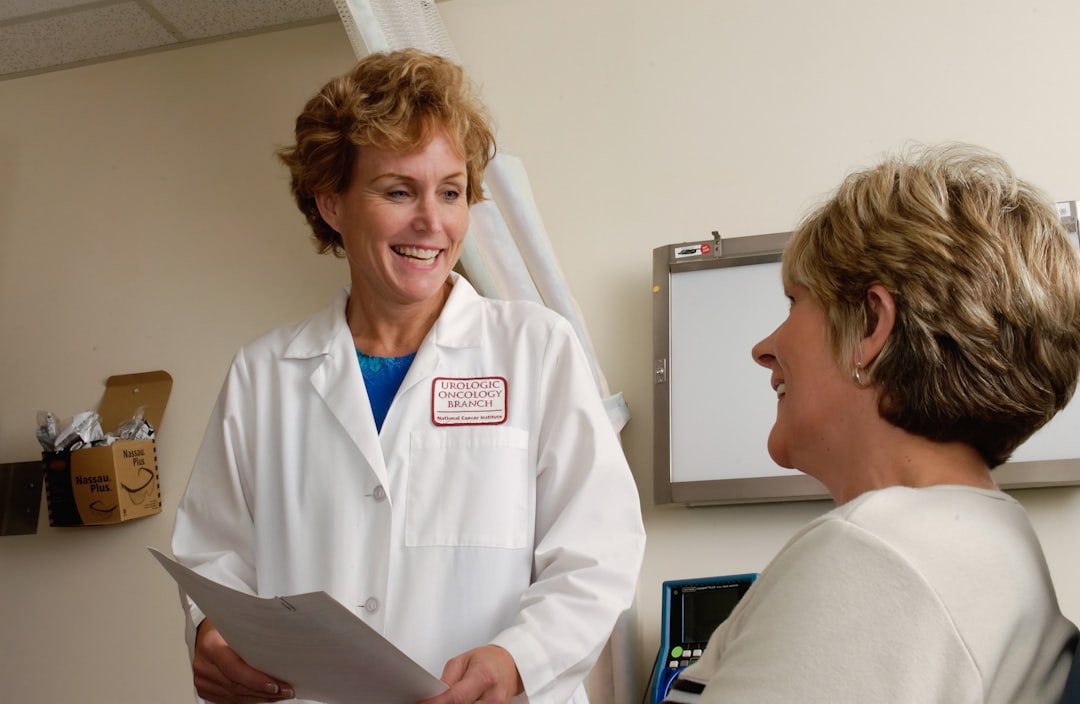
When you’re out exploring remote corners of the globe, the last thing you want to think about is a medical emergency, but I’ve learned that having a clear plan for when to seek help is honestly the most empowering thing you can do for your peace of mind. We’re going to dive into the specific markers that differentiate standard travel fatigue from something that requires urgent clinical intervention. It’s not about being hyper-vigilant during every hike or stay, but recognizing that if you’ve spent time in rural, rustic environments and start feeling off, your standard flu-like symptoms might actually be something that needs a doctor’s direct attention. Let’s talk about the specific warning signs and why moving quickly is your best strategy.
The clinical reality is that hantavirus pulmonary syndrome doesn’t always announce itself with neon warning signs; in fact, it often masks itself as a mundane, run-of-the-mill viral infection. If you’re feeling those deep, aching pains in your back or thighs and notice a fever that just won't quit, you really shouldn't wait for things to "settle down" on their own. Because the disease can progress from a mild cough to severe respiratory distress with frightening speed—sometimes within a single afternoon—you need to be the one who flags your travel history to a clinician immediately. If you're using a portable pulse oximeter, keep a close eye on your oxygen saturation levels, as any dip is a clear signal that it's time to head to an emergency department rather than a local urgent care clinic.
The biggest mistake I see travelers make is assuming that because they’ve been home for a few weeks, any current illness is unrelated to their trip, but that eight-week incubation window is a real factor you have to keep in mind. I think it’s also important to realize that gastrointestinal issues like nausea or abdominal pain are common red herrings that often lead people to mistakenly assume they just ate something bad. Don’t let a misdiagnosis of simple food poisoning keep you from speaking up; if you’ve been in a high-risk area, explicitly mention that to your doctor. Getting that specific serologic testing done early is the difference between getting the right supportive care and losing precious time, so trust your gut and don't hesitate to be your own strongest advocate when your breathing starts to feel even slightly labored.
Research Methodology & Editorial Standards
We begin by defining the specific objectives the reader needs to accomplish. Primary product documentation and authoritative secondary sources inform every guide before drafting begins.
Figures and rules are checked against the sources available at the time of publication. Travel pricing changes constantly — always confirm current fares, rates, and terms with the provider before booking.