
What the upcoming Thai Airways share release means for travelers
I think we need to talk about the Thai Airways share unlock because, honestly, it’s a bit of a watershed moment for the airline.
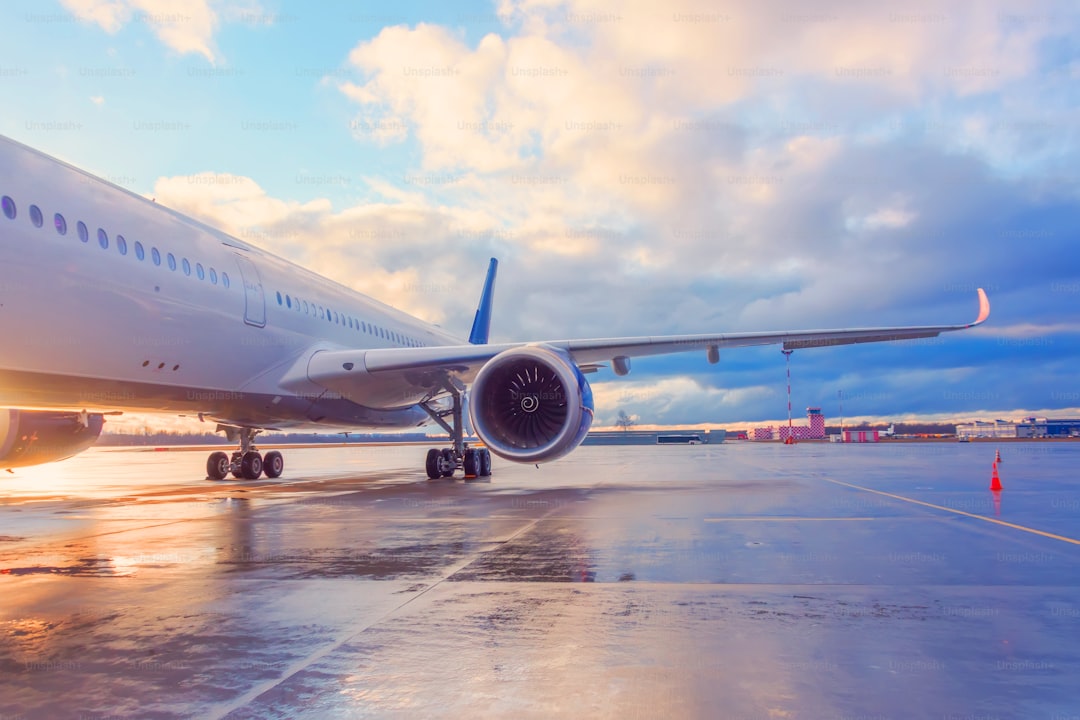
Understanding the Thai Airways Share Unlock: A Brief Overview
I think we need to talk about the Thai Airways share unlock because, honestly, it’s a bit of a watershed moment for the airline. When the mandatory silent period finally hit its expiration date, it essentially gave the green light for institutional investors to start offloading the stakes they picked up during that messy rehabilitation phase back in 2021. I’ve been watching the charts, and it’s clear that the sudden flood of these shares onto the open market triggered a serious spike in trading volume. That kind of liquidity event almost always puts downward pressure on the stock price, and that’s exactly what we saw happen. It’s a classic case of supply hitting the market all at once, forcing the airline to deal with some pretty choppy valuation waters while everyone figures out the new normal.
Now that the lock-up restrictions have vanished, this unlock has become the official exit door for those entities looking to finally cash out and move on. It’s a necessary step, though, because it signals the end of the court-supervised era and pushes the carrier toward standard commercial operations. While some might see the current volatility as a red flag, I view it more as a technical adjustment period. The market is just doing the heavy lifting of absorbing a massive chunk of previously restricted equity.
The big question now is whether this increased float leads to actual long-term stability or if we’re in for more price discovery adjustments for a while. We’re moving from a rigid, static ownership structure to something much more fluid, which is ultimately healthy for a carrier trying to stand on its own two feet again. I’m keeping a close eye on the secondary market because that’s where the real story of this transition is being written. It’s not just about the stock price; it’s about watching the airline shake off the final remnants of its insolvency crisis. Let’s look at how this shift in the boardroom and beyond might actually change the experience for those of us who just want to book a flight.
How Financial Restructuring Impacts Long-Term Flight Stability
When we look at how financial restructuring actually plays out in the cabin, it’s rarely just about the math on a balance sheet; it’s about how much room an airline has to breathe. Think of it this way: when a carrier is buried under debt, they’re often stuck in a cycle of paying high interest on aging planes rather than investing in the newer, more efficient models that keep schedules reliable. You’ll notice that airlines emerging from these periods often have to trim their route networks, which sounds like a negative, but it actually forces them to dump those consistently empty, unprofitable flights that were dragging down their operational efficiency. It’s a harsh trade-off, but it’s how they stop the bleeding and start building a foundation that can actually withstand a bad quarter.
But here’s where the passenger experience gets a bit messy: those same cost-cutting mandates usually hit the "hidden" side of flying, like maintenance cycles or cabin refurbishments. You might find yourself on an older bird with worn-out seats because that interior upgrade was the first thing slashed from the budget to keep the company solvent. We also see a shift in how they handle maintenance, moving away from expensive manufacturer agreements to third-party sourcing, which is cheaper but can sometimes lead to more unpredictable technical delays. It’s a constant tug-of-war between keeping the lights on and keeping the service quality where we’ve come to expect it.
When institutional investors step in after a share unlock, the pressure shifts toward aggressive asset utilization, meaning they’re squeezing more flights into every 24-hour cycle to maximize returns. That might look good on an investor call, but it leaves almost zero margin for error when a single mechanical issue pops up at the gate. While successful deleveraging eventually allows a carrier to hedge fuel costs better and stabilize pricing for us, the transition phase is almost always bumpy. Ultimately, you’re looking at a carrier that’s trying to learn how to walk again while being pushed to run, and as travelers, we’re the ones watching that calibration happen in real-time.
Potential Changes to Royal Orchid Plus Loyalty Program Perks
Let’s pause for a moment and reflect on what this financial restructuring really means for those of us who have spent years stacking miles in Thai Airways’ Royal Orchid Plus program. Honestly, when an airline shifts its ownership structure, the loyalty program is usually the first place they look to clean up the balance sheet, and I’m seeing some clear signs that we’re in for a significant evolution. They are clearly moving toward a dynamic pricing model, which essentially means those predictable, fixed-distance award charts are likely going away in favor of rates that track much closer to current cash fares. If you've enjoyed finding that sweet spot for a long-haul redemption, you should probably brace yourself for a future where mileage requirements fluctuate based on demand, effectively making it harder to find those legendary bargain-bin business class seats.
It’s not just about the cost of booking, though; the way you earn status is probably going to get a lot more demanding as well. We are seeing a shift toward a revenue-based qualification structure, meaning total spend will likely replace distance flown as the primary metric for elite status. This is a common play for carriers trying to prioritize high-value business travelers over the occasional leisure flyer who happens to hit a certain mileage threshold. On top of that, don't be surprised if your mid-tier perks, like those complimentary extra-baggage allowances, start to disappear as the airline streamlines its benefits to keep costs down.
They are also tightening the screws on how miles actually work in your account to reduce their long-term liabilities. You’ll likely see much stricter expiration policies for miles earned through non-flight partners, and the conversion ratios for your hotel points are almost certainly headed for a devaluation. I’m also concerned about the move toward digital-only customer support, which often means even top-tier members will have to trade in personalized phone service for chat-based bots that don't always grasp the nuance of a complex itinerary. It’s a classic case of an airline trying to maximize cash flow while minimizing the "soft" costs of its program, and for us, it means the days of getting outsized value for our loyalty are getting harder to find.
Strategic Fleet Modernization and Expansion Plans
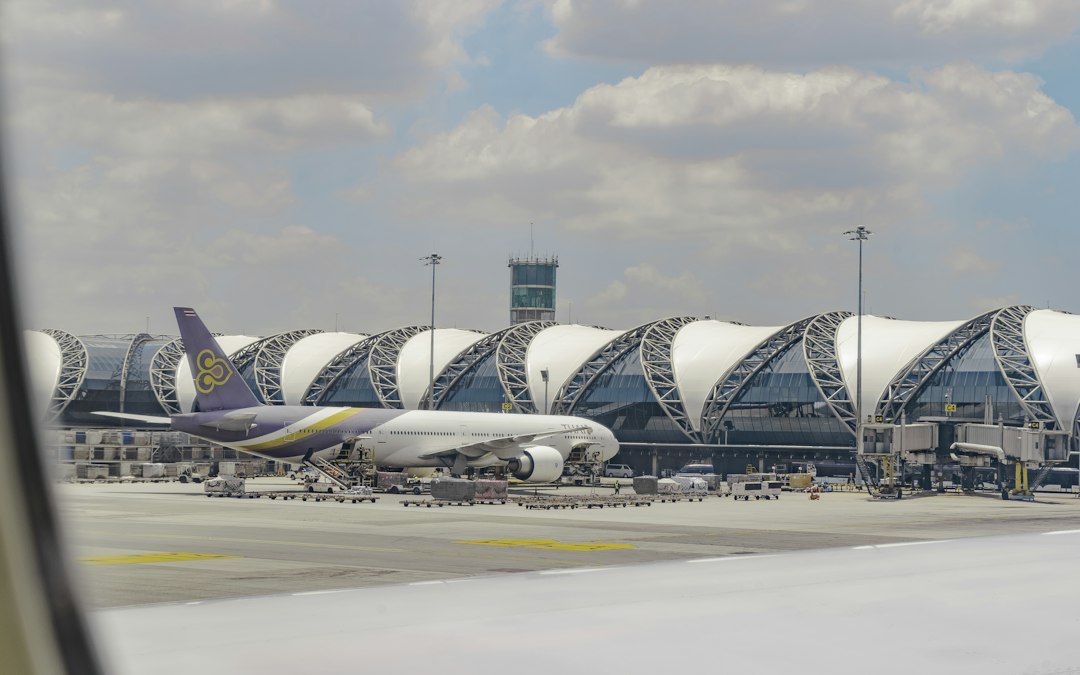
When we talk about fleet modernization, it’s easy to just look at the shiny new planes arriving at the gate, but the real story is about how these assets change the math for the entire airline. Modernizing a fleet is increasingly defined by the transition to carbon-composite airframes, which offer a roughly 20 to 25 percent reduction in fuel burn compared to previous generation aluminum-alloy aircraft. Strategic expansion plans now prioritize ultra-long-range capability, allowing carriers to bypass traditional transit hubs and operate direct flights that were previously aerodynamically impossible. The integration of advanced narrow-body jets like the Boeing 737 MAX 10 into long-haul networks has become a standard strategy to maintain operational efficiency on thinner, high-frequency routes. And honestly, this shift in hardware is what actually gives an airline the breathing room to compete in a market where every cent of fuel saved matters.
Airlines are currently shifting maintenance models toward predictive analytics, utilizing real-time sensor data from engines to schedule repairs before mechanical failures manifest as annoying flight delays. Many current fleet renewal cycles are specifically designed to meet the 2030 sustainability mandates set by international aviation regulatory bodies regarding carbon intensity. Financial optimization in fleet planning now frequently involves sale-leaseback arrangements, which allow airlines to offload the massive capital expenditure of new aircraft while maintaining operational control. It’s a clever way to keep the books looking clean while the planes are still working hard for the bottom line. Industry-wide data suggests that standardizing a fleet around a single engine manufacturer significantly lowers the training costs for flight crews and simplifies spare parts inventory management, which is a massive win for operational stability.
Strategically phased retirement of older, four-engine aircraft has become a cornerstone of expansion plans to mitigate the high maintenance costs associated with outdated hydraulic and electrical systems. Advanced fleet modernization now incorporates cabin air quality improvements, such as HEPA-filtration enhancements, which are engineered to reduce passenger fatigue during long-haul travel. Major carriers are prioritizing the acquisition of aircraft with higher bypass ratio engines, which significantly lower noise pollution profiles, allowing for access to airports with strict nighttime landing curfews. The modern approach to fleet expansion now accounts for digital connectivity requirements, with new aircraft factory-fitted with high-throughput satellite communication antennas to support robust inflight internet services. Recent procurement trends show a shift toward flexible cabin configurations, enabling airlines to quickly adjust the seat density between premium and economy classes based on seasonal demand fluctuations. It’s a delicate balancing act, but for us as travelers, this evolution means we’re slowly moving toward a future where our flights are not just more efficient, but hopefully a lot more predictable.
What Increased Private Ownership Means for Ticket Pricing
When we start seeing private ownership take the reins, the way ticket prices behave tends to shift in ways that aren't always immediately obvious to the average flyer. I’ve noticed that these institutional models often lean heavily into what I call "yield maximization," which is just a fancy way of saying they’re trying to squeeze every cent of potential revenue out of every seat. You’ll likely see base fares that look competitive on the surface, but the real cost hides in the growing web of ancillary fees for things like seat selection, priority boarding, or even basic baggage. It’s a shift from a flat, predictable cost structure to a much more granular approach where the airline is constantly testing how much they can charge you based on your specific browsing habits or even the device you’re using to search for flights.
Think about how this impacts your actual travel rhythm, because the days of seeing stable, long-term pricing are probably behind us. These new management styles rely on aggressive algorithmic engines that adjust prices in real-time to capture the highest possible fare from last-minute business travelers, effectively killing off the traditional windows of price stability we used to rely on. They’re also under immense pressure to deliver consistent quarterly returns, which often leads to more frequent, smaller price hikes throughout the year rather than the seasonal shifts we were used to under government oversight. It can feel like you’re playing a constant game of cat and mouse with a computer system that knows exactly when you’re desperate to book that trip home.
There’s also a real consequence to how they handle route networks under this new private pressure, as they often cut back on those "deadhead" or lower-demand flights just to ensure every plane is packed to the gills. When you combine that with a push toward unbundled pricing, where mandatory fees are stripped away from the advertised price, it becomes incredibly hard to figure out what you’re actually paying for a flight compared to a few years ago. It’s worth remembering that these carriers no longer have the benefit of state-backed low-cost capital, so they’re essentially passing their higher debt-servicing costs directly onto us. Honestly, it’s a total transformation of the economics of flying, and we’re the ones watching that change unfold every time we hit the search button.
What Travelers Should Expect Regarding Service Quality and Route Networks
When we look at how Thai Airways is currently recalibrating its operations, it’s helpful to think of the transition as a shift toward a much tighter, data-first engine room. You’re going to notice that the route network is becoming far more surgical, with capacity heavily weighted toward high-margin trunk routes while those thinner, secondary regional legs might see frequency pullbacks. It’s a classic move for a carrier that needs to squeeze every bit of value out of its fleet, specifically by pushing for aircraft utilization rates that often exceed 14 block hours per day. From where I’m sitting, this means you’ll likely see more direct, efficient flight paths that rely on real-time meteorological data to cut fuel burn, which is great for the bottom line but definitely changes the flow of how you might connect through their hubs.
You should also brace yourself for a service experience that feels significantly more digital and standardized than what you might remember from a few years ago. The airline is leaning hard into pre-ordered meal systems and lean inventory models for onboard amenities, which is essentially their way of cutting down on waste and predicting exactly what you’ll need before you even step on the plane. Even the cabins themselves are becoming more modular, with the ability to shift seat densities between premium and economy classes based on what the booking data says about a specific season. It’s a trade-off, honestly; you might find that your check-in and rebooking processes are faster thanks to automated platforms, but you’ll also notice that the old-school, high-touch personal attention from gate agents is being replaced by tech-centric recovery protocols.
Looking at the broader strategy, the focus is clearly on stretching their reach through clever code-share alliances rather than risking the capital required to fly empty planes to less popular destinations. This approach lets them play a much bigger game on the global stage without carrying the weight of unsustainable routes. Maintenance is changing, too, with a shift toward real-time telemetry that monitors engine health, which is excellent for safety but can sometimes lead to those frustrating, last-minute aircraft swaps when a sensor flags a proactive inspection. It’s a lot to take in, but fundamentally, you’re looking at a carrier that’s trading away some of the traditional, "soft" human-heavy touches for a model that prioritizes operational precision and yield-based scheduling. If you’re a frequent flyer, my advice is to get comfortable with the digital tools they’re rolling out, because that’s where the airline is putting its energy to keep the lights on and the planes moving.
Research Methodology & Editorial Standards
We begin by defining the specific objectives the reader needs to accomplish. Primary product documentation and authoritative secondary sources inform every guide before drafting begins.
Figures and rules are checked against the sources available at the time of publication. Travel pricing changes constantly — always confirm current fares, rates, and terms with the provider before booking.