
United Airlines flight attendants secure major contract with significant pay raises
If you've been watching the headlines lately, you’ve probably noticed a trend of five-year labor agreements popping up across everything from civil service unions to major manufacturing and the aviation sector.
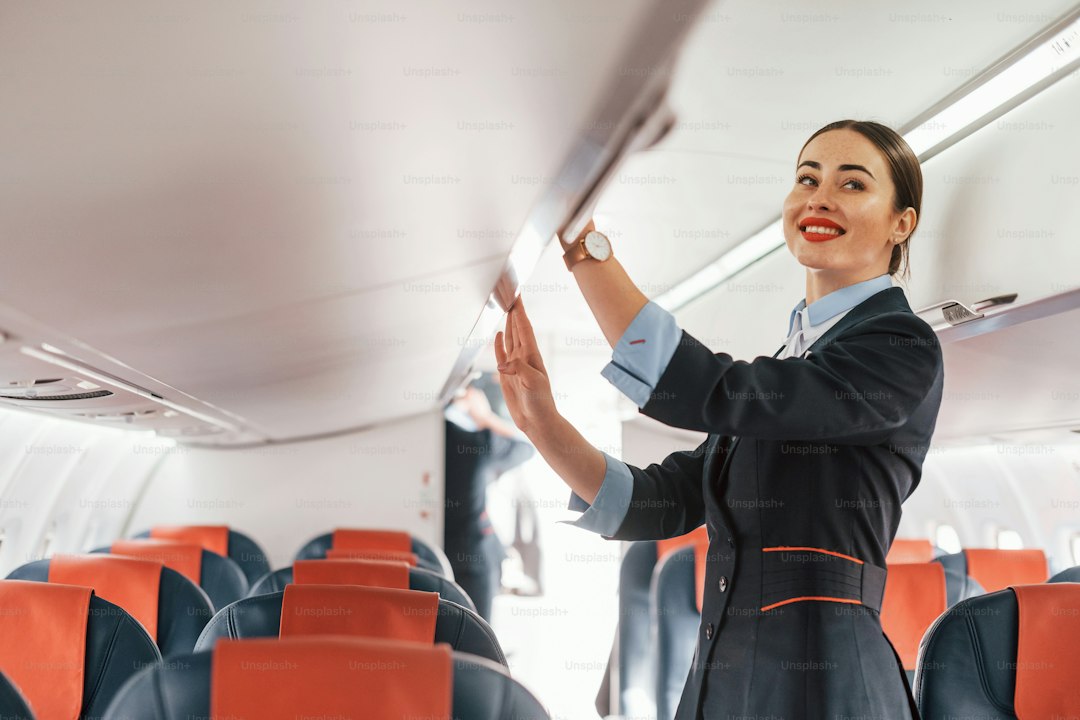
Understanding the New Five-Year Labor Agreement
If you've been watching the headlines lately, you’ve probably noticed a trend of five-year labor agreements popping up across everything from civil service unions to major manufacturing and the aviation sector. It’s not just a coincidence; these long-term deals are clearly the industry’s current preferred way to hit the reset button on labor relations. When we talk about United Airlines flight attendants specifically, this new five-year contract isn't just about a single win—it’s a massive structural shift that sets the tone for how the airline will operate through 2031. It’s honestly a fascinating case study in how labor and management are trying to build predictability into an otherwise volatile industry.
Let’s look at the mechanics of what’s actually changing here. This deal goes well beyond simple wage hikes, even with the significant 31% raises we’ve seen reported. The agreement introduces a complete overhaul of the scheduling system, which is honestly a big deal for anyone who knows the frustration of current duty-hour inefficiencies. By automating seniority-based bidding and tightening the integration of fatigue-risk management into daily workflows, the airline is essentially trying to trade higher pay for a more modern, data-backed operational model. It’s a classic trade-off: the staff gets long-term income security that outpaces historical averages, while the company gains a more stable, predictable schedule that hopefully reduces the burnout-driven turnover we’ve seen in recent years.
What I find really interesting is the move toward a collaborative oversight committee to monitor cabin service standards, which is a rare inclusion that might actually change the day-to-day dynamic in the galley. Instead of just setting rules and hoping for the best, both sides are now contractually required to sit down and watch how these changes play out in real time. We’re also seeing a clear effort to hedge against inflation through built-in wage progression tables and adjusted benefits that track with medical costs. It’s a dense document, but when you strip away the legalese, it’s a clear signal that both management and the union are betting on a shared future rather than just fighting over the current bottom line.
Breaking Down the 31% Average Wage Increase
Let’s pause for a moment to really unpack what this 31% number actually represents, because it is easy to see that headline and assume it is just a simple raise. In reality, that figure is a calculated blended rate that balances immediate base pay bumps with the compounding effect of annual step increments over the next five years. This is a massive departure from the industry’s historical norm, where we were usually looking at cumulative increases sitting in the low double digits. By front-loading the most significant gains into the first two years of the contract, the deal provides a concrete shield against the inflationary pressures we have all been feeling lately, while also accounting for retroactive pay to cover the time spent at the negotiating table.
Think of this as a strategic recalibration of what a flight attendant’s career path looks like compared to the broader economy. The new pay-progression tables are explicitly designed to align these roles more closely with the upper-middle-class income brackets we are seeing in recent national data, which is a major shift in how the profession is valued. They have also standardized pay across different aircraft types, effectively wiping out those old, frustrating discrepancies where your earning potential was tied more to the size of the plane you flew than your actual experience. By factoring in regional cost-of-living indices, the agreement is clearly trying to tackle the retention problem head-on, specifically in those expensive hub cities where housing costs have been pushing people out of the industry entirely.
What strikes me as particularly clever is how the airline has integrated these costs into a long-term capital plan, treating labor as a core investment rather than just a line item to be minimized. They have even included a safety valve: if the Consumer Price Index for airline services spikes beyond certain levels, there are built-in mechanisms to revisit those mid-term wage scales. It is a sophisticated way to manage volatility, and frankly, I suspect it is going to force every other major carrier to rethink their own compensation models if they want to avoid a massive talent drain to United. This isn't just a win for the union; it is a fundamental shift in how the entire U.S. aviation sector is going to have to account for labor costs moving forward.
Retroactive Pay: A $740 Million Payout for Staff
When we start looking at the sheer scale of this $740 million retroactive payout, it’s easy to get lost in the nine-figure headline, but for the flight attendants at United, this is essentially a major liquidity event that corrects years of stagnation. Think of it as a massive, one-time adjustment that bridges the widening gap between the wages they were earning under an expired contract and the new, modern market rates established by this 2026 agreement. It’s important to note that this isn't just a flat check handed out across the board; the math behind it is actually quite precise. The total sum was calculated based on a formula that weighs individual hours worked during the long bargaining period, meaning your specific payout is directly proportional to your time in the air during those years.
And honestly, the logistical lift required to make this happen is staggering when you consider it meant auditing over 25,000 individual employee records to catch every nuance in seniority and base assignments. Because these funds are classified as supplemental wages for tax purposes, you’re looking at specific withholding rates that are different from your standard, recurring bi-weekly paycheck, which is something I’d definitely keep an eye on when the deposits finally hit. It’s also worth mentioning that this isn't just a simple catch-up on base salary; the calculation includes retroactive premiums for international flying and duty-hour overrides that were previously undervalued. This is really the union’s way of ensuring that the time spent in a holding pattern during negotiations wasn't a total loss for the crew.
From a corporate finance perspective, United isn't just paying this out to be nice; they’ve carefully structured the disbursement to be amortized over the first half of this new five-year deal, which helps them keep the balance sheet stable while buying long-term labor peace. It’s a pretty clever way to handle a massive cash outflow, effectively turning a potential point of extreme friction into a finalized, settled expense. When you compare this to the total operating budgets of some mid-sized regional airlines, the sheer weight of this $740 million figure really highlights just how much the company had to commit to finally move past the most contentious phase of these talks. For you as an employee, this is the definitive end of that long, exhausting chapter, and it finally aligns your compensation with the reality of today's costs.
Introduction of Boarding Pay and Enhanced Benefits
The implementation of boarding pay marks a clear transition from the industry-standard block time model, where flight attendants were historically uncompensated during the critical boarding process, to a model that finally recognizes this window as active work. This shift represents a major evolution in labor accounting, as cabin crews now earn a specific hourly rate for the time passengers are on the aircraft before the doors close. The boarding pay structure is designed to mitigate the long-standing issue of unpaid labor during flight delays, where crews were previously tethered to the aircraft without pay. By formalizing this compensation, the agreement effectively closes the gap that existed between boarding and the traditional start of flight-time pay.
Industry data suggests that this change is expected to increase annual compensation for flight attendants by several thousand dollars, depending on their specific flight rotation profiles. The new benefit package also includes enhanced per-diem structures that track with inflation more rapidly than previous iterations of the contract. A notable feature of these benefits is the introduction of specialized premiums for crews handling complex turn-around flights, which compensates for the higher intensity of cabin service during those tight windows. The contract even includes provisions for automatic pay adjustments if boarding times exceed certain thresholds, providing a real financial incentive for the airline to maintain operational efficiency.
Beyond base pay, the agreement introduces improved health and wellness benefits that prioritize mental health support, a direct response to the heightened stress levels reported by staff in recent years. These benefits are structured to be portable, allowing flight attendants to maintain continuity of care regardless of their frequent transitions between different home bases. Finally, the integration of these enhanced benefits into the core contract ensures that they are protected under the same legal framework as seniority and bidding rights, making them much harder to dilute in future operational restructurings. This comprehensive approach to compensation reflects a broader trend of treating the boarding process as a distinct, billable phase of flight operations rather than an unpaid duty.
Comparison: How United’s Deal Measures Up Against Other Major Carriers
When we look at how this new agreement stacks up against the rest of the industry, it’s clear that United isn't just making a minor adjustment; they’re effectively rewriting the playbook for what a flight attendant contract should look like. Most major carriers still rely on older, tiered compensation models where your paycheck fluctuates based on the specific aircraft you're assigned to, but this deal cuts through that complexity by standardizing rates entirely. It’s a massive win for operational flexibility, and frankly, I suspect it puts other airlines in a really tough spot as they try to compete for the same talent pool. By indexing future wage increases directly to the Consumer Price Index for airline services, they’ve created a shield against inflation that most of their competitors simply don't offer right now.
Think about the boarding process for a second—it’s been the industry’s open secret that crews were working those windows for free. By formalizing boarding pay, United is adding nearly an hour of compensated time to every single flight segment, which completely changes the math on what these roles are actually worth. When you compare this to regional carriers or even some of the other legacy players, the gap in total annual earning potential starts to look pretty staggering. Plus, the introduction of a portable mental health benefit that sticks with you across state lines is a smart, modern move that acknowledges the reality of a job that keeps you on the move.
If you’re looking at the numbers, the combination of these new retirement matches and that 31% wage bump pushes these compensation packages into the 90th percentile for service-sector roles. It’s a high bar, and it’s one that I think is going to force a chain reaction of contract reopeners across the sector. We’re already seeing a, let’s call it, defensive posture from other airlines that are clearly worried about staff migrating toward the better terms here. Whether this leads to a broader, industry-wide shift in labor costs remains to be seen, but for now, United has definitely set the new ceiling that everyone else is going to be judged against.
What This Means for Future Flight Operations and Service
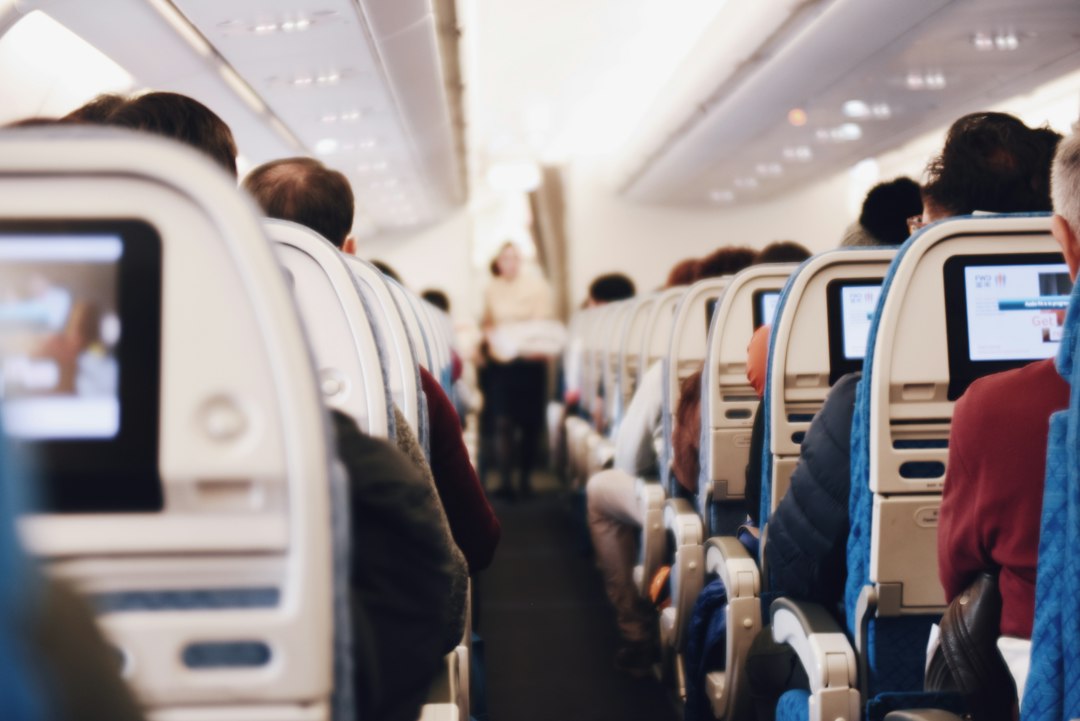
When I look at what this contract actually does for the future of flying, the most striking takeaway is how it moves us away from the old, manual way of running an airline and toward a much more predictable, data-backed model. We’re seeing a real shift where the airline is using predictive staffing to match crew levels with passenger loads before the plane even pulls into the gate, which, honestly, should cut down on those annoying last-minute cancellations we’ve all dealt with. By tying boarding pay to more standardized prep procedures, the company is finally aligning the crew’s pre-departure workflow with the goal of hitting those on-time departure targets. It’s a smart move that turns what used to be a point of friction into a shared operational priority.
And it’s not just about efficiency on paper; the human element is getting a serious upgrade too. I’m really encouraged by the shift toward real-time fatigue-risk management, which uses software to automatically flag assignments that might push someone past their safe biological rest limits. Plus, by standardizing pay across different aircraft types, the airline is finally removing the weird bias where crews might prefer one plane over another just to get a better paycheck, letting them focus on just moving passengers efficiently. It’s a much more logical way to manage a fleet, especially when you consider how those automatic cost-of-living adjustments for crew in expensive hub cities will likely stop that constant, stressful churn of staff just trying to keep up with their rent.
Ultimately, I think this five-year framework acts like a stabilizing anchor for the whole operation, giving the airline the breathing room it needs to plan for actual capital improvements like better cabin interiors or updated fleet tech. Because labor costs are finally locked in, they can actually forecast whether a long-haul route is going to be worth it without guessing how the numbers might shift in a year. We’re also seeing a really collaborative, modern approach where the union and management are effectively using a shared data-sharing protocol to keep an eye on workload intensity. It’s a far cry from the old days of constant, reactive fighting, and if this holds, it really does change the day-to-day reality of the cabin experience for everyone on board.
Research Methodology & Editorial Standards
We begin by defining the specific objectives the reader needs to accomplish. Primary product documentation and authoritative secondary sources inform every guide before drafting begins.
Figures and rules are checked against the sources available at the time of publication. Travel pricing changes constantly — always confirm current fares, rates, and terms with the provider before booking.