
Travel Alerts Major Flood Warnings Impacting Travel Across Five States
We’re tracking five states right now where the situation has hit a breaking point: Washington, Michigan, and Kentucky are at the forefront, with each region battling unique but equally punishing infrastructure failures.
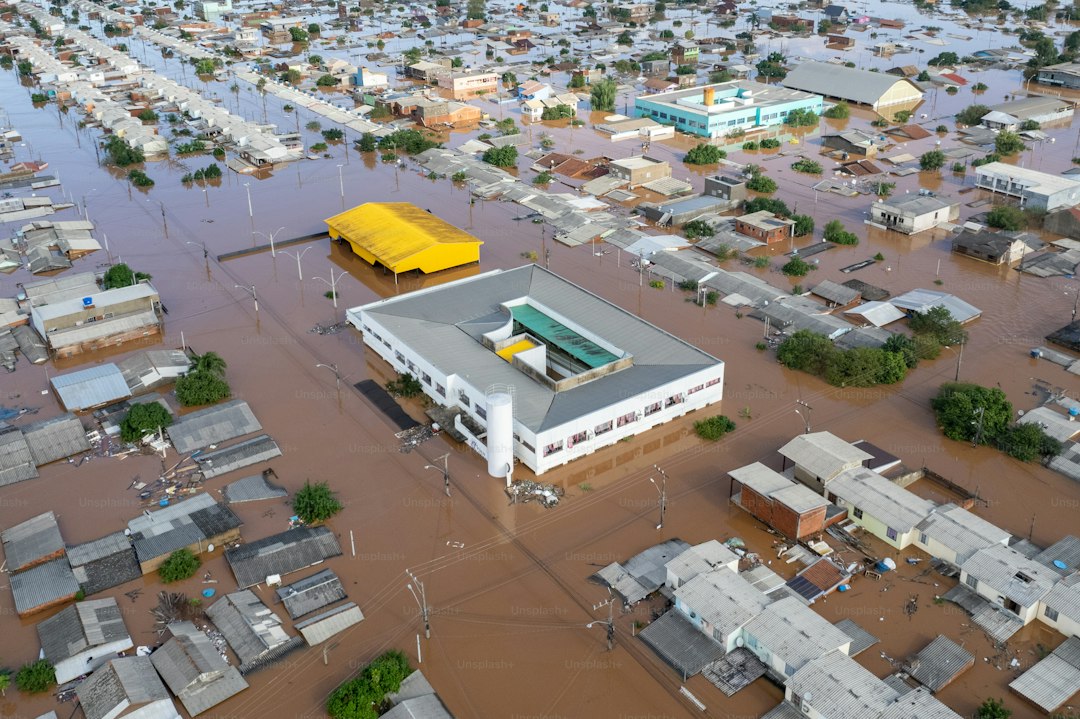
Current Flood Emergency: Which Five States Are Most Impacted
When we look at the current maps, it’s clear that we’re dealing with a widespread climate reality rather than isolated incidents, and honestly, the scale of these events is staggering. We’re tracking five states right now where the situation has hit a breaking point: Washington, Michigan, and Kentucky are at the forefront, with each region battling unique but equally punishing infrastructure failures. In Washington, the culprit is a series of relentless atmospheric rivers that have dumped massive amounts of moisture, pushing local soil saturation to its limit and turning standard rainfall into catastrophic flooding. Meanwhile, Michigan’s emergency has ballooned to cover 38 counties, showing just how quickly storm systems can overwhelm rural and urban drainage systems alike.
It’s not just about the water on the ground, though; it’s about how these events compound. Think about it: when the ground is already soaked, it loses its natural ability to sponge up more rain, which means every new storm—no matter how small—just accelerates the runoff and the destruction. In places like Kentucky, the human cost is climbing as flash flooding hits with such intensity that residents have little time to react, leading officials to declare states of emergency to fast-track whatever help they can muster. These aren't just weather headlines; they are logistical nightmares that isolate entire communities when major highways are forced to close, often leaving people without power or the ability to get supplies in.
And if you’re trying to plan any travel or check on property, you have to look past the surface-level reports. The real danger often lingers long after the water recedes, especially with indoor air quality dropping as mold proliferates in damp homes, making it hard to stay safe even once you’re dry. We’re seeing a pattern where Western Washington is caught in a double bind of wind and water, which makes fixing the power grid a slow, agonizing process that leaves thousands in the dark. It’s a frustrating cycle, but understanding that these regions are essentially in a state of extended recovery is the only way to make smart decisions if you’re heading anywhere near these zones. My advice? Keep a close eye on local road closures and don't assume that because a storm has passed, the area is back to normal.
Understanding Do Not Drive Orders and Flood Safety Protocols
When you’re tracking major storm systems across the country, it’s easy to focus on the radar maps, but we really need to talk about what happens when you’re actually behind the wheel. Look, I’ve seen enough flood reports to know that most people underestimate the physics of water until it’s way too late. You might think your SUV or truck is heavy enough to handle a flooded road, but the reality is that just two feet of moving water can turn a massive vehicle into a boat. Honestly, even six inches of water can be enough to make you lose traction or cause your engine to stall the second water hits your intake, and that’s a nightmare scenario you never want to face.
Here’s what I mean: steering and braking rely entirely on your tires being in contact with the pavement, and once you start floating, you’ve essentially lost control of your vehicle. It’s also incredibly tough to judge how deep the water is from inside the car, especially if the road underneath has been compromised or washed away entirely. People often assume that because someone else just made it across, it’s safe for them to follow, but that’s a dangerous game of chance given how different vehicles handle currents. Plus, if you ignore those official barricades or flood signs, you’re not just risking your own safety; you’re looking at potential legal trouble and might find that rescue crews can’t even reach you if things go south.
And let’s be real about the aftermath, too. Even if you manage to push through a flooded area without getting swept away, that water is often hiding debris like jagged rocks or pavement chunks that can punch holes in your fuel lines or brake systems. If you’re dealing with saltwater, the damage to your car’s electrical system is often permanent, turning a functioning vehicle into a total loss in a matter of hours. Even after a flood warning officially expires, local authorities keep roads closed for a reason—the ground beneath the surface might be hollowed out or left with massive sinkholes that you just can't see. My advice is simple: if you see water on the road, don’t try to be a hero, just turn around.
Regional Breakdown: Flash Floods, Heavy Rain, and Winter Weather Threats
When you look at the meteorological data, it’s clear that we’re dealing with a fragmented weather pattern that behaves very differently depending on where you are. Right now, we’re seeing a stark divide where the East Coast is dealing with persistent storm systems that can disrupt travel for millions, while parts of Texas are facing a high-stakes cycle of flash flooding that moves with terrifying speed. It’s not just about the volume of rain, but how fast these systems can overwhelm urban drainage systems that weren't built for this intensity. I think the real challenge for anyone traveling or living in these areas is that the ground is often already saturated, meaning there is nowhere left for the water to go.
If you’re watching the reports out of South Texas or Houston, you’ve likely noticed how quickly conditions shift from a standard rain shower to a full-blown emergency. The physics here are brutal: when heavy rain funnels through city streets, the velocity of that water increases dramatically, effectively turning roadways into high-speed channels. We’re seeing more cases where infrastructure—like levee systems designed decades ago—simply can’t handle the current frequency of these events. It’s a bit like trying to run a fire hose through a garden nozzle; the system just isn't designed for the pressure, and that’s when we see those rapid, life-threatening rises in water levels that catch entire communities off guard.
But it’s also important to remember that winter weather adds a whole other layer of unpredictability to the mix, especially when you consider how frozen ground reacts to new moisture. When saturated soil freezes, it becomes essentially impermeable, so any subsequent rain or snowmelt just sits on top and flows wherever gravity takes it. We also see ice jamming in rivers, which creates localized flooding even when it isn't actively raining, making it incredibly difficult to predict where the next threat will emerge. Honestly, the most frustrating part of this is that the danger doesn't always end when the rain stops, as the chemical composition of that water—now full of road salts, oils, and debris—stays in the area long after the floodwaters begin to recede.
Navigating Travel Disruptions: Road Closures and Infrastructure Risks
When we talk about navigating travel during these massive weather events, we really need to look at the ground beneath our tires, because the physical integrity of the road is often compromised in ways you just can't see from the driver's seat. It’s easy to focus on the standing water itself, but the real engineering nightmare is hidden scouring, where rushing currents erode the soil supporting the pavement from underneath. This creates a hollow void that can cause a road to collapse under the weight of a car long after the surface water has finally receded. We also see standard drainage infrastructure like culverts failing because they were simply never built to handle the intensity of today's storm cycles, causing them to back up and turn roads into unintended riverbeds in minutes.
The chemistry of the road itself is also working against you during these floods. Modern asphalt is designed to be porous to manage drainage, but constant saturation leads to a process called stripping, where the bond between the asphalt binder and the aggregate breaks down, causing rapid pothole formation and total structural failure. If you're driving through contaminated floodwater, you have to remember that asphalt is an oil-based product; when it sits in water mixed with fuel and chemical runoff, the surface can actually start to degrade. Even the traffic signals you rely on can fail, as moisture ingress into the sensor loops embedded in the pavement often forces them to default to dangerous flashing modes or shuts them down entirely.
And if you think your vehicle is heavy enough to ignore these risks, you really need to consider the non-linear physics of flash flood velocity. A small increase in water depth creates an exponential jump in the force hitting your car's side panels, and it doesn't take much to cause a loss of control—even a film of water just a tenth of an inch deep can trigger hydroplaning at highway speeds. Plus, there is the silent threat of corrosion if you’re near coastal areas; saltwater acts as a catalyst for galvanic corrosion, which can fry your car's electronic control units and sensor arrays in a matter of hours. Honestly, the most practical approach is to recognize that visual inspections from the surface are never enough, and when local authorities keep roads closed, it’s because the ground might literally be hollowed out beneath you.
What a State of Emergency Means for Your Upcoming Travel Plans
When you hear that a state of emergency has been declared for your destination, it’s natural to feel that sudden gut-punch of uncertainty about whether your trip is still viable. Let’s pause for a moment and reflect on what this actually means, because it’s usually far more than just a weather warning. From a regulatory standpoint, these declarations act as a legal lever that allows governors to bypass standard state statutes, which is essentially the government’s way of clearing the red tape to get help where it’s needed fast. Think of it as a shift from routine bureaucracy to emergency mode, where the priority moves entirely toward infrastructure restoration and public safety over normal operations.
For you as a traveler, this is significant because it often dictates the fine print of your travel insurance policies. Many carriers require that official, government-issued declaration to trigger coverage for trip cancellations or interruptions, meaning that without that specific paperwork, you might be stuck holding the bill for non-refundable bookings. It’s also important to note that these decrees give local officials the authority to mandate evacuations or impose curfews, which can literally stop you in your tracks if you’re already in the area. We’ve seen these mandates lead to sudden road closures and the re-routing of resources that can turn a simple weekend getaway into a logistical standoff, so it’s really about understanding that the rules of the road—and the air—have fundamentally changed for the next few days.
But there is a practical side to this that we often overlook: the protection of the marketplace. Once that state of emergency is signed, many jurisdictions automatically flip the switch on anti-price gouging laws, which actually shields you from those predatory spikes in the cost of fuel, water, and essential supplies. While the headlines make it sound like the end of the world, these orders are really just the administrative framework that lets emergency crews clear debris from protected lands or re-prioritize cellular networks to keep critical communication lines open. If you’re currently on the road, my best advice is to treat these declarations as a non-negotiable signal that the ground infrastructure is being reconfigured for recovery, not for tourism. Honestly, if you’re in the path of one of these, the safest move is almost always to pull back and let the recovery teams do their work, because trying to outrun or navigate through a restricted zone rarely ends the way you hope it will.
Essential Resources for Monitoring Real-Time Weather and Travel Alerts
If you’re stuck in the middle of this mess, knowing where to turn for reliable, real-time data is honestly more important than checking a generic weather app every hour. I’ve found that the most effective way to stay ahead of these storms is to use the Integrated Public Alert and Warning System, which pushes geofenced emergency alerts directly to your phone using cell broadcast tech that stays active even when networks get bogged down. While standard apps are fine, you’ll get much higher fidelity by checking state-run Department of Transportation portals, which now use Intelligent Transportation Systems to track road surface sensors and post real-time updates on digital signs before you even hit the danger zone. I really recommend bookmarking these government sites over relying solely on social media, as they feed data directly from field sensors that detect exactly when water levels are hitting critical thresholds.
When I’m planning travel through these regions, I prioritize resources that map USGS river gauges directly onto navigation interfaces, because seeing a color-coded "major flood stage" on a map is a lot more objective than just seeing a "flood warning" headline. These tools are backed by LiDAR-derived mapping that shows you at a street-level resolution exactly which intersections are likely to turn into canals, which is a massive help when you’re trying to decide on a detour. If you want to get into the weeds, checking out the NOAA’s Flash Flood Monitoring and Prediction system is a game changer, as it actually calculates how much water your local soil can soak up before it gives up and turns into runoff. It’s essentially the science behind why a "moderate" storm can suddenly become a life-threatening surge in a saturated area.
And don't overlook the local camera feeds that most state emergency management portals now offer to the public. Honestly, seeing a live shot of an intersection with rising water is worth a thousand radar maps when you’re deciding if a road is truly passable. I also keep a close eye on Mesonet weather stations, which refresh their data every five to fifteen minutes, providing way more granularity than standard airport reports that might be miles away from your actual location. While it can feel overwhelming to juggle all these inputs, I’ve found that cross-referencing these official flood polygons with live traffic flow data from mapping apps helps filter out the noise. It’s all about creating your own personal dashboard so you aren't just guessing when the next storm cell is going to crest.
Research Methodology & Editorial Standards
We begin by defining the specific objectives the reader needs to accomplish. Primary product documentation and authoritative secondary sources inform every guide before drafting begins.
Figures and rules are checked against the sources available at the time of publication. Travel pricing changes constantly — always confirm current fares, rates, and terms with the provider before booking.