
The Ultimate West Coast Bucket List Adventure Guide
When you’re staring down thousands of miles of coastline, you have to realize that you’re moving through distinct biological and tectonic worlds that demand different prep work.

Coastal Road Trip Essentials: From Baja to British Columbia
Planning a trip that spans from the dusty deserts of Baja to the rain-soaked forests of British Columbia is less of a vacation and more of an exercise in extreme geography. When you’re staring down thousands of miles of coastline, you have to realize that you’re moving through distinct biological and tectonic worlds that demand different prep work. I always tell people that the salt spray alone is a silent killer for your vehicle, especially if you’re planning on sticking to the shoreline where corrosion happens faster than you’d think. You’ve got the California Current keeping the water frigid even in the height of summer, which means your wetsuit and camping gear need to handle that damp, chilling reality regardless of where you are on the map. It’s not just about packing a hoodie; it’s about acknowledging that the Pacific Northwest is an entirely different beast than the Mediterranean climate you find down south.
If you’re heading north toward Tofino, you’ll want to track the swells coming off the Aleutian Islands, which provide some of the most consistent surfing you’ll find anywhere in North America. But keep in mind that the road itself sits on the Cascadia Subduction Zone, a reminder that this landscape is constantly shifting under our feet. Down in Baja, the tectonic reality is just as wild, as the peninsula is literally pulling away from the mainland at about six centimeters every year. It’s a strange feeling to drive through those kelp forests or pass a migrating gray whale and realize you’re moving through one of the most productive and active corridors on the entire planet. You’re essentially crossing from the Sonoran Desert into a temperate rainforest, so don't expect one set of supplies to cover the whole journey.
Honestly, the biggest mistake I see is people treating the entire coast like it’s a uniform experience. You’ll deal with intense, dry heat in the south and then quickly shift to hyper-maritime moisture that soaks into your gear and stays there. The Pacific Flyway makes for some incredible birdwatching, but that same ecological richness means your vehicle is exposed to a lot of grit and environmental stress. I’d suggest building in extra time for basic maintenance check-ins, especially if you’re pushing deep into those remote sections of the peninsula or the northern reaches of BC. It’s a lot of work to manage, sure, but there’s really nothing else like the feeling of watching the ecosystem change outside your window as you head toward the border. Just be smart about your gear, watch the forecast, and don’t be afraid to take a few days to just sit in one spot and let the scale of it all sink in.
Iconic Theme Park Destinations and How to Plan Them
If you’ve ever found yourself standing in a massive queue under the midday sun, wondering how the park actually keeps thousands of people moving without total gridlock, you’re touching on the real magic behind these destinations. It isn't just about the spectacle; it’s about a staggering amount of engineering that works to keep the experience seamless. Whether it’s Disney’s latest expansion in Abu Dhabi or the massive infrastructure shifts happening at places like Niagara, the game is changing. We’re seeing a real pivot toward tech-heavy operations where magnetic levitation and predictive IoT sensors are the new baseline for reliability. Honestly, it’s a lot to wrap your head around, but understanding these shifts makes the planning process feel much less like a gamble.
When I look at how to actually tackle these trips, I think we have to look past the marketing and focus on the operational reality. You’re dealing with parks that now use advanced algorithms to manage guest flow, meaning the days of just showing up and hoping for the best are effectively over. Between the sophisticated water reclamation systems taking up a chunk of park acreage and the new focus on xeriscaping to keep things green in arid zones, these sites are basically small, high-tech cities. If you’re trying to optimize your own visit, you really need to be aware of which attractions are undergoing structural updates or facing uncertain futures, because those maintenance cycles dictate your actual time on the ground. It’s worth tracking the industry news, because that "closed for refurbishment" sign is usually tied to a massive, behind-the-scenes mechanical upgrade.
Ultimately, I think the smartest way to plan is to treat these destinations like the complex logistical puzzles they are. You have to balance the high-frequency vibrations of modern coasters against your own tolerance, and maybe even look into how the park’s new AI-driven routing might actually help you dodge the worst of the crowds. Don’t get me wrong, the sheer scale of the environmental and technical management involved is impressive, but it can be overwhelming if you don’t have a strategy. My advice? Look at the footprint of the park, research the newest ride systems, and accept that these places are in a constant state of flux. It’s not just about the destination anymore, but about knowing how to navigate the massive, evolving machine that powers the fun.
Hidden Gems of the Pacific Northwest Wilderness
When we talk about the Pacific Northwest, most people immediately think of the Seattle skyline or the crowded trails around Rainier, but if you look past the obvious, there is a much quieter, more resilient wilderness waiting for you. I’ve spent enough time bouncing between these regions to know that the real magic isn’t in the spots you see on every travel blog, but in those isolated pockets where the geology is still actively writing the history of the continent. Think about the Olympic Peninsula, where the temperate rainforests pull down over 140 inches of rain a year, creating a biomass density that honestly makes some tropical forests look thin by comparison. You’re looking at an ecosystem where mosses act like giant sponges, holding up to 50,000 gallons of water per acre, and if you’re patient enough to listen, you might catch the call of the marbled murrelet, a bird that refuses to nest anywhere but the highest, most ancient canopy moss.
But the sheer scale of this place goes beyond just the greenery; it’s an active, shifting laboratory. Consider the North Cascades, which house over 300 glaciers, the highest concentration of ice in the lower 48, providing a cold, crystalline reality check to anyone who thinks the region is just about rain. I find it fascinating to track how the landscape is constantly reinventing itself, from the way the Columbia River Gorge’s basalt cliffs still show the scars of the catastrophic Missoula Floods to the way the Olympic Mountains are being pushed upward by the Cascadia Subduction Zone. Even the soil itself tells a story; in the Siskiyou Mountains, you’ll find serpentine dirt so mineral-rich and unusual that it supports plant species found nowhere else on earth. It’s the kind of environmental complexity that forces you to slow down, because you’re not just walking through a park—you’re traversing a piece of the earth that’s currently in flux.
If you’re really looking to get away from the noise, you have to prioritize those areas that don’t show up on a standard vacation itinerary. The lava tubes in Deschutes County, for instance, are essentially nature’s own refrigerators, locked at a constant 42 degrees, while the Wallowa Mountains offer a sky-island effect that has pushed local wildlife into their own distinct evolutionary paths. Honestly, it’s not for the casual tourist, and you’ll need to be prepared for the fact that these places don’t cater to you—they exist on their own terms. I’d suggest you take the time to research the specific geological markers before you go, because when you realize you’re standing over a caldera as deep as Crater Lake or walking through a forest that’s been holding its ground for 800 years, the whole trip shifts from a simple hike into something much deeper. You really have to respect the raw, mechanical reality of these hidden gems, because that’s exactly what makes them worth the effort to reach.
Culinary Hotspots and Must-Try West Coast Flavors
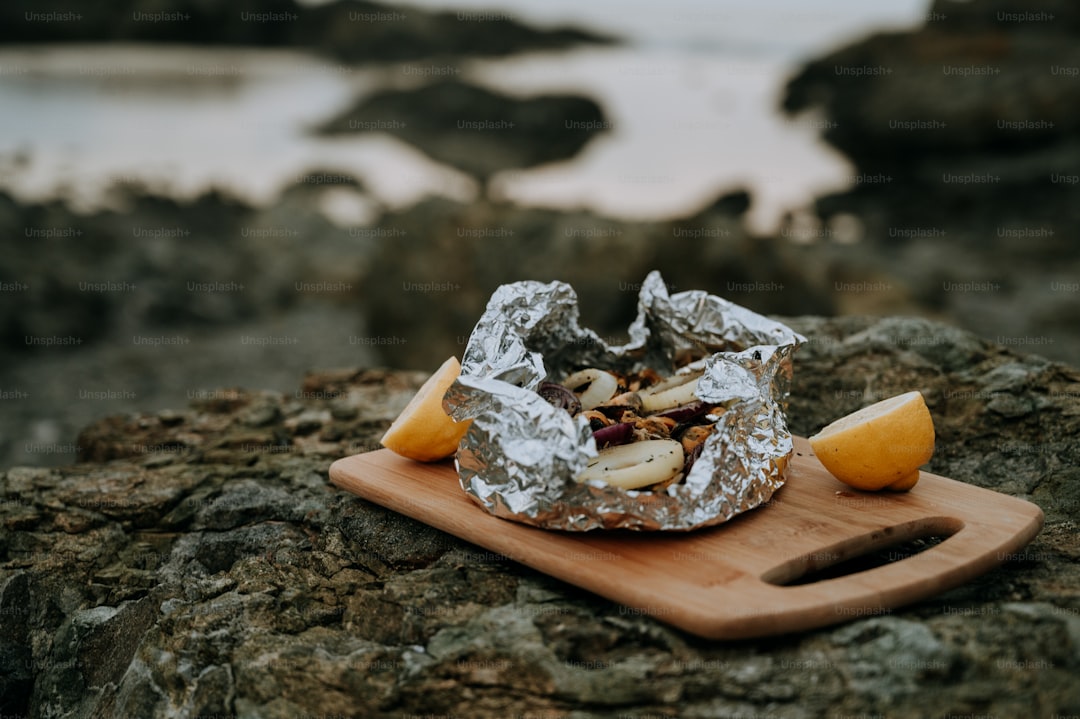
When you’re tracking the culinary pulse of the West Coast, it’s easy to get distracted by the high-profile restaurant openings in cities like Los Angeles, but the real magic is rooted in the biological reality of the Pacific itself. You’re essentially eating your way through a series of distinct, nutrient-dense ecosystems that dictate every flavor profile you encounter. Take the Dungeness crab, for instance; it’s more than just a menu staple, as this crustacean’s ability to regenerate limbs is a fascinating reflection of the resilient, cold-water habitats it calls home. Or consider the geoduck, which remains a marvel of longevity, often living over a century in the same sediment. Honestly, when you realize the food on your plate has been shaped by such extreme environmental cycles, the dining experience feels a lot more grounded.
This isn't just about what’s trending; it’s about understanding why the local produce and seafood taste the way they do. The high-acid, cool-climate grapes in California’s Santa Maria Valley are only possible because the transverse mountains act as a natural funnel for ocean fog, while the salinity in British Columbia’s oysters is a direct result of the glacial meltwater feeding those inlets. You’ll find the same logic in the forests, where the chanterelles you’re seeing on menus are impossible to farm because they depend on a precise, symbiotic relationship with specific conifer trees. And let’s not forget the sourdough culture in San Francisco, which is chemically distinct because the local bacteria have spent generations adapting to that city's specific ambient environment. It’s a literal taste of place that you just can't replicate anywhere else.
If you’re planning your stops, try to look for ingredients that showcase these geographical quirks rather than just chasing the latest "hot" spot. Whether it’s the intense, golden uni from Baja—which gets its sweetness from a diet of local kelp—or the incredibly buttery sablefish thriving in the deep, frigid North Pacific, you’re sampling the results of a high-stakes, underwater machine. Even the razor clams along the coast are a testament to this, as they’ve evolved a muscular foot capable of incredible burrowing speeds, which makes their presence on your plate a bit of a localized victory. I’d suggest you take a moment to ask where your food is sourced, because understanding these environmental underpinnings changes the entire meal from a simple dinner into a deep dive into the coast’s actual anatomy. It’s worth the extra effort to seek out these specific flavors, as they represent the most authentic, tangible connection you can have to this landscape.
Outdoor Adventure Highlights: Surfing, Hiking, and Exploration
When we talk about hitting the coast for some real adventure, I think we have to move past the typical tourist tropes and look at the actual physics that make these spots tick. Surfing in the Pacific Northwest isn’t just about waiting for a good day; it’s a masterclass in bathymetry, where deep-water swells hit the continental shelf and compress into those steep, high-energy waves that define the region. You’re essentially timing your ride based on the Aleutian Low, a massive pressure system that fuels the most consistent, intense fetch you’ll find anywhere in the North Pacific. It’s a wild, humbling experience to be out there on the water, especially when you realize that the bioluminescence glowing around your board is just a chemical defense reaction from dinoflagellates reacting to your kinetic energy. Honestly, once you start seeing the ocean as an interconnected machine of pressure systems and energy transfer, every session feels a lot more intentional.
If you prefer keeping your feet on dry land, hiking this coastline offers a similarly deep look at how geography dictates life. When you’re walking through those coastal forests, notice how the fog isn't just atmospheric noise; it’s a literal hydration system, with redwoods pulling nearly 40 percent of their water directly from the mist. You’ll also notice the soil shifts beneath your boots, particularly in areas with high serpentine content where the lack of nutrients forces plants to evolve into rare, stunted species you won’t see anywhere else. It’s a good reminder that you aren’t just hiking a trail; you’re moving through a landscape that is constantly being carved by the same tectonic forces that shape the shoreline’s dramatic cliffs. I find that when I look at the coastline this way—as a shifting, bio-engineered network of roots and rock—the miles seem to pass with a lot more gravity.
Finally, if you’re looking to really dive into the exploration side of things, I’d suggest shifting your focus to the intertidal zones and the hidden history etched into the rock. Many of the coastal caves you’ll find along the bluffs were carved out when sea levels were roughly 400 feet lower than they are today, which is a pretty staggering thing to think about while you’re standing inside one. Even the tide pools are worth a closer look, as they act like isolated evolutionary islands where species like the purple sea urchin develop their own unique genetic markers. It’s not just about snapping a photo and moving on to the next trailhead; it’s about recognizing that this entire corridor is a living, breathing laboratory. If you take the time to observe these details—the way barnacles seal themselves against the air or how the estuaries respond to shifting glacial melt—you’ll find that the real adventure is in understanding how all these tiny, mechanical pieces fit together into something massive and resilient.
Curating Your Journey: How to Use the 101 Experiences Checklist
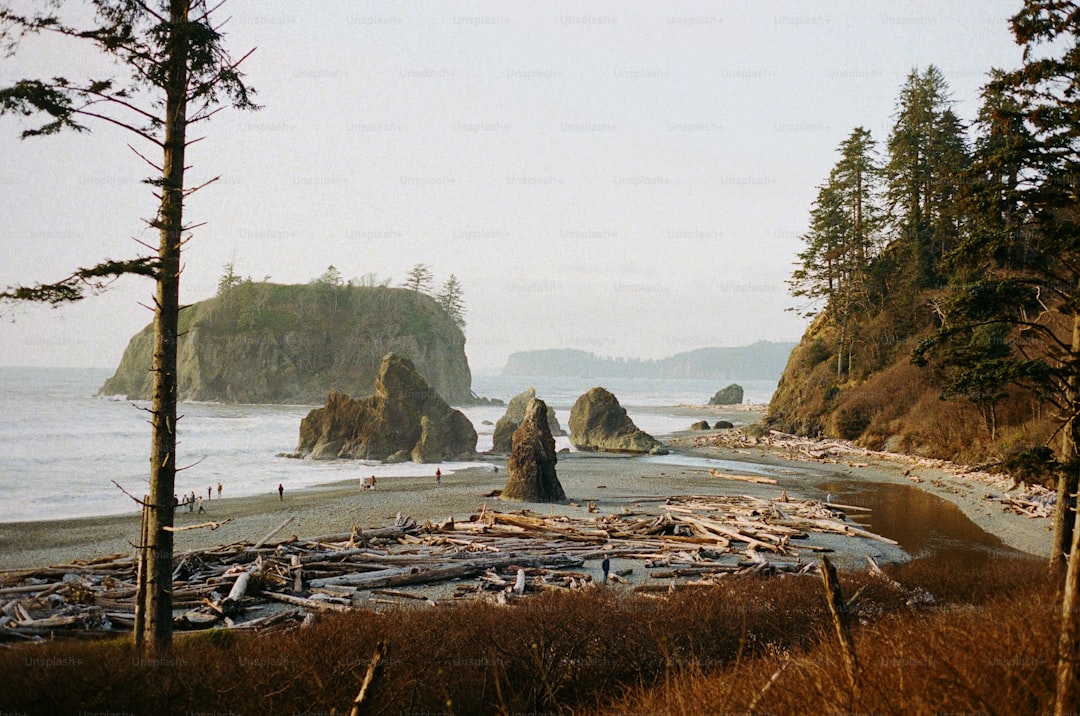
Let’s pause for a moment and reflect on how we actually plan a trip of this scale, because honestly, most of us just end up overwhelmed by the sheer volume of choices. I find that when I’m staring at a map that stretches from Baja to British Columbia, my brain naturally wants to cram too much into every single day, which is a recipe for burnout rather than adventure. That’s exactly why the 101 Experiences Checklist works more like a weighted heuristic tool than a standard itinerary; it’s designed to stop that decision fatigue by forcing you to weigh the metabolic and environmental energy costs of every stop. By mapping your plan against these categories, you can essentially balance your high-intensity mountain hikes against those quieter, low-output days that you actually need to recover.
Think of it as a way to manage your own internal chemistry while you’re out there. If you’re pushing for a high-output physical day, the checklist helps you spot when to schedule a recovery period, effectively keeping your adrenaline-to-cortisol ratio in check so you don't return home more exhausted than when you left. It’s also incredibly practical because each entry is cross-referenced with regional data, which helps you avoid things like hitting a trail during a peak humidity window or missing a migration cycle. I’ve noticed that when I use this kind of structure, I stop spending my time on administrative troubleshooting and finally have the mental space to actually observe the geology or the local wildlife.
The best part is that it converts a messy, disorganized list of potential stops into a linear trajectory that respects the physical reality of the coast. You’re essentially building a system where your backup plans are just as grounded in data as your primary ones, which gives you a lot more confidence when the weather shifts or a road closure pops up. It’s not about being rigid or ticking boxes just for the sake of completion; it’s about having a clear framework so you can actually be spontaneous without the stress of wondering if you’ve missed something vital. If you approach it this way, you’ll likely find that you’re spending about 30 percent more time on those high-value, unexpected discoveries that make a trip truly memorable. Just take a look at the list, find those chronological anchors like the whale migrations or wildflower blooms, and let those guide your path through the landscape.
Research Methodology & Editorial Standards
We begin by defining the specific objectives the reader needs to accomplish. Primary product documentation and authoritative secondary sources inform every guide before drafting begins.
Figures and rules are checked against the sources available at the time of publication. Travel pricing changes constantly — always confirm current fares, rates, and terms with the provider before booking.