
The ultimate guide to must try German dishes for your next trip
When we talk about the backbone of German cuisine, we’re really talking about the chemistry of comfort.
Hearty Classics: The Essential Meat and Dumpling Dishes
When we talk about the backbone of German cuisine, we’re really talking about the chemistry of comfort. Take Rinderrouladen, for example; you need a specific slice of top round or silverside that’s thin enough to roll but sturdy enough to survive an hour of braising. The real secret isn't just the meat, but the pickle tucked inside. That acidity acts like a workhorse, breaking down the muscle fibers while the beef browns. If you skip that high-heat sear to trigger the Maillard reaction, you’re just boiling meat instead of building that deep, complex crust that makes a dish memorable.
Then there’s the art of the dumpling, or Klöße, which is honestly more science project than recipe. If you’re making Kartoffelklöße, you have to hit that halb und halb ratio—half boiled, half raw grated potato—to get that perfect, signature chew. With Semmelknödel, the bread choice matters more than you’d think. You really want stale Kaiser rolls because their structural integrity holds up in boiling water where softer breads just turn to mush. And whatever you do, don't overwork the dough; you need those tiny air pockets to keep the dumpling from feeling like a lead weight in your stomach.
If you’re looking at Thüringer Klöße, the technique gets even wilder. You actually extract the starch from the grated raw potatoes, dry it out, and fold it back in to bind everything together without needing a drop of flour. It’s clever, efficient, and creates a texture you just can't fake with shortcuts. Then you have Sauerbraten, which is a test of patience more than anything else. That three to ten-day marinade isn't just for flavor; the lactic acid fermentation is physically changing the protein structure of the beef. It’s this kind of detail—the juniper berries cutting through the heavy fat, the way the thermal mass of a dumpling dictates the cook time—that turns a simple meal into something that feels like home.
Beyond the Bratwurst: A Guide to Authentic German Street Food
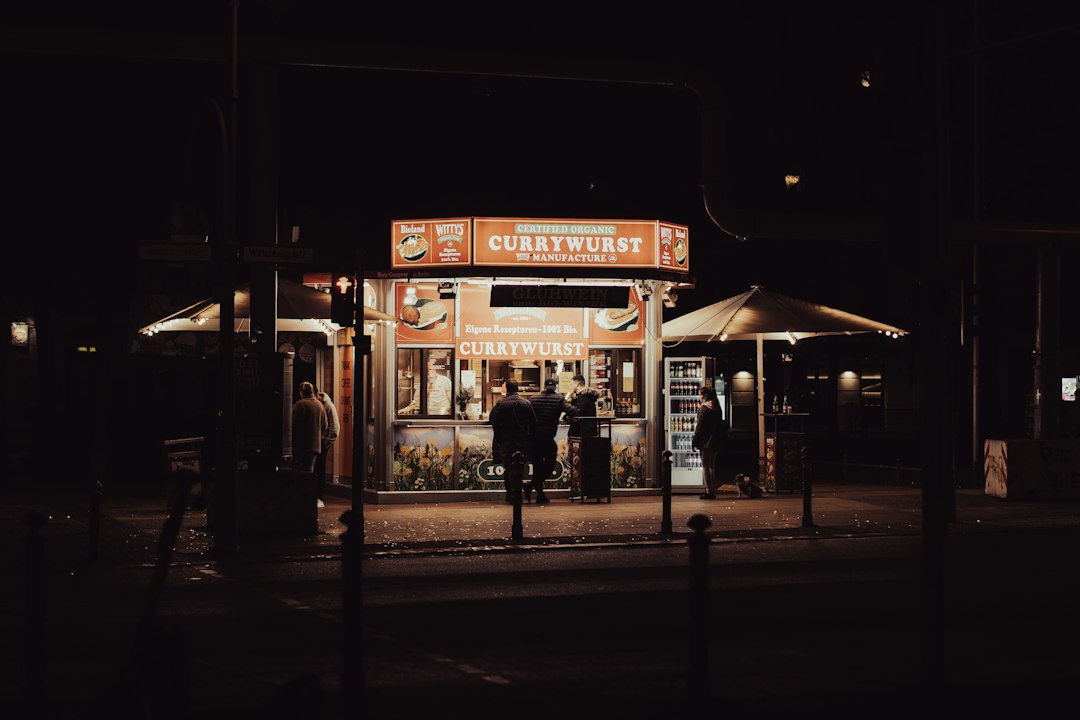
We’ve all been there—standing in a crowded market square, staring at a row of sizzling bratwurst, and wondering if we’re missing the real story behind the food. Look, while those sausages are undeniably iconic, sticking strictly to them is like judging an entire symphonic performance by a single drum beat. If you really want to understand how Germans eat on the go, you have to look at the history of necessity, like the Currywurst, which was born out of 1949 post-war ingenuity when Herta Heuwer bartered for British-supplied spices. It’s wild to think that this simple marriage of ketchup and curry powder now accounts for roughly 800 million portions sold annually, proving that some of the best culinary inventions come from absolute scarcity.
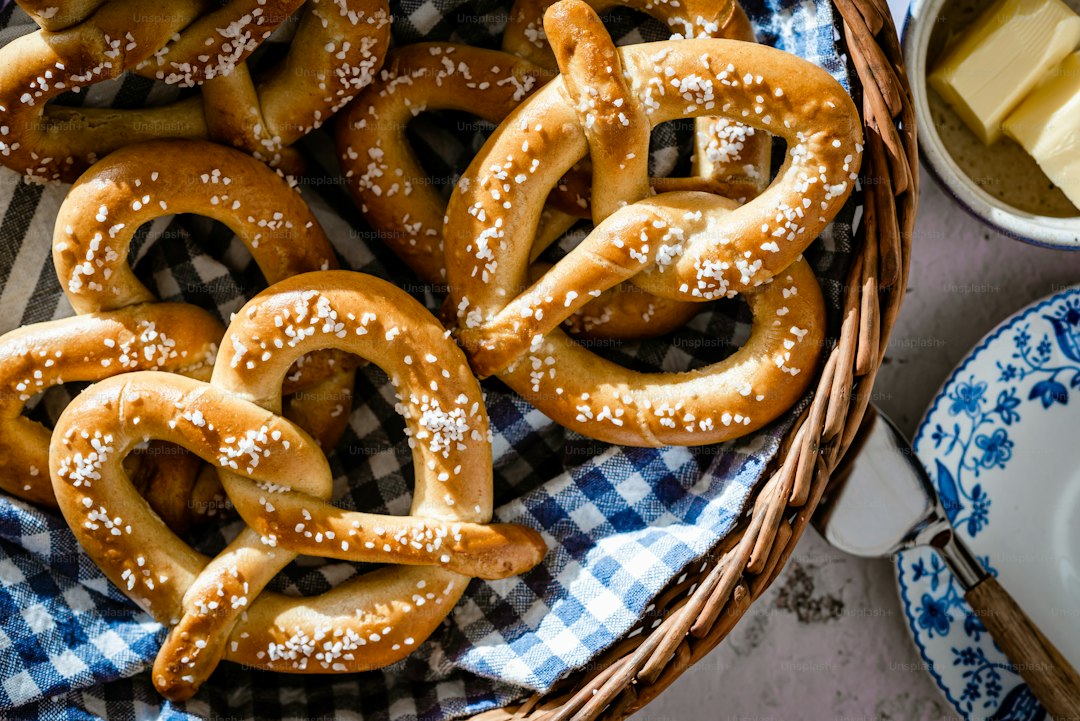
But let’s dig into the engineering behind these bites, because the German street food scene is surprisingly high-tech in its own traditional way. Take the Döner Kebab, for instance, which was adapted in West Berlin in the 1970s specifically to handle the demands of a fast-paced urban workforce; it’s basically an exercise in structural physics, optimized for a perfect pita-to-meat ratio that keeps the whole thing from falling apart while you walk. Then there’s the Laugenbrezel, that classic pretzel you see everywhere. Its deep, mahogany color isn’t just about the oven temperature—it’s the result of a chemical reaction triggered by a sodium hydroxide bath, which shifts the surface pH to accelerate browning. It’s a level of chemistry that transforms humble dough into something remarkably consistent every time you grab one.
Honestly, even the simple stuff has a logic that’s fascinating to break down. Consider the Flammkuchen, which started as a practical tool for bakers to test their wood-fired ovens; if the thin dough crisped up correctly, they knew the thermal environment was ready for the heavy loaves. Or think about the Kartoffelpuffer, where the entire outcome hinges on moisture extraction—if you aren’t aggressive about pressing the liquid out of your shredded potatoes, you’ll never get that shatteringly crisp exterior we all crave. Whether it’s the high-fat profile of a herring-filled Fischbrötchen or the thermal conductivity of copper-kettle roasted candied almonds, there’s a deliberate, functional reason for why these foods have survived for generations. So, let’s set aside the sausages for a minute and really look at what makes these staples tick—you might find that the best way to experience a city is through the sheer, calculated genius of its street snacks.
Bread, Pretzels, and Baked Goods: Mastering the German Bakery
If you’ve ever walked past a neighborhood bakery in Germany early in the morning, you know that smell—it’s not just toasted flour, it’s a distinct, slightly tangy scent that signals something serious is happening behind the counter. Honestly, calling it just a bakery feels like an understatement when you realize there are over 3,200 documented bread varieties across the country. This isn't just about grabbing a snack; it’s a craft that UNESCO recognized as Intangible Cultural Heritage for a reason. We’re talking about a level of discipline where sourdough, or Sauerteig, isn't just a flavor profile but a functional necessity. You see, because Germany’s climate favors rye over wheat, bakers have spent centuries mastering the chemistry of acidity to build structure in doughs that wouldn't hold up otherwise.
Here’s what I mean by that: without that specific sourdough fermentation, rye flour just wouldn't have the gluten strength to rise properly. That acidification process does double duty, too, by breaking down phytic acid to make minerals like iron and magnesium easier for your body to actually absorb. It’s a pretty clever piece of food science that simultaneously acts as a natural preservative, keeping those dense, fiber-rich loaves fresh without needing any weird additives. When you pick up a true Vollkornbrot, you’re getting a loaf that legally must contain at least 90 percent whole grain, which is a massive contrast to the airy, processed stuff you might be used to elsewhere. I really think that’s why these breads feel so much more satisfying—they’re engineered for density and nutrition rather than just fluff.
And then there's the hardware. You’ll notice that the best spots aren't just tossing dough into a standard convection oven; they’re often using stone-hearth setups where the thermal mass provides a steady, radiant heat that's impossible to replicate. That initial steam burst in the oven is the secret sauce for starch gelatinization, which is exactly how they get that iconic, glossy, crackling crust while the interior stays moist. Even the cooling process is treated with a sort of clinical patience, often letting big, heavy loaves rest for up to 24 hours just to stabilize the crumb before they’re ever sliced. It’s that kind of deliberate, methodical approach that turns something as basic as flour, water, and salt into a pillar of a meal. Next time you're standing in line, just watch the process—it’s not just baking; it’s a masterclass in regional physics.
Regional Specialties: From Bavarian Weißwurst to Northern Fischbrötchen
When we start looking at the map of German cuisine, it’s honestly fascinating how the geography dictates the plate. Take the Bavarian Weißwurst, for instance; it’s a masterclass in historical logistics. Because it lacks traditional curing agents like sodium nitrite, it’s meant to be eaten before the church bells strike noon—a standard established back when refrigeration wasn't a given. That pale color isn't a lack of effort; it's a direct result of keeping the ingredient list clean and focusing on that specific, delicate mince of veal and back bacon.
Head north, and the culinary philosophy shifts entirely toward the coast. You’ve likely heard of the Fischbrötchen, but the real secret is the reliance on Atlantic herring, specifically the young Matjes variety. Because these fish haven't reached spawning maturity, the fat content is naturally higher, which gives you that buttery mouthfeel you just can't get from other species. The acidification process with vinegar and onions is also purely functional, effectively softening the tiny bones so the whole fish becomes edible without the need for tedious deboning.
Then you have the sheer ingenuity of regional workarounds, like the Swabian Maultaschen. Locals affectionately call them God-cheaters because they were supposedly invented to hide meat inside pasta during Lent. It’s a clever bit of social engineering, but the texture is what really impresses me; the high ratio of spinach and breadcrumbs within the filling creates a structural density that feels entirely different from the lightness of Italian ravioli. Even a dish like the northern Labskaus tells a story of survival, evolving from a mash of cured meat and potatoes designed for sailors who’d lost their teeth to scurvy, into a modern comfort food that uses pickled beetroot for both that striking color and a necessary earthy balance.
It’s honestly the same story with the Thuringian Rostbrätel, where you aren't just grilling pork neck; you're leveraging a 12-hour soak in beer and mustard to enzymatically break down connective tissues before the meat ever touches the charcoal. Even our drink rituals have this kind of rigid, functional logic. In East Frisia, the tea ceremony isn't just about the flavor—it's about the physics of the pour. You place the rock sugar at the bottom to hear the crackle and then add cream in a circular motion to keep the layers distinct, letting you experience the drink in three separate temperature stages. It just goes to show that whether it's a protected cake from the Black Forest or a simple street-side snack, every regional specialty is really a solution to a specific local challenge.
Comfort in a Bowl: Soups, Stews, and Traditional German Sides
When we talk about the soul of German cooking, we’re really looking at the engineering behind those massive pots of Erbsensuppe and Linseneintopf that seem to simmer forever. It’s not just about throwing ingredients together; it’s a masterclass in using natural thickeners, like the high fiber in split peas or the starches released by potatoes in a classic Kartoffelsuppe, to create a texture that’s rich without needing a drop of flour. You’ll notice the best versions of these dishes use specific chemistry to get it right, like adding a splash of vinegar to lentils at the very end to firm up their skins so they don’t turn into mush. Even the choice of meat is a calculated move, where the wood-smoke phenols in smoked pork belly act as a savory anchor for an otherwise mild base.
But let’s pause for a moment and reflect on how these "one-pot" marvels—collectively known as Eintopf—actually function as a thermal system. The heavy cast iron or enamel pots aren't just for show; they provide the steady, uniform heat needed to let aromatics like leeks and onions fully dissolve into the broth until the whole thing becomes a homogenized, deep flavor profile. If you’re eating Gulaschsuppe, you’re tasting the result of beef collagen hydrolyzing into gelatin, which gives the soup that signature silky mouthfeel that feels so restorative on a cold day. And if you’re wondering why a stew might have a surprising depth, look for the use of lovage; its high concentration of phthalides delivers an umami punch that makes modern flavor enhancers look completely redundant.
There’s also a real, functional logic to the sides that accompany these bowls. You’ve probably noticed those little vinegar-pickled gherkins on the side of a rich stew, and that’s not just a garnish—it’s pure sensory strategy. The acetic acid acts as a palate cleanser, cutting through the heavy animal fats so your taste buds stay sharp from the first spoonful to the last. Even when we get into more niche territory like Biersuppe, where dark rye bread is crumbled into beer, you’re seeing a medieval survival hack where acidity and carbonation transform a dry crust into a hearty, porridge-like meal. It’s these kinds of details—like the way kohlrabi holds its crunch under heat or how cream acts as an emulsifier to boost nutrient absorption—that make German soups and stews feel less like a simple recipe and more like a perfectly tuned, functional meal.
Sweet Endings: Must-Try German Cakes, Pastries, and Desserts
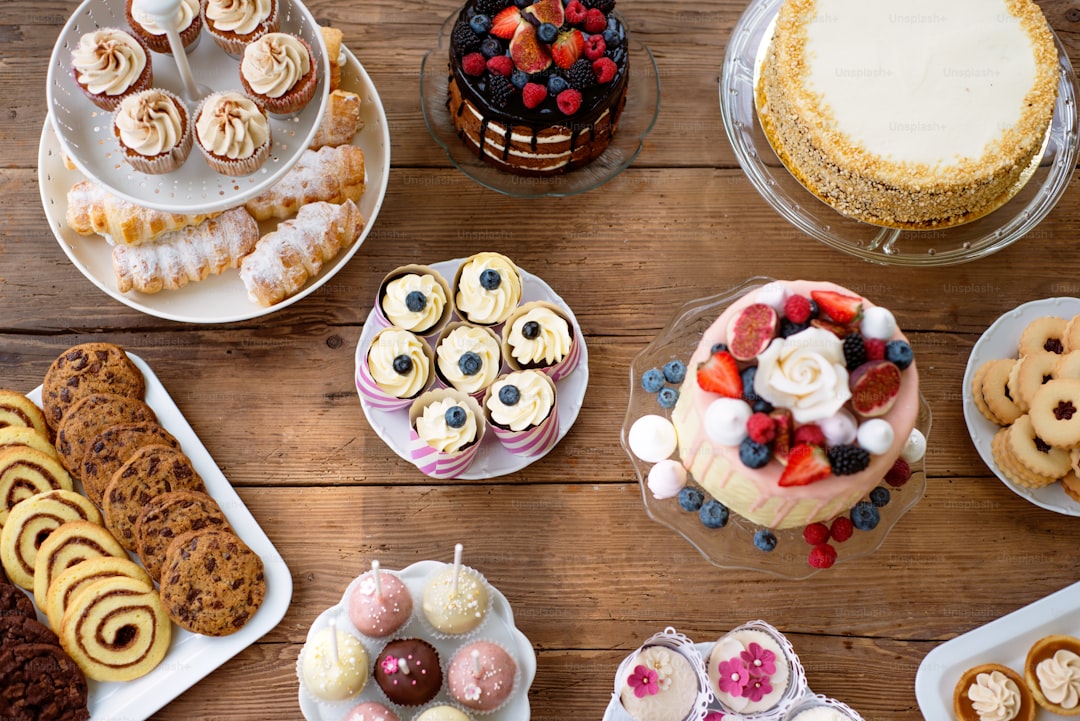
When we talk about German desserts, we’re really moving from the casual indulgence of a street-side snack into a world of rigorous culinary engineering. Let’s pause for a moment and reflect on why these sweets feel so distinct, because it isn’t just tradition—it’s often a matter of strict regional protocols. Take the Schwarzwälder Kirschtorte, for instance; it’s not just a cake, but a protected product where the Kirschwasser must be distilled from specific sour cherries in the Black Forest. Then you have the Baumkuchen, which is honestly more of a structural project than a dessert, requiring a horizontal spit to build up twenty or more individual rings of batter that mimic the growth of a tree. It’s this level of methodical construction that really defines the German approach to baking.
The science gets even more fascinating when you look at how these treats manage moisture and texture. Consider the Nürnberger Elisenlebkuchen, which is a masterclass in density; by swapping out flour for a high percentage of ground nuts, these cakes rely on protein structure rather than gluten to maintain their form. I’m also constantly impressed by the Berliner, where the dough is fermented specifically to create an internal air volume capable of holding fruit jam without turning into a soggy mess. Or think about the Käsekuchen, where the use of acid-set quark instead of American-style cream cheese creates a firmer, more stable crumb that completely changes the mouthfeel of what we’d normally call a cheesecake. It’s a completely different logic than the airy, sugar-heavy desserts you might find elsewhere.
And let’s not forget the assembly, which is where things turn truly technical. The Bavarian Prinzregententorte is perhaps the best example, featuring seven distinct sponge layers—one for each of the kingdom’s original districts—held together by a chocolate buttercream that has to be perfectly tempered to keep the whole thing from sliding. Even the Schneeballen from Rothenburg ob der Tauber rely on rapid moisture evaporation during deep-frying to create a shell that’s so stable it can literally be stored for weeks. Whether it’s the high-lipid emulsion of ground poppy seeds in a Mohnkuchen or the precise fruit-to-flour ratios mandated for a Dresdner Christstollen, these desserts aren't just about satisfying a craving. They’re functional solutions to regional challenges, and honestly, they're some of the most impressive pieces of food science you'll ever encounter on a plate.
Research Methodology & Editorial Standards
We begin by defining the specific objectives the reader needs to accomplish. Primary product documentation and authoritative secondary sources inform every guide before drafting begins.
Figures and rules are checked against the sources available at the time of publication. Travel pricing changes constantly — always confirm current fares, rates, and terms with the provider before booking.