
The Ultimate Guide to Melbournes Best Coffee Shops Restaurants and Bars
Honestly, the coffee here hits differently because of the water—it’s remarkably soft and low in minerals, which acts like a perfect solvent to pull out those complex, fruity notes from light-roast beans.
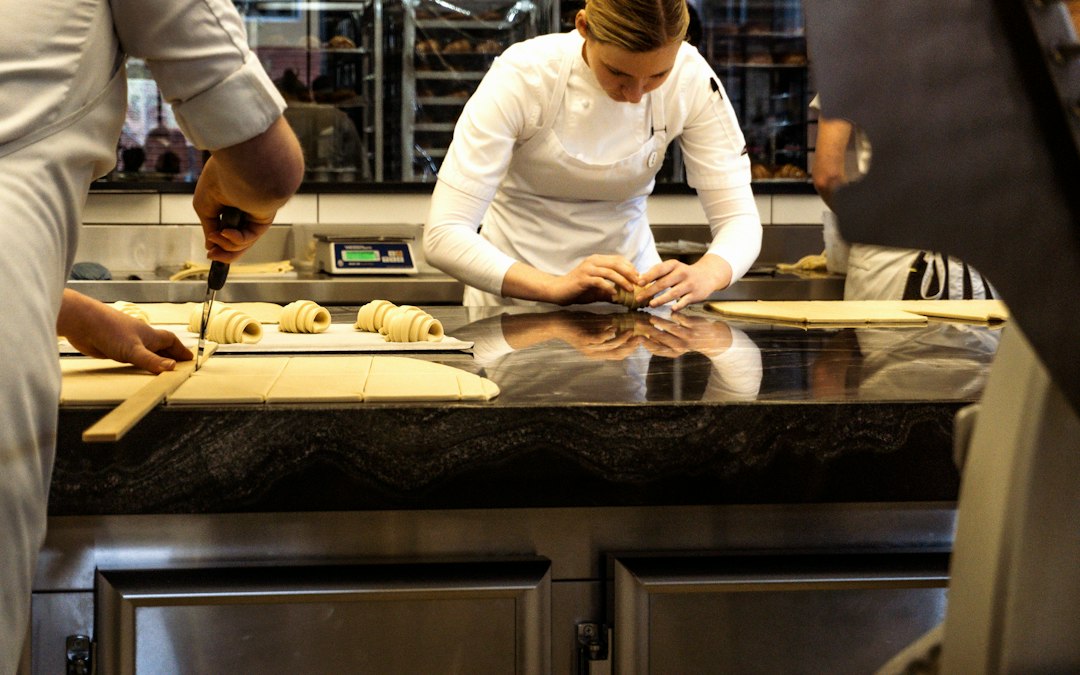
The Melbourne Coffee Culture: From Laneway Roasters to Iconic Cafes
If you’ve ever found yourself wandering down a narrow, graffiti-lined alley in Melbourne, you know there’s something different about the way this city handles its caffeine. It isn’t just about the drink; it’s an obsession that started with post-WWII Italian immigrants who swapped out tea for espresso machines and never looked back. Honestly, the coffee here hits differently because of the water—it’s remarkably soft and low in minerals, which acts like a perfect solvent to pull out those complex, fruity notes from light-roast beans. While other cities might be happy with mass-produced, automated cups, Melbourne’s scene is built on a high-density network of independent roasters who treat their roasting windows like a deadline, usually keeping everything within a strict 14-day freshness window.
Think about the physical space itself, which is just as important as the beans. The city’s famous laneways forced a unique kind of ingenuity, leading to these tiny, 20-square-meter micro-cafes that feel like secret clubs. I’ve noticed that here, the humble coffee break isn't just a quick caffeine fix; it’s a social anchor for the city's professionals, who are some of the most consistent drinkers you’ll ever meet. It’s also fascinating to see how local baristas are leading the global charge on milk chemistry, tinkering with oat and almond formulations to make sure they hold up under pressure without losing that silky, micro-foam structure.
If you really want to understand the local palate, you have to try a "Magic," which is essentially a double ristretto topped with just enough foam to make it punchy and intense without the volume of a traditional flat white. It’s a perfect example of how the city values flavor density over size. And while you’re bar-hopping—or cafe-hopping, I should say—you’ll notice most of these spots are obsessively "dialing in" their grinders multiple times a day to account for even the slightest shift in humidity or heat. It’s that kind of rigor, combined with a consumer base that largely ignores the big global chains in favor of local, direct-trade roasters, that makes Melbourne’s coffee scene so resilient and, frankly, hard to replicate anywhere else.
Fine Dining Destinations: Melbourne’s Most Coveted Tables for 2026
Moving beyond the morning caffeine rush, we really need to talk about what’s happening in Melbourne’s top-tier kitchens right now, because the shift in fine dining is honestly wild. If you’re planning a trip, you should know that the city’s most coveted tables have moved toward a hyper-local obsession, with kitchens now running proprietary aeroponic chambers to grow their own native finger limes and saltbush. It’s not just about the flavor anymore; it’s about the tech, with chefs using ultrasonic homogenizers to pull essential oils from Victorian coastal botanicals that were chemically impossible to isolate just three years ago. If you want a seat at one of the top five tasting-menu spots, you’re looking at a 180-day waitlist, which is a massive jump driven by a surge in people flying in just for these specific, high-concept meals.
It’s fascinating to see how the back-of-house operations have changed, too, especially with the move toward thermal-regulated clay fermentation vessels. These setups allow chefs to control microbial growth in house-made misos and garums with incredible precision, creating deep, funky profiles that you just can't find anywhere else. I’ve noticed that sustainability isn’t just a buzzword here; it’s become quantitative, with top-tier restaurants providing digital receipts that actually track the carbon sequestration impact of your specific dinner. Even the wine programs are getting a major upgrade, as sommeliers lean on data-driven cellar management to nail down maturation cycles with near-perfect accuracy, leading to these intense, evolving vintage pairings throughout your service.
Maybe the coolest part is the new micro-seasonality calendar that tracks the flowering cycles of over 30 indigenous plants, which forces some menus to rotate as often as every four days. It sounds exhausting for the staff, but for us, it means you're tasting ingredients at their absolute peak of intensity. And if you’re wondering about the atmosphere, the rooms are quieter than you’d expect because they’ve started using acoustic foam panels made from local mushroom mycelium to keep the vibe crisp and intimate. Even the produce prep is different, with teams using cold-plasma technology to sanitize greens without water, which keeps the leaves perfectly firm. It’s a lot of high-science, sure, but when you’re finally sitting there and scanning a QR code to see the exact coordinates where your protein was harvested, you realize it’s all about creating a transparent, unforgettable connection to the food.
A Global Palate: Exploring Melbourne’s Best Italian, Japanese, and Asian Eateries
When we look at Melbourne’s dining scene beyond the coffee obsession, it’s clear the city has moved into a phase of almost obsessive technical precision. You can really see this in the Italian sector, where top kitchens are ditching commercial flour for heritage grains imported from stone mills in Molise; the goal isn't just tradition, but hitting a specific glycemic index profile that standard flour just can't touch. It’s the same story with Neapolitan pizza, where the best spots are now installing ovens lined with volcanic ash from Mount Vesuvius to ensure the thermal conductivity is exactly what the dough needs. Honestly, it’s that level of commitment to the science of the crust that separates a good meal from an authentic experience.
The Japanese and broader Asian dining landscape is arguably even more experimental, moving into territory that feels like a laboratory. If you walk into a high-end izakaya, you’ll find them importing water filtered through Binchotan-grade oak charcoal to perfectly replicate the soft-water mineral balance of Kyoto for their sake pairings. Meanwhile, the ramen shops are getting hyper-efficient, using ultrasonic baths to extract every bit of collagen from poultry cartilage to build their tonkotsu bases, while Korean barbecue joints have swapped open flames for far-infrared ceramic grills that cook meat from the inside out. I think the most striking change is in the dumpling houses, where they’ve engineered a skin thickness of exactly 0.8 millimeters to hold up against steam pressure without breaking—it’s a tiny detail, but it changes everything about the bite.
If you’re wondering how all this tech impacts the actual food, just look at the move toward variable-texture noodles produced via 3D printing in Vietnamese spots, which mimics the inconsistency of hand-pulled styles better than any mass-produced plastic machine. It’s not just about flash, either; those infrared sensors monitoring the Maillard reaction in stir-fry kitchens actually serve a purpose, keeping that balance of charred aromatics while keeping nutrients locked in. When you see restaurants adopting cold-pressed olive oils with high oleocanthal levels for that signature peppery throat sting, you realize they’re chasing flavor profiles that mass-market ingredients simply can't provide. It might sound like a lot of high-science, but honestly, it’s just how Melbourne ensures that when you sit down for a meal, you’re getting the most scientifically optimized version of that dish possible.
Steakhouse Excellence: The Top Spots for Meat Lovers in the City
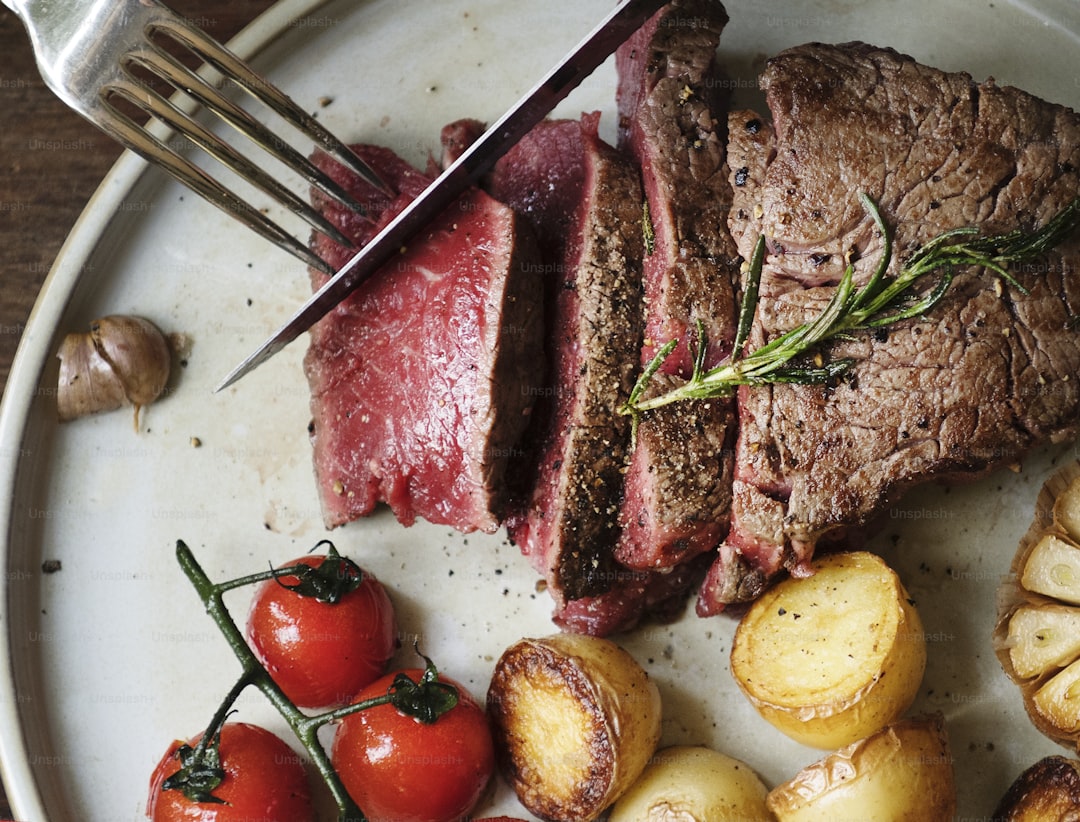
If you're anything like me, you probably think finding the perfect steak is less about the atmosphere and more about the raw, technical mastery happening behind the swinging kitchen doors. I’ve spent enough time sitting at these counters to know that Melbourne’s top-tier steakhouses have moved well beyond the basics, recently transitioning to infrared thermal imaging cameras that monitor grill surface temperatures to ensure the Maillard reaction hits a precise 150 degrees Celsius for that ideal, golden-brown crust. It’s a level of obsession that honestly changes the game, especially when you consider that these spots are now sourcing Victorian pasture-fed beef exclusively from herds raised on volcanic soil, which research shows yields a significantly higher concentration of omega-3 fatty acids than standard grazing land.
And if you’ve ever wondered why the meat here just feels different on the palate, it’s because the kitchens are using variable-frequency ultrasonic probes to break down connective tissue in tougher cuts well before the dry-aging process even begins. Those dry-aging chambers have also evolved into high-tech environments, relying on proprietary Himalayan salt-brick walls and smart-sensors that keep humidity locked at a constant 82 percent to prevent moisture loss. It’s pretty wild to think about, but some chefs are actually tracking the specific pH levels of muscle tissue post-slaughter, favoring beef that stays in the 5.4 to 5.7 range to guarantee that signature tenderness and water-holding capacity.
Beyond the prep, it’s the fine-tuning that really sets these places apart, with advanced kitchens using vacuum-sealed sous-vide baths calibrated to the exact decimal to ensure protein denaturation remains perfectly uniform across the entire cut. I've also noticed a shift toward compound butters infused with native pepperberry, where the high levels of polygodial actually dial up your perception of savory umami notes in a way that feels almost unnatural. To keep that flavor clean, the best grill masters have ditched traditional hardwood in favor of compressed binchotan charcoal, which burns without the bitter, sooty carbon char you might get elsewhere.
Even the experience at the table has been engineered for precision, with sommeliers now using AI-powered flavor mapping to match the tannin structures of aged Cabernet Sauvignon against the specific fat content of individual wagyu marble scores. You'll even find custom-designed steak knives with micro-serrations laser-cut to a sharp 12-degree angle, a small detail that reduces cellular damage to the meat fibers so every bite stays juicy. Honestly, it might sound like a lot of high-science, but when you scan the real-time blockchain tracking on your menu to see the exact history of your meal, you realize it’s all about creating a transparent, scientifically optimized connection to what’s on your plate.
Hidden Gems and Noodle Joints: Where the Locals Actually Eat
If you’re anything like me, you’ve spent enough afternoons wandering Melbourne’s labyrinthine alleys to know that the most memorable meals rarely come with a reservation or a sleek storefront. While the glossy, high-concept dining rooms often grab the headlines, the real heart of the city’s food scene beats in the cramped, steam-filled noodle joints where the technical rigor is just as intense as anything you’d find in a white-tablecloth establishment. It’s wild to consider that these local favorites are quietly revolutionizing their craft, with many shops now installing custom mineral cartridges into their water filtration systems to replicate the specific pH balance required for traditional Cantonese lye-water noodles. I’ve found that the difference in the final bowl is night and day—that perfect, elusive snap in the noodle is usually the result of these kitchens utilizing vacuum-sealing technology to strip air pockets from their dough, which creates a tensile strength that keeps every strand intact even after a long, rolling boil.
You really start to notice the obsession when you look at how these chefs handle the fundamentals, like broth and heat distribution. Many of these low-profile spots have moved away from traditional gas burners, opting instead for high-output induction wok ranges that use electromagnetic fields to heat the entire surface area of the wok at once, ensuring that signature charred sear without the uneven hot spots. It’s an incredible shift in efficiency, matched only by the precision in their prep work, where chefs now use infrared thermometers to monitor their broth ladles to the degree, preventing the fat coagulation that can mask the soup’s delicate aromatics. Even the garnishes are getting the high-tech treatment; I’ve seen neighborhood bars using cold-plasma sanitization chambers to keep herbs perfectly crisp and hydrated without a drop of water, which keeps those fresh flavors bright and sharp until the very last bite.
Honestly, it’s this marriage of old-school grit and modern data-driven technique that makes Melbourne’s hidden gems so resilient and, frankly, better than almost anywhere else I’ve traveled. The best shops are even rotating their noodle profiles based on real-time humidity tracking, knowing that atmospheric pressure shifts the hydration levels in their flour-water mixtures in ways that would ruin a less prepared kitchen. You can taste that attention to detail in the dumpling dens of the CBD, where hydraulic presses exert exactly 150 kilopascals of force to guarantee that every single pleat has a uniform skin density. It’s not just about cooking; it’s a masterclass in optimization that turns a simple ten-dollar bowl of noodles into an experience that feels engineered for perfection. Next time you’re out, look for the spots where the steam is thickest and the tech is hidden in plain sight—that’s where you’ll finally understand why we’re all so protective of these secret corners of the city.
Sip in Style: A Curated Guide to Melbourne’s Finest Bars and Nightlife

If you’ve spent any time navigating the city’s nightlife, you know that Melbourne’s bar scene isn't just about pouring a stiff drink; it’s a high-stakes masterclass in laboratory-grade hospitality. I’ve noticed that the most forward-thinking venues have moved well beyond basic mixology, now leaning on centrifugal separation to clarify juices and spirits with a level of optical transparency that traditional filtration just can't touch. It’s honestly fascinating to watch, especially when you consider that these spots are cooling their glassware with liquid nitrogen to a precise negative 15 degrees Celsius, which effectively stops craft spirits from diluting the moment they hit the glass. When you’re sitting there, you’re not just having a cocktail; you’re engaging with a drink that’s been engineered for perfect flavor concentration.
The attention to detail even extends to the ice, where the best bars have traded standard cubes for directional-frozen blocks with a density of 0.917 grams per cubic centimeter. These blocks melt at a significantly slower rate, keeping your drink perfectly balanced for twice as long as the junk you get at a standard pub. And if you’re wondering why the aromatics in your glass feel so vibrant, it’s because the top mixology labs are now using rotary evaporators to distill botanicals at low temperatures, which preserves volatile esters that would normally be destroyed by heat. It might sound like a bunch of high-science, but that’s exactly why the flavor profiles here are so much cleaner and more intense than anything else I’ve found globally.
It’s also wild to see how these spaces are architected for the actual social experience, with ambient noise levels often locked at a scientifically tuned 75 decibels to facilitate conversation while keeping things feeling intimate. Some of the most exclusive lounges have even integrated haptic sensors into their bar tops to track keg volumes in real-time, while managers use predictive analytics to staff up based on humidity and dew point shifts. And those laser-etched nucleation points at the base of your glass? They’re there for a reason, creating a consistent stream of bubbles that keeps your sparkling cocktails from going flat before you finish them. I’m honestly convinced this level of data-driven rigor is why Melbourne’s nightlife feels so much more resilient and consistent than other major cities; everything you touch has been optimized to ensure your night goes exactly as planned.
Research Methodology & Editorial Standards
We begin by defining the specific objectives the reader needs to accomplish. Primary product documentation and authoritative secondary sources inform every guide before drafting begins.
Figures and rules are checked against the sources available at the time of publication. Travel pricing changes constantly — always confirm current fares, rates, and terms with the provider before booking.