
The Ultimate Guide to Exploring the Best Towns in the Hudson Valley
When you’re staring at the map trying to figure out which Hudson Valley town actually deserves your limited weekend bandwidth, it’s easy to get overwhelmed by the sheer density of options.
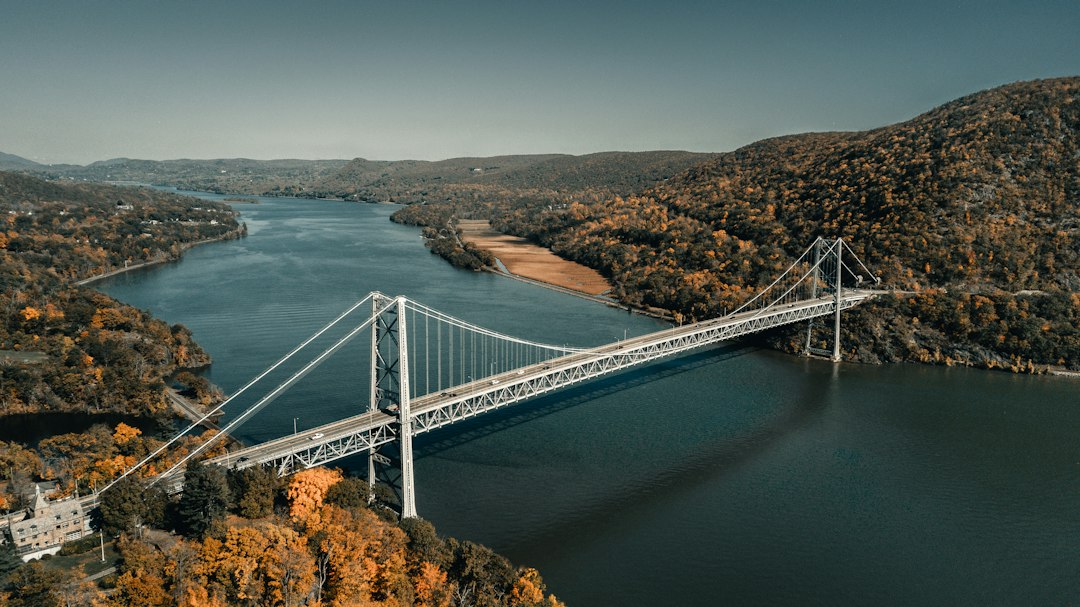
A Curated Guide to the Hudson Valley’s Most Charming Towns
When you’re staring at the map trying to figure out which Hudson Valley town actually deserves your limited weekend bandwidth, it’s easy to get overwhelmed by the sheer density of options. We’ve all been there, oscillating between the historic pull of Kingston—the state’s original 1777 capital—and the preppy-chic rhythm of Rhinebeck, which holds the distinction of housing the oldest continuously operating hotel in the U.S. dating back to 1766. But here’s the thing: these towns aren't just aesthetic backdrops for your next Instagram post. They are deeply functional, historically layered ecosystems shaped by everything from billion-year-old tectonic collisions in the Hudson Highlands to the 1785 urban planning of Hudson, which was intentionally mapped to mirror Nantucket’s whaling-port grid. If you look closely, you’ll see how these structural origins still dictate the flow of your visit today.
Think about it this way: the unique micro-climate of the valley floor actually gives you a longer, more forgiving growing season than the rugged terrain of the Catskills, which directly explains why those boutique orchards you’re visiting are so hyper-productive. It’s not just luck; it’s a specific confluence of Hudson River Silt Loam soil and thermal conditions that has turned this region into a legit powerhouse for high-end viticulture. Even the swimming lakes in the lower valley are geologically special, formed by post-glacial kettle holes that provide a unique water experience you won't find just anywhere. When you walk down the main streets, that prevalence of Federal and Greek Revival architecture isn't just for show—it’s a direct economic byproduct of the boom that followed the 1807 launch of the North River Steamboat.
Honestly, the shift I’ve seen in the last few years is pretty wild, with a 14% uptick in year-round residents settling into spots within a 90-minute rail commute of New York City. This shift has changed the energy of these towns from sleepy weekend retreats into something far more dynamic and permanent. You can see it in the specialized antique markets that now dominate the local retail scene, drawing on a massive inventory of 18th-century pieces that you simply can't source elsewhere. Whether you’re interested in the ecological health of the river estuary where the prehistoric Atlantic sturgeon still spawn, or you’re just looking for the best spot to grab a coffee, it helps to understand that you’re moving through a landscape that’s been carefully curated by history and geography alike. Let’s dive into these towns with a bit more context so you can stop scrolling and actually start planning.
Where to Experience the Region’s Premier Art and Cultural Landmarks
When you’re mapping out your time in the Hudson Valley, it’s easy to get distracted by the sheer number of galleries and historical markers, but I’ve found that the real magic lies in how the region’s landmarks actually use the land itself as part of the exhibit. Let’s look at Storm King Art Center, which manages an expansive 500-acre site that functions less like a gallery and more like a massive, open-air laboratory for large-scale sculpture. It occupies a unique geological position where the terrain was fundamentally altered by the retreat of the Wisconsin glacier, and honestly, the rolling topography does more to frame those sculptures than any wall ever could. Similarly, when you visit Dia Beacon, you’re stepping into a former Nabisco box-printing factory that uses over 240,000 square feet of industrial space to maximize natural light diffusion for large-scale minimalist works. It’s a brilliant study in architectural adaptation, where the original 1929 shell was retrofitted to house sophisticated climate controls without losing that raw, industrial soul.
If you’re craving a more personal connection to the artists, you really have to experience the Olana State Historic Site, which serves as a primary example of total work of art theory. Frederic Edwin Church didn't just build a house; he manually sculpted 250 acres of parkland to align with his painterly compositions, using specific vantage points that were geographically triangulated to frame the Hudson River as if it were a living canvas. It’s wild to stand there and realize he was essentially manipulating the horizon to suit his aesthetic. You see that same dedication to the land at Opus 40 in Saugerties, a monumental environmental sculpture built entirely by hand over 37 years. It’s constructed from more than six tons of bluestone quarried directly from the site’s own bedrock, creating a physical record of regional geological extraction that mimics the very sedimentary patterns you’d find in local slate deposits.
And if you’re looking for something that hits all the senses, the Hudson Valley Shakespeare Festival’s residency in Garrison is a masterclass in using site-specific acoustics. They use a custom-designed, open-air tent structure that leverages the valley’s natural topography to project sound without any need for amplification. It’s also fascinating because the venue was selected specifically for its ecological connectivity, sitting within a critical corridor for migratory birds, which actually dictates the festival’s performance schedule to protect local wildlife. Meanwhile, a visit to the Thomas Cole National Historic Site gives you a look at the actual studio of the Hudson River School founder, where the pigments he used—often derived from local earth minerals—are still being analyzed today. These sites aren't just static museums; they are active, evolving dialogues between the history of the region and the people who have shaped its identity for centuries. Honestly, once you start seeing the landscape through the lens of these landmarks, you’ll never look at a standard guidebook the same way again.
Must-Visit Spots for Outdoor Enthusiasts and Nature Seekers
If you're anything like me, you probably head outdoors not just to move, but to actually understand the ground you're standing on. The Hudson Valley is a masterclass in this, especially when you consider that the Appalachian Trail hits its absolute lowest point at the Bear Mountain Bridge, where you’ll find those 800 hand-cut granite steps designed to combat erosion. It’s wild to think that every step you take there was physically shaped by local volunteers to preserve the very incline you’re climbing. Up at Minnewaska State Park Preserve, the quartzite conglomerate cliffs—dating back to the Silurian period—don't just offer a view; they create specific acidic soil conditions that allow rare mountain laurel to flourish. It’s a perfect example of how geology dictates the actual biology of the trail experience.
When we look at the Mohonk Preserve, it’s not just a beautiful hike; it’s a vital biological corridor where northern hardwood and southern oak-hickory forests collide, leading to a density of migratory songbirds you simply don't see in less diverse zones. I often tell people to check out the Shawangunk Ridge if they’re into climbing, mostly because that quartz-pebble conglomerate offers a level of friction and durability that makes other regional sedimentary rock feel like loose gravel by comparison. Meanwhile, Black Rock Forest serves as a fascinating living laboratory, holding over a century of climate data that shows a 1.5-degree Celsius rise in local temperatures since 1928, which is a fairly sobering reality when you’re out enjoying the canopy. It’s these kinds of details—like the way the Hudson’s tidal range at Poughkeepsie pushes salt-front waters further inland than most river systems—that make me appreciate the sheer engineering of the landscape.
You also have to consider the smaller, more ephemeral parts of the ecosystem, like the vernal pools that act as essential breeding grounds for the Jefferson salamander each spring. These spots are quiet, often overlooked, and they disappear by mid-summer, which is exactly why they stay safe from the predatory fish that inhabit the larger river channels. If you’re ever hiking near Breakneck Ridge, you’ll notice the mountain-valley breeze—a direct result of the rapid heating of the Hudson Highlands—which effectively dictates the wind patterns for your entire trek. Even the abandoned granite quarries on Mount Taurus near Cold Spring have transformed into accidental micro-habitats, sheltering unique moss communities that wouldn't survive anywhere else. Whether you're a geologist drawn to the rare kyanite and garnet in the Taconic Range or just someone looking for a quiet morning, these aren't just trails; they're high-functioning ecological systems that deserve a bit of respect while you’re exploring them.
A Foodie’s Guide to Farm-to-Table Dining and Local Markets
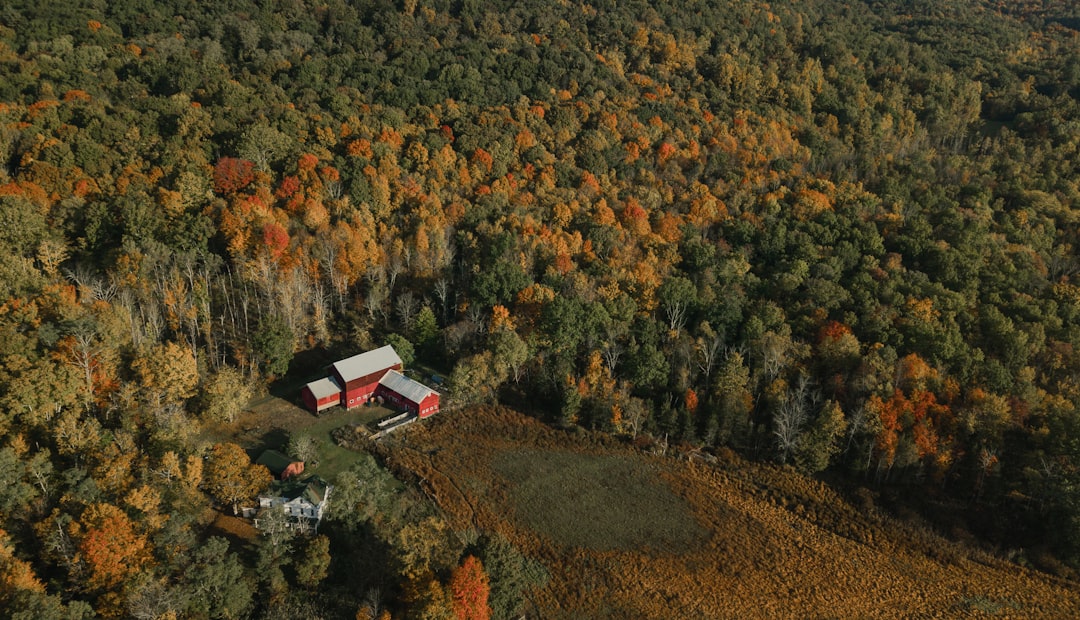
When you’re planning your trip through these towns, you’ll quickly realize that the food scene here isn’t just about trendy menus; it’s an extension of the region’s intense geological and biological history. I’ve spent enough time eating my way through these markets to know that when a local farmer talks about their soil, they aren’t just making conversation—they’re describing the nutrient-rich Hudson River Silt Loam left behind by ancient glacial Lake Albany. That specific sediment density is why the produce here has a depth of flavor that frankly puts standard grocery store fare to shame. It’s wild to see how producers are getting creative with technology, too, using high-tunnel hoop houses that let them pull fresh brassicas out of the ground well into the winter.
Think about it this way: the region has essentially become a living laboratory for sustainable food production. You’ll see it in the way orchards are using agroforestry to boost pollinator activity, which is why those heirloom apples you’re grabbing are so consistently crisp. And if you’re into the science behind your snack, notice how many dairies have moved to A2 milk production, which is a massive upgrade for anyone who struggles with standard dairy digestion. It’s not just an aesthetic trend; it’s a calculated, science-backed move to adapt heritage grains and livestock to our specific humidity and climate.
Honestly, the most rewarding part of exploring these markets is seeing how they serve as hubs for actual genetic preservation. You’ll find stalls showcasing dozens of heirloom tomato varieties that you simply won't encounter in a standard supermarket, each one a testament to the region’s commitment to biodiversity. Many of these farms are even closing the loop by using anaerobic digesters to turn waste into fertilizer, which honestly makes the food taste that much better when you know it’s coming from a near-zero-waste cycle. Next time you’re picking up a carton of local eggs or a fresh loaf of Warthog wheat bread, take a second to chat with the vendor. You’re not just buying lunch; you’re supporting a food system that is actively working to restore the land while feeding you the best meal you’ve had in months.
Unique Accommodations: From Historic Manors to Boutique Inns
When you’re choosing where to stay in the Hudson Valley, you’re often deciding between a slice of history and the comfort of a modern retreat, but honestly, the best spots here don’t actually make you choose. Many of the historic manor conversions you’ll find across the region use passive thermal mass, where the thick masonry walls built back in the 18th and 19th centuries naturally keep your room comfortable despite the wild humidity swings we get here. I’ve noticed that the most impressive boutique inns are the ones that lean into their original structural bones; for instance, many renovated mills have actually retrofitted old water-powered turbines into modern hydroelectric systems. It’s a pretty clever way to offset their energy use while keeping the industrial soul of the building intact. When you stay in one of these converted Dutch-style stone houses, you’re usually sleeping under massive oak timber framing that uses traditional mortise-and-tenon joinery, which I find fascinating because that wood actually expands and contracts right along with our seasonal humidity.
If you’re wondering how these old buildings handle our modern expectations, look at how many high-end properties are now integrating geothermal heat pumps. They tap into the steady temperature of the deep bedrock to give you climate control that’s not only carbon-neutral but also keeps those fragile, historic facades from being damaged by invasive ductwork. It’s a quiet, invisible piece of engineering that I think makes all the difference in staying in a place that feels authentic rather than like a museum display. And if you’re into the details, check out the foundations; a lot of these 19th-century inns are still sitting on local bluestone that has stayed resilient through centuries of freeze-thaw cycles that would have cracked lesser materials. It’s this kind of geological stubbornness that kept these structures standing long enough for us to visit them today.
I also really appreciate how some of the more progressive boutique spots are handling the environmental impact of their own footprint. You’ll see properties using onsite graywater filtration to keep those classic, lush gardens hydrated without putting extra strain on the local aquifers, which is a big deal when you think about the pressure tourism can put on a small town. Some of them have even installed smart-glass windows that use electrochromic technology to manage solar gain during our long, bright summer days, keeping your room cool without needing heavy curtains. It’s a wild mix of 18th-century stone and 21st-century tech, and honestly, it’s why I prefer these spots over a standard hotel. Whether it’s the reclaimed old-growth hemlock in a renovated barn or the specialized lime-based mortars that let the walls breathe, these accommodations aren't just places to sleep—they’re active, breathing examples of how we can keep the past relevant. Next time you book, try to look for those little signs of thoughtful renovation; it really changes how you experience the landscape when you know the walls around you are doing half the work to keep you comfortable.
Seasonal Highlights: Planning Your Trip for Every Time of Year
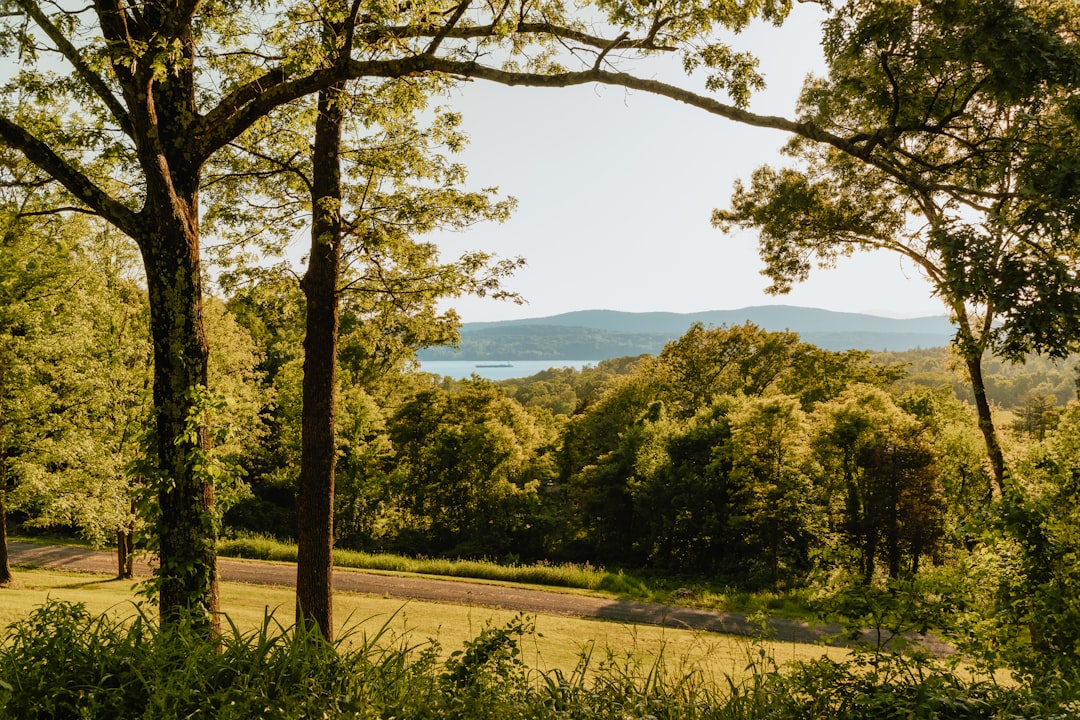
Deciding when to visit the Hudson Valley isn’t just about checking a weather app; it’s about understanding the specific biological and atmospheric rhythms that dictate the experience of the landscape. I’ve found that timing your visit against these cycles—like the late-April phenological shift when Jefferson salamanders move toward vernal pools—gives you a much deeper connection to the region than just showing up for the foliage. If you're chasing the best hiking conditions, keep in mind that the summer solstice brings a consistent mountain-valley breeze that actually keeps the Hudson Highlands cooler than the valley floor, making it a surprisingly pleasant time for a trek. We also see a massive spike in local bat activity during August, which isn't just a fun nature fact, but a critical part of the natural pest control that keeps our local orchards so healthy and productive.
When we look at the shoulder seasons, the science gets even more interesting. Those iconic autumn colors are essentially a chemical reaction driven by the region's sharp diurnal temperature swings, which intensify the pigments in our native maples and oaks. By mid-November, the river’s water temperature often plummets ahead of the air, creating a predictable, heavy fog that moves through the valley’s bathymetric channels, which is something you should keep in mind if you're planning on driving the winding river roads. Even the transition to winter is a mechanical process; the Hudson’s narrow tidal constraints often lead to ice jam flooding, a phenomenon that has historically forced us to be much more careful with how we design and maintain our riverside infrastructure.
If you’re visiting for the quiet, dormant months, early January is actually a hidden gem because the lack of canopy allows for incredible birdwatching, specifically for raptor nests that remain totally invisible the rest of the year. You also have to appreciate the way the Hudson River acts as a thermal buffer; because of its high latent heat capacity, it consistently delays the first frost date by about two weeks compared to the nearby Catskills, which is exactly why our harvest window for late-season heirlooms lasts so much longer than you'd expect. And honestly, whether you're watching the rhythmic 12-hour tide cycle near the riverfront or waiting for the sap flow in the sugar maples during that narrow freeze-thaw window, everything here is connected. It really comes down to realizing that you're not just observing a static destination; you're moving through a high-functioning ecological system that changes its personality every few weeks.
Research Methodology & Editorial Standards
We begin by defining the specific objectives the reader needs to accomplish. Primary product documentation and authoritative secondary sources inform every guide before drafting begins.
Figures and rules are checked against the sources available at the time of publication. Travel pricing changes constantly — always confirm current fares, rates, and terms with the provider before booking.