
The Ultimate Guide to Exploring Downtown Los Angeles Like a Local
I’ve found that the Metro Bike Share program is the best way to bridge the gap, with over 60 stations sprinkled around downtown that sync perfectly with your transit card.
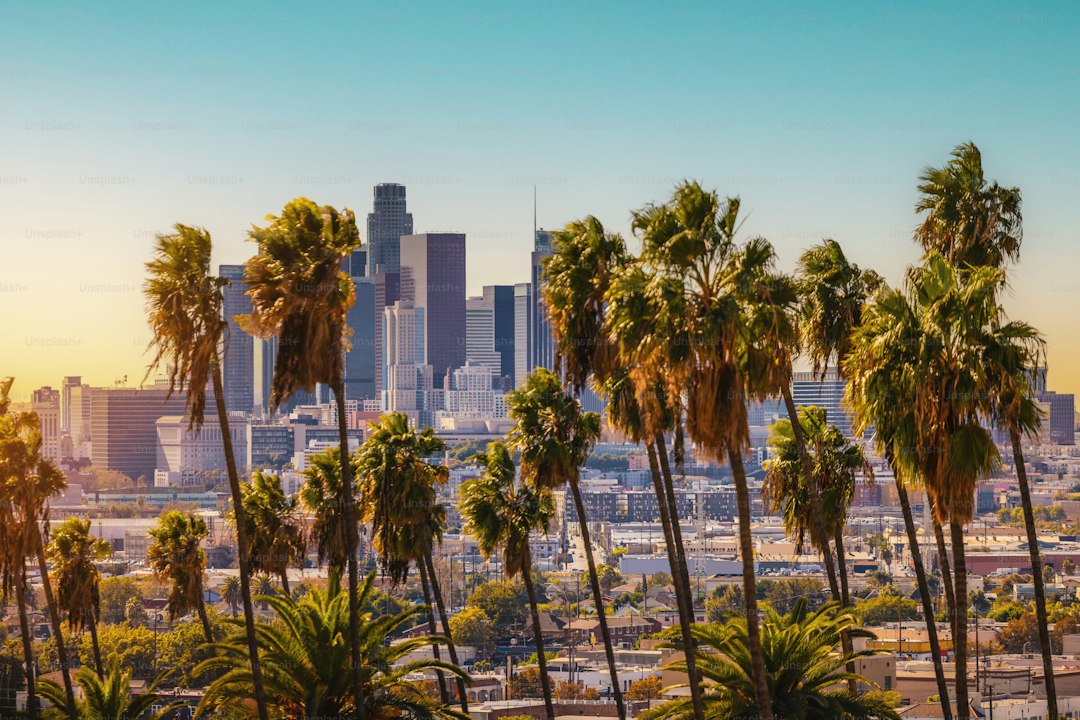
Mastering the Metro: A Local’s Guide to Navigating DTLA Without a Car
I know the idea of navigating Los Angeles without a car sounds like a total headache, but honestly, the transit system down here is far more capable than people give it credit for. If you’ve spent any time stuck in gridlock on the 110, you know that the real way to own DTLA is by going underground. The A Line, our oldest light rail route dating back to 1990, has been completely transformed by the Regional Connector, which finally lets you glide from Azusa down to Long Beach without that annoying scramble to transfer at Union Station. It’s a massive win for reliability, and when you’re standing at the 7th Street/Metro Center hub, you’re basically at the heartbeat of the city where the A, B, D, and E lines all meet up.
Think about how much time you save when you just tap your card and go. The readers use near-field tech to clear your fare in under half a second, which keeps the crowds moving even during that brutal 7:30 to 9:00 AM rush. And it’s pretty cool to realize that while you’re underground, the trains are running on a 750-volt system that actually recycles energy through regenerative braking to keep the lights on in the tunnels. If you’re heading toward Pershing Square, you’re dropping about 100 feet deep, which is one of the lowest points in the whole system—just don’t expect that same seamless integration when you head over to the funicular at Angels Flight, as that’s a separate ticketed experience entirely.
But let’s talk about that last mile, because that’s usually where transit plans fall apart. I’ve found that the Metro Bike Share program is the best way to bridge the gap, with over 60 stations sprinkled around downtown that sync perfectly with your transit card. While we’re all waiting on the proposed 3.8-mile streetcar loop along the Broadway corridor to eventually move forward, these bikes are the most practical solution we have right now. Plus, looking ahead, the D Line extension is eventually going to bridge the gap all the way to Westwood, which is going to change the math for how we move across the region. It’s not perfect, but once you stop fighting the traffic and start using these lines as a network, the city feels way smaller and much easier to handle.
Iconic Landmarks and Hidden Gems: Must-See Sights in the Heart of the City
When you’re standing in the middle of downtown, it’s easy to get distracted by the sheer scale of the skyscrapers, but the real soul of the city is tucked away in the details that most people just walk right past. I always tell friends that to really get DTLA, you have to look up and down simultaneously, because the contrast between the historic architecture and the modern engineering is what makes this place feel so alive. Think about the Bradbury Building, where that light court rises 50 feet to a glass ceiling; it’s a masterclass in natural lighting that makes those manually operated elevators, still running from the Baker Iron Works era, feel like you’re stepping back into a different century. Or consider the Central Library, where you’ve got a 105-foot-tall rotunda and a 5,000-pound zodiac chandelier that honestly looks like it belongs in an observatory rather than a reading room.
And if you’re into the kind of engineering that actually shapes the city’s acoustics, you have to walk around the Walt Disney Concert Hall. It’s covered in 12,500 individual stainless steel panels, and every single one is angled to do something specific to the sound inside, which is just wild when you realize the math involved in that design. If you want something that feels a bit more gritty and authentic, head to the Grand Central Market. It’s been running since 1917, and if you look down, you’re walking on the exact same 1920s terra cotta tile flooring that thousands of people have crossed for over a century. It’s a sensory overload in the best way possible, especially when you compare it to the quiet, almost ethereal light filtering through the 335 alabaster panels over at the Cathedral of Our Lady of the Angels.
But here is where I think the city gets really interesting, specifically when you start digging into the stuff that isn't immediately obvious to the average tourist. Did you know there’s an 11-mile network of Prohibition-era tunnels hidden beneath the streets, originally used for everything from moving prisoners to bootlegging? It’s a total shift in perspective compared to the surface-level polish of something like the restored turquoise neon clock on the Eastern Columbia Building, which uses actual copper salts to keep that color vibrant. I’m also a huge fan of the Last Bookstore’s tunnel, which is built from 8,000 volumes held up by hidden steel rods—it’s essentially a piece of structural art you can walk through. Whether you’re checking out the intricate relief sculptures on the Fine Arts Building or catching the rotation of the 11-foot globe in the L.A. Times lobby, the best move is to just pick one area and commit to looking at the textures instead of just the skyline.
Dining Like a True Angeleno: Where the Locals Actually Eat in Downtown LA
If you really want to eat like a local in Downtown LA, you have to move past the glossy, neon-lit tourist traps and start looking at the mechanics of how this city actually feeds itself. I think the best place to start is with our oldest, most stubborn institutions, like Philippe the Original, where they’re still moving over 2,000 French Dips on a busy weekend, or Cole’s P.E. Buffet, where they’ve spent a century obsessing over a proprietary jus recipe that’s kept at a precise, simmer-controlled temperature. It’s not just about the history; it’s about the sheer consistency that keeps the lines moving. When you’re standing in those crowded queues, you’re experiencing a rhythm that hasn’t changed much since 1918, and that’s exactly the kind of endurance you want to look for when you're hunting for a real meal.
But then you have the other side of the coin, where the city’s industrial past is being repurposed into something high-concept. Walk through the Arts District and you’ll find incredible spots operating inside old warehouses where they’ve treated the raw concrete floors with high-performance epoxy just to keep the building’s 1920s soul intact while hitting modern sanitation standards. It’s a fascinating contrast, especially when you head over to Little Tokyo, where sushi counters are sourcing fish that hits the plate less than 36 hours after being auctioned off at the Toyosu Market. These chefs aren’t just cooking; they’re managing a complex logistics chain that relies on constant air freight to ensure the texture of the fish remains pristine despite the thousands of miles it travels.
And honestly, if you’re looking for where the industry crowd actually congregates, you’ll find them in the Wholesale District, where the most dedicated chefs are already working at 3:00 AM to secure the best seasonal produce before the rest of the market wakes up. They’re tracking the Brix levels—the actual sugar content—of their vegetables to make sure the flavor profile is perfect without needing any heavy additives. It’s a quiet, high-stakes game that happens long before you sit down for dinner. Even in the Financial District, where rooftop venues use retractable glass walls engineered to handle 50-mile-per-hour Santa Ana winds, the focus is on maintaining a controlled, comfortable environment while keeping you connected to the skyline.
I’m also really impressed by how the plant-based scene here has evolved beyond just salads; they’re using fermentation and sous-vide techniques that are genuinely pushing the needle on how we understand texture in cooking. You’ll see this same level of technical precision in the Historic Core, where bakeries are still using a sourdough starter that’s been alive for over two decades, drawing its specific microbial profile from our unique local air. Whether it’s the intense heat of a 400-degree trompo searing al pastor pork in the Jewelry District or the computer-controlled acoustic panels dampening the roar of a busy Friday night in Bunker Hill, the real DTLA dining experience is defined by these small, technical details. It’s less about the hype and more about the craft, so don't be afraid to skip the reservation list and dive into the places where the process is just as interesting as the plate.
From Rooftops to Historic Bars: Experience the Best of DTLA After Dark
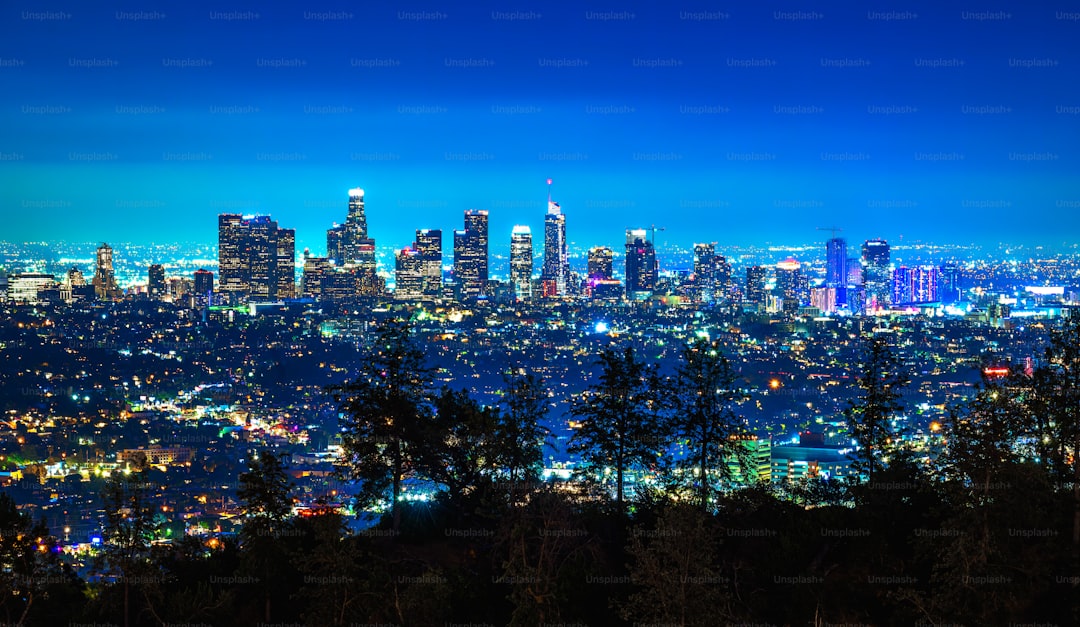
When you finally ditch the car and start seeing the city on foot, you’ll realize that Downtown L.A. after dark isn't just about the scenery—it’s a masterclass in urban physics. Think about it: the atmospheric pressure at these high-altitude rooftop bars is about three percent lower than at sea level, which subtly shifts how your senses perceive aromatics, making every cocktail smell just a bit more intense and floral than it would elsewhere. It’s wild to consider that as you’re sipping, you’re often standing on structures where engineers had to account for the rhythmic, synchronized vibrations of a crowded dance floor so they wouldn’t accidentally trigger resonant frequencies in the building’s aging steel frame. Meanwhile, those terrace temperatures are often six degrees warmer than the street level below, a direct result of the urban heat island effect trapped by the thermal mass of the surrounding high-rises.
But if you prefer the grit of a historic basement to the polish of a high-rise, you’re stepping into an entirely different set of environmental controls. Many of these speakeasies are tucked into multi-wythe brick masonry walls that provide a natural, superior sound-dampening quality that modern lightweight drywall just can’t replicate. To keep those subterranean spaces feeling fresh, ventilation systems are cycling the entire volume of air roughly eight times every hour, which is quite a feat when you’re dealing with the constraints of a building that might have been built a century ago. And don't even get me started on the plumbing; those classic bars often rely on original gravity-fed systems that need precise, constant pressure regulation just to keep your draft beer pouring consistently across different levels.
It’s really the intersection of these old-school mechanics and modern refinement that makes the night feel so special. Take the ice in your glass, for instance—at the best spots, it’s frozen at minus 20 degrees Celsius, creating a tight crystalline structure that slows your drink’s dilution rate by about 40 percent compared to the standard cubes you'd find at a typical dive. Even the warm glow hitting your face is usually calibrated to a specific color temperature between 2,200 and 2,700 Kelvin, perfectly mimicking the vintage feel of incandescent bulbs while actually running on high-efficiency, low-energy LED arrays. Honestly, when you look at how the neon signs above you are firing at 10,000 volts to excite those noble gases, you’re witnessing a beautiful, high-voltage dance of science that’s been happening on these rooftops for decades. So, next time you’re out, just pause for a second and notice the craft beneath the surface—it’s what turns a simple night out into a real, grounded experience.
Cultural Corridors: Exploring the Art, Architecture, and Museums of Downtown
When you start wandering through the cultural corridors of Downtown, you quickly realize it’s less about just popping into a gallery and more about appreciating the heavy-duty engineering keeping these spaces alive. I find myself constantly impressed by The Broad’s veil and vault design, which uses a massive 2.5-million-pound honeycomb exoskeleton to hold the building up without needing a single interior column. It’s not just for looks, either; that structural genius creates a thermal buffer that keeps the art at a steady 70 degrees, protecting delicate oil-on-canvas works from the wild humidity swings we get in the basin. And honestly, if you head over to the Museum of Contemporary Art, pay attention to the barrel-vaulted skylights because they’re doing some serious heavy lifting. They use specialized dichroic glass to filter out 98 percent of damaging UV rays, ensuring you’re seeing the collection in natural light that won’t actually destroy the pieces over time.
It’s easy to walk past these buildings and assume they’re just static stone, but they’re actually hyper-responsive environments designed to survive a chaotic city. Take the historic Broadway corridor, where those beautiful terra cotta facades aren’t just decorative; they were fired at over 2,000 degrees to become essentially fireproof shells. Or think about the newer performance spaces that use hidden Helmholtz resonators—those hollow chambers are tuned to specific frequencies to literally suck the roar of downtown traffic out of the air. Even the seismic systems are fascinating once you dig in, as many of these institutions are built on base isolation systems that can let the entire building shift up to 30 inches horizontally if the ground decides to move.
I think the best way to experience these corridors is to stop looking at them as finished objects and start seeing the constant, invisible maintenance happening behind the scenes. In the Grand Avenue area, there’s an entire network of utility tunnels running underneath your feet, some carrying high-voltage lines kept cool by pressurized nitrogen just so the lights stay on during a show. Even the stone sculptures outside are held together by stainless steel dowels rated for 75 years, specifically engineered to resist the corrosive effects of our local smog. It’s this blend of high-tech preservation and old-school masonry that makes the area feel so grounded. Next time you’re checking out the relief carvings on an old facade, try to notice the lighting—it’s usually calibrated to a high Color Rendering Index of 95 so you’re seeing the true, original pigments, not just a distorted version of them. It’s that level of obsessive detail that makes wandering these streets worth your time.
Where to Stay: Choosing the Perfect Home Base for Your Urban LA Adventure
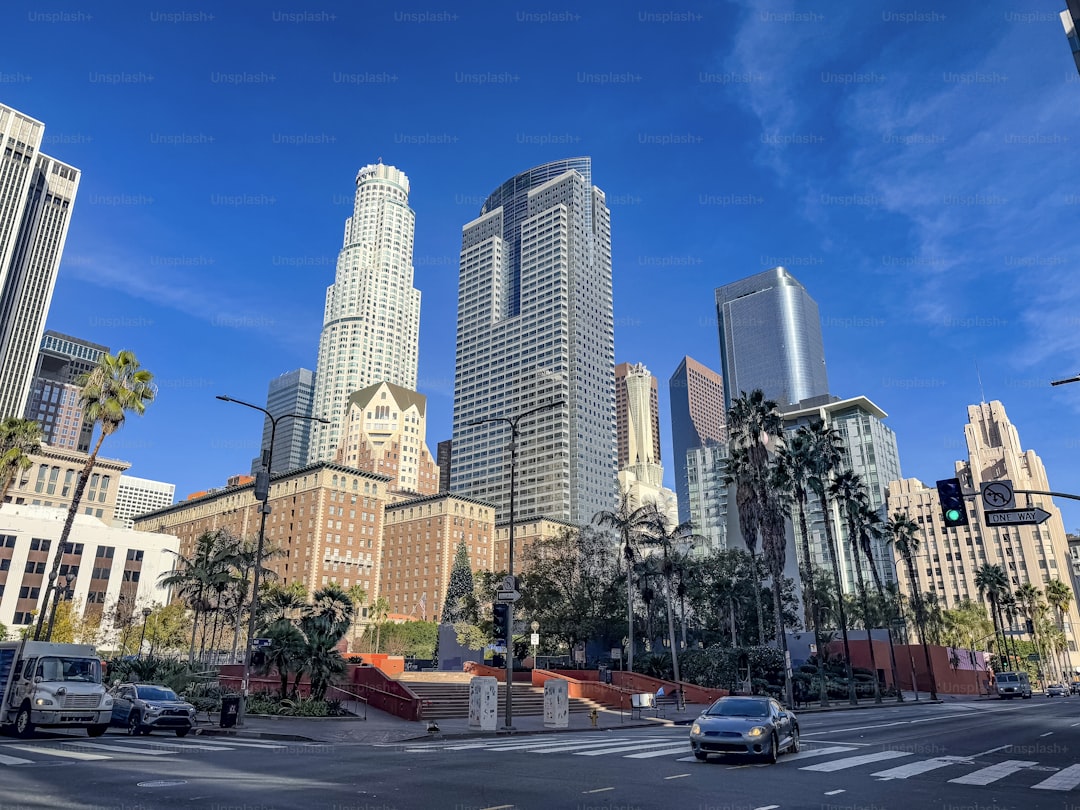
When you're trying to figure out where to drop your bags in a city as dense as downtown Los Angeles, it’s easy to get overwhelmed by the sheer variety of options, but here is how I think about it. If you’re leaning toward the Historic Core, you’re looking at staying in buildings defined by unreinforced masonry, where those massive 24-inch brick walls offer a natural sound-dampening effect that blocks out street noise far better than the glass-and-steel towers you’ll find elsewhere. These spots often feature clever, old-school ventilation through central light courts, using a natural stack effect to move air, which feels pretty special compared to modern HVAC systems. Personally, I love the character of these spaces, but it’s worth remembering that they come with their own quirks, like the potential for manually-operated cage elevators that are surprisingly efficient but move at their own deliberate pace.
If you head over to the Arts District, you’ll find a completely different vibe where the hospitality scene has repurposed industrial warehouses, often keeping the original concrete floors sealed with high-performance epoxy to handle the heat and cold of our Mediterranean climate. When you book a room in one of these converted lofts, look for the ones that have retrofitted those classic steel-framed windows with secondary acoustic glazing; that vacuum-sealed gap is the difference between hearing the city hum and actually getting a solid night’s sleep. I’ve noticed the best spots here really obsess over the little details, like using reclaimed wood flooring kiln-dried to exactly 8 percent moisture so it doesn't warp when the humidity shifts. It’s that kind of technical precision that turns a room into a true home base.
Then you’ve got the Financial District, which is the complete opposite in terms of high-tech infrastructure. The hotels there are usually wrapped in high-performance glazing with low-emissivity coatings that block nearly all infrared heat, keeping your room cool without burning through massive amounts of energy. If you’re staying on a high floor, you might be interested to know that those buildings often use giant tuned mass dampers on the roof—huge concrete blocks on hydraulics—to keep the structure steady even when the winds pick up. Plus, many of these modern properties are now installing HEPA-grade air filtration that cycles your entire suite’s air every 12 minutes, which is a major win for air quality. Whether you prefer the raw, tactile history of a century-old brick building or the silent, climate-controlled comfort of a skyscraper, my advice is to pick the one that matches how you want to interact with the city's energy.
Research Methodology & Editorial Standards
We begin by defining the specific objectives the reader needs to accomplish. Primary product documentation and authoritative secondary sources inform every guide before drafting begins.
Figures and rules are checked against the sources available at the time of publication. Travel pricing changes constantly — always confirm current fares, rates, and terms with the provider before booking.